Authentic Ulundhu Kanji Recipe (Tamil Black Urad Dal Porridge)
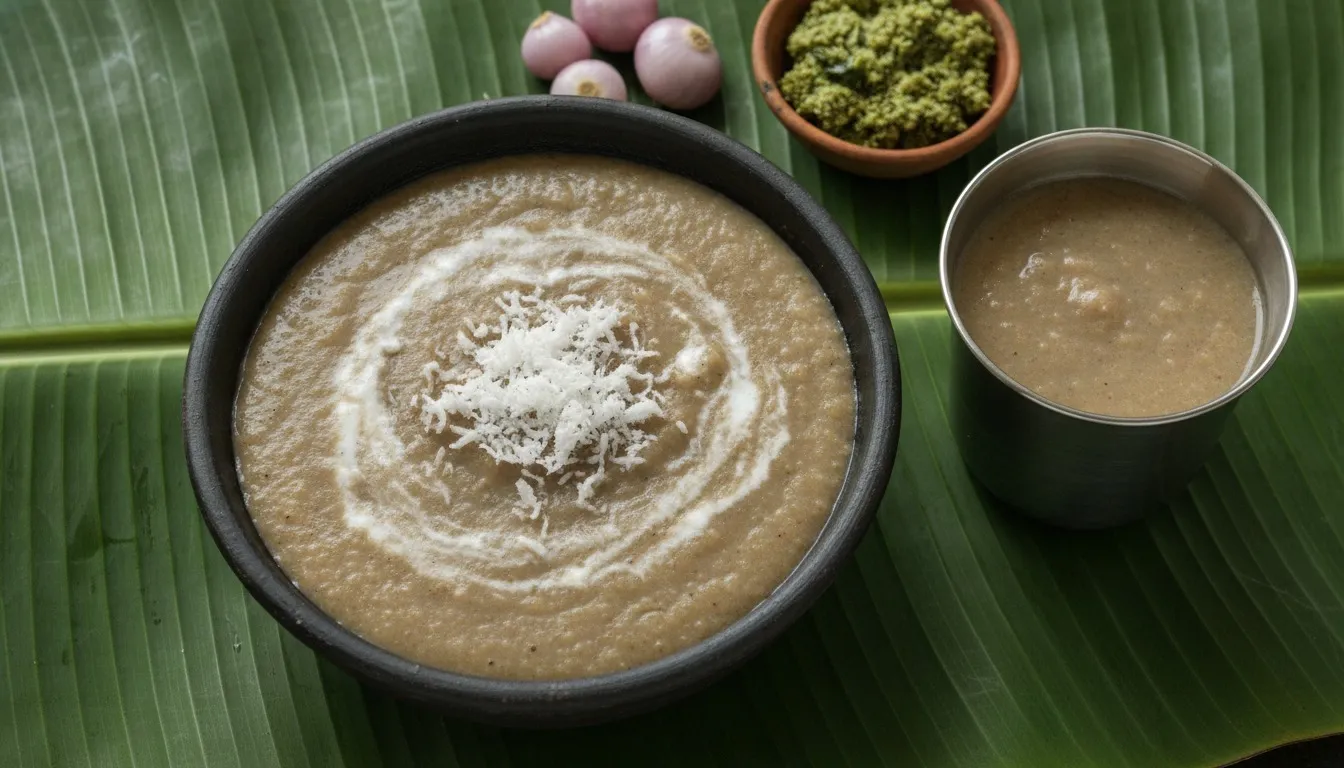
Ulundhu kanji is the kind of recipe that keeps resurfacing online every time the rains set in, and it has been having a real moment across Instagram reels and YouTube shorts as high-protein breakfast porridges take over feeds. It is a thick, savory porridge of whole black urad dal and rice, pressure cooked with garlic and fenugreek until everything collapses into a creamy mash, then finished with coconut milk and dry ginger. There is no oil in it at all, which surprises people who assume every South Indian breakfast starts with a tempering. What makes it worth the attention is how much it delivers for how little effort: one cooker, six whistles, and a bowl that keeps you full until well past lunch.
About This Dish
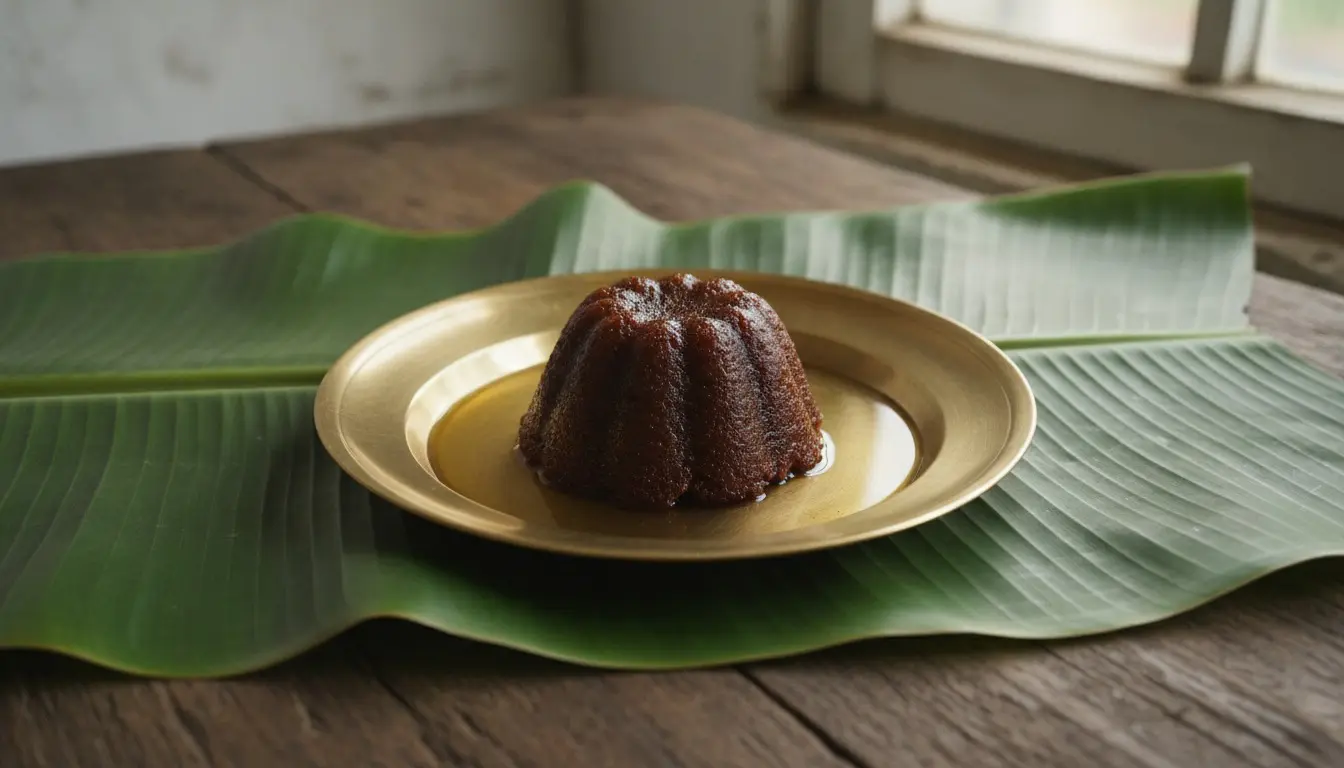
In Tamil households this porridge belongs squarely to Aadi, the monsoon month that runs from mid-July to mid-August. It is traditionally cooked for the women and girls of the house during that stretch, valued as a warming, strengthening food at a time when the weather turns damp and cold. Black urad dal has long been considered a bone and joint tonic in Tamil kitchen wisdom, which is why the same porridge shows up again for new mothers and for anyone recovering from illness. Some families make a sweet jaggery version instead, ground from roasted dal flour, but the garlic and coconut milk version here is the everyday one.
Ingredient Notes
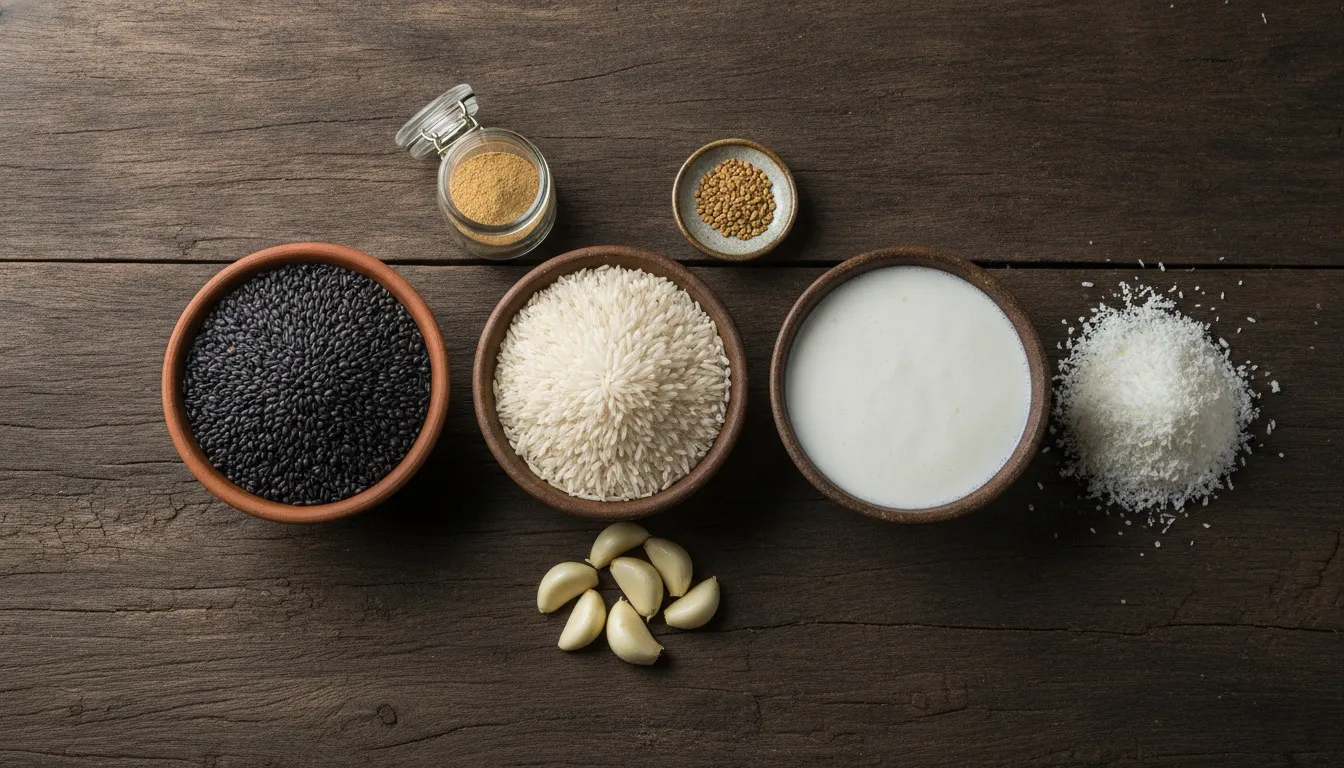
Whole black urad dal is the ingredient that matters most, and it is worth seeking out rather than swapping. The skin carries the colour, the fiber and much of the iron, and it gives the finished kanji a faint speckled texture that split white urad dal cannot replicate. Raw rice is standard, though parboiled rice works and cooks down even softer. The fenugreek seeds are there in a tiny quantity for their cooling quality and a whisper of bitterness, so resist adding more than a quarter teaspoon. Garlic is non-negotiable in the savory version: five cloves sounds like a lot but the pressure cooker turns them mellow and sweet. Fresh coconut milk squeezed at home is the best finish, but canned coconut milk thinned with water is an honest substitute.
Method And Tips
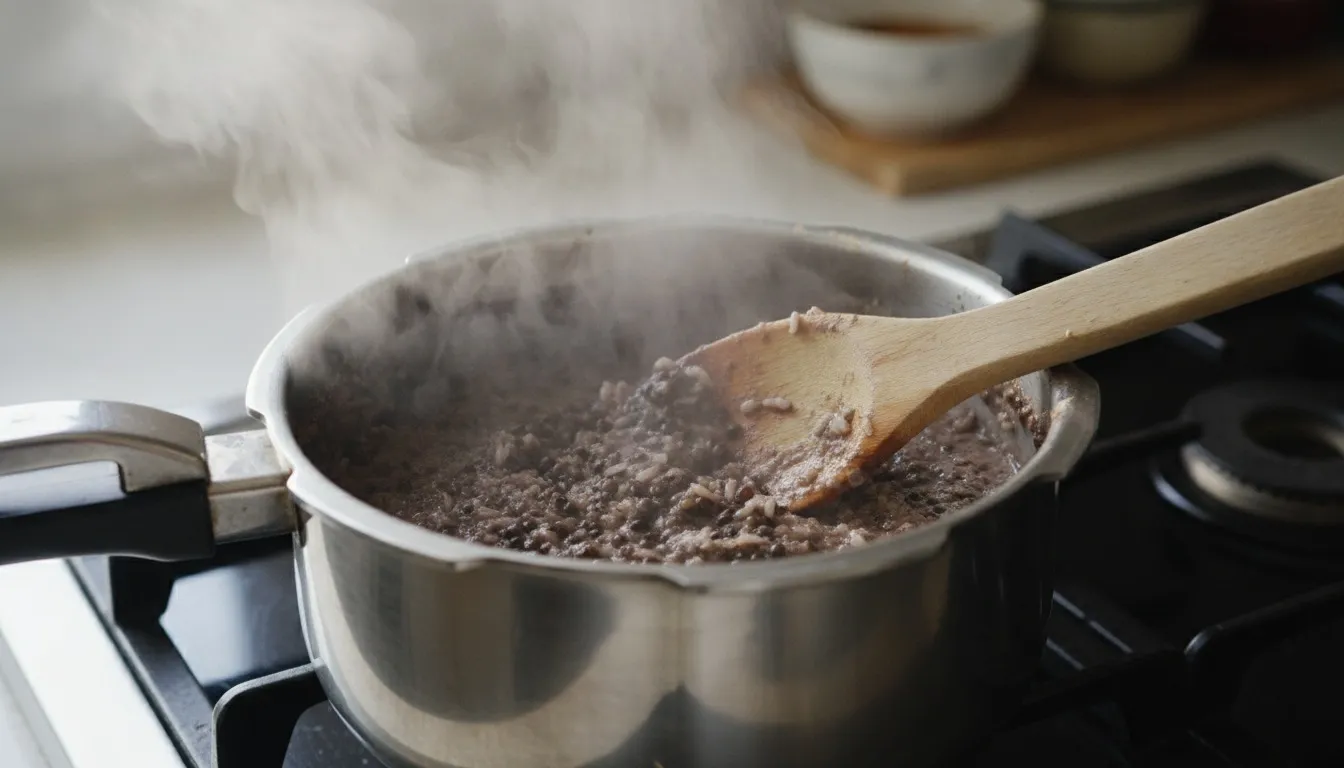
The technique hinges on two things: cooking the dal long enough and mashing it properly. Six whistles on medium to medium-low heat, followed by a full natural pressure release, is what breaks the dal down far enough to mash. If you rush the release or cook on high heat, you will end up with whole dal swimming in starchy water. Mash aggressively with the back of a ladle straight in the cooker; a few minutes of work here is the difference between porridge and soup. The one real trap is adding coconut milk too early or letting it boil hard, which makes it split and turns the surface grainy, so keep the heat low once it goes in. Finally, remember that kanji thickens as it cools, so make it looser than you think you want it.
Serving Suggestions
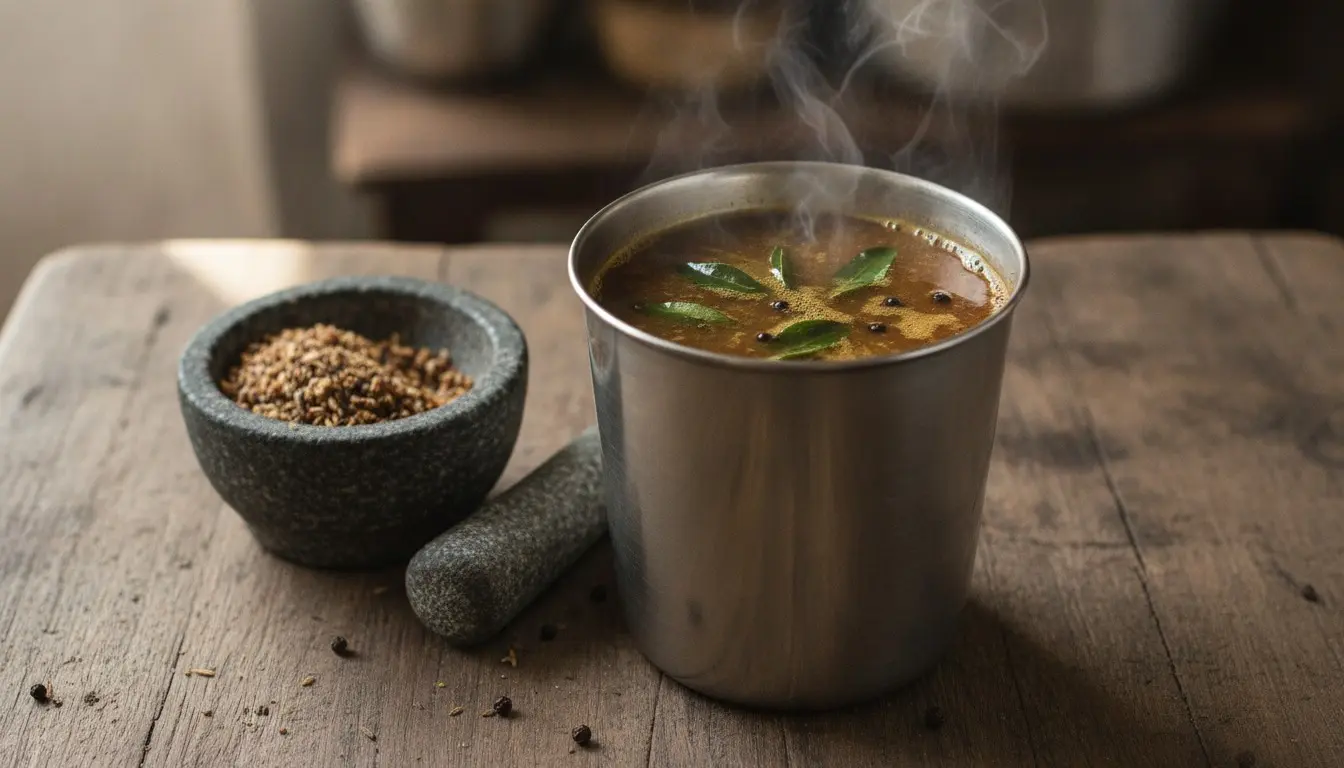
Serve ulundhu kanji warm, with a coconut or curry leaf thogayal on the side, a few raw small onions, or simply a spoonful of mango pickle for contrast against the mild porridge. Some people prefer it thin enough to drink straight from a steel tumbler, which is how it is often handed around during Aadi. Make a pot on a rainy morning and see why this one keeps coming back around.
Recipe
Ulundhu Kanji
A warm, savory South Indian porridge of whole black urad dal and rice, pressure cooked with garlic and fenugreek seeds, mashed smooth and finished with coconut milk and dry ginger. Traditionally made through the Tamil month of Aadi.
- Prep
- 10min
- Cook
- 25min
- Total
- 35min
- Servings
- 4servings
- Calories
- 215kcal
Ingredients
- For the kanji
- 1/3 cup whole black urad dal (with skin)
- 1/3 cup raw rice
- 5 cloves garlic cloves, peeled and lightly crushed
- 1/4 tsp fenugreek seeds
- 4 cups water
- 3/4 tsp salt
- To finish
- 1/2 cup coconut milk
- 1/2 tsp dry ginger powder (sukku)
- 2 tbsp grated fresh coconut, for garnish
- 1 tsp ghee, optional
Instructions
- 1 Rinse the whole black urad dal and the rice together in two or three changes of water until the water runs mostly clear, then drain.
- 2 Optional but worth doing: dry roast the drained urad dal in the pressure cooker over medium heat for about 1 minute, just until it smells nutty. Do not let it brown or it will resist mashing later.
- 3 Add the rinsed rice, crushed garlic cloves, fenugreek seeds, salt and 4 cups of water to the pressure cooker and stir once.
- 4 Close the cooker and cook on medium to medium-low heat for 6 whistles, roughly 15 to 18 minutes. Turn off the heat and let the pressure drop on its own, which takes another 10 minutes.
- 5 Open the cooker and mash the contents thoroughly with the back of a ladle or a wooden masher. The dal and rice should break down into a thick, mostly smooth porridge with a little texture left from the dal skins.
- 6 Set the cooker back on low heat, pour in the coconut milk and stir in the dry ginger powder. Warm it through for 2 to 3 minutes, stirring often so the bottom does not catch. Do not let it come to a rolling boil once the coconut milk is in.
- 7 Check the consistency. Ulundhu kanji thickens quickly as it sits, so loosen it with hot water a few tablespoons at a time until it pours slowly off the ladle. Taste and adjust the salt.
- 8 Serve warm in bowls or tumblers, topped with grated coconut and a small drizzle of ghee if using.
Notes
- Whole black urad dal with the skin on is what gives this kanji its colour, its body and most of its iron. Split white urad dal works if that is what is in the pantry, but the porridge will be paler and thinner.
- The kanji sets almost solid in the refrigerator. Reheat it with a generous splash of hot water or thin coconut milk and whisk until smooth again.
- For a thinner drinking kanji served in a tumbler, use 5 cups of water instead of 4 and skip the ghee.
- Fresh coconut milk squeezed from grated coconut tastes noticeably better here than canned, but canned coconut milk thinned with a little water is a fine shortcut.
- Millets such as kodo or little millet can stand in for the rice measure for measure, with one extra whistle in the cooker.