Authentic Ulundhu Kali Recipe (Tamil Urad Dal Halwa with Karupatti)
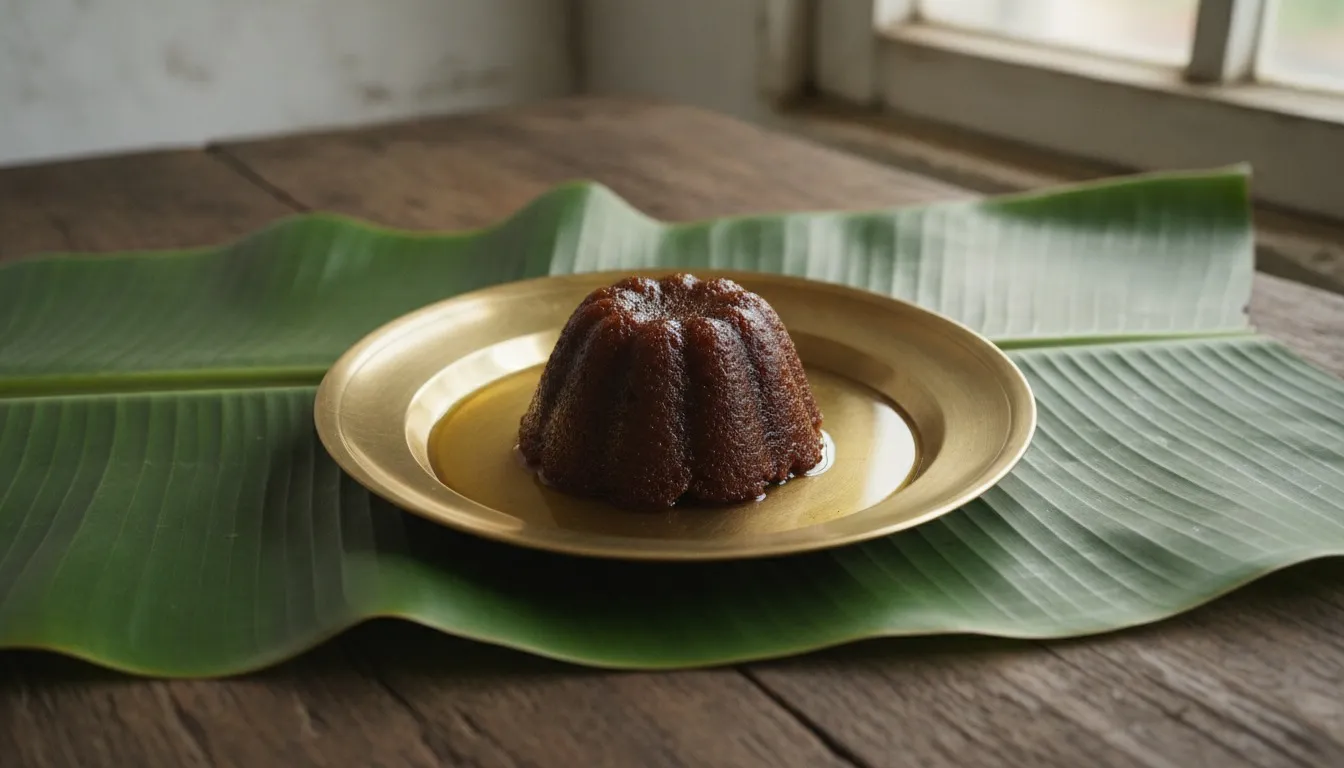
Ulundhu kali is one of those Tamil sweets that has quietly moved from the back of the family recipe notebook to the front of everyone’s feed. It is having a moment online as home cooks rediscover traditional foods that were built around nourishment rather than novelty, and this one fits perfectly: black urad dal, palm jaggery, and gingelly oil, cooked down into a dark, glossy halwa. Interest climbs every year when the Tamil month of Aadi comes around, since kali is a staple of Aadi kitchens and festival offerings. The appeal is real beyond the season, though. It uses four pantry ingredients, needs no oven or special equipment, and tastes earthy and warm in a way that most modern desserts do not.
About This Dish
Kali belongs to a family of thick, spoonable Tamil sweets that predate the refined-sugar mithai most people picture when they think of Indian desserts. It is closely associated with Tirunelveli and the southern districts, where karupatti (palm jaggery) has always been the everyday sweetener rather than cane sugar. Traditionally it is prepared for girls and women at specific points in life, since urad dal, sesame oil, and jaggery together are considered strengthening in Siddha and household medicine. Temples and homes also make it as a neivedhyam offering, particularly during Aadi. The dish has survived unchanged for generations precisely because it is cheap, filling, and built entirely from things a South Indian kitchen already keeps on hand.
Ingredient Notes
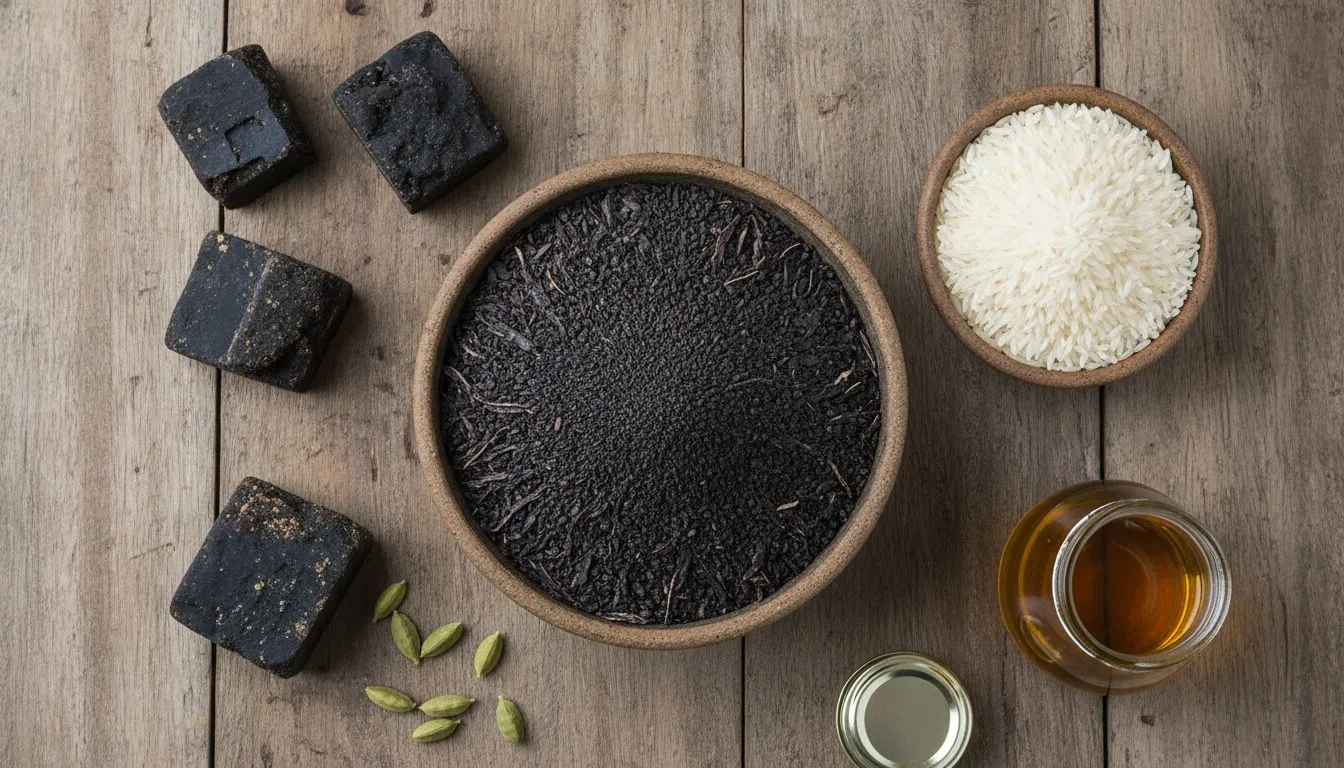
Whole black urad dal with the skin on is the ingredient that defines this sweet, giving the kali its deep color and slightly mineral, nutty flavor. White skinned urad dal can stand in, but the result is paler and noticeably milder, so seek out the black variety at an Indian grocery if possible. Palm jaggery, sold as karupatti in hard blocks, brings a smoky caramel note that cane jaggery cannot fully match, though ordinary jaggery is a reasonable substitute and no one will complain. The single tablespoon of raw rice is not filler: it gives the kali body and keeps it from turning rubbery. Gingelly oil, also sold as sesame oil or til oil, is non-negotiable here, since it is both the traditional fat and the reason the finished kali turns glossy instead of gluey. Use the unroasted Indian gingelly oil rather than dark toasted East Asian sesame oil, which is far too assertive.
Method And Tips
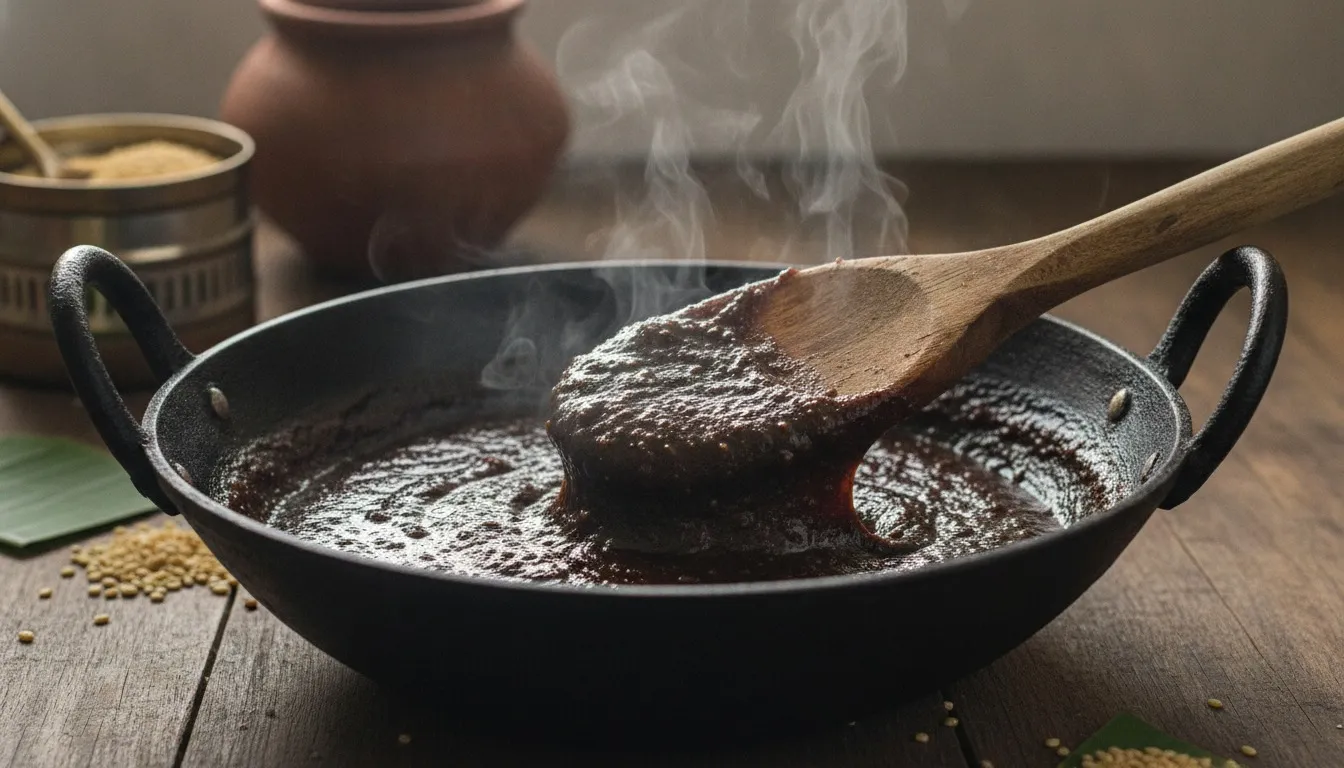
The technique that separates good kali from lumpy kali is simple: whisk the ground dal powder into the jaggery water while the pan is completely off the heat, and only start cooking once the mixture is perfectly smooth. Flour hitting hot liquid seizes instantly, and once lumps form, no amount of stirring will break them down. The second thing that matters is patience with the oil. Add it one tablespoon at a time and let each addition disappear into the kali before the next goes in, because dumping it all at once leaves the mixture greasy and separated. Roast the dal on low heat and stop when it smells nutty rather than waiting for dramatic color, since even slightly scorched dal will make the whole batch taste bitter. The kali is finished when it turns shiny, gathers into one mass, and does not stick to a water-dipped finger.
Serving Suggestions
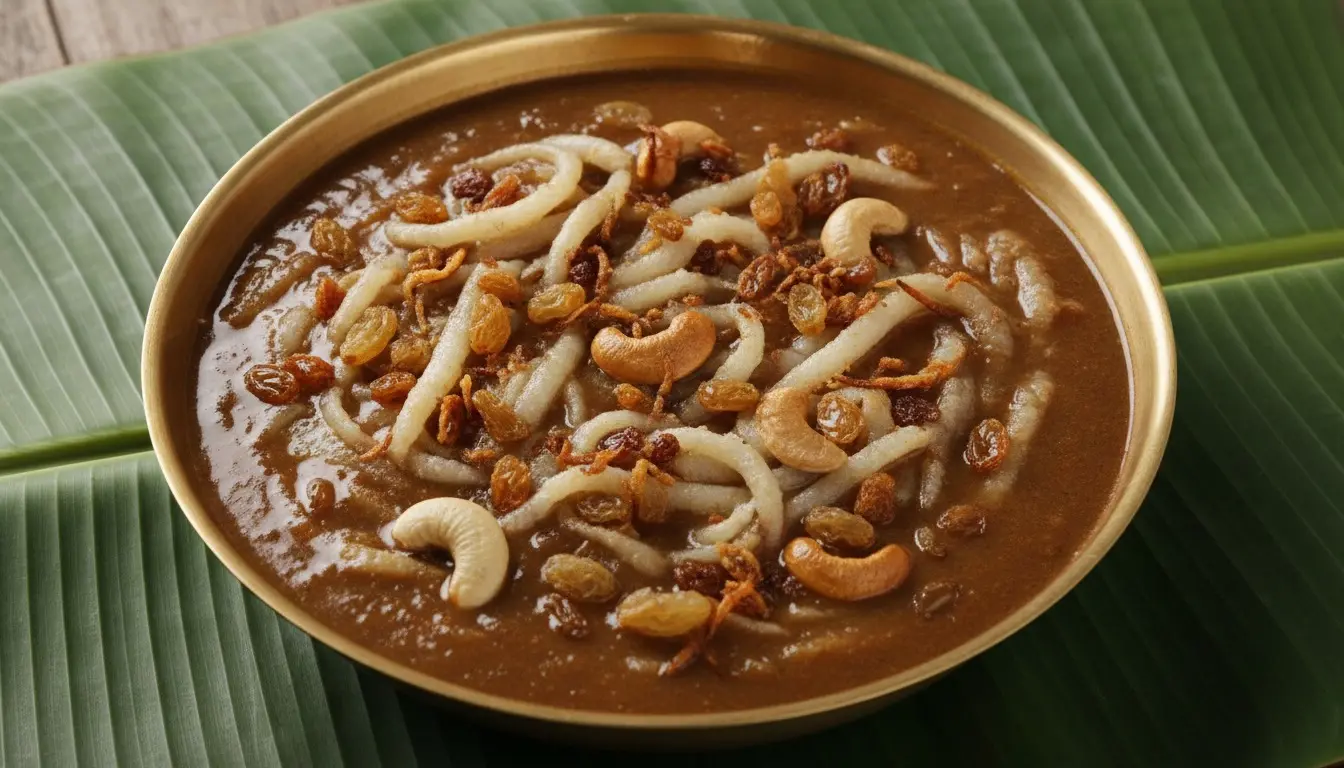
Serve ulundhu kali warm, either spooned into small bowls or rolled into flattened balls with a dimple of gingelly oil in the center, which is how it is traditionally offered. It pairs beautifully with a tumbler of hot filter coffee and works just as well as a mid-afternoon snack as it does a festival sweet. If Aadi is approaching, this is the dish worth adding to the spread. Make a small batch first, taste it warm straight from the pan, and see why it has stayed in Tamil kitchens for this long.
Recipe
Ulundhu Kali
A traditional Tamil sweet made by whisking roasted black urad dal flour into palm jaggery syrup and enriching it with gingelly oil until it turns glossy and pulls away from the pan. It is warm, earthy, and only lightly sweet.
- Prep
- 15min
- Cook
- 25min
- Total
- 40min
- Servings
- 4servings
- Calories
- 280kcal
Ingredients
- For the roasted flour
- 1/2 cup whole black urad dal with skin
- 1 tbsp raw rice
- 3 pods green cardamom pods
- For the kali
- 1/2 cup palm jaggery (karupatti), broken into small pieces
- 1/4 cup water, for melting the jaggery
- 1 cup water, for the batter
- 1 pinch salt
- 3 tbsp gingelly oil (sesame oil)
- 1 tsp gingelly oil, for drizzling
Instructions
- 1 Dry roast the urad dal in a heavy pan over low heat, stirring often, for 5 to 7 minutes, until it smells nutty and darkens by a shade. Keep the heat low so the dal never scorches, because burnt dal turns the finished kali bitter.
- 2 Add the raw rice to the same pan and roast for 2 more minutes, until the grains look opaque and slightly puffed. Transfer everything to a plate and let it cool completely, about 10 minutes.
- 3 Grind the cooled dal, rice, and cardamom pods together in a mixer to a fine powder. Sift the powder through a fine mesh strainer, return any coarse bits to the mixer, grind again, and sift once more. A fine powder is what keeps the kali smooth.
- 4 Combine the palm jaggery and 1/4 cup water in a small saucepan. Heat on medium, stirring, until the jaggery has fully melted, about 3 to 4 minutes. Do not boil it down.
- 5 Strain the melted jaggery through a fine mesh strainer into a heavy-bottomed pan or kadai to remove sand and grit. Add the pinch of salt and the remaining 1 cup water, then stir.
- 6 With the pan off the heat, add the sifted urad dal powder a little at a time, whisking constantly. Whisk until the mixture is completely smooth with no lumps. Mixing off the heat is the single most important step for a lump-free kali.
- 7 Set the pan over low heat and stir continuously with a whisk or a flat wooden spoon. The mixture will thicken into a loose paste in about 5 to 7 minutes.
- 8 Add the 3 tablespoons of gingelly oil one tablespoon at a time, stirring after each addition until the oil is absorbed before adding the next. The kali will look slick at first and then come back together.
- 9 Keep stirring on low heat for another 8 to 10 minutes, until the kali turns glossy, darkens, and pulls away from the sides of the pan as a single mass. To test it, dip a finger in water and press the kali. It should feel firm and not stick.
- 10 Turn off the heat. Serve warm, either spooned into a bowl or rolled into balls with lightly oiled hands, pressed flat, with a dimple in the center holding a little drizzle of gingelly oil.
Notes
- Whisk the flour into the jaggery water with the pan off the heat. Adding flour to hot liquid is what causes lumps, and lumps cannot be whisked out later.
- Palm jaggery (karupatti) gives the traditional dark color and smoky depth. Regular cane jaggery works and tastes fine, but the kali will be lighter in color and a little sweeter.
- Sweetness is a matter of taste. Anywhere from 1/3 cup to 1/2 cup jaggery works, so start at 1/3 cup if a less sweet version is preferred.
- Do not cut back on the gingelly oil. It is what makes the kali glossy and non-sticky rather than dense and gummy.
- Kali firms up considerably as it cools. Warm leftovers in a pan with a splash of water, or microwave for 20 seconds, before serving.
- White urad dal can be substituted if whole black urad dal is unavailable. The flavor is milder and the color much lighter.