Rose Water (Gulab Jal) Eye Compress for Tired, Screen-Strained Eyes
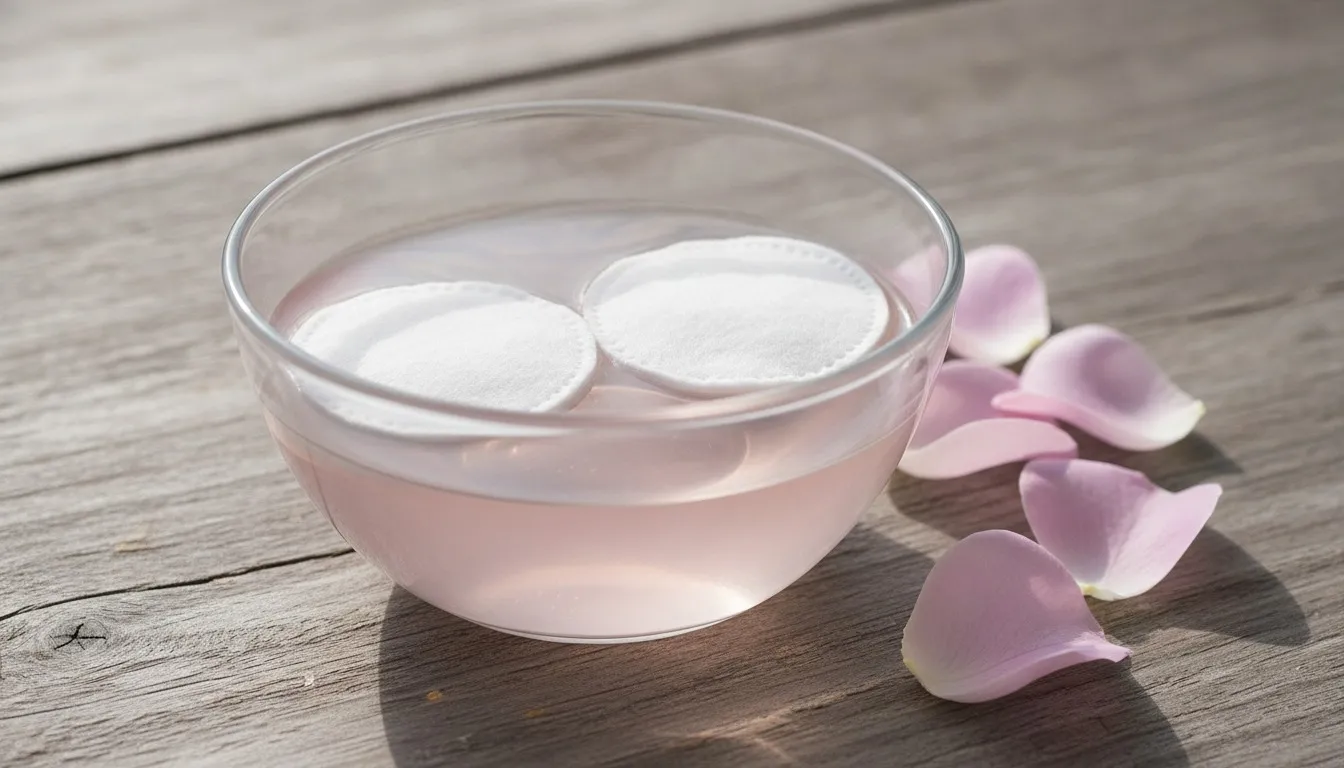
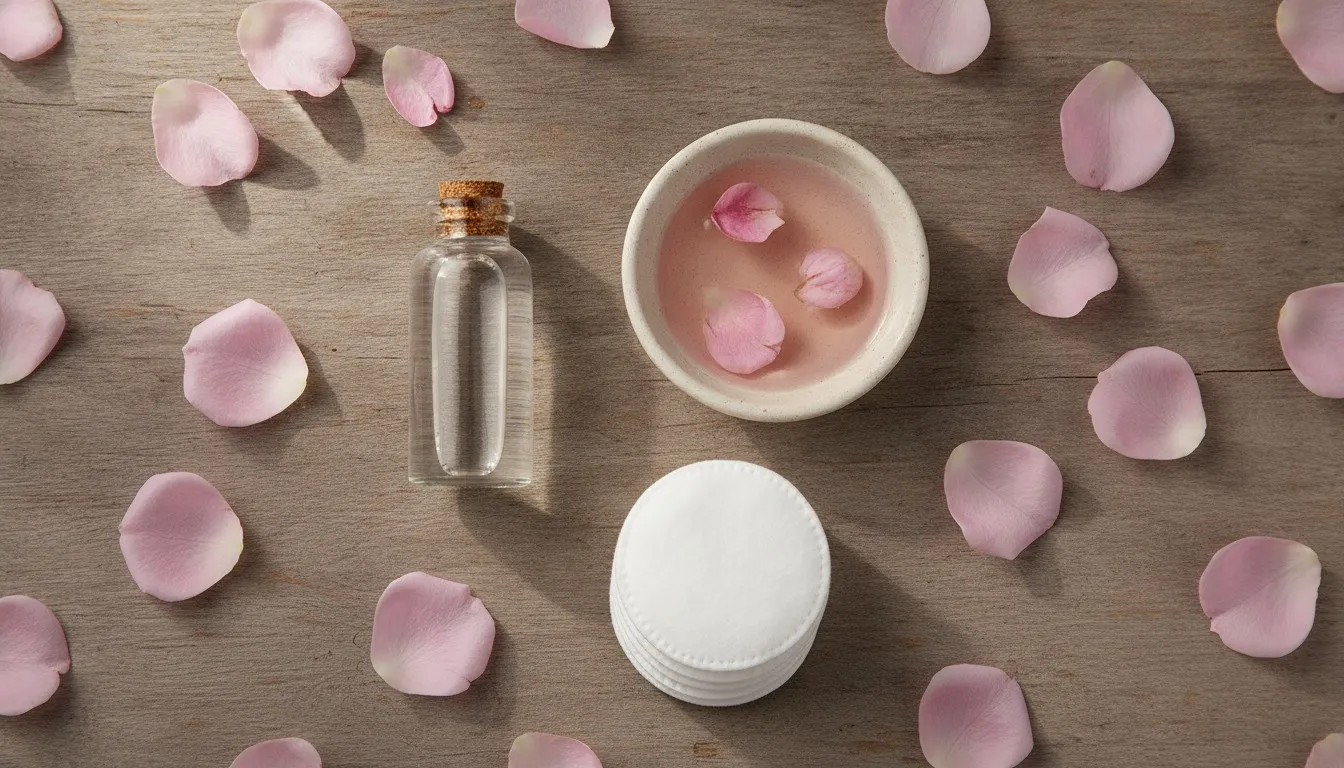
By the end of a long day at a laptop, the eyes often feel hot, dry, and heavy, as though sand has settled under the lids. The whites look pink, the lids feel puffy, and focusing on anything close takes more effort than it did in the morning. Anyone who works on a screen, drives at night, reads in poor light, or spends hours over fine handwork knows the feeling. Ayurveda has a quiet household answer for it that costs almost nothing: two cotton pads soaked in chilled rose water, laid over closed eyes for ten minutes. Gulab jal is already in most Indian kitchens, used in payasam, kheer, and sweets, which makes this one of the easiest traditional remedies to reach for.
The Ayurvedic Perspective
In Ayurveda the eyes are governed by alochaka pitta, the subtle fire that handles vision. Pitta is hot, sharp, and light by nature, and it rises with heat, bright light, and sustained close focus, which is exactly what a screen delivers hour after hour. The classic signs of aggravated pitta in the eyes are burning, redness, watering, and sensitivity to glare, all of which call for something cooling rather than something stimulating. Rose, known in the classical literature as Shatapatri or Taruni, is described in the Bhavaprakasha Nighantu as sheeta in potency and specifically pittahara and dahahara, meaning it settles heat and relieves burning sensation. Placing its cool distillate over the closed lids is the everyday household expression of that principle, and practitioner traditions such as Maharishi Ayurveda and Banyan Botanicals both teach this same ten-minute cotton wool practice for tired eyes. It pairs naturally with the older classical habits of palming the eyes with warm hands and looking away from close work at regular intervals.
What Modern Biology Says
Rose water is the steam distillate of Rosa damascena petals, and a 2014 analysis of market rose water in Pharmaceutical Biology found its aroma fraction is dominated by phenylethyl alcohol, with only small amounts of citronellol and geraniol. That same study is a useful argument for buying a trusted food-grade brand, since several samples turned out to be adulterated or to carry plasticiser leached from the bottle. The flavonoids rose usually gets credit for, quercetin, kaempferol, and gallic acid, do not travel well through distillation: they sit mainly in the petals and petal extracts, so rose water is best understood as a gentle aromatic water rather than a concentrated antioxidant. Pharmacological reviews of Rosa damascena do describe antioxidant and anti-inflammatory activity for this group of compounds, though that work is largely laboratory and animal based. On the human side, inhaled rose has the strongest record: a 2021 systematic review and meta-analysis in Phytotherapy Research pooled 32 randomized trials and found rose reduced anxiety, stress, and low mood, while rating the certainty of that evidence as very low to moderate. It is worth being straightforward about the eyes specifically: there are no clinical trials of plain rose water compresses for tired or screen-strained eyes. The closest thing is an open-label trial of a herbal eye drop containing Rosa damascena alongside seven other ingredients, which reported improvement in conjunctivitis and dry eye but had no placebo group, so it cannot tell us what rose itself contributed. What carries more weight is the cooling. In a small randomized masked trial in Ophthalmology, a five-minute cold compress helped redness, symptoms, and ocular surface temperature settle faster than no treatment in people with pollen-triggered eye allergy, although antihistamine drops did better than the compress on its own. That study was about allergy rather than screen fatigue, so read it as support for the mechanism, cooling narrows the small blood vessels of the lid, reduces swelling and redness, and dulls the nerve signalling behind burning and itch, rather than as proof for this exact use. In short: the phytochemistry is well characterised, cold is a sensible and low-risk thing to rest on a tired lid, and the case for rose water in particular is still traditional rather than clinical.
How And When To Use It
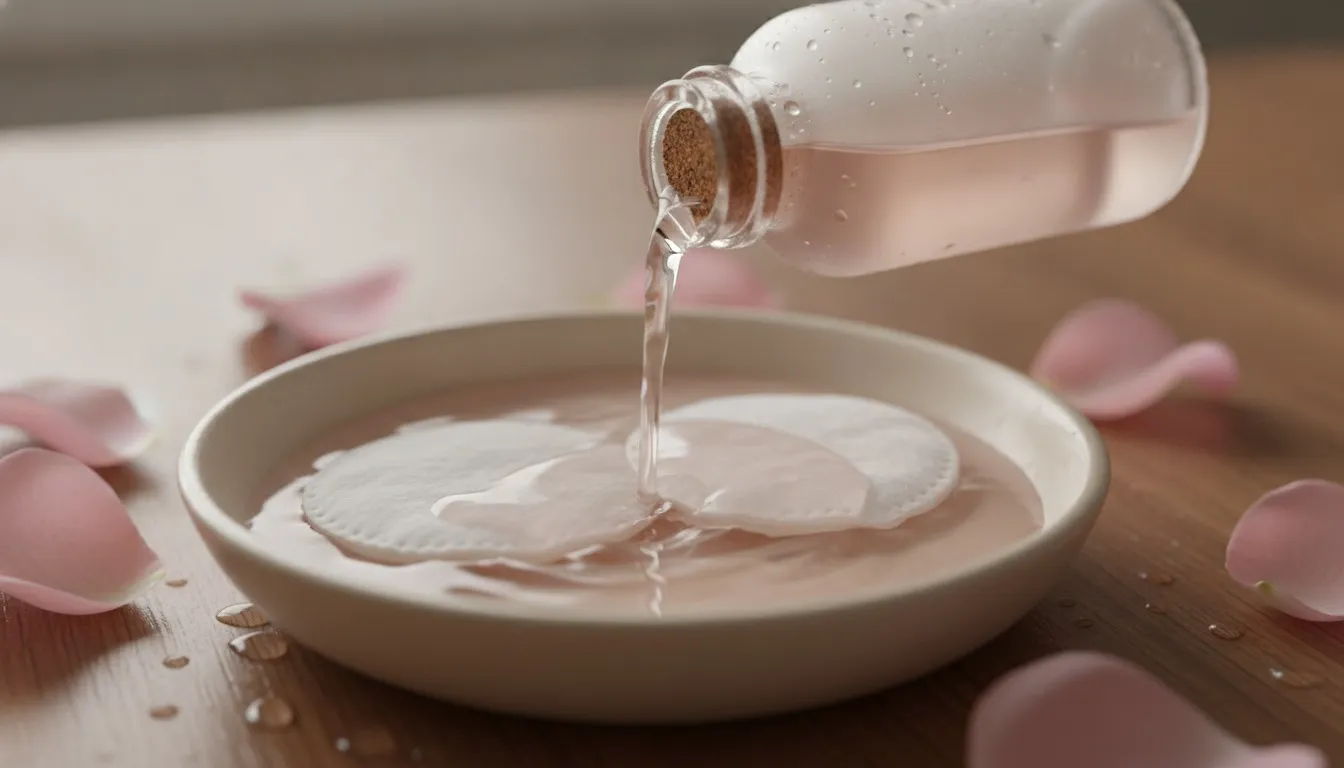
Reach for this at the end of a screen-heavy workday, after a long drive, or any time the eyes feel hot and gritty rather than simply sleepy. Keep the bottle of gulab jal in the refrigerator so it is cold when needed, soak two fresh cotton pads, squeeze them so they are damp rather than dripping, and rest with them on closed lids for a full ten minutes. Once or twice a day is plenty, and each session should use fresh pads and fresh rose water. Most people notice the heat and tightness easing within the ten minutes, with less puffiness by the following morning. It works best combined with the simple habit of looking twenty feet away for twenty seconds every twenty minutes of screen work.
Cautions And A Note On Medical Care
A few things matter for safety. Use only pure food-grade rose water with no alcohol, glycerine, or added fragrance, since cosmetic toners sting the delicate lid margin, and keep the compress on closed lids only rather than using kitchen rose water as eye drops, because it is not sterile. Take contact lenses out first, patch test on the forearm if your skin reacts easily, and skip the remedy entirely if there is eye pain, discharge, light sensitivity, a recent injury or eye surgery, or any change in vision, all of which need an eye doctor rather than a home remedy. Consult your doctor if symptoms persist beyond three days or worsen. This is traditional wisdom and not a substitute for medical care. If your eyes are simply tired from a long day of looking at screens, though, ten quiet minutes with rose water is a lovely place to start.
References
These are the peer-reviewed human studies and reviews behind the modern-evidence claims above. They open in a new tab.
- Moein, Zarshenas & Delnavaz, Pharmaceutical Biology, 2014. GC-MS of 10 market rose water samples: phenethyl alcohol, geraniol, and beta-citronellol were the main constituents, and several samples were adulterated or contained dibutyl phthalate leached from bottles, which is why a trusted food-grade source matters.
- Boskabady et al., Iranian Journal of Basic Medical Sciences, 2011. Comprehensive review describing antioxidant, anti-inflammatory, relaxant, and hypnotic activity for Rosa damascena, though most of the underlying work is laboratory and animal based rather than human.
- Rasooli et al., Phytotherapy Research, 2021. Pooled 32 randomized trials and found rose significantly reduced state anxiety, depression, and stress but not trait anxiety, with the authors rating the certainty of evidence as very low to moderate. This is inhaled or oral rose, not rose applied to the eyes.
- Biswas et al., Phytotherapy Research, 2001. Open-label multicentre trial of an eight-ingredient herbal eye drop that includes Rosa damascena; reported improvement in conjunctivitis and dry eye and good tolerability, but with no placebo group it cannot show what rose itself contributed.
- Bilkhu et al., Ophthalmology, 2014. Randomized masked trial in 18 grass-pollen-allergic subjects: cold compress and artificial tears each sped recovery of redness, symptoms, and ocular surface temperature versus no treatment, but antihistamine drops outperformed the compress used alone.
Recipe
Chilled Rose Water Eye Compress
Cotton pads soaked in chilled pure rose water and rested on closed eyelids for ten minutes, a cooling Ayurvedic remedy for eyes that feel hot, gritty, and tired after long screen sessions.
- Prep
- 2min
- Cook
- 10min
- Total
- 12min
- Servings
- 1applications
Ingredients
- 2 tbsp pure rose water (gulab jal), no alcohol or added fragrance, chilled
- 2 pads clean cotton pads or cotton wool rounds
Instructions
- 1 Keep the bottle of pure rose water in the refrigerator so it is always cool, or chill 2 tablespoons of it in a small clean bowl for about 20 minutes before you need it.
- 2 Wash your hands well, take out contact lenses if you wear them, and gently wipe away any eye makeup.
- 3 Pour the chilled rose water into a small clean bowl and drop in two cotton pads. Let them soak for a few seconds until fully wet.
- 4 Lift the pads out and squeeze them lightly so they are damp and cool but not dripping. Nothing should run down into the eye.
- 5 Lie back or recline comfortably, close your eyes, and lay one pad flat over each closed eyelid.
- 6 Rest for 10 minutes with your eyes closed and screens out of reach. Breathe slowly and let the coolness settle.
- 7 Remove the pads, throw them away, and pat the skin dry with a clean towel. There is no need to rinse.
- 8 Use it at the end of a long screen day or whenever the eyes feel hot and tired, up to twice a day. Always use fresh pads and fresh rose water each time.
Notes
- Use only pure food-grade rose water (gulab jal) with no alcohol, glycerine, fragrance, or preservatives. Cosmetic rose toners can sting and irritate the lid margin.
- This goes on closed eyelids only. Do not use household rose water as eye drops, since it is not sterile, and never let the soaked pad drip into an open eye.
- Take contact lenses out before the compress and wait about fifteen minutes after before putting them back in. Do a small patch test on the inner forearm first if your skin reacts easily.
- Skip this and see an eye doctor promptly for eye pain, discharge, sensitivity to light, a recent eye injury or surgery, a suspected infection, or any change in vision. Use fresh cotton pads every time and never share them.
- Consult your doctor if symptoms persist beyond 3 days or worsen. This is traditional wisdom and not a substitute for medical care.