Green Cardamom (Elaichi) Tea for Mild Nausea and After-Meal Queasiness
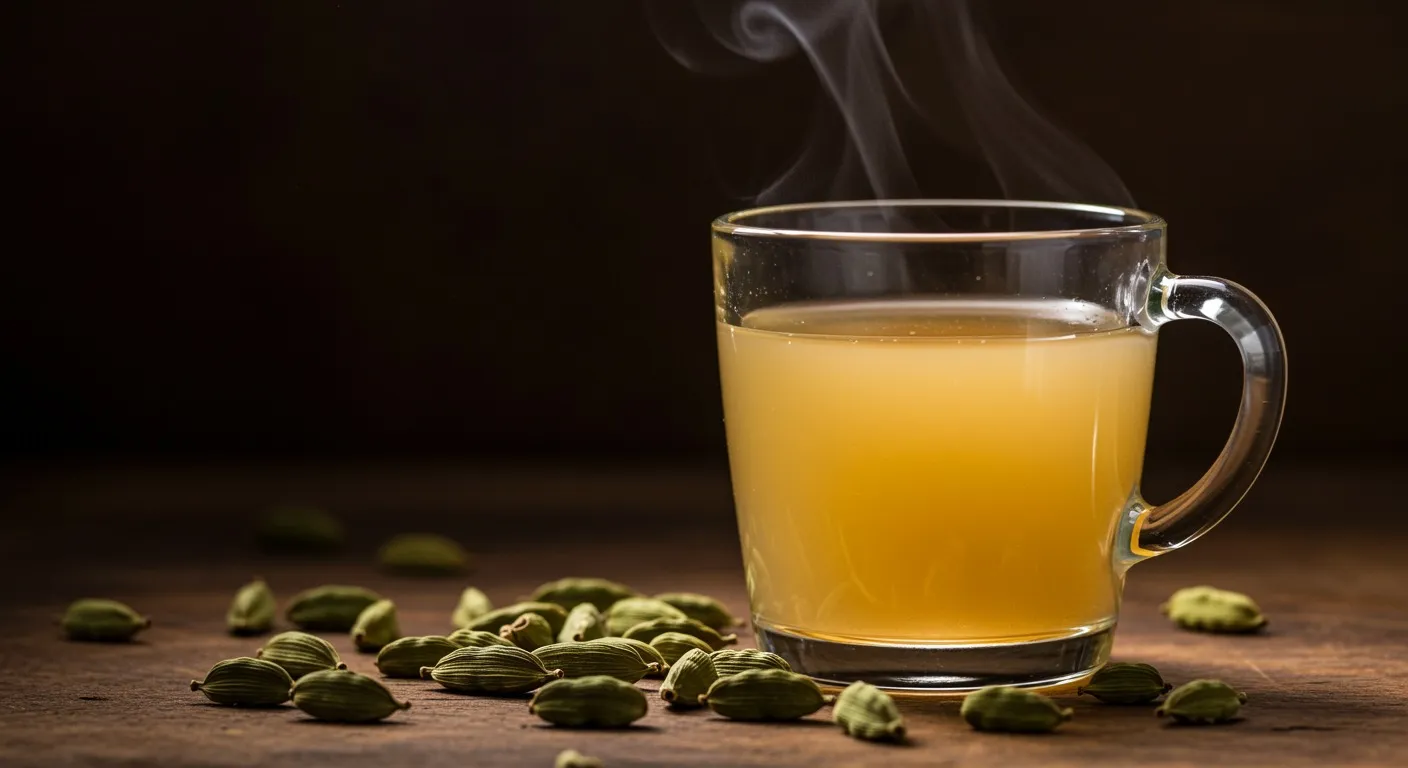
Mild nausea or queasiness after a heavy meal, or during a long car ride, is a common everyday issue. Most of the time it does not call for medication, just something gentle and familiar to settle the stomach back into rhythm. Green cardamom, the small pale-green pods (elaichi) sitting in nearly every Indian kitchen, has been used for exactly this purpose for centuries. A short, simple infusion of crushed cardamom in hot water can offer quiet, reliable relief.
The Ayurvedic Perspective
In Ayurveda, mild nausea is often read as udana vayu moving in the wrong direction or as excess kapha sitting heavily in the stomach. Cardamom, known in classical texts as ela, is described in the Charaka Samhita and Bhavaprakasha as chardighna, meaning anti-emetic, and deepana, meaning kindler of digestive fire. Its sweet-pungent rasa and warming virya are said to gently coax stalled digestion back into motion. Traditional households across India have long offered crushed cardamom pods in warm water, sometimes with a touch of ginger, after rich meals or to passengers prone to motion sickness. The remedy is so woven into daily life that whole pods on the dining table, to be chewed slowly after a meal, are a household sight in many parts of the country.
What Modern Biology Says
Green cardamom’s essential oil is dominated by alpha-terpinyl acetate and 1,8-cineole (eucalyptol), with smaller amounts of linalool, linalyl acetate, and limonene. 1,8-cineole has documented antispasmodic effects on gastrointestinal smooth muscle in laboratory studies, easing the kind of cramping that often accompanies queasiness, while the aroma itself appears to calm the nausea pathway through olfactory and limbic input. A 2015 randomized trial in the Complementary Medicine Journal, by Ozgholy and colleagues in 120 pregnant women with mild to moderate nausea, found that 500 mg cardamom powder capsules three times daily significantly reduced the frequency and duration of nausea compared with placebo. Pharmacological reviews also note long traditional use for dyspepsia and indigestion. The human evidence is still limited and best described as preliminary, but the modern biology lines up reasonably well with what classical Ayurveda has said for generations.
How And When To Use It
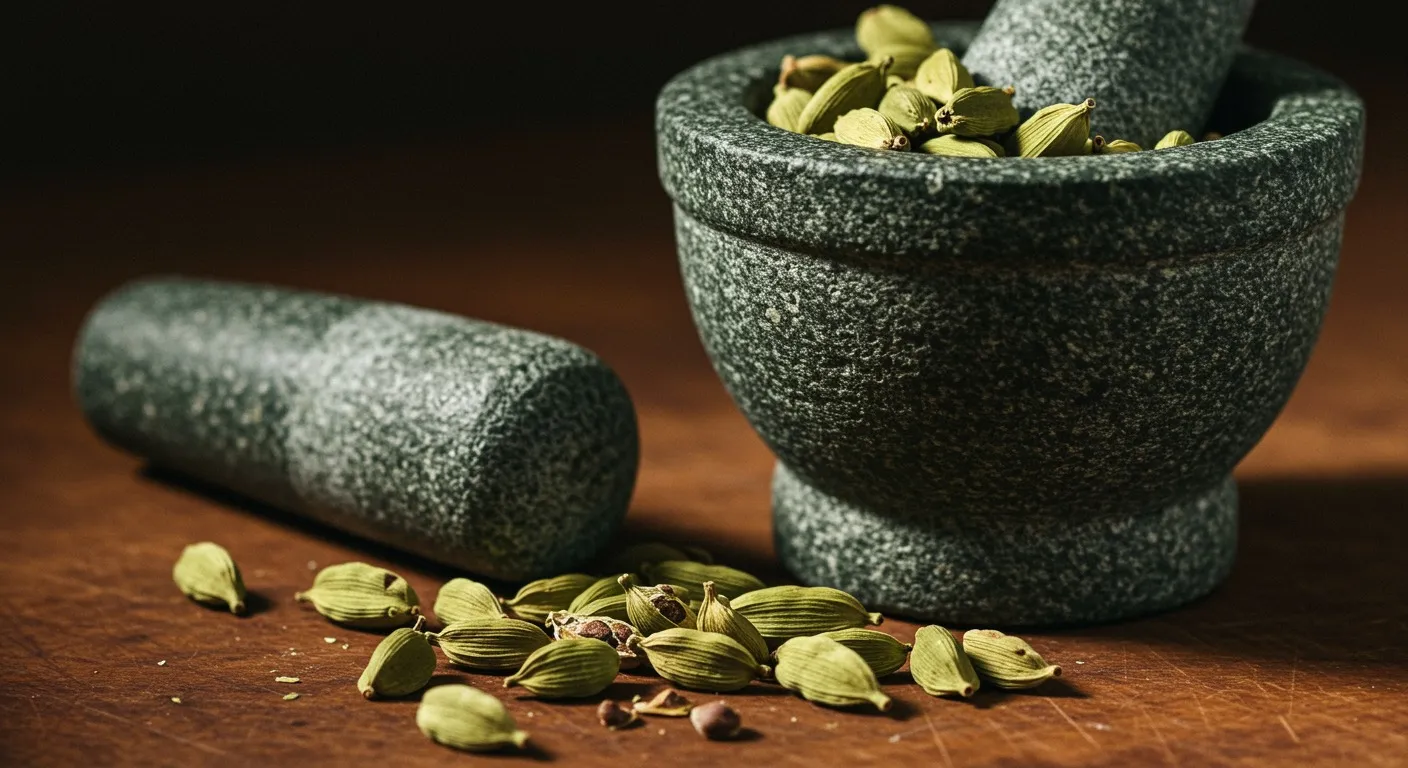
Reach for a cup at the first sign of mild queasiness, before a long car or boat ride, or after a heavy, oily meal that is sitting poorly. Crush 4 or 5 green pods, simmer in 1.5 cups of water for 5 minutes, strain, and sip slowly while still warm. One cup is usually enough, and you can repeat once more after a few hours if needed. Many households also keep a small jar of cardamom pods on the dining table to chew slowly after meals, releasing the same volatile oils directly. Expect a soft easing within 15 to 30 minutes, not an instant switch-off.
Cautions And A Note On Medical Care
Skip this remedy if you have a known cardamom allergy or active gallstones, and check with your doctor before regular use if you take antiplatelet or blood-thinning medication, since cardamom essential oils may mildly affect platelet function. Pregnant readers should stick to the small culinary amounts that already appear in cooking, not concentrated daily teas. If nausea persists beyond two days, is severe, follows a head injury, or is accompanied by fever or vomiting that prevents you from keeping fluids down, it is time for a medical visit. This is traditional wisdom and not a substitute for medical care. With those notes in mind, a quiet cup of warm cardamom water is a gentle, deeply familiar way to coax an unsettled stomach back to ease.
Recipe
Green Cardamom Tea for Nausea
A simple infusion of crushed green cardamom pods, gently simmered in water with optional fresh ginger, used in Ayurveda to ease mild nausea and after-meal queasiness.
- Prep
- 2min
- Cook
- 5min
- Total
- 7min
- Servings
- 1doses
Ingredients
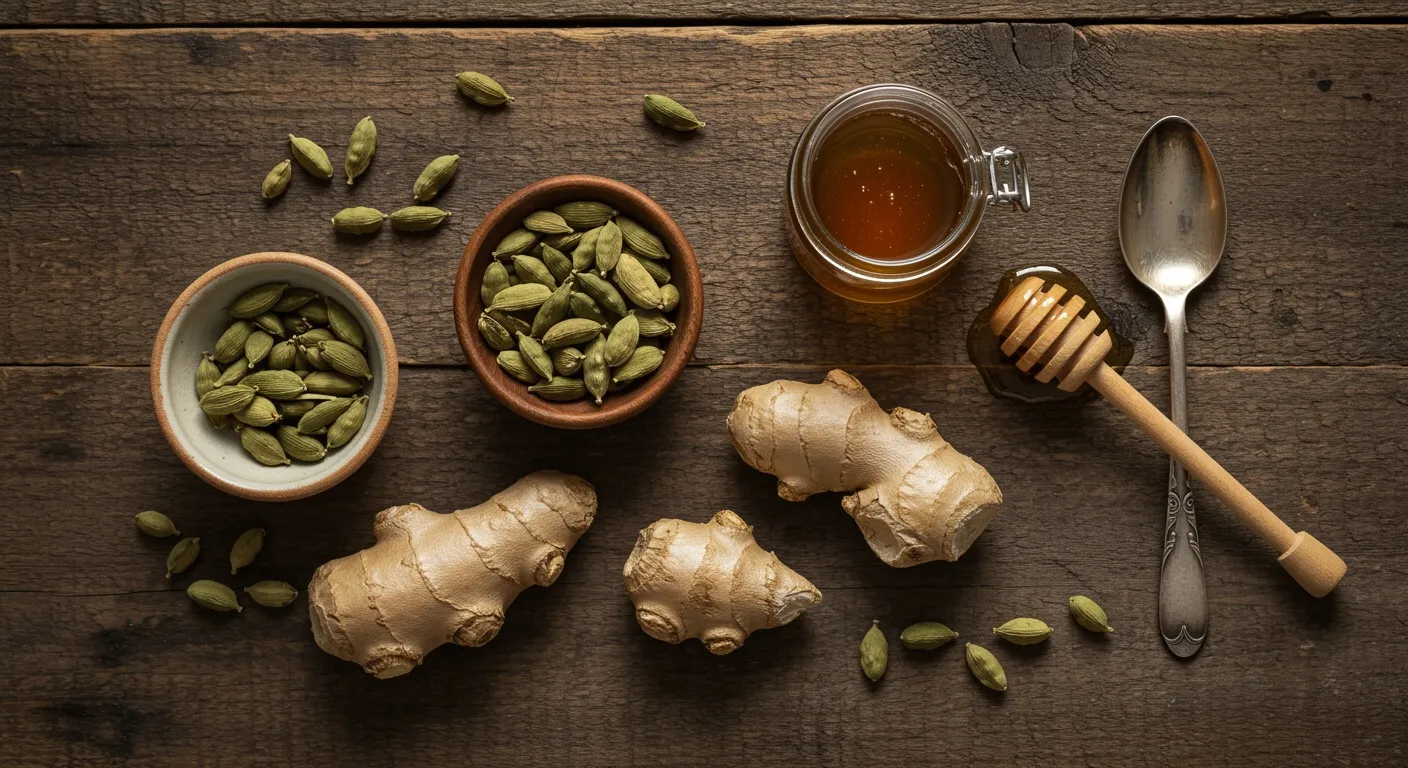
- 5 pods green cardamom pods, lightly crushed
- 1.5 cups water
- 1/4 tsp fresh ginger, grated (optional)
- 1 tsp honey, optional, to taste
Instructions
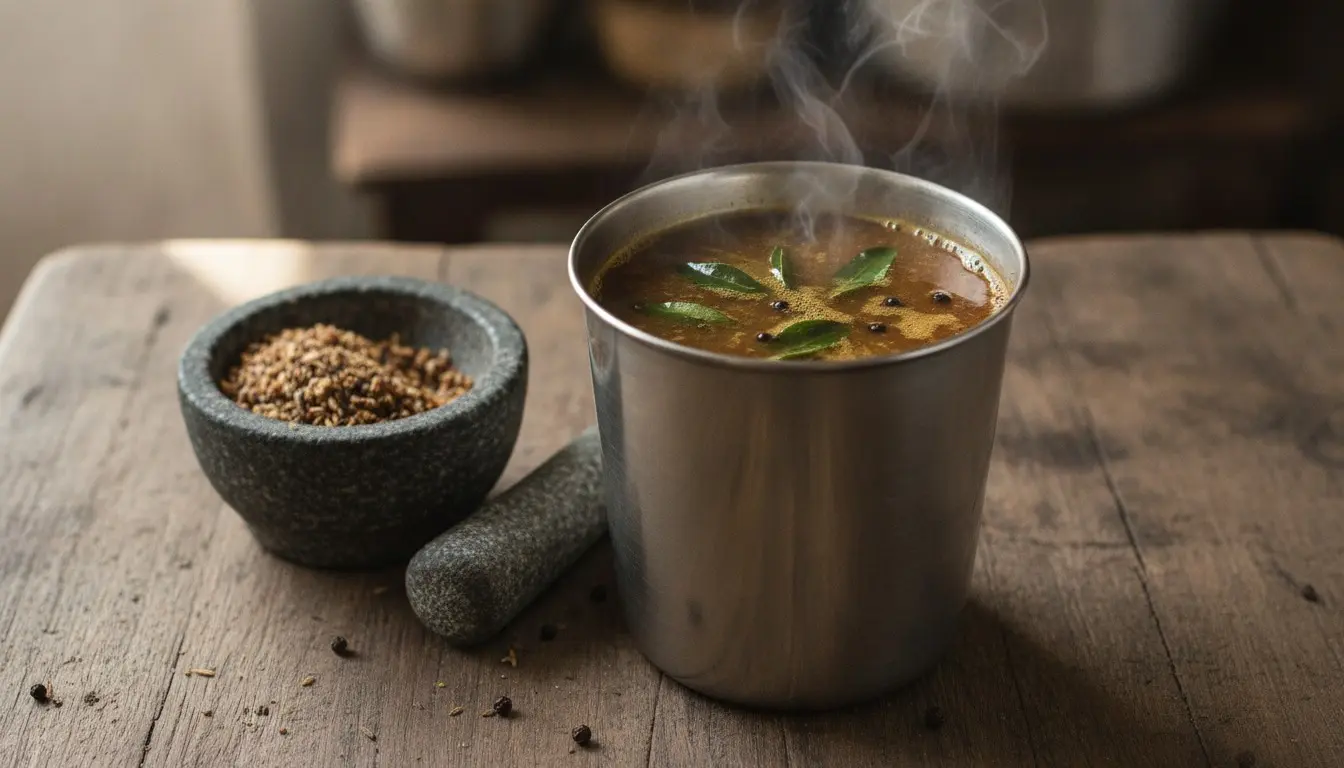
- 1 Lightly crush 5 green cardamom pods with the flat side of a knife or in a small mortar so the seeds inside are exposed and the aroma is released.
- 2 Bring 1.5 cups of water to a gentle boil in a small saucepan.
- 3 Add the crushed cardamom pods, and the grated ginger if using, then lower the heat and simmer for 5 minutes.
- 4 Turn off the heat, cover the pan, and let the tea rest for 2 minutes so the volatile oils settle into the water.
- 5 Strain into a cup, stir in honey if using, and sip slowly while still warm at the first sign of nausea, before a long car ride, or right after a heavy, oily meal.
Notes
- Avoid this remedy if you have a known cardamom allergy or active gallstones, as cardamom can be mildly choleretic.
- Check with your doctor before regular use if you take antiplatelet or blood-thinning medication, since cardamom essential oils may mildly affect platelet function.
- Use only the small culinary amounts that already appear in cooking during pregnancy, not concentrated daily teas.
- Consult your doctor if nausea persists beyond two days, is severe, follows a head injury, or is accompanied by fever or vomiting that prevents you from keeping fluids down.
- This is traditional wisdom and not a substitute for medical care.