Authentic Kerala Ragi Puttu Recipe
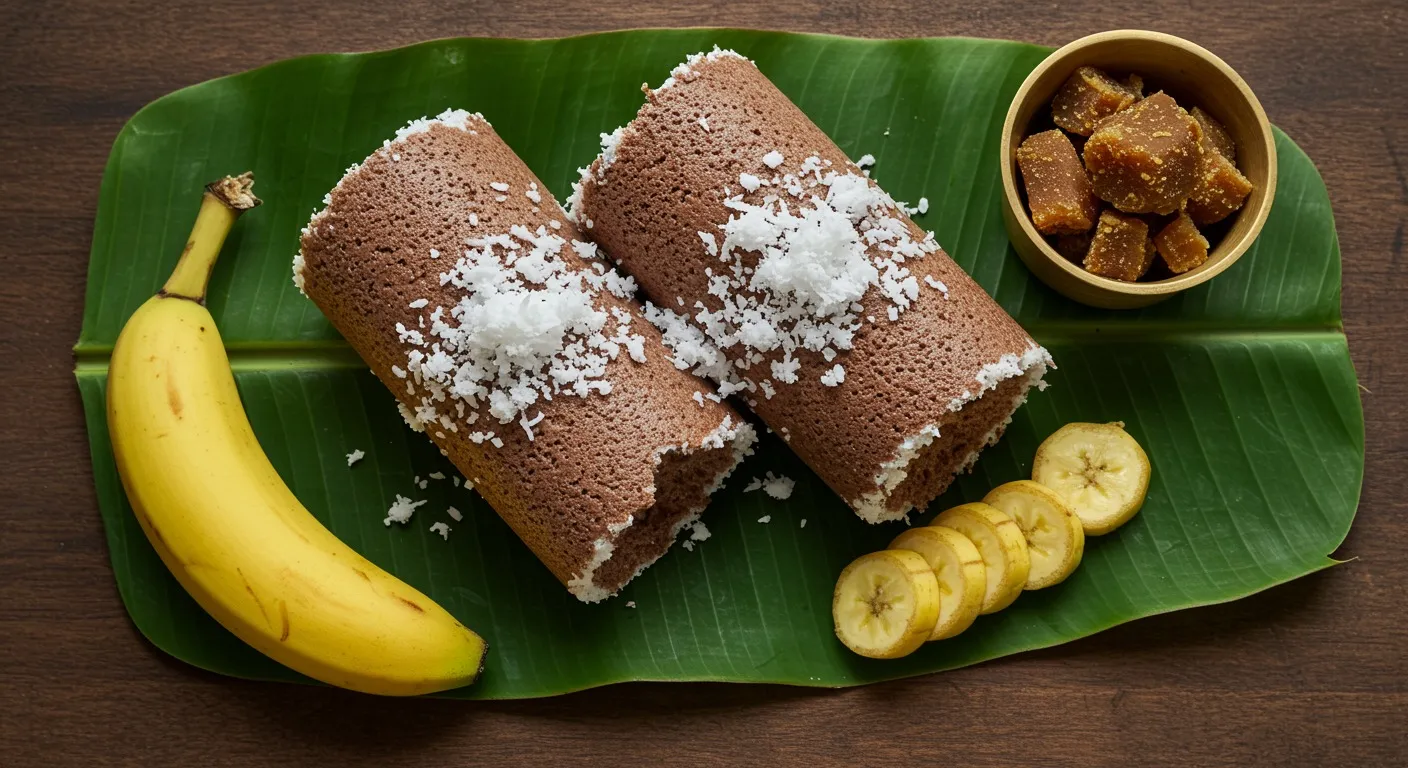
Ragi puttu has been having a moment online, with food creators across Instagram and Pinterest leaning into millet-based breakfasts as a calcium-rich, diabetes-friendly alternative to rice and wheat. This Kerala classic, soft cylinders of steamed finger millet layered with fresh coconut, has quietly become one of the most-shared traditional breakfasts in the South Indian recipe world. It is naturally gluten-free, sweetened with jaggery, and ready in about half an hour. The result is the kind of breakfast that fills you up without weighing you down, deeply nourishing and gently sweet.
About This Dish
Puttu is a traditional Kerala breakfast that has been steamed in cylindrical bamboo or metal molds for generations. The classic version uses rice flour, but ragi (finger millet, also called kelvaragu in Tamil and kezhvaragu in Malayalam) brings a deeper, nuttier flavor and a serious nutrition upgrade. Finger millet has been cultivated across the Western Ghats for over four thousand years and is one of the oldest cereals on the Indian subcontinent. In rural Karnataka and Kerala, ragi has long been considered a staple grain that builds strength, especially for growing children and nursing mothers. Today, with the renewed interest in ancient grains, ragi puttu sits comfortably at the crossroads of tradition and the modern wellness kitchen.
Ingredient Notes
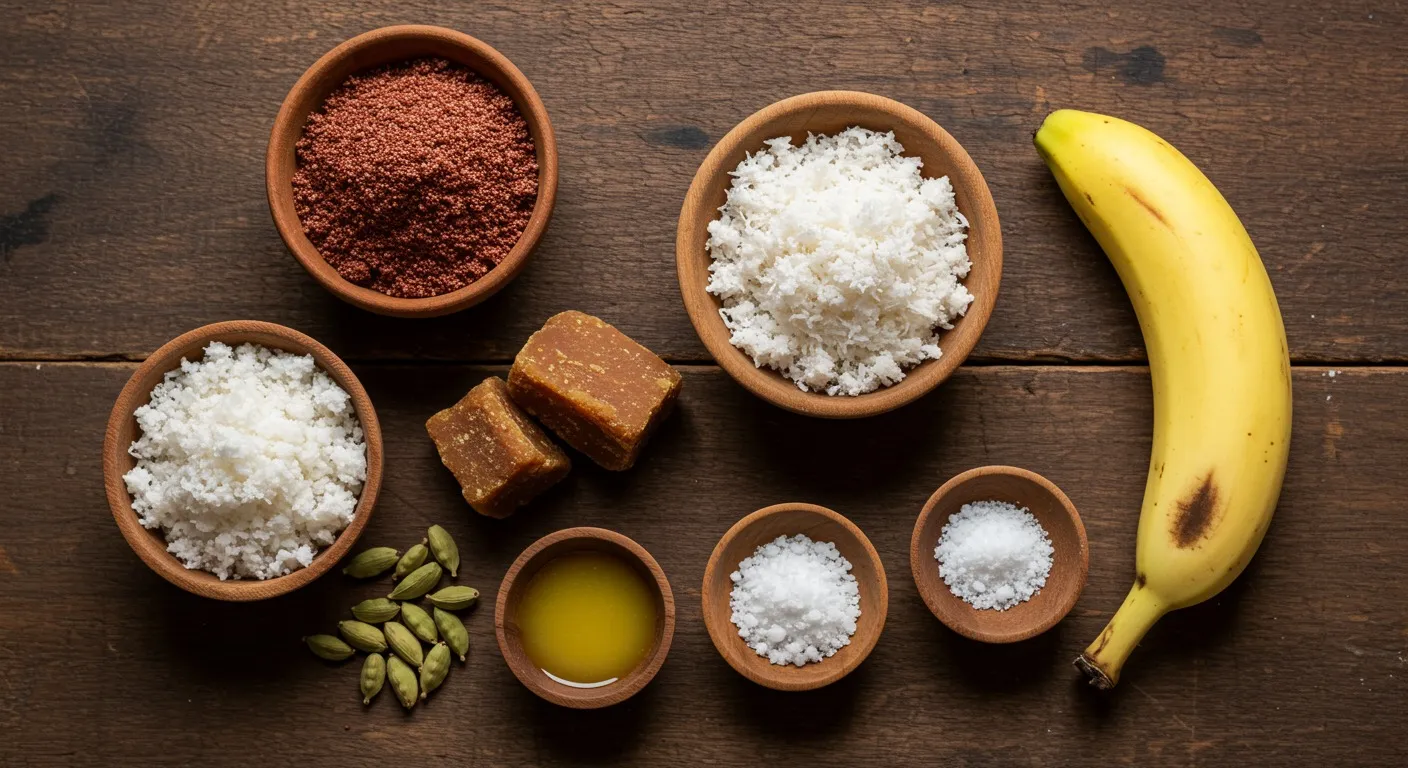
The ingredient list is short and pantry-friendly. Ragi flour is the star, and store-bought finger millet flour from any Indian grocery works beautifully; if you can find it freshly stone-ground, even better. Fresh grated coconut is non-negotiable for the layering, since it lifts the earthy notes of the millet and gives the puttu its signature texture. Jaggery is the traditional sweetener and adds a faint molasses note that pairs perfectly with cardamom and ghee, though a good unrefined cane sugar will work in a pinch. Ripe yellow bananas, the small Kerala nendran or any thin-skinned variety, are the standard companion at the table. A drizzle of warm ghee at the end is what pulls everything together.
Method And Tips
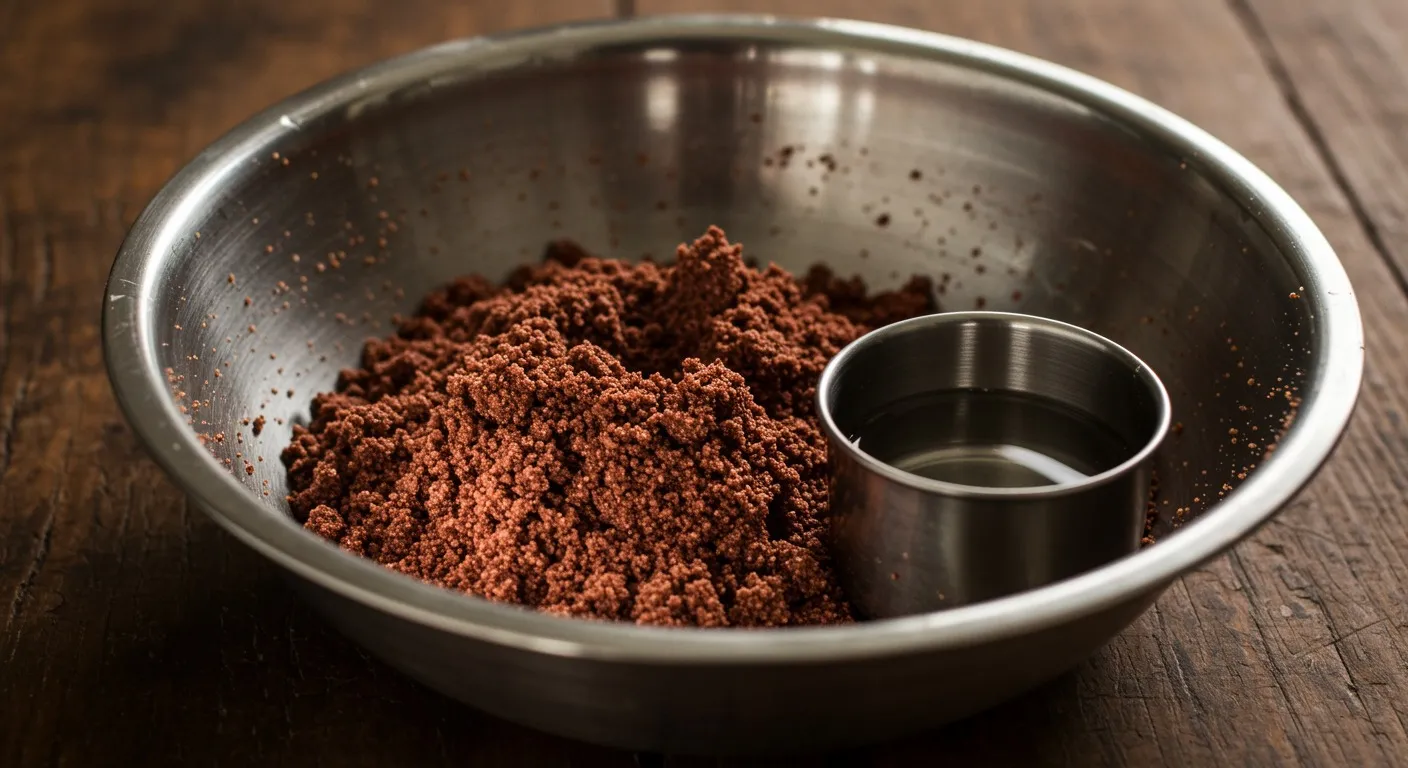
The single most important step is moistening the flour. The texture you are after is damp breadcrumbs, the kind that holds its shape when pressed into a ball but crumbles cleanly when poked. If the mixture is too wet, the puttu will turn rubbery and dense; too dry, and it crumbles apart on the plate. Always sprinkle the water in batches and rub it through with your fingertips, breaking up lumps as you go, then let the flour rest for a few minutes so the moisture distributes evenly. Steam on medium heat, never high, and resist the urge to pack the cylinder, since the layers should sit loose for the steam to weave through. Roasting the flour first, even briefly, makes a real difference to the final flavor.
Serving Suggestions
Ragi puttu is best eaten right out of the steamer, broken open with a spoon and topped with a small mountain of fresh coconut, a spoonful of jaggery, and slices of ripe banana on the side. For a savory turn, skip the jaggery and pair it with kadala curry, the Kerala black chickpea stew that turns puttu into a complete breakfast. Try it once and it may quietly become your new weekend morning ritual.
Recipe
Kerala Ragi Puttu
Soft, fluffy steamed cylinders of finger millet flour layered with fresh grated coconut. A traditional Kerala breakfast that comes together in about 30 minutes and pairs beautifully with ripe banana and jaggery, or with kadala curry for a savory meal.
- Prep
- 10min
- Cook
- 15min
- Total
- 25min
- Servings
- 2servings
- Calories
- 240kcal
Ingredients
- For the puttu
- 1 cup ragi flour (finger millet flour)
- 1/4 tsp salt
- 1/3 cup lukewarm water (added gradually, as needed)
- 1/4 cup fresh grated coconut
- For serving
- 1/4 cup fresh grated coconut
- 3 tbsp jaggery, grated or powdered
- 1/4 tsp cardamom powder
- 2 tsp ghee, melted
- 1 ripe banana, sliced
Instructions
- 1 Heat a heavy pan on medium and dry roast 1 cup ragi flour, stirring continuously, for 3 to 4 minutes until faint steam rises and the flour smells nutty. Transfer to a wide plate and let it cool completely.
- 2 Place the cooled ragi flour in a wide bowl and stir in the salt. Sprinkle 1 to 2 tablespoons of lukewarm water at a time over the flour and rub it through with your fingertips, breaking up any lumps as you go.
- 3 Continue adding water gradually until the mixture reaches a damp breadcrumb consistency. The test: when you press a small handful into a ball, it should hold its shape briefly, then crumble apart easily when poked. If the mix feels too wet, add a small spoon of dry flour and rework it.
- 4 Cover the bowl and let the moistened flour rest for 5 minutes so the water can absorb evenly throughout.
- 5 While the flour rests, set up the steamer. Fill the base of a puttu maker (or an idli pot) with water and bring it to a boil over medium heat. If using a puttu maker cylinder, slide the perforated disc into place at the bottom.
- 6 Layer the puttu cylinder loosely. Drop in 1 to 2 tablespoons of grated coconut at the base, then loosely spoon in a layer of the moistened ragi flour. Top with another tablespoon of coconut, then another layer of flour. Finish with a final spoon of coconut on top. Do not press or pack the layers, the flour should sit loose so steam can pass through.
- 7 If you do not have a puttu maker, transfer the loose flour and coconut layers to a greased steel idli plate or a small heat-safe steel bowl, layered the same way. Cover loosely with a damp cloth or a perforated lid to retain moisture.
- 8 Steam on medium heat for 10 to 12 minutes, until the puttu firms up and you can smell the cooked ragi. Avoid steaming for longer, as overcooking turns the puttu hard.
- 9 Slide the puttu out of the cylinder onto a plate, or unmold it from the bowl in one piece. Drizzle with the melted ghee and break it open gently with a spoon.
- 10 Serve warm, topped with the remaining grated coconut, a generous spoonful of jaggery, a pinch of cardamom powder, and slices of ripe banana on the side.
Notes
- The water test is everything. Too much water makes the puttu rubbery and dense; too little and it crumbles into dust. Always sprinkle the water in small amounts and rub it through with your fingers.
- For a savory pairing, skip the jaggery and serve the puttu with kadala curry (Kerala black chickpea curry) or a coconut-based vegetable kurma.
- If you do not own a puttu maker, a steel idli plate or a greased steel tumbler with a few small holes punched in foil over the top works well as a substitute.
- Store-bought ragi flour from any Indian grocery works perfectly. If you grind your own from whole finger millet, sift it once before measuring.
- Leftover puttu can be refrigerated for a day and revived by sprinkling a little water on top and steaming for 3 to 4 minutes.