Clove (Laung) Decoction Mouth Rinse for Mouth Ulcers and Mild Toothache
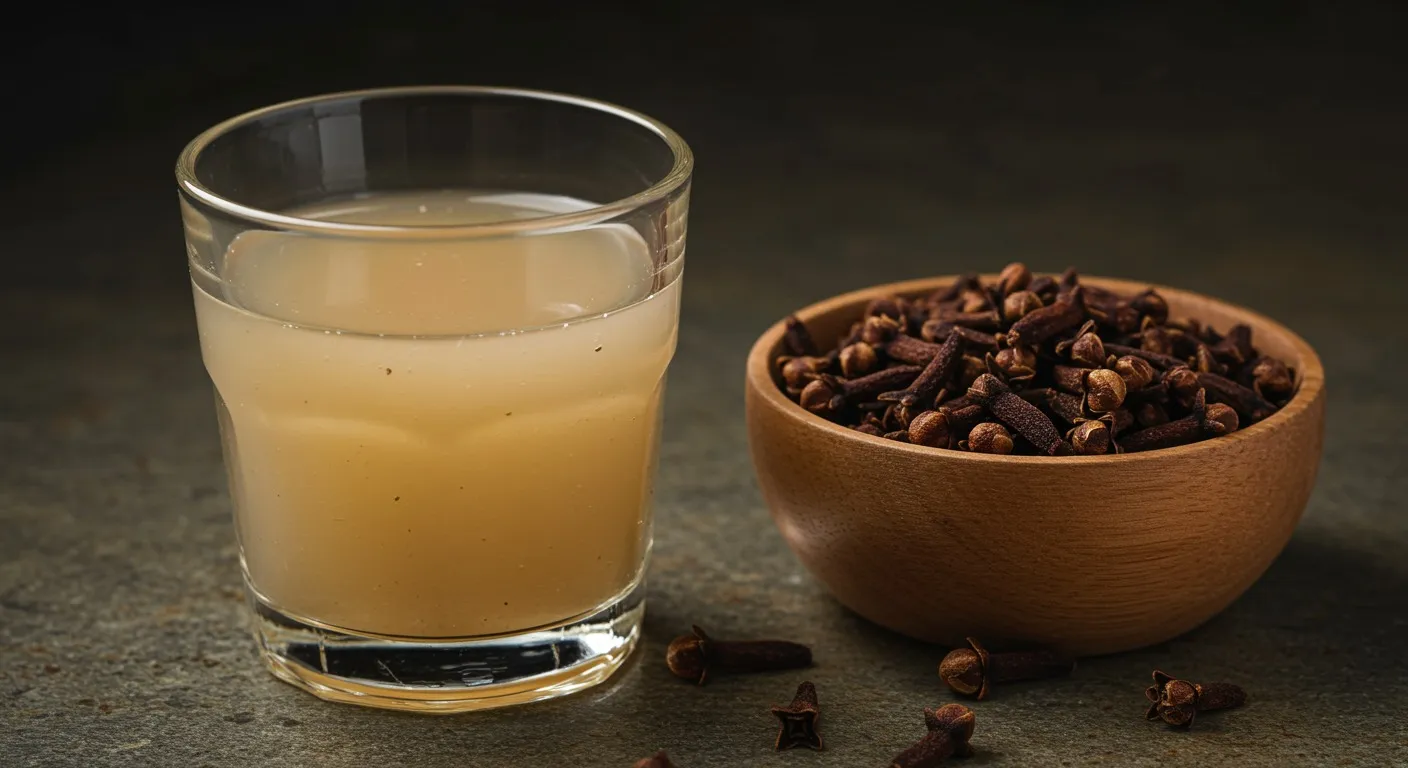
Most of us have woken up at some point with a small white crater on the inside of a cheek or lip, or a dull ache in a tooth that flares up every time we sip something cold. Mouth ulcers and minor tooth twinges are not serious, but they are annoying enough to ruin a meal, a conversation, or a good night of sleep. Stress, a hard bite of toast, an acidic curry, or a long week can all trigger them. Long before there were pharmacy gels and numbing rinses, kitchens across India reached for a single ingredient already sitting in the masala dabba: whole cloves.
The Ayurvedic Perspective
Ayurveda places mouth disorders, called Mukha Roga, under conditions where the local tissues become boggy, sticky, and aggravated by kapha and vata. The classical text Bhavaprakasha Nighantu lists Lavanga, the clove, as katu and tikta in taste with a heating potency, qualities that dry out that stagnant, swollen feel and calm the throbbing nerve sensation underneath. Traditional household practice has long used clove in two simple forms for the mouth: chewing one whole clove and parking it against the sore spot, or boiling a few cloves in water and using the cooled decoction as a rinse. The decoction form is gentler and easier to control, which is why it travels so well from grandmother to grandmother.
What Modern Biology Says
Modern chemistry has been kind to this tradition. Whole cloves are unusually rich in essential oil, and the dominant compound, eugenol, has a well-characterized local anesthetic effect: it acts on the TRPV1 receptor and on sodium channels in sensory nerves, the same family of pathways that pharmaceutical numbing agents target. A small 2006 controlled human trial in the Journal of Dentistry by Alqareer and colleagues tested homemade clove gel against 20 percent benzocaine, the over-the-counter dental standard, on the inner cheek of 73 volunteers; both reduced needle-stick pain compared to placebo, and there was no significant difference between clove and benzocaine. Separate in vitro studies also document eugenol’s activity against Streptococcus mutans, Porphyromonas gingivalis, and Candida albicans, oral organisms linked to tooth decay, gum disease, and oral thrush respectively. Most of the trial and lab data uses concentrated clove gel or oil rather than a water decoction, so the home rinse is best thought of as a gentler, daily-use version of the same compound.
How And When To Use It
Reach for the clove rinse at the first sign of trouble: a tingling spot on the cheek, a flare of tooth sensitivity, or the dull ache of a fresh ulcer. Make a fresh cup each day, keep it warm rather than hot, and use it after meals so food particles do not sit on the sore area. Two to three rinses a day for two or three days is usually enough for a small ulcer or a passing tooth twinge. If nothing has improved by day three, the message is clear: it is time for the dentist, not another cup of clove water.
Cautions And A Note On Medical Care
A few safety notes are worth remembering. The rinse is meant to be spat out, not swallowed in volume, and the recipe uses whole cloves boiled in water, never undiluted clove essential oil, which is concentrated enough to burn the inside of the mouth. Eugenol has a mild blood-thinning effect, so anyone on warfarin, aspirin, or clopidogrel should check with their doctor before using clove preparations regularly. This is traditional wisdom and not a substitute for medical care, but for the small everyday version of mouth pain that most of us will meet a few times a year, a handful of cloves and a cup of water is a quietly powerful place to start.
Recipe
Clove Decoction Mouth Rinse
A warm decoction made from whole cloves, used as a gentle mouth rinse to ease mouth ulcers and mild tooth twinges. Traditional Ayurvedic household preparation.
- Prep
- 2min
- Cook
- 5min
- Total
- 10min
- Servings
- 3applications
Ingredients
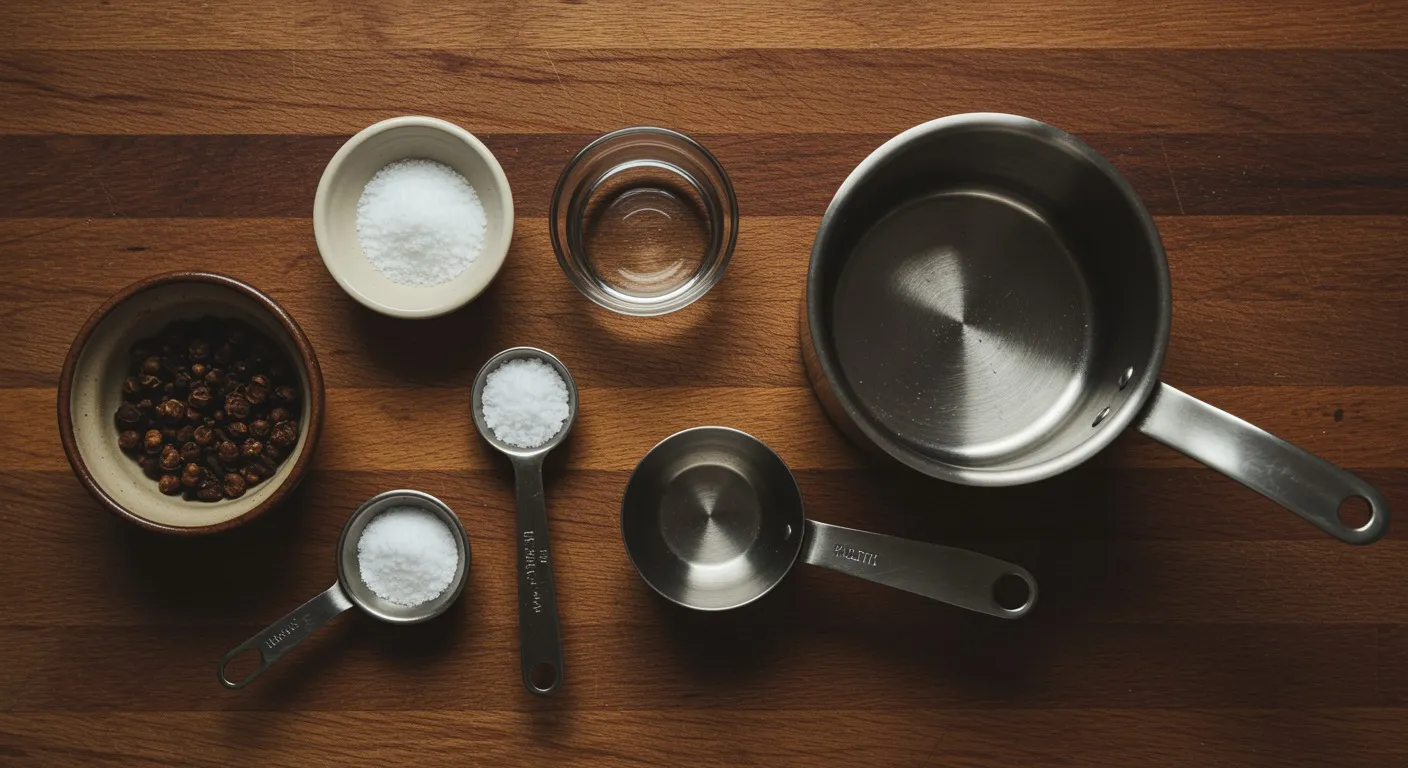
- 4 pieces whole dried cloves
- 1 cup water
- 1 pinch fine salt (optional)
Instructions
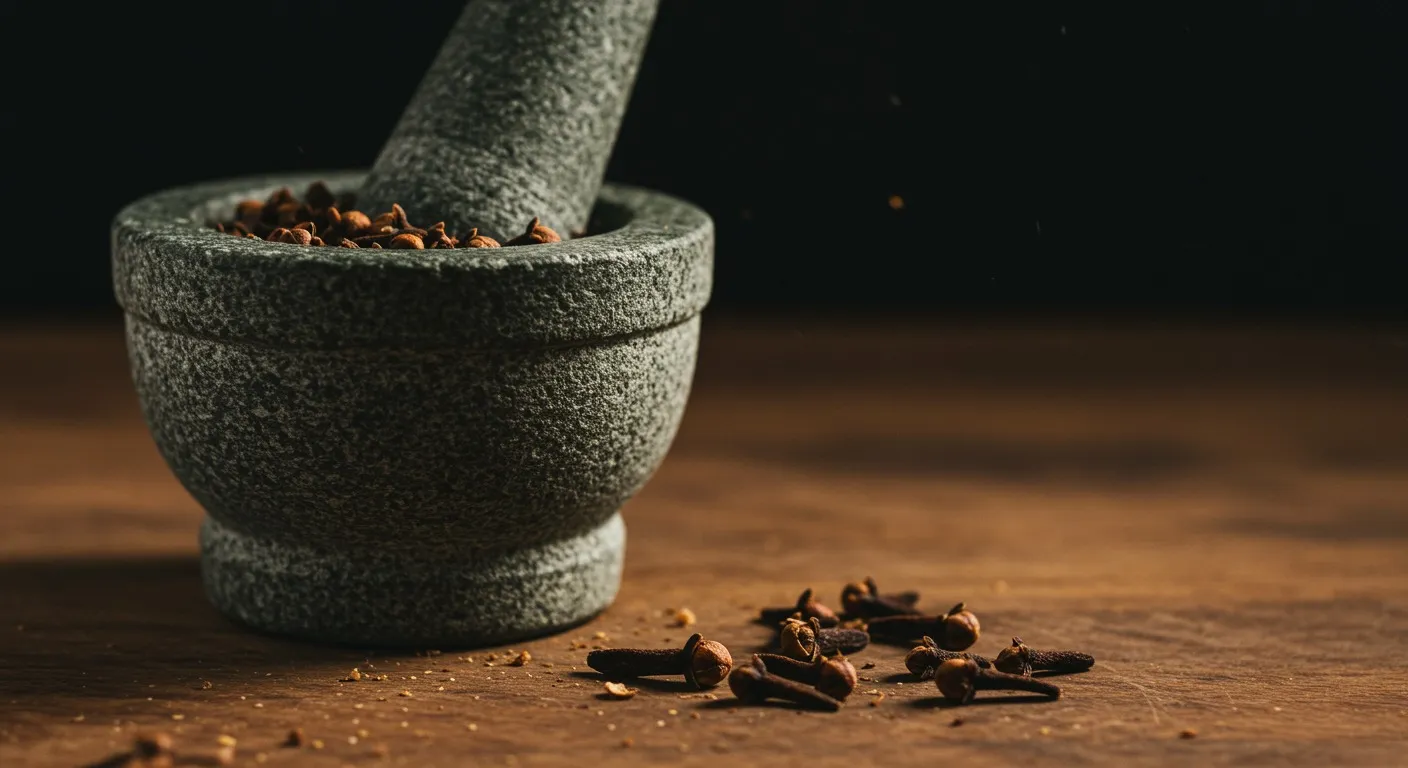
- 1 Lightly crush 4 whole cloves with the back of a spoon or in a small mortar to expose the inner oil. Do not powder them.
- 2 Add the crushed cloves to 1 cup of water in a small saucepan and bring to a gentle boil.
- 3 Reduce heat and simmer for 5 minutes, until the water turns pale brown and smells strongly of clove.
- 4 Turn off the heat, cover, and let the decoction cool to comfortably warm. Stir in a pinch of fine salt if desired.
- 5 Strain the decoction into a clean glass. Take a small mouthful, swish slowly around the affected area for 30 seconds, then spit it out. Do not swallow.
- 6 Use 2 to 3 times per day after meals, ideally at the first sign of a mouth ulcer or tooth twinge. Make a fresh batch each day.
Notes
- Do not use undiluted clove essential oil directly on gums or inside the mouth, as concentrated eugenol can burn the mucosa and damage tissue. The remedy here uses a water decoction of whole cloves only.
- Eugenol has mild antiplatelet activity. If you are on blood thinners such as warfarin, aspirin, or clopidogrel, check with your doctor before using clove preparations regularly.
- Do not swallow large amounts of the decoction. Spit out after rinsing.
- Not recommended for children under 6, who may swallow the rinse, or during pregnancy in medicinal amounts.
- Consult your dentist or doctor if mouth ulcers persist beyond 10 to 14 days, if tooth pain lasts more than 2 to 3 days, or if you have swelling, fever, or pus. This is traditional wisdom and not a substitute for medical care.