Authentic Cucumber Tambuli Recipe (Karnataka Summer Cooler)
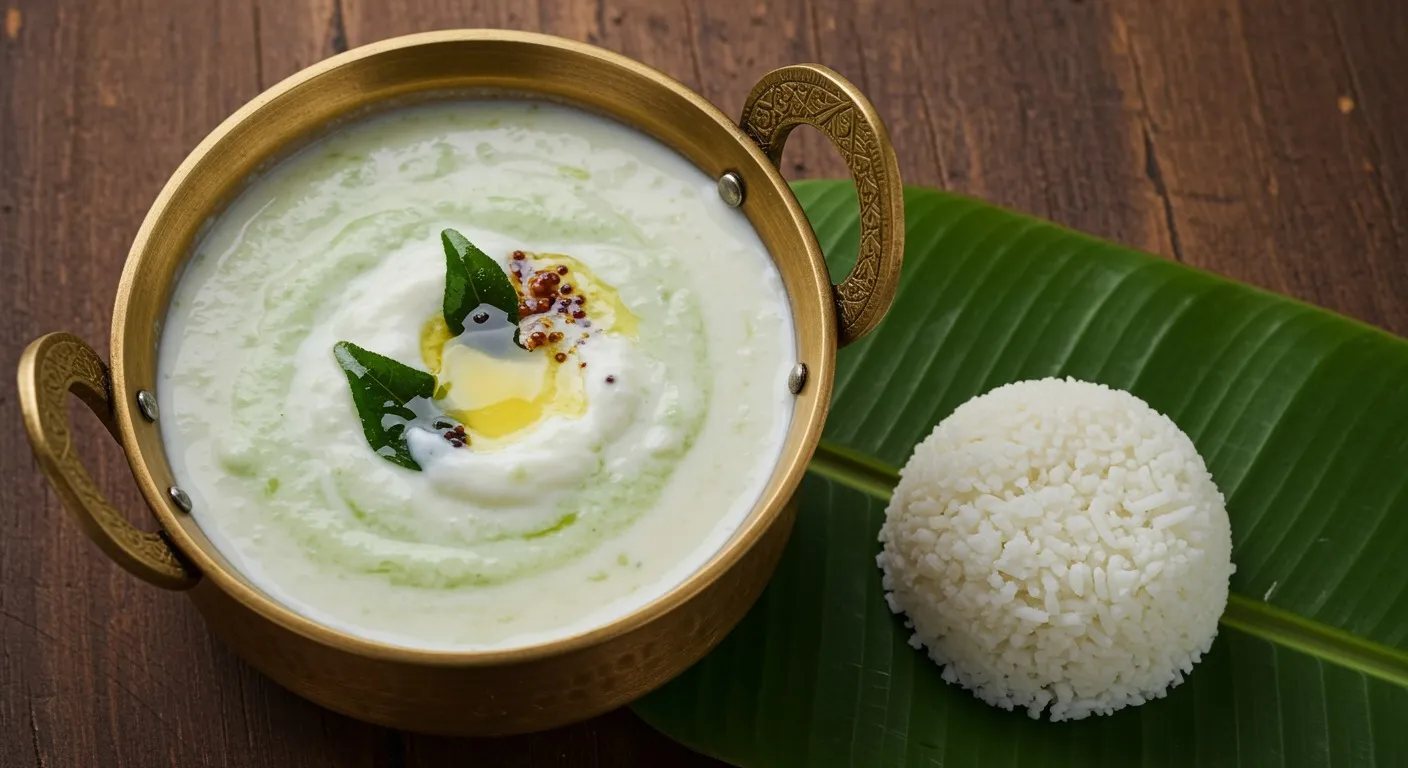
Cucumber tambuli is having a moment online as warmer weather settles in across India and Karnataka home cooks rediscover the dishes that quietly carry them through the season. The recipe tastes like a cross between raita and rasam, gentle enough to sip from a cup but traditionally ladled over hot rice. Its name comes from the Kannada word thampu, meaning cool, which is exactly what the dish was designed to be. Unlike its cousin mor kuzhambu, tambuli is uncooked at the base, with just a quick tempering finishing it off, so it stays fresh-tasting and light. When cucumber season comes around, this is the kind of recipe that keeps appearing back-to-back in family kitchens.
About This Dish
Tambuli belongs to coastal Karnataka, particularly the Udupi and Mangalore belt where coconut and curd anchor much of the everyday cooking. Traditional Havyaka and Konkani households make tambuli from just about anything in the kitchen garden, including doddapatre leaves, fresh ginger, fresh turmeric, curry leaves, fenugreek leaves, and of course cooling cucumber. The dish predates refrigeration, and that is a clue to why it exists. By blending cucumber with coconut and curd, then thinning it with buttermilk, cooks built a side that hydrated, soothed the stomach, and dropped body temperature with the first spoonful. It is classic Ayurvedic summer food dressed up as everyday lunch.
Ingredient Notes
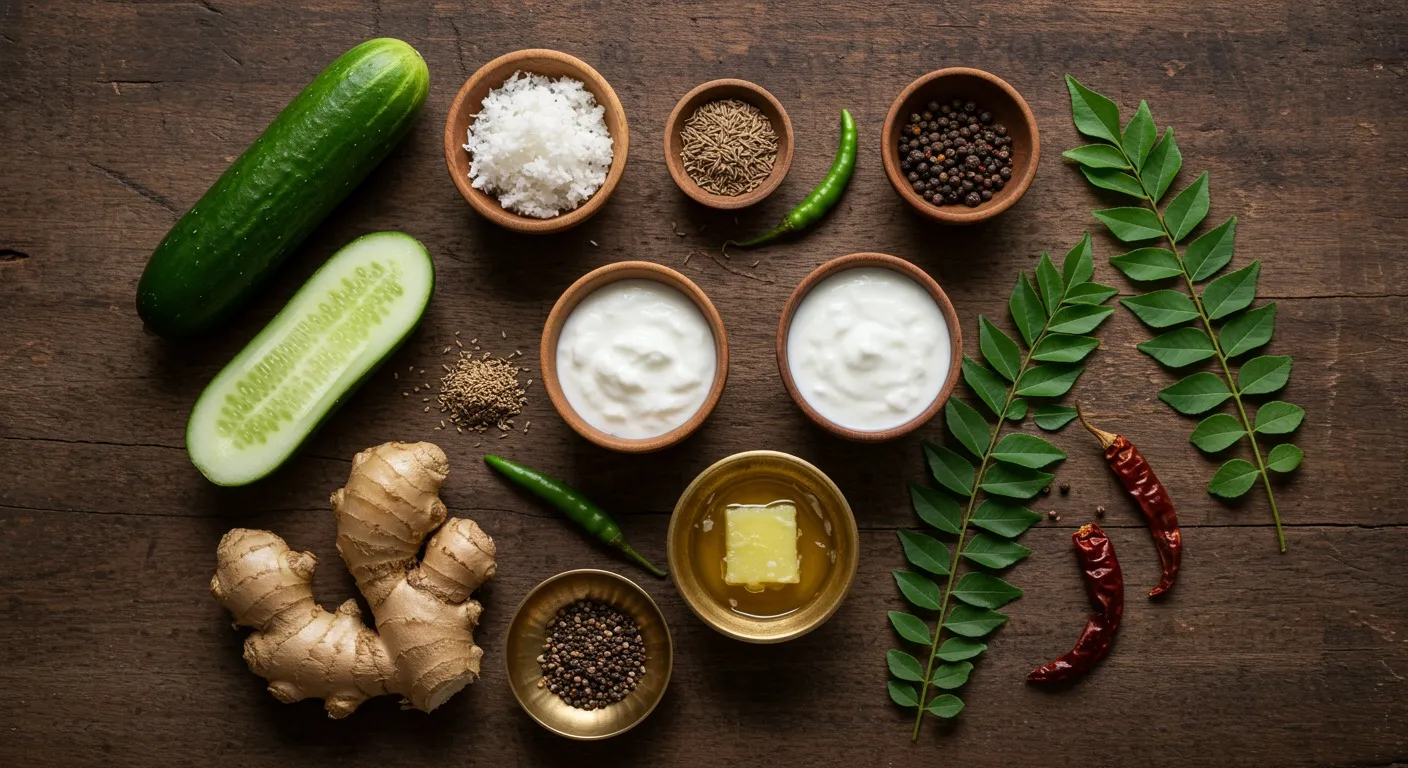
Pick a firm, fresh cucumber for this recipe. English or Indian cucumbers both work, though Indian varieties are slightly more flavorful and less watery. Fresh grated coconut is the soul of the paste, and frozen grated coconut thawed at room temperature is a fine substitute, but desiccated coconut tastes flat here and is best avoided. The curd should be thick and just slightly sour, the way leftover homemade yogurt gets after a day on the counter, which gives the tambuli the right edge of tang. A small piece of ginger and a single green chili are all the heat you want, since tambuli is meant to be mild and soothing rather than spicy. Ghee is the traditional fat for the tempering, though coconut oil works beautifully and pushes the dish even further toward its coastal roots.
Method And Tips
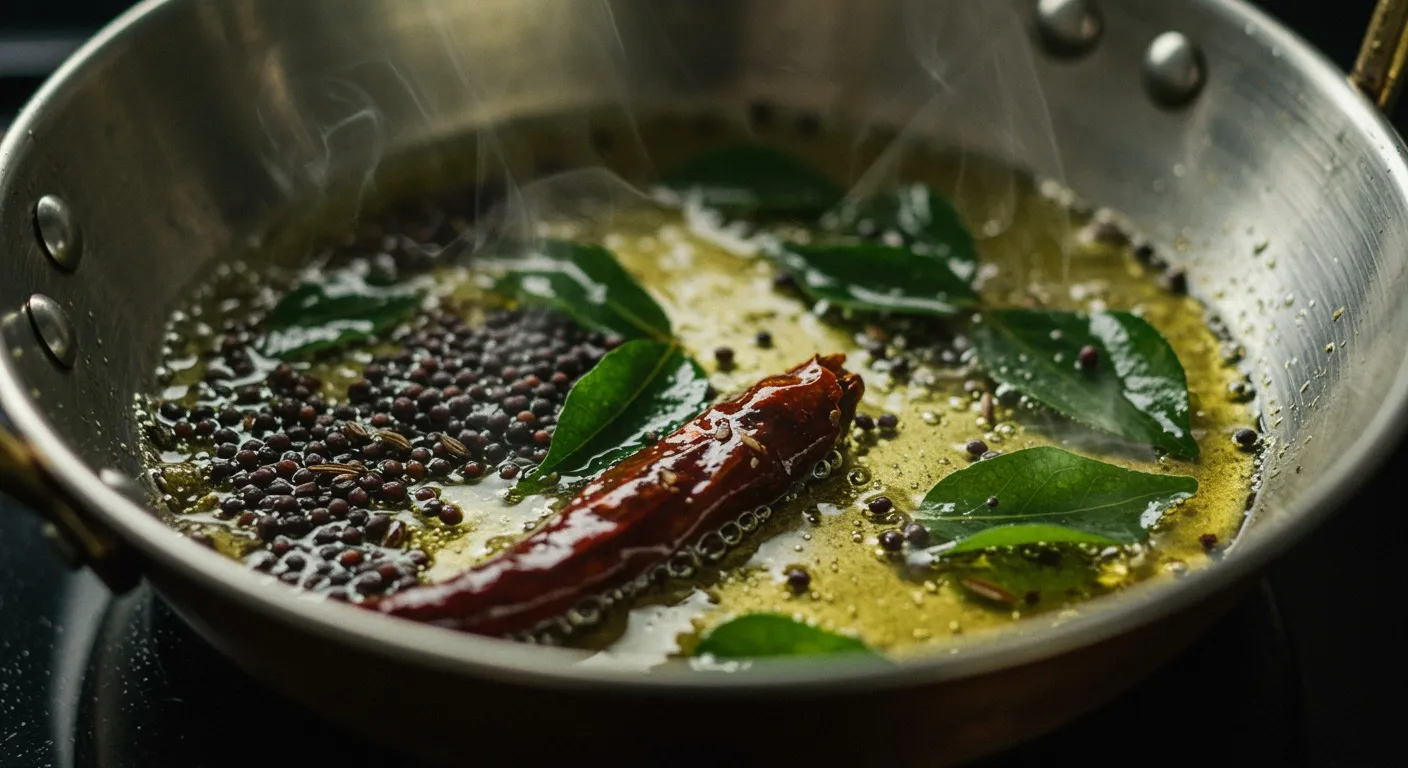
The single thing that separates a good tambuli from a watery one is grinding the paste smooth. Use just enough water to keep the blender moving, not so much that the paste becomes thin, because the rest of the water goes in after the curd is added so the final consistency can be dialed in slowly. The finished tambuli should pour like rasam, not sit thick like raita. Pour the tempering over the dish while it is still sizzling so the spices bloom into the curd and the surface picks up that classic tarka aroma. If the yogurt is very cold straight from the fridge, let it sit out for about fifteen minutes before mixing so it whisks in smoothly and does not curdle when the hot ghee hits.
Serving Suggestions
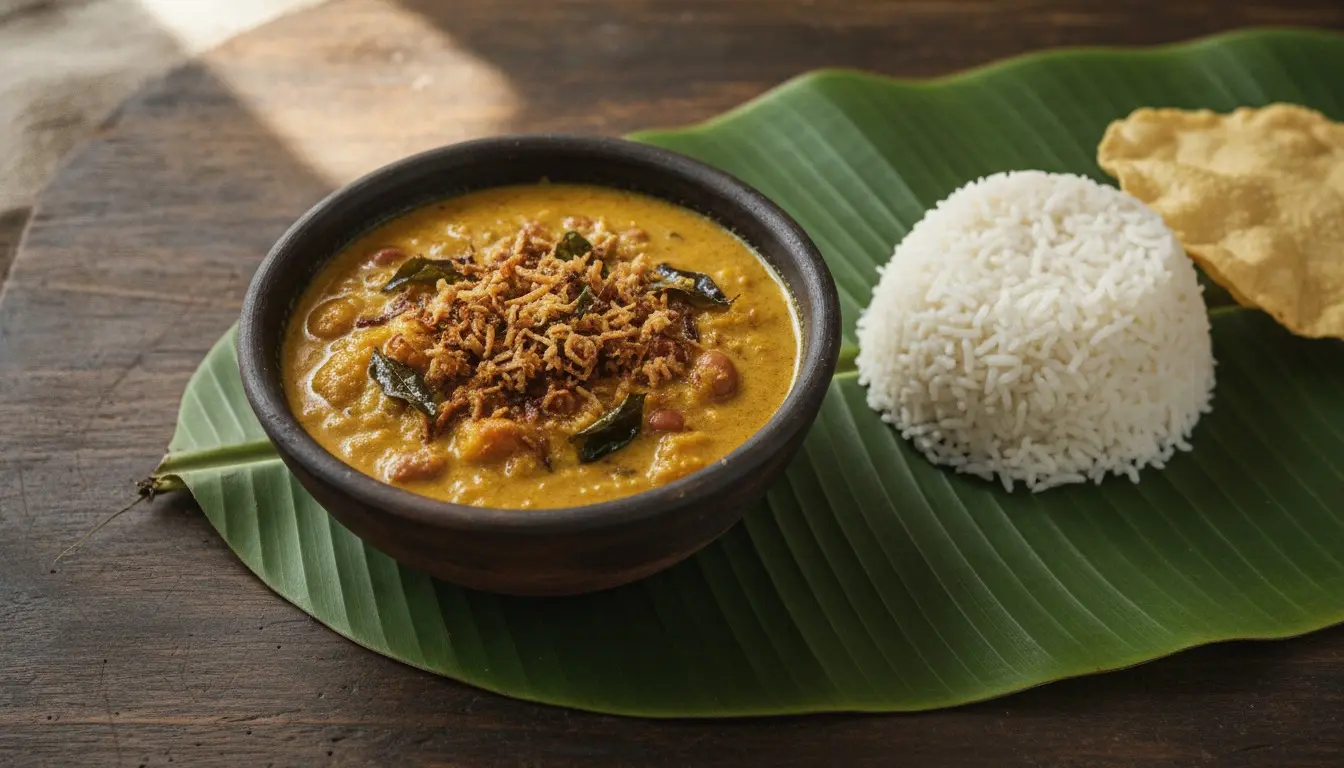
Tambuli is at its best with a mound of hot steamed rice, a small spoon of ghee on top, and something simple alongside like a stir-fried poriyal or a piece of papad. Serve it at the start of a South Indian meal, the way it is traditionally eaten, so its cooling effect lands before anything spicier. Make a batch in the morning, keep it chilled, and ladle it out whenever the day starts to feel too hot to cook.
Recipe
Cucumber Tambuli
A traditional Karnataka cooling side dish made by blending cucumber, fresh coconut, cumin, and a touch of green chili into a smooth paste, then mixing with curd and finishing with a hot ghee tempering. Light, mild, and meant to be served over steamed rice.
- Prep
- 10min
- Cook
- 5min
- Total
- 15min
- Servings
- 4servings
- Calories
- 95kcal
Ingredients
- For the paste
- 2 cups cucumber, peeled and chopped (about 1 large)
- 1/2 cup fresh grated coconut
- 1 tsp cumin seeds
- 1/4 tsp black peppercorns
- 1 small green chili, chopped
- 1/2 inch fresh ginger, chopped
- 2 tbsp fresh coriander leaves, chopped
- 1/4 cup water
- 1/2 tsp salt
- To mix
- 1 cup plain whole milk yogurt, lightly whisked
- 1/2 cup water, to adjust consistency
- For the tempering
- 1 tsp ghee
- 1/2 tsp black mustard seeds
- 1/2 tsp cumin seeds
- 1 dry red chili, broken
- 8 curry leaves
- 1 pinch asafetida (hing)
Instructions
- 1 Peel the cucumber, halve it lengthwise, and scoop out any large seeds with a spoon. Chop the flesh roughly to measure about 2 cups.
- 2 Add the chopped cucumber, fresh coconut, cumin seeds, peppercorns, green chili, ginger, coriander leaves, salt, and 1/4 cup water to a blender. Blend on high until you have a very smooth, fine paste, stopping to scrape down the sides once or twice.
- 3 Transfer the paste to a serving bowl. Add the whisked yogurt and stir until completely smooth and uniform.
- 4 Pour in 1/4 to 1/2 cup of water in small additions, stirring after each, until the tambuli is the consistency of a thin rasam rather than thick raita. Taste and adjust salt.
- 5 Heat the ghee in a small tempering pan over medium heat. When the ghee is hot, add the mustard seeds and let them splutter completely, about 15 seconds.
- 6 Add the cumin seeds, broken red chili, and curry leaves to the pan. Stand back a little, as the curry leaves will crackle. Let everything sizzle for 5 to 10 seconds until fragrant, then turn off the heat and stir in a pinch of asafetida.
- 7 Immediately pour the hot tempering over the tambuli and stir gently so the spices and ghee swirl through the curd. Serve right away with hot steamed rice and a spoon of ghee.
Notes
- Use slightly sour curd or homemade buttermilk for the most authentic tangy flavor.
- If the curd is straight from the fridge, let it sit at room temperature for 10 to 15 minutes before mixing so it whisks in smoothly and does not split when the hot tempering hits.
- For a deeper roasted flavor, dry-toast the cumin seeds and peppercorns in a small pan for 30 seconds before blending.
- Tambuli is traditionally mild. If you want more heat, increase the green chili in the paste rather than adding more dry chilies to the tempering, which would turn it harsh.
- Coconut oil can be used in place of ghee in the tempering and leans the dish further toward its coastal Karnataka roots.