Besan (Gram Flour) and Yogurt Hair Mask for an Oily Scalp and Greasy Hair
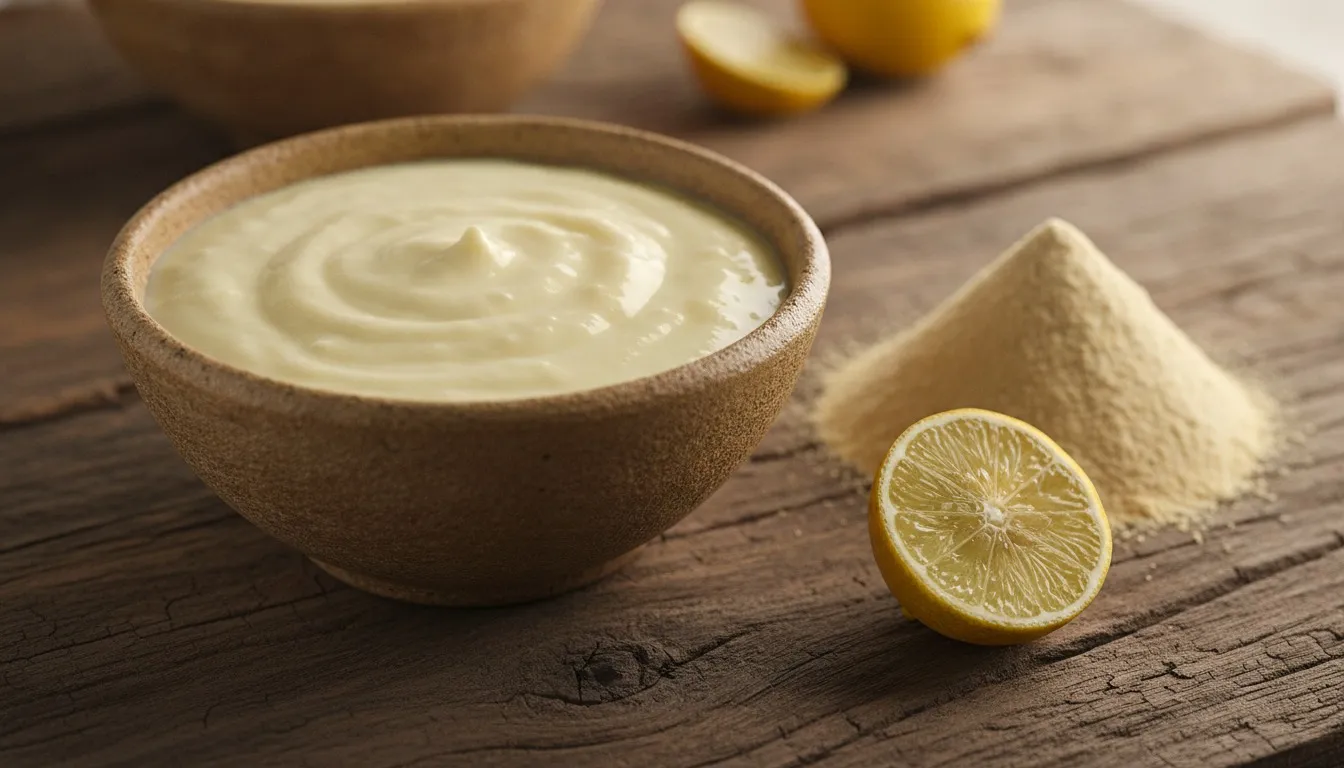
If your hair looks clean the night you wash it but greasy and flat by the next afternoon, you know how frustrating an oily scalp can be. It is one of the most common everyday hair complaints, driven by overactive oil glands, humid weather, and product buildup near the roots. Reaching for a stronger shampoo often backfires, because harsh cleansing can leave the scalp drier and prompt it to produce even more oil. A gentler, older approach sits in most kitchens already: a simple paste of besan (gram flour) and yogurt that lifts excess oil without stripping the hair.
The Ayurvedic Perspective
In Ayurveda, a scalp that stays heavy, oily, and flat is understood as a Kapha imbalance in the surface tissues, an excess of unctuousness that needs a drying, clearing counterbalance rather than more oil. The traditional answer is udvartana, the dry-powder cleansing practice described in the Ashtanga Hridayam Sutrasthana as part of the daily routine and prized as Kapha-hara (Kapha-reducing) and Meda-hara (reducing excess fat and heaviness). Chickpea flour, known as chanaka, is a classic base for this ubtan because it carries ruksha (drying) and lekhana (scraping) qualities that absorb oil and gently scrub away buildup. Yogurt is added to soften the action and keep the scalp comfortable.
What Modern Biology Says
From a modern standpoint, the effect is easy to explain. Chickpea flour contains saponins, natural soap-like compounds that create a mild lather and lift sebum from the scalp, while its protein and fiber structure binds surface oil on contact. Besan also supplies zinc, the same mineral family used in medicated anti-dandruff and oil-control hair products, at roughly 2.8 mg per 100 grams. Yogurt contributes lactic acid, a gentle exfoliant that helps balance scalp pH and smooth the hair cuticle, and a little lemon adds clarifying citric acid. Honesty matters here: these mechanisms are well characterized in cosmetic chemistry and centuries of household use, but there are no large clinical trials on besan hair masks, so the evidence is best described as traditional and preliminary.
How And When To Use It
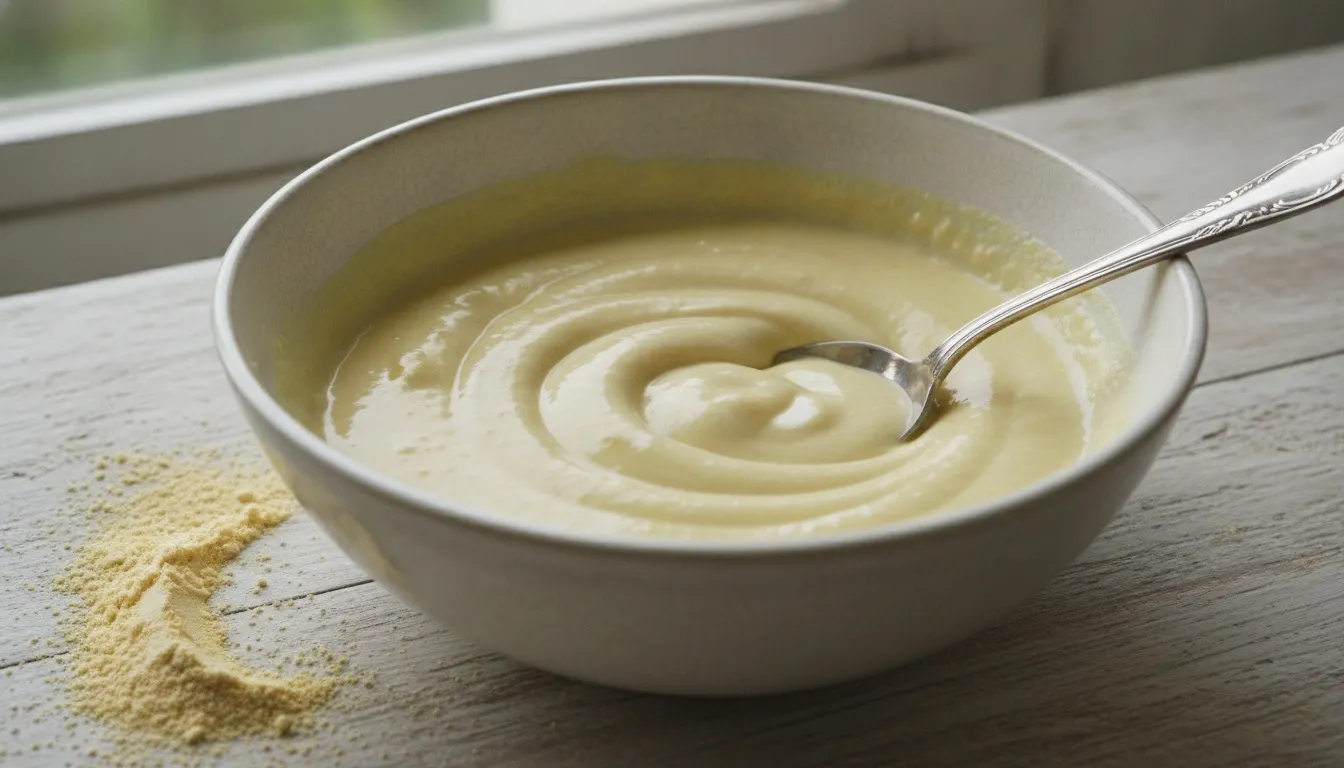
Reach for this mask when your scalp feels oily and heavy, usually about once a week. Whisk the besan, yogurt, and lemon juice with a little water into a smooth, thin paste, apply it mostly to the scalp and roots where oil collects, and leave it on for 15 to 20 minutes before rinsing well with lukewarm water. Do not let it dry into a hard crust, and follow with a small amount of mild shampoo if you like. Most people notice hair that feels lighter and stays fresh a little longer between washes.
Cautions And A Note On Medical Care
A few cautions keep this safe. Because gram flour is a legume, patch test on your inner forearm first if you have any chickpea or legume sensitivity, keep the lemon minimal and rinse thoroughly, and avoid strong sun on the scalp right afterward. This mask is meant for a mildly oily scalp, not for medical conditions: if your scalp is red, painful, intensely itchy, or flaking heavily, or if things do not improve within 2 to 3 weeks, see a doctor or dermatologist. This is traditional wisdom and not a substitute for medical care, but as a low-cost, gentle weekly ritual, it is an easy one to try.
Recipe
Besan and Yogurt Scalp Cleansing Mask
A gentle kitchen hair mask of gram flour, yogurt, and a little lemon juice that lifts excess oil and buildup from a greasy scalp, based on the Ayurvedic udvartana cleansing tradition. Use it once a week when the scalp feels oily and heavy.
- Prep
- 5min
- Cook
- 0min
- Total
- 25min
- Servings
- 1applications
Ingredients
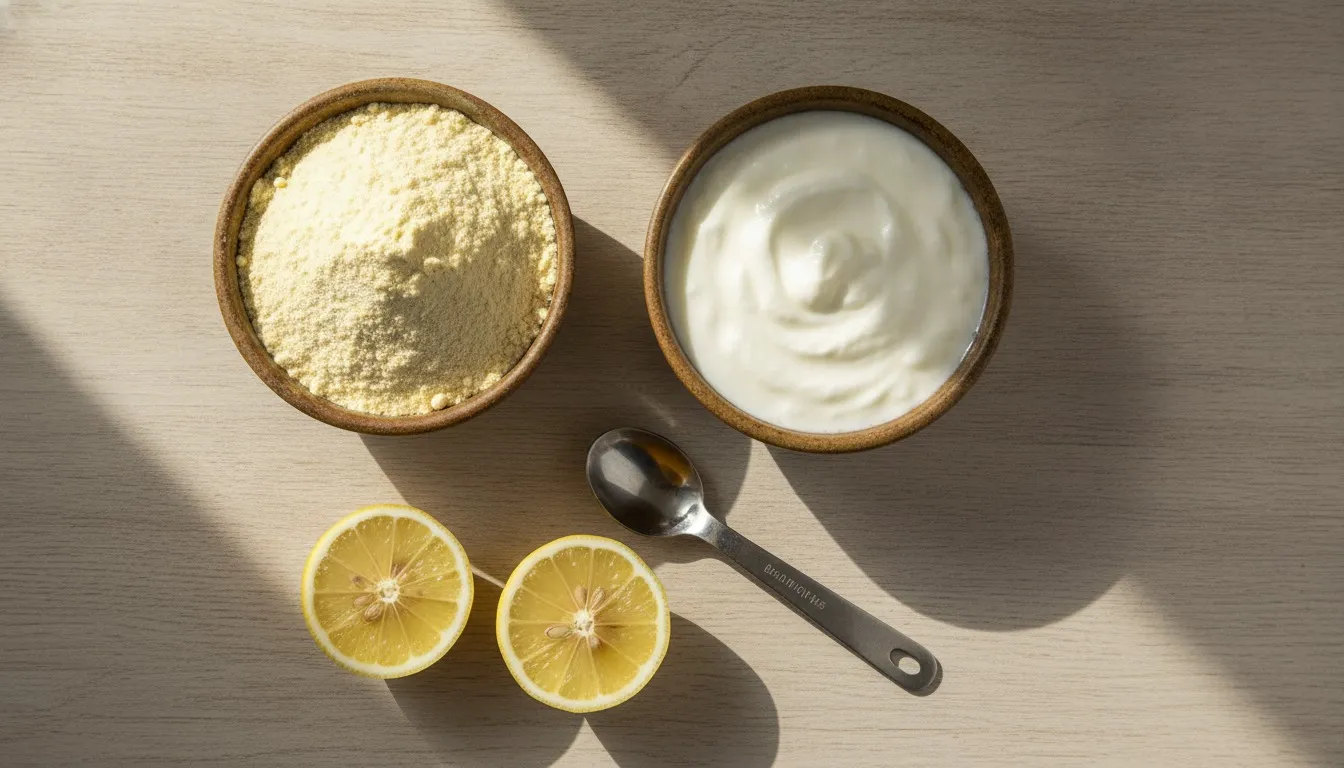
- 3 tbsp besan (gram flour)
- 2 tbsp plain yogurt (dahi)
- 1 tsp fresh lemon juice
- 2 tbsp water, to thin
Instructions
- 1 If you have not used besan on your skin before, patch test first: dab a little of the finished paste on your inner forearm and wait 15 minutes to check for irritation.
- 2 In a small bowl, whisk the besan, yogurt, and lemon juice together, adding water a little at a time until you have a smooth, lump-free paste about the thickness of a thin pancake batter.
- 3 Part dry or slightly damp hair in sections and apply the paste directly onto the scalp and roots, where the oil sits, then work whatever is left down the lengths.
- 4 Cover with a shower cap and leave for 15 to 20 minutes, but do not let it dry to a hard crust.
- 5 Rinse thoroughly with lukewarm water, massaging the scalp to lift the residue, and follow with a small amount of mild shampoo if needed. Use once a week whenever the scalp feels greasy and heavy.
Notes
- Patch test first: chickpea (gram) is a legume, and people with chickpea or legume allergies can react. Dab a little paste on the inner forearm and wait 15 minutes before using it on the scalp.
- Keep the lemon minimal and rinse thoroughly, and avoid strong sun on the scalp right after, since citrus juice on skin plus sun can occasionally cause irritation or discoloration.
- Rinse the mask out completely and do not let it dry rock hard, or you may be left with flaky residue in the hair.
- This is for a mildly oily scalp only. It is not a treatment for seborrheic dermatitis, psoriasis, fungal infection, or hair loss. See a doctor or dermatologist if your scalp is red, painful, intensely itchy, or flaking heavily.
- Consult your doctor if symptoms persist beyond 2 to 3 weeks or worsen. This is traditional wisdom and not a substitute for medical care.