Turmeric Paste (Haldi Lep) for Minor Cuts, Scrapes, and Insect Bites
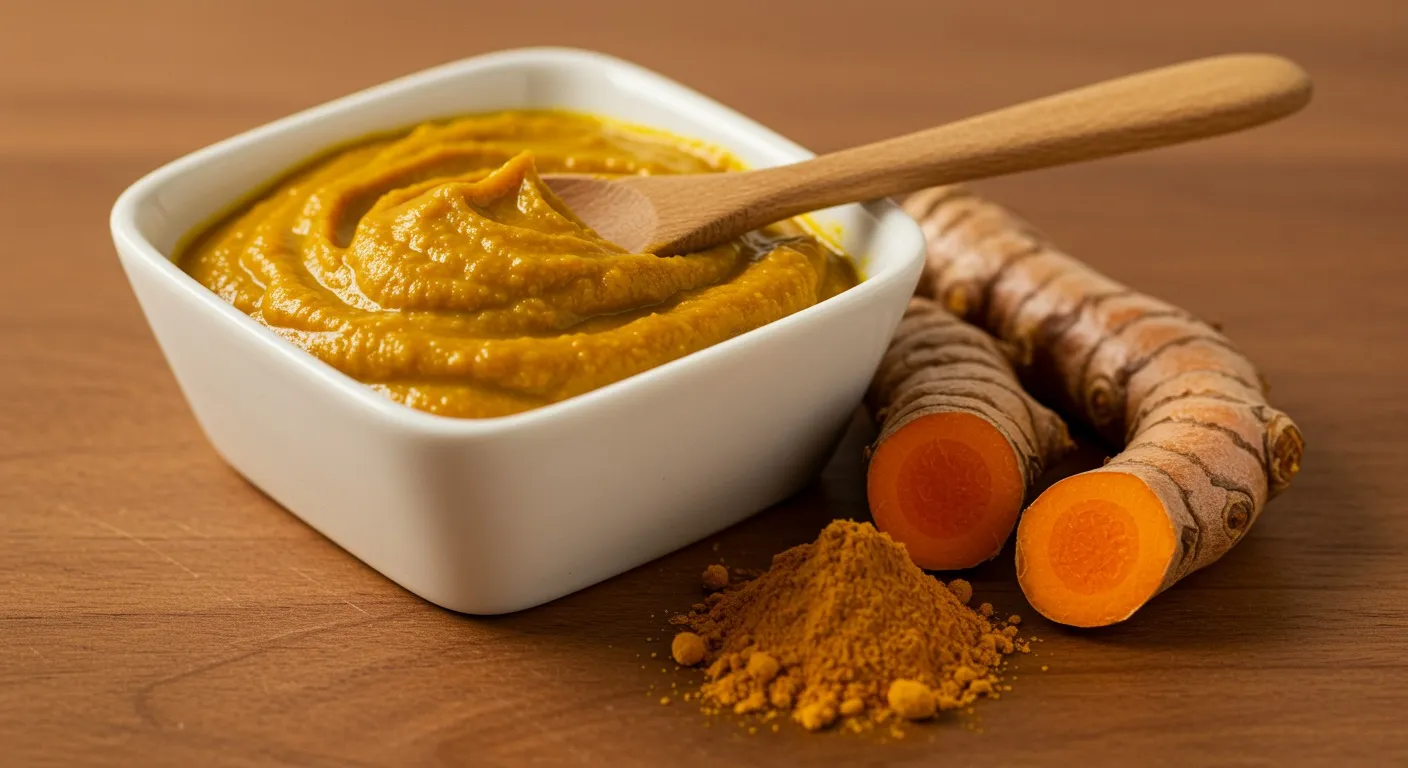
Everyone collects small skin nicks: a shallow kitchen cut, a scrape from gardening, or the red, itchy bump of a mosquito bite. None of these need a doctor, but they can sting, swell, and tempt you to scratch. Long before tubes of antiseptic cream, Indian households reached for the spice rack and mixed a pinch of turmeric with a few drops of water into a bright yellow paste. This haldi lep is dabbed straight onto the spot to calm it and help the skin settle.
The Ayurvedic Perspective
Ayurveda calls turmeric Haridra and ranks it among the most versatile skin herbs. The classical texts, including the Charaka Samhita and the Sushruta Samhita, describe it as both vrana shodhana (wound cleansing) and vrana ropana (wound healing), and as varnya, meaning it supports clear, even skin. In Ayurvedic terms, the heat, redness, and itch of a bite or fresh scrape reflect aggravated Pitta and disturbed Rakta, the blood tissue. Turmeric’s bitter and pungent taste and its warming, drying quality are believed to cleanse the area and bring the local imbalance back toward calm. Applied as a lep, or paste, it is one of the oldest documented home skin treatments on the subcontinent.
What Modern Biology Says
Modern chemistry centers on curcumin, the pigment that makes turmeric yellow. Curcumin has well-documented antibacterial, antioxidant, and anti-inflammatory effects, and in laboratory and human studies it appears to encourage the fibroblasts and collagen that knit a wound closed. A 2025 scoping review in the Journal of Cosmetic Dermatology gathered 19 clinical trials, 14 of them randomized, and found curcumin improved wound healing compared with placebo or usual care in roughly 89 percent of them, with only minor and temporary side effects such as a brief burning or cooling sensation. The honest caveat is that these trials studied mostly clinical wounds, such as surgical incisions, dental sites, and chronic ulcers, and they used standardized curcumin gels, creams, and dressings rather than raw kitchen paste; curcumin is also poorly absorbed, so think of the home lep as gentle supportive care for trivial issues, not a tested medicine.
How And When To Use It
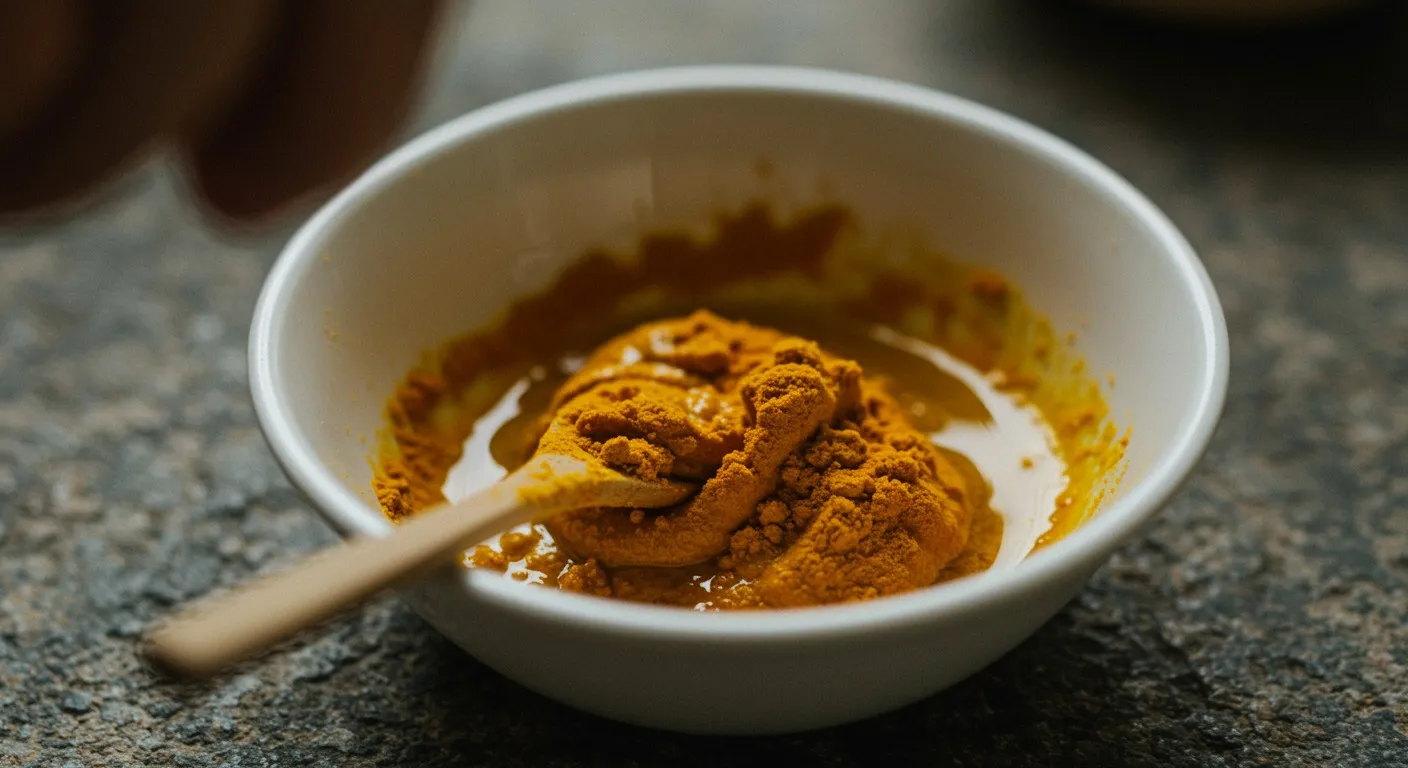
Reach for the paste at the first sign of a minor cut, scrape, or insect bite, once the area is rinsed clean. Mix about a teaspoon of ground turmeric with just enough water, or a little coconut oil for dry or sensitive skin, to make a thick paste, then dab a thin layer over the spot with a clean fingertip or cotton swab. Leave it on for 15 to 20 minutes and rinse, repeating two or three times a day. Most small irritations quiet down within a day or two, and a fresh batch works best, so make only what you need.
Cautions And A Note On Medical Care
A few sensible limits apply. Turmeric stains skin a temporary yellow and stains fabric and surfaces permanently, so protect your clothes and patch test first, since it can occasionally irritate sensitive skin. Use it only on minor, clean, superficial wounds and bites; deep, gaping, dirty, or heavily bleeding wounds, animal bites, and anything showing spreading redness, pus, or fever need a doctor, not a spice. Because almost none of the turmeric is absorbed through the skin, the blood-thinner caution that applies to eating it is minimal here, but never swallow the paste, and see a doctor if things do not improve in a few days or get worse. This is traditional wisdom and not a substitute for medical care, so treat it as a small, time-tested comfort for everyday scrapes and bites.
Recipe
Turmeric Skin Paste (Haldi Lep)
A simple paste of ground turmeric and a little water or coconut oil, dabbed on minor cuts, scrapes, and insect bites to calm irritation and support the skin as it heals.
- Prep
- 3min
- Cook
- 0min
- Total
- 3min
- Servings
- 4applications
Ingredients
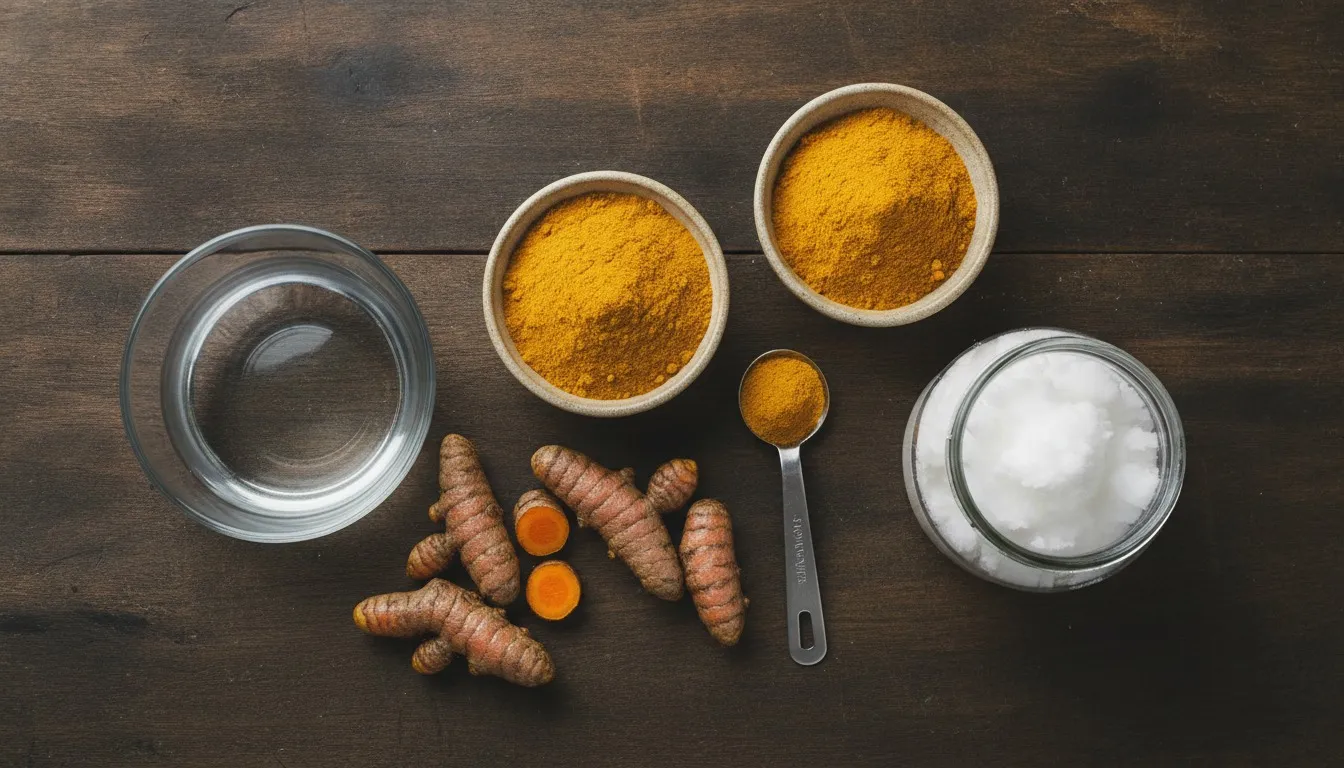
- 1 tsp ground turmeric (haldi)
- 1/2 tsp filtered water, plus more as needed
- 1/4 tsp virgin coconut oil (optional, for dry or sensitive skin)
Instructions
- 1 Gently clean the affected skin with cool water and pat it dry. For an insect bite or minor scrape, make sure the area is free of dirt before you start.
- 2 In a small clean bowl, stir the ground turmeric with a few drops of filtered water, and the coconut oil if using, until you have a smooth, thick paste that holds together without dripping.
- 3 Using a clean fingertip or a cotton swab, dab a thin layer of paste over the cut, scrape, or bite. Apply at the first sign of irritation.
- 4 Leave the paste on for 15 to 20 minutes, then rinse with cool water. Reapply two or three times a day until the skin settles, usually within a day or two.
- 5 Make only what you need for a single use, or keep a small batch in a covered jar in the refrigerator for two to three days.
Notes
- Turmeric stains skin a temporary yellow and stains fabric, grout, and plastic permanently, so protect clothing and surfaces and expect a light yellow tint on the skin for a day or two.
- Do a patch test on the inner forearm first. Turmeric can occasionally cause dryness, a burning sensation, or contact dermatitis, and a rare allergy is possible.
- Use this only for minor, superficial, clean cuts, scrapes, and insect bites. Do not apply to deep, gaping, or puncture wounds, large or heavily bleeding wounds, animal or human bites, or wounds with embedded dirt, and seek medical care for these.
- Stop and see a doctor if you notice spreading redness, swelling, warmth, pus, increasing pain, or fever, which can signal infection, or if a bite triggers a strong allergic reaction.
- Topical turmeric is absorbed only in tiny amounts, so the blood-thinning concern that applies to eating turmeric is minimal here, but do not swallow the paste, and consult your doctor if symptoms persist beyond a few days or worsen. This is traditional wisdom and not a substitute for medical care.