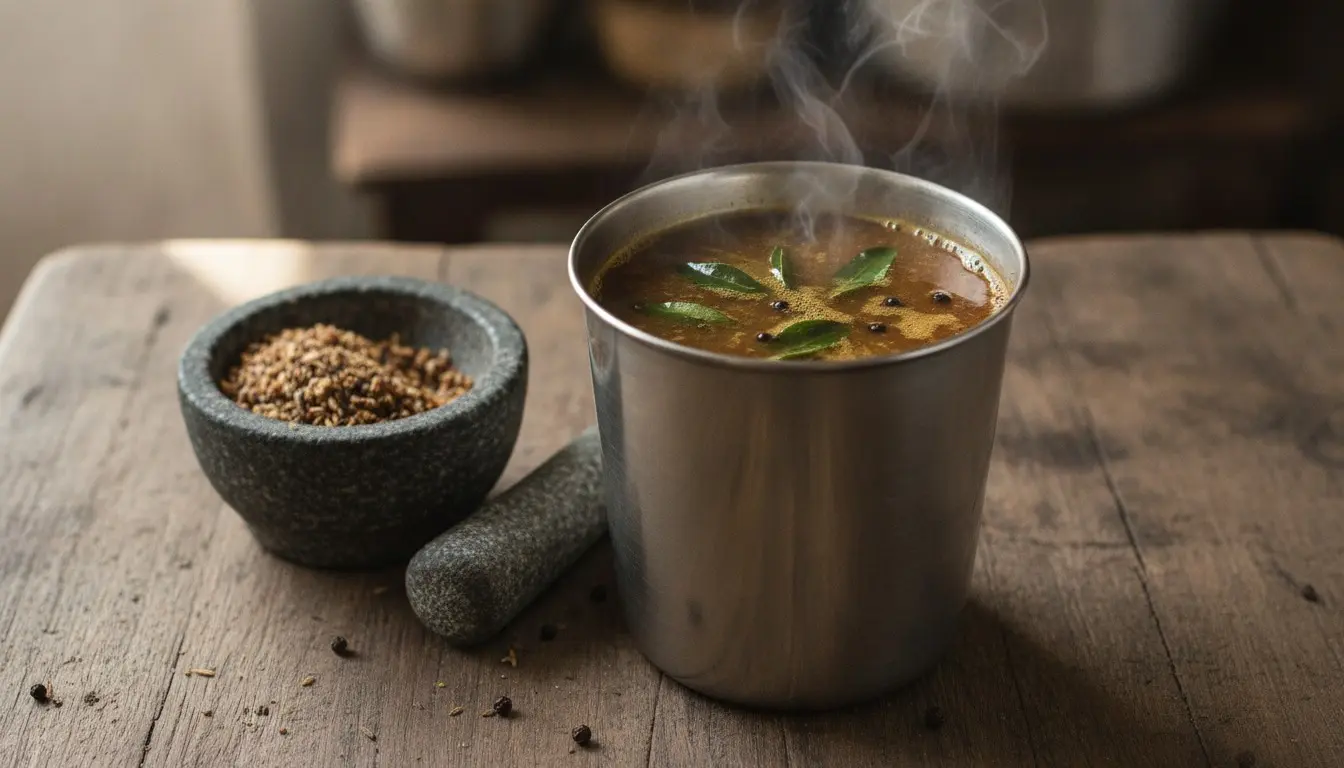
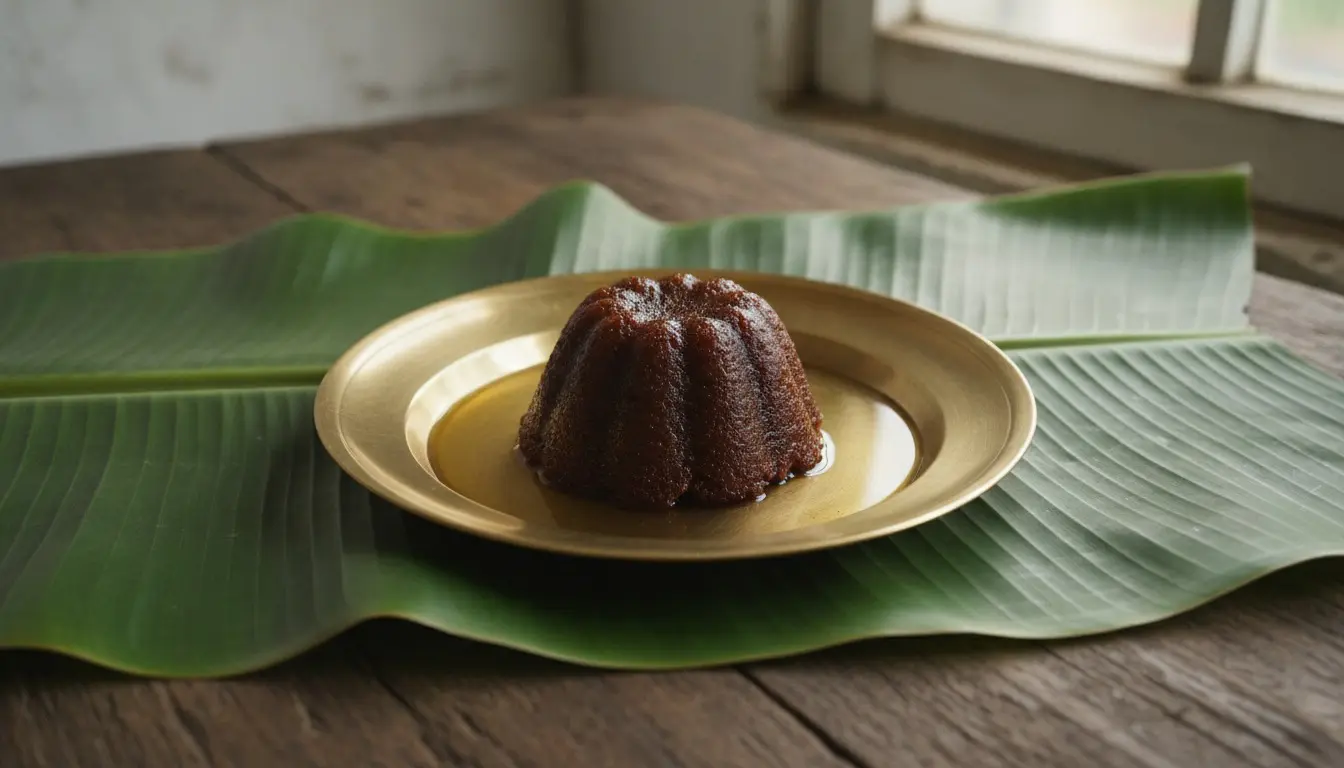
Authentic Karkidaka Kanji Recipe (Kerala Ayurvedic Monsoon Porridge)
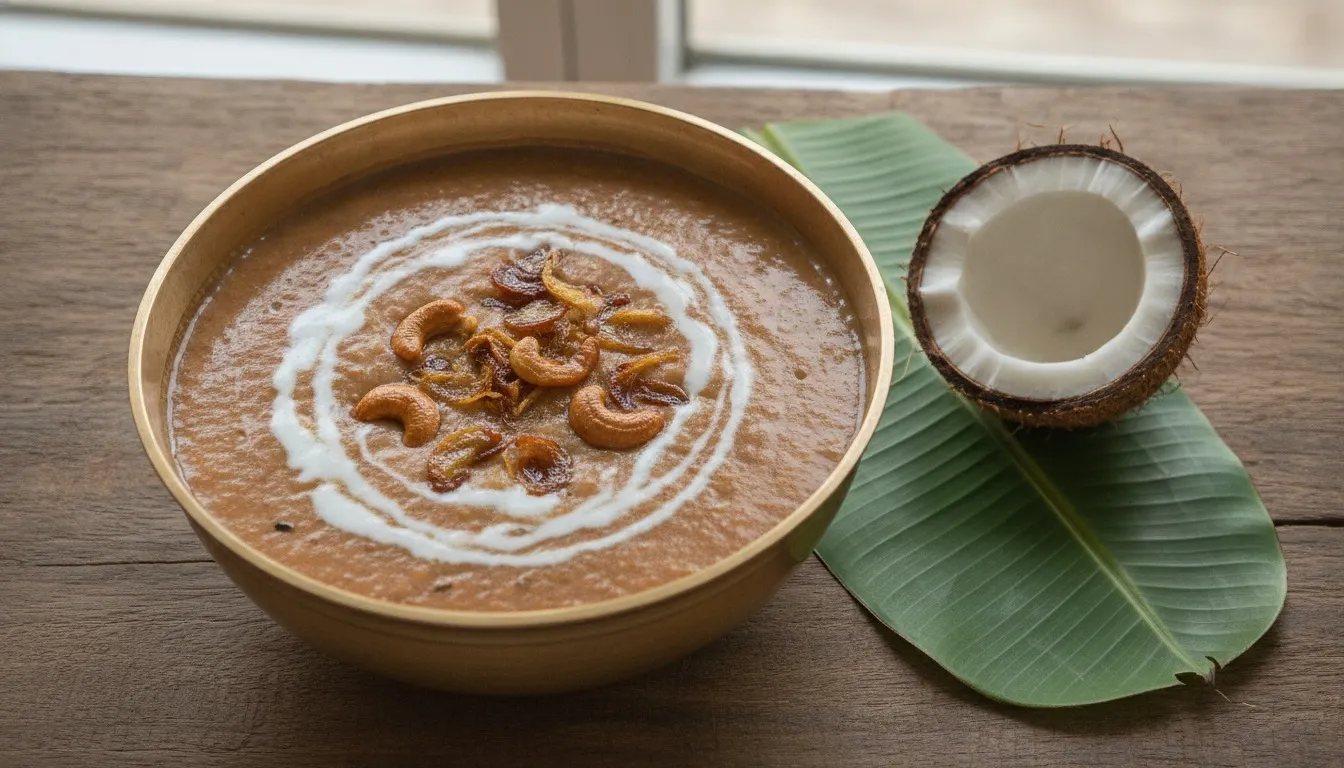
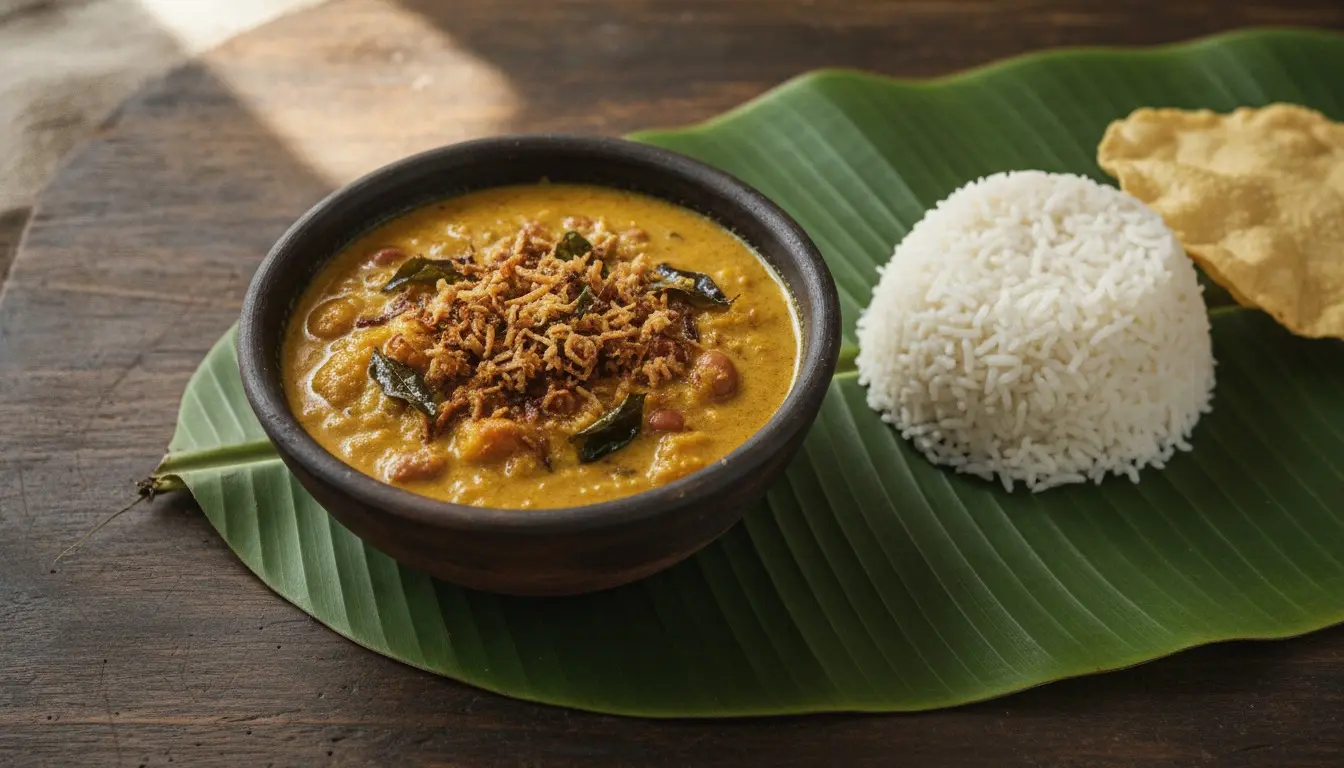
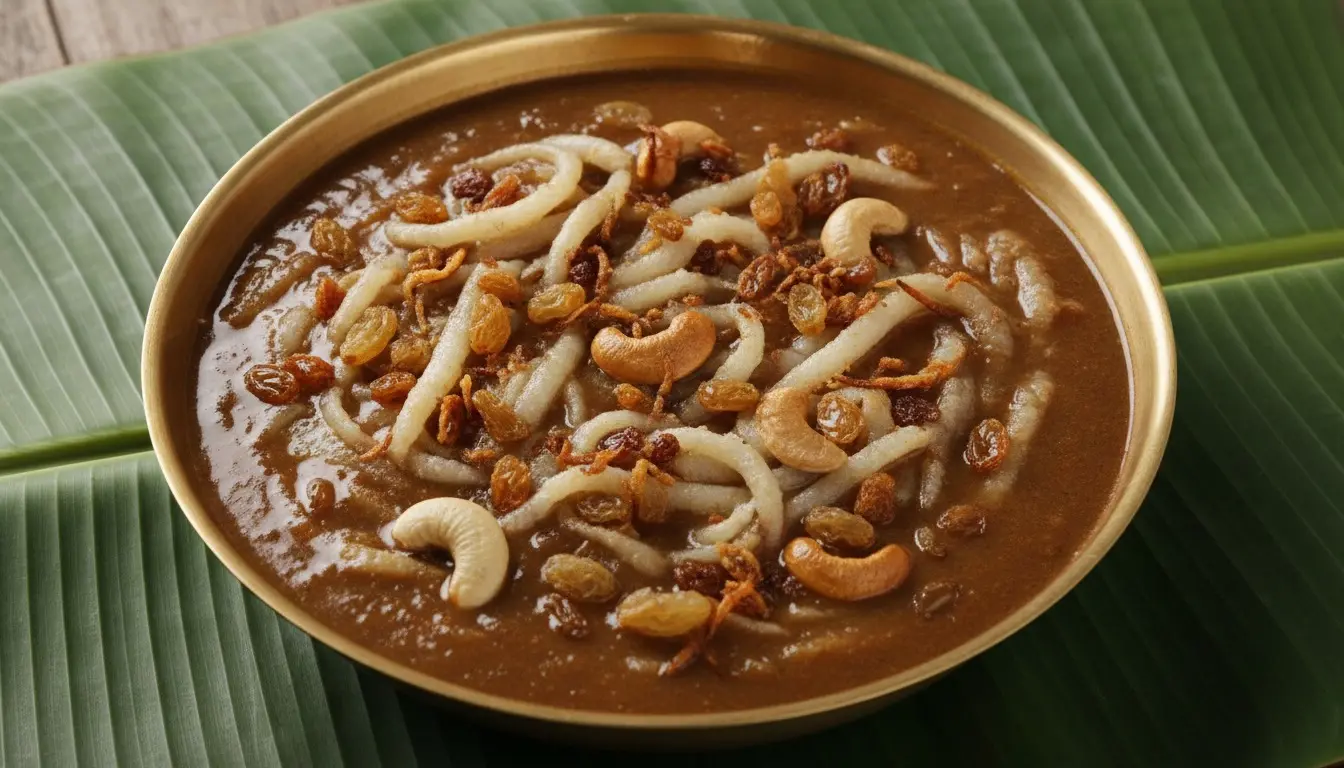
There is a moment every year when the rain settles in over Kerala and every kitchen starts smelling of fenugreek, dry ginger and coconut milk. That is Karkidaka Kanji, the medicinal rice porridge that Malayali households eat through the monsoon month of Karkidakam, and it is having a real moment online right now. Kerala food channels, Ayurveda clinics and home cooks are all posting their versions, and the reels tend to go the same way: a pot of soft red rice porridge, a swirl of thick coconut milk, and a spoonful of shallots crisped in ghee poured over the top. What surprises most people trying it for the first time is that it is not medicine that happens to be food. It is a genuinely comforting bowl, warm and mildly sweet, the kind of thing you want on a grey wet morning anywhere in the world.
About This Dish
Karkidakam is the last month of the Malayalam calendar and falls squarely in the heaviest part of the monsoon. Historically it was a lean season: fields flooded, fishing stopped, stores ran low, and illness spread. Ayurveda responded with a month of restorative eating and treatment known as Karkidaka Chikitsa, and this kanji, also called marunnu kanji or oushadha kanji, sits at the center of it. The classical version is cooked with njavara rice and a bundle of twelve to twenty four crushed herbs steeped like a poultice, prepared fresh each day. Families would collect the herbs from their own backyards, and the kanji would be eaten warm on an empty stomach for anywhere from ten to forty days straight.
Ingredient Notes
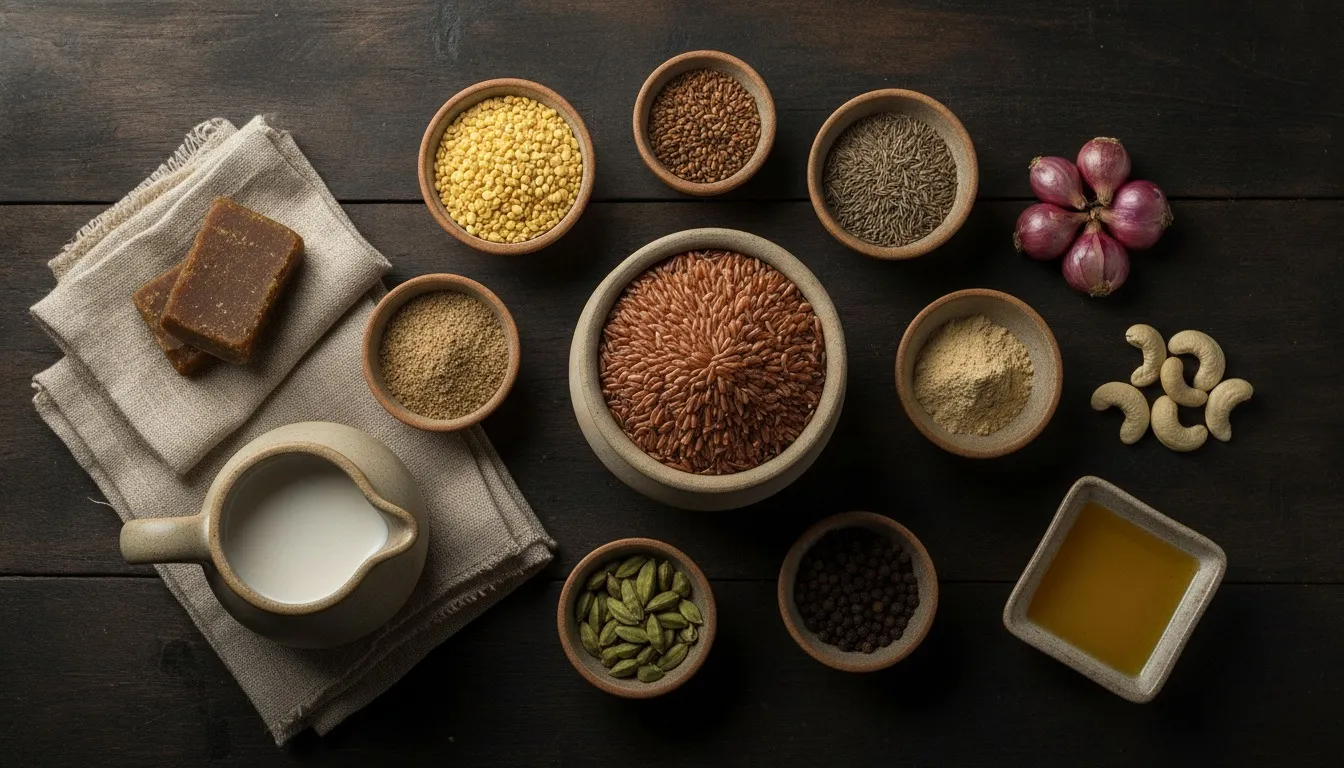
This version keeps the soul of the dish and drops the apothecary. Red rice, ideally broken kuthari or matta, gives the porridge its color and its faintly nutty body; brown rice works if that is what you have. Moong dal adds protein and helps the kanji go creamy without any thickener. The real flavor comes from four warming staples that are already in most Indian kitchens: fenugreek, cumin, dry ginger and black pepper, with a little cardamom for perfume. Coconut milk goes in twice, thin milk simmered into the porridge to loosen and enrich it, and thick milk stirred in off the heat for that final velvety finish. If you can find njavara rice or a packaged karkidaka kanji herbal mix at an Indian grocer, by all means use it, but nothing here depends on it.
Method And Tips
The two things that decide whether this comes out well are the soak and the coconut milk. Soaking the rice, dal and fenugreek together for a couple of hours lets the grains break down properly under pressure so the kanji turns soft and spoonable instead of gritty. Rushing that step is the most common reason home versions disappoint. The second rule is to never boil the porridge after the thick coconut milk goes in, since the fat will split and leave you with a grainy pot. Turn the heat off first, then stir it through. Go easy on the fenugreek too: one teaspoon gives you that pleasant bitter edge, and much more than that tips the whole bowl toward medicinal in the bad way. Strain the jaggery syrup before adding it, because unrefined jaggery blocks almost always carry a little grit.
Serving Suggestions
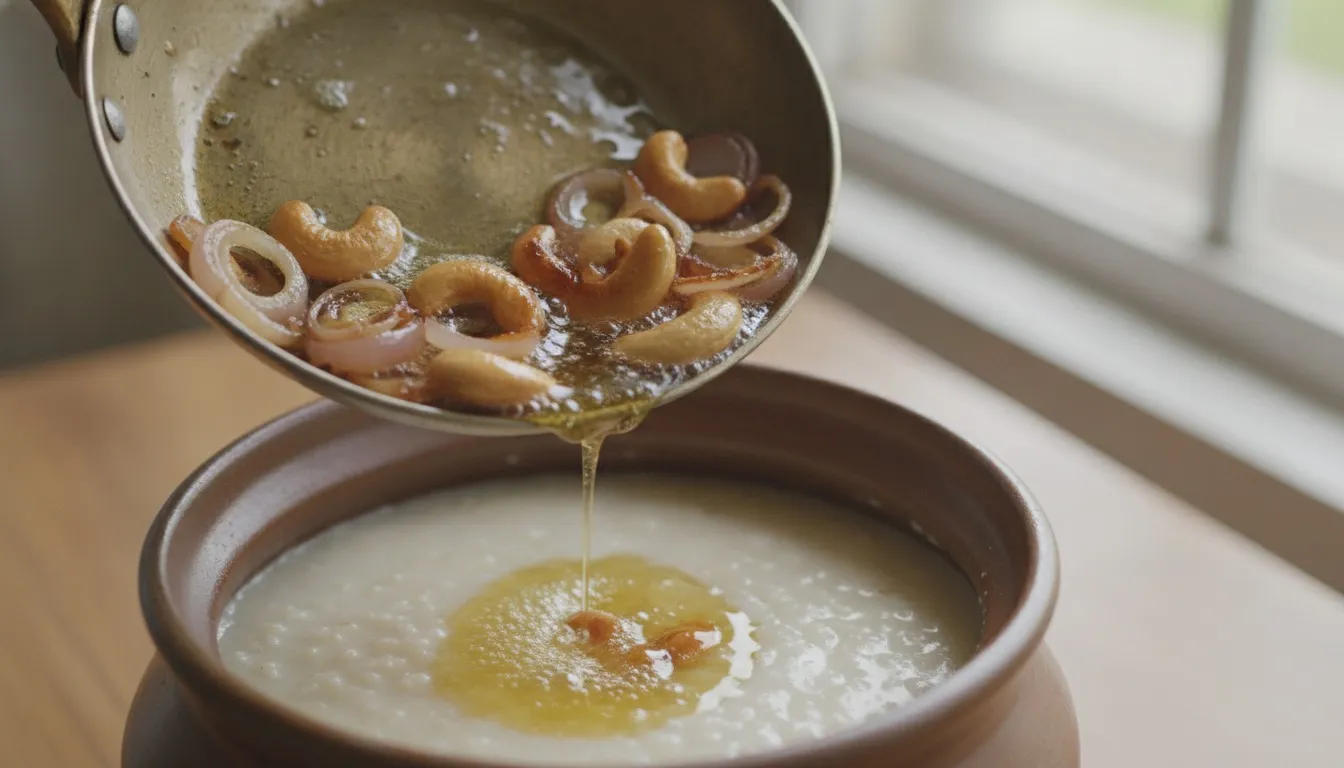
Serve it warm in a bowl, on its own, with nothing more than the ghee-fried shallots and cashews on top. It is filling enough to be breakfast and gentle enough to be dinner on a night when you want something restorative rather than heavy. Make a pot the next time the weather turns and you feel like your body could use a reset. It keeps for two days in the fridge and only needs a splash of hot water to come back to life.
Recipe
Karkidaka Kanji
A soft, savory-sweet Kerala porridge of red rice and moong dal simmered with fenugreek, cumin, dry ginger and pepper, finished with coconut milk, jaggery and a ghee tempering of shallots and cashews. Traditionally eaten through the monsoon month of Karkidakam.
- Prep
- 10min
- Cook
- 35min
- Total
- 45min
- Servings
- 4servings
- Calories
- 290kcal
Ingredients
- For the kanji
- 1/2 cup red rice, broken or coarsely cracked (kuthari or matta rice)
- 1/4 cup split green gram (moong dal)
- 1 tsp fenugreek seeds
- 1 tsp cumin seeds
- 1/2 tsp dry ginger powder (chukku)
- 1/4 tsp black peppercorns, coarsely crushed
- 3 green cardamom pods, crushed
- 4 cups water
- 1/4 tsp salt
- To finish
- 1 cup thin coconut milk (light coconut milk, or canned coconut milk thinned with equal water)
- 1/2 cup thick coconut milk (full fat)
- 1/3 cup jaggery, grated or powdered
- For the tempering
- 1 tbsp ghee
- 3 shallots, thinly sliced
- 10 cashews, halved
Instructions
- 1 Rinse the red rice and moong dal together in two or three changes of water until the water runs mostly clear. Soak them with the fenugreek seeds in plenty of water for at least 2 hours, or overnight if you can plan ahead. Soaking is what gives the finished kanji its soft, spoonable texture.
- 2 Drain the soaked rice, dal and fenugreek and add them to a pressure cooker along with the cumin seeds, dry ginger powder, crushed peppercorns, crushed cardamom, salt and 4 cups of water.
- 3 Pressure cook on medium heat for 4 to 5 whistles, about 20 minutes, then turn off the heat and let the pressure release naturally. If you are using a heavy pot instead, simmer covered for 45 to 50 minutes, stirring now and then and topping up with hot water as needed.
- 4 Open the cooker and stir the porridge well. The grains should collapse easily against the side of the pot. If it looks tight, loosen it with a little hot water; the kanji should pour slowly off a spoon.
- 5 Melt the jaggery in a small pan with 3 tablespoons of water over low heat, then strain the syrup through a fine sieve to catch any grit. Set it aside.
- 6 Pour the thin coconut milk into the cooked porridge, set the pot over low heat, and simmer gently for 5 to 7 minutes until it thickens slightly. Stir often so the bottom does not catch.
- 7 Stir in the strained jaggery syrup and simmer for 2 more minutes. Taste and add a little more jaggery if you want it sweeter.
- 8 Turn off the heat, then stir in the thick coconut milk. Do not boil the kanji after this point, or the coconut milk can split and turn grainy.
- 9 Heat the ghee in a small pan over medium heat. Fry the cashews until they turn golden, then add the sliced shallots and fry until they are crisp and browned at the edges, about 2 minutes.
- 10 Pour the ghee tempering over the kanji, stir once, and serve warm in bowls. It thickens as it sits, so loosen it with a splash of hot water or coconut milk when reheating.
Notes
- Fenugreek is the backbone of this porridge, but it turns bitter fast. Stay at 1 teaspoon for this batch size no matter what other recipes suggest.
- Njavara rice is the traditional grain and is worth using if you can find it at an Indian grocer. Red matta rice, broken brown rice, or even plain brown rice all work well as everyday substitutes.
- For a savory version, leave out the jaggery entirely, bump the salt to 1/2 teaspoon, and add a few extra curry leaves to the ghee tempering.
- Traditionally this is eaten warm on an empty stomach in the morning, or in the evening in place of dinner.