Authentic Ellu Sadam Recipe (Tamil Sesame Rice)
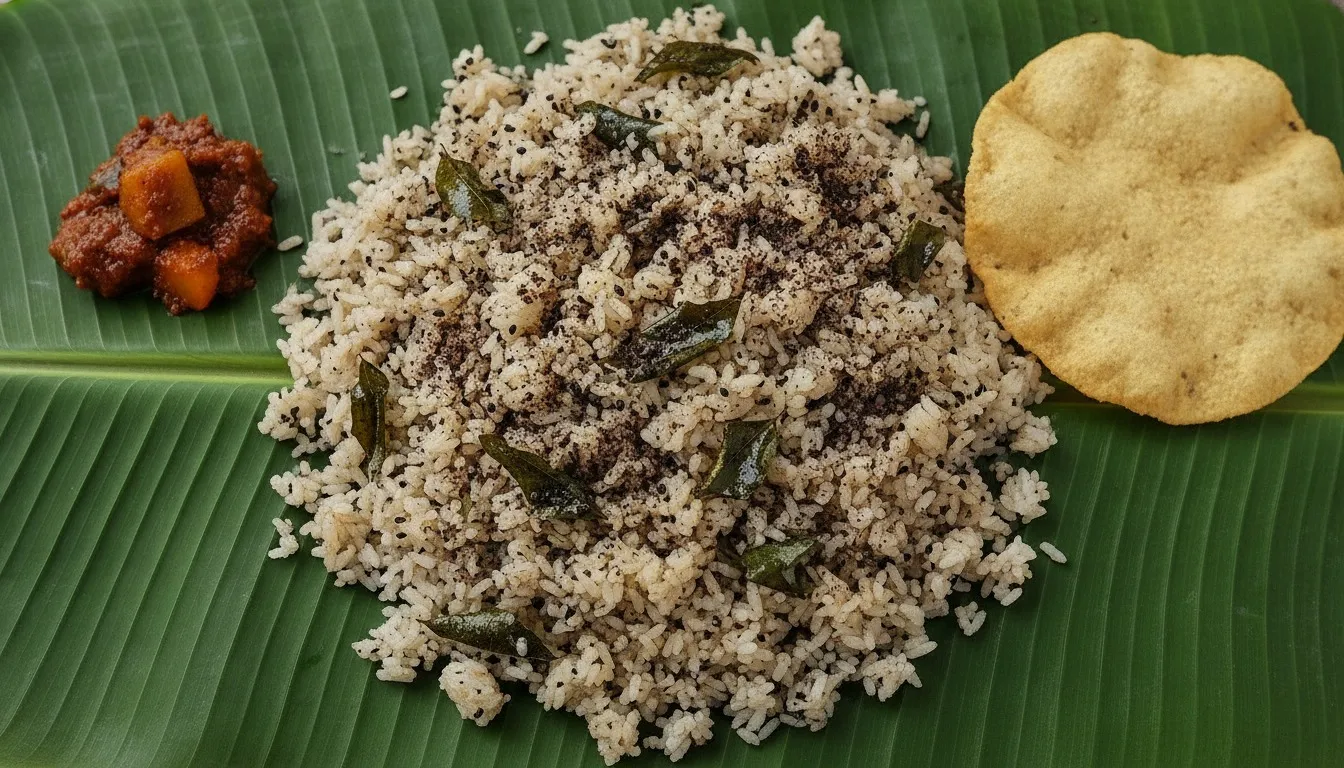
Ellu sadam is the quiet star of the South Indian variety rice family. It is nothing more than cooled rice tossed with a coarse powder of roasted sesame seeds, urad dal, and red chilies, and yet the nuttiness that comes out of those toasted seeds is deeper and more satisfying than the ingredient list suggests. Interest in it climbs every year when the Tamil month of Aadi comes around and cooks go looking for the five traditional rices offered on Aadi Perukku, and it has been having a real moment across recipe blogs and Instagram reels as people rediscover regional festival food. It is also one of the easiest variety rices to get right, which is a rare combination. If you can toast a spice and cook a pot of rice, you can make this.
About This Dish
The dish belongs to the Tamil tradition of kalandha sadam, or mixed rices, which were built for portability and for the temple. Rice mixed with a dry podi keeps well for hours without refrigeration, which made these dishes the natural choice for offerings, long journeys, and lunch carriers. Ellu sadam in particular is tied to Aadi Perukku, the festival that honors the rivers on the eighteenth day of Aadi, and to Purattasi Saturdays, where it appears alongside coconut rice, tamarind rice, lemon rice, and curd rice. Black sesame carries auspicious weight in Tamil ritual cooking, which is why the traditional version leans on it rather than the white seeds sold more widely abroad.
Ingredient Notes
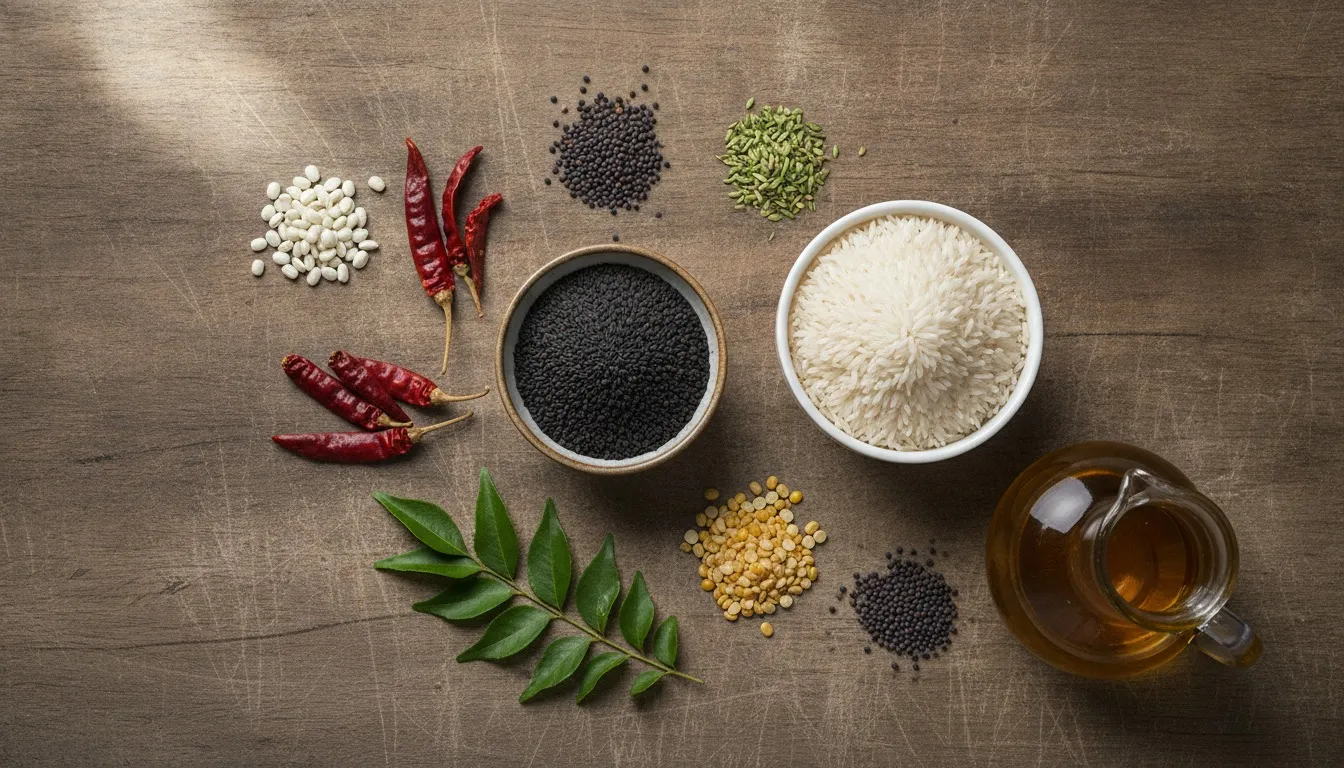
Sesame seeds are the whole point here, so buy them somewhere with turnover; sesame goes rancid quickly and stale seeds will taste flat and slightly bitter no matter how carefully you roast them. Black sesame is traditional and gives the rice its characteristic speckled look and earthier flavor, but white sesame is a perfectly good substitute and is easier to find. Gingelly oil, also sold as til oil or Indian sesame oil, is the right fat for both the rice and the tempering, and it is worth using rather than substituting: it doubles down on the sesame flavor the dish is built around. Do not reach for toasted Chinese or Korean sesame oil, which is a different, much more assertive product. As for the rice, a short or medium grain raw rice is what would be used at home in Tamil Nadu, though any rice that cooks up separate rather than sticky will work, including day-old leftovers.
Method And Tips
Two things decide whether this comes out well. The first is the grind: pulse the podi in short bursts and stop while it still feels coarse and sandy between your fingers. Sesame is oily, and a long grind will smear it into a paste that clumps in the rice instead of coating it. The second is temperature. The rice must be fully cooled before the podi goes in, because hot, steaming rice will absorb the powder unevenly and turn gluey. Spread it out on a wide plate with a little oil and let it come down to room temperature while you do the roasting; the wait is what buys you separate, well-coated grains. Roast the dals and the sesame separately rather than all together, since the dals need longer and the seeds burn fast.
Serving Suggestions
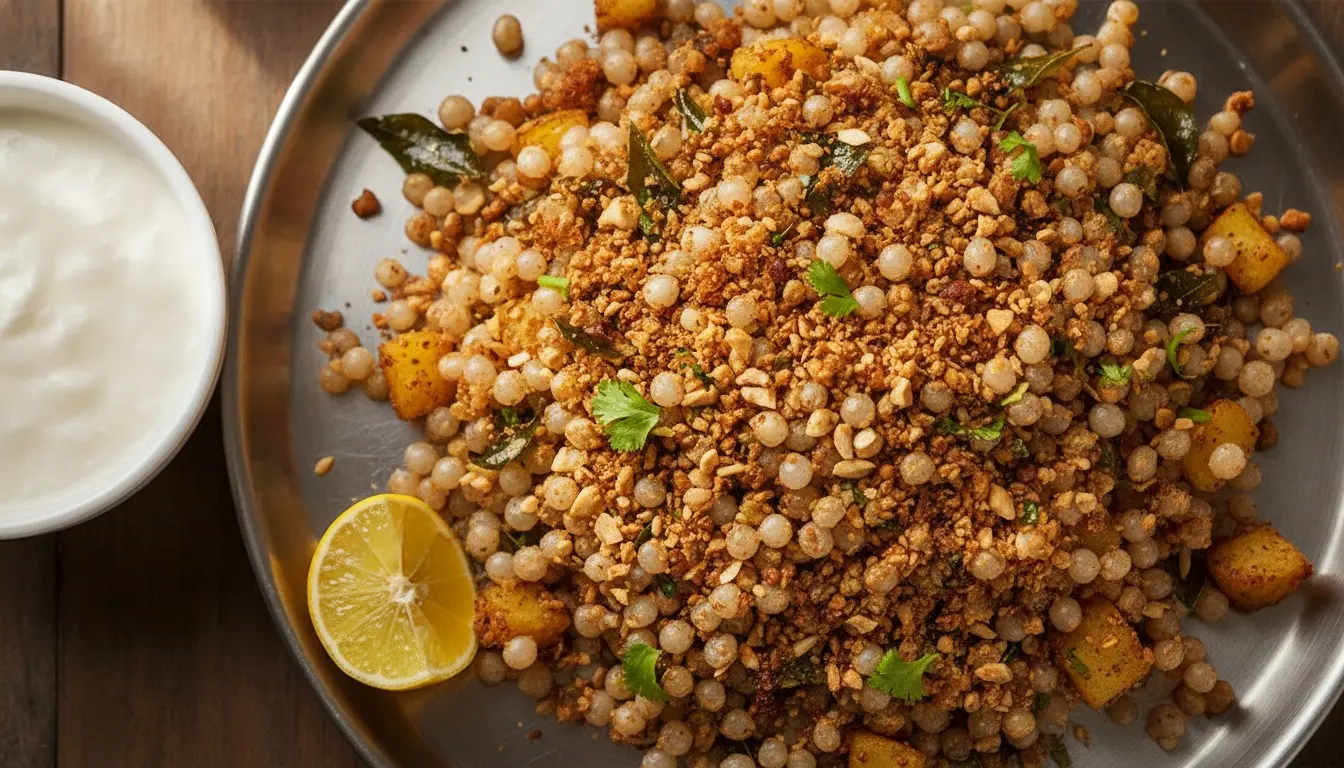
Serve ellu sadam at room temperature with fried appalam or vadam on the side, a spoonful of thick curd, and something sharp like a mango or lemon pickle. It travels beautifully, which makes it a good lunchbox rice and a good picnic dish, and it is one of the few festival foods that tastes better an hour after it is made than it does straight away. Make it once during Aadi and it will earn a permanent place in your weeknight rotation.
Recipe
Ellu Sadam (Tamil Sesame Rice)
A traditional Tamil variety rice made by tossing cooled cooked rice with a coarsely ground podi of roasted sesame seeds, urad dal, and red chilies, then finishing with a gingelly oil tempering. It is nutty, mildly spicy, and served at room temperature.
- Prep
- 10min
- Cook
- 20min
- Total
- 30min
- Servings
- 4servings
- Calories
- 320kcal
Ingredients
- For the rice
- 1 cup raw rice or short grain rice
- 2 cups water
- 1 tbsp gingelly (sesame) oil
- 1 tsp salt
- For the sesame podi
- 1/4 cup black or white sesame seeds
- 1 tsp gingelly (sesame) oil
- 1 tbsp urad dal
- 1 tsp chana dal
- 3 whole dried red chilies
- For the tempering
- 2 tsp gingelly (sesame) oil
- 1/2 tsp mustard seeds
- 1 tsp urad dal
- 1 whole dried red chili, broken
- 1 sprig curry leaves
- 1/8 tsp asafoetida
Instructions
- 1 Rinse the rice two or three times until the water runs mostly clear. Cook it with 2 cups of water, either in a pressure cooker for 3 to 4 whistles or in a covered pot for about 15 minutes, until the grains are soft but still separate.
- 2 Spread the hot rice out in a wide bowl or plate. Drizzle over 1 tbsp gingelly oil and the salt, and fluff gently with a fork so the grains separate. Let it cool to room temperature while you make the podi. Cooling matters: warm rice turns pasty when the powder goes in.
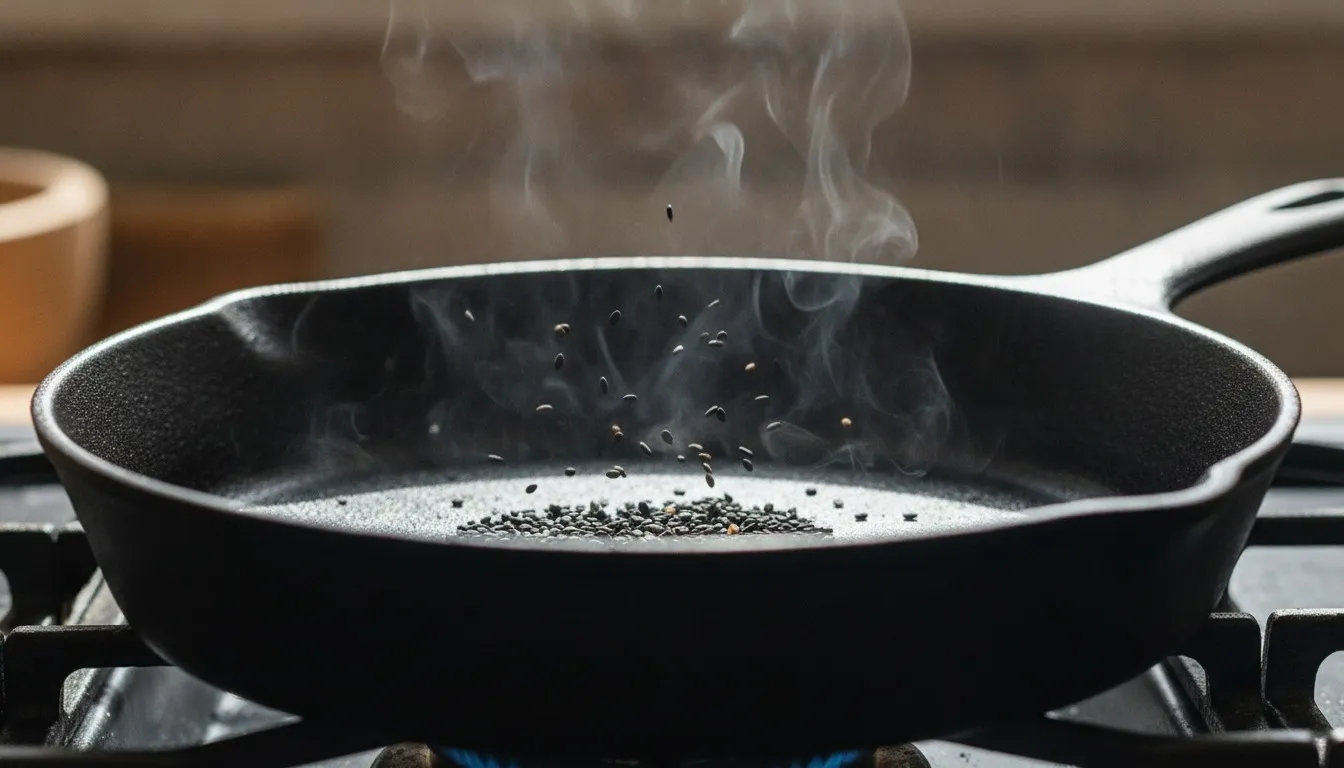
- 3 Heat a dry pan on medium and roast the sesame seeds, stirring constantly, for 2 to 3 minutes until they start to crackle and smell nutty. Lower the heat as soon as they begin popping so they do not burn. Tip them onto a plate to cool.
- 4 In the same pan, warm 1 tsp gingelly oil and roast the urad dal, chana dal, and 3 red chilies on medium heat for 3 to 4 minutes, until the dals turn an even golden brown. Add them to the plate with the sesame seeds and let everything cool completely.
- 5 Grind the cooled dals and chilies first in a small mixer jar into a coarse powder, then add the sesame seeds and pulse in short bursts. Stop while the mixture is still coarse and sandy. Grinding sesame too long releases its oil and turns the podi into a paste.
- 6 Wipe out the pan and heat 2 tsp gingelly oil. Add the mustard seeds and wait for them to splutter, then add the urad dal, broken red chili, and curry leaves. Fry for about 30 seconds until the dal is golden and the leaves are crisp, then stir in the asafoetida and take the pan off the heat.
- 7 Pour the tempering over the cooled rice and add the sesame podi. Mix gently with your hand or a light folding motion so the grains stay whole and every grain picks up the powder.
- 8 Taste and adjust the salt. Let the rice sit for 10 minutes before serving so the podi settles into the grains.
Notes
- Black sesame seeds are what most Tamil households use for Aadi and give the rice its traditional speckled, earthy character. White sesame works fine and gives a lighter, milder result.
- For a slightly richer podi, roast 2 tbsp grated fresh or frozen coconut along with the dals and grind it in. Use the rice the same day if you do this.
- A tablespoon of roasted peanuts fried in the tempering adds crunch and is a common home addition, though it is not part of the temple-style version.
- Leftover podi keeps in an airtight jar at room temperature for up to a week, so it is worth doubling the batch for a quick lunchbox rice later.