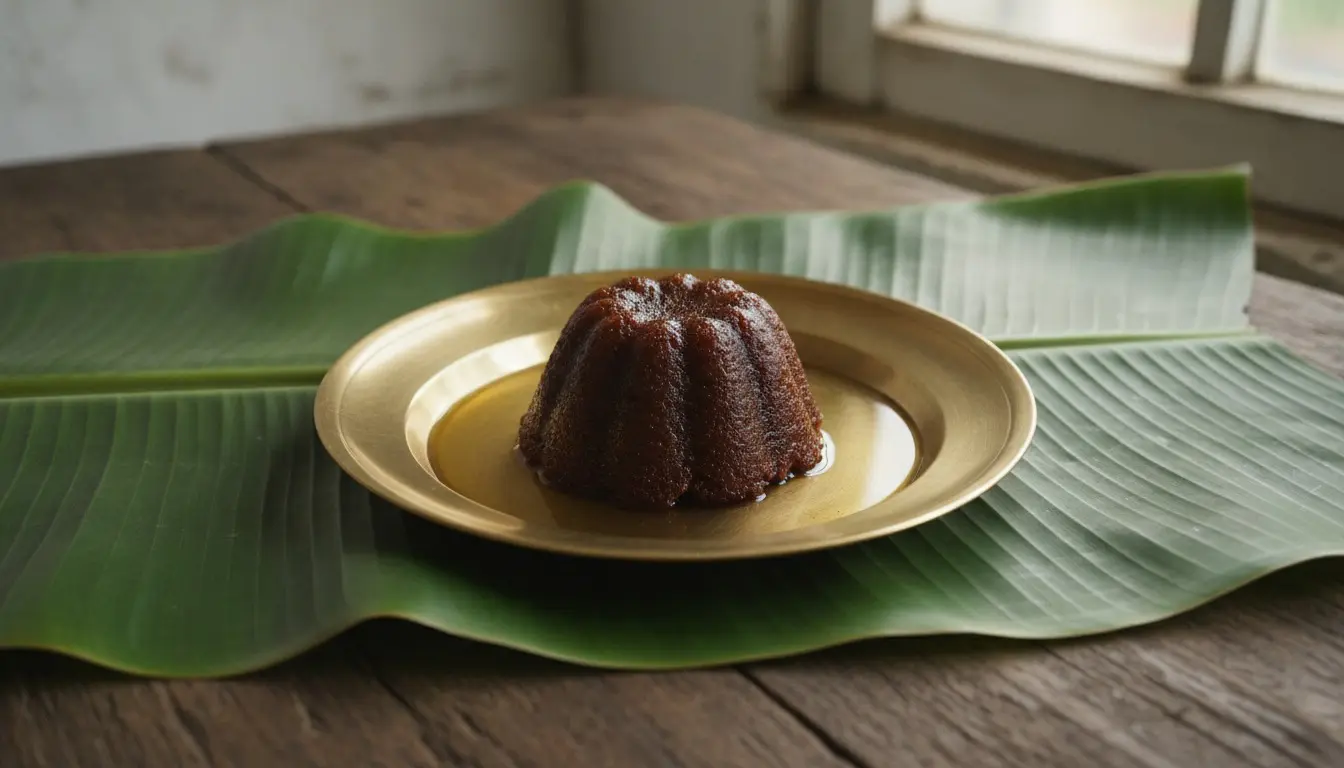
Dry Ginger and Coriander Tea (Sukku Malli Kaapi) for Occasional Tension Headaches
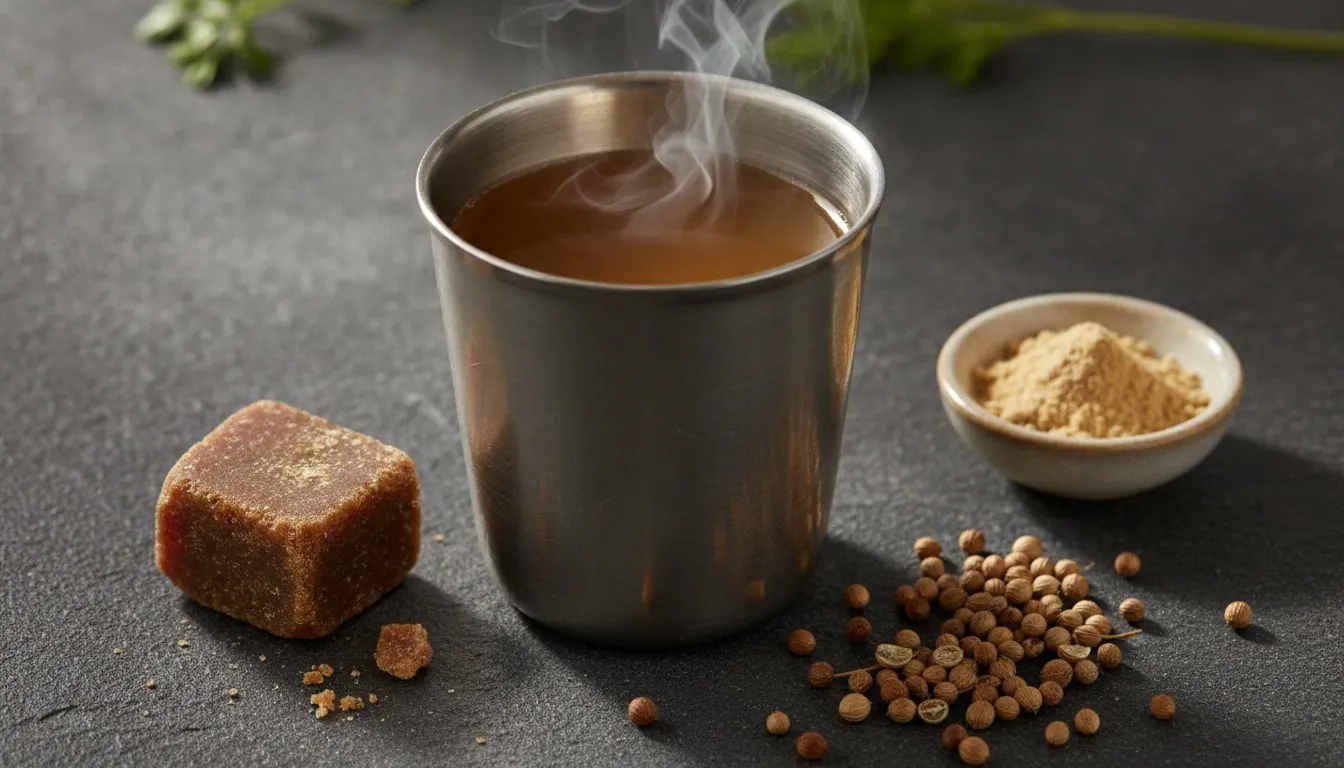
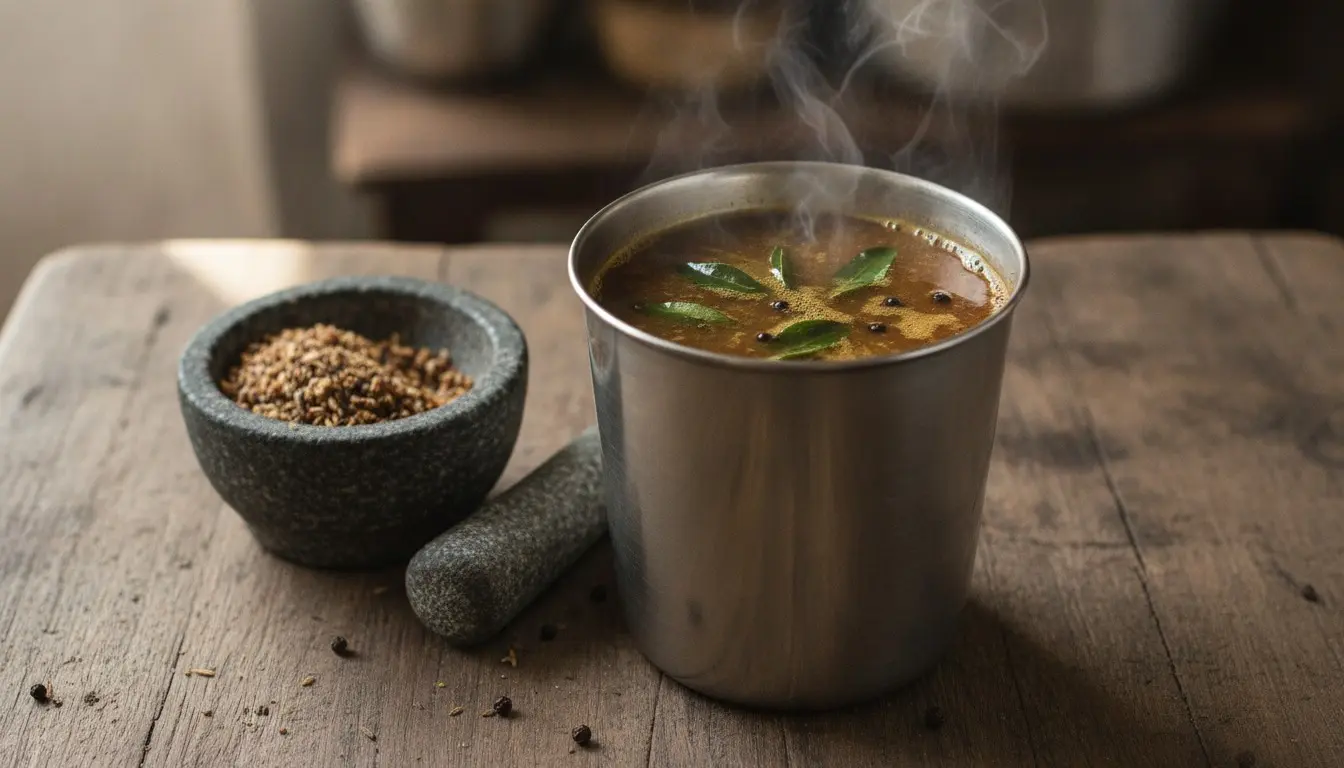
It usually arrives late in the afternoon: a dull band of pressure across the forehead or a tight ache behind the eyes, the kind that follows a skipped lunch, a bad night of sleep, too many hours squinting at a screen, or a damp, heavy day. It is not the sort of headache that sends anyone to a doctor, but it makes the rest of the evening harder than it needs to be. In Tamil kitchens the standard answer has never been a tablet first. It has been a small tumbler of sukku malli kaapi, a caffeine-free brew of dry ginger and coriander seeds, warm and pungent and sweetened with a little jaggery.
The Ayurvedic Perspective
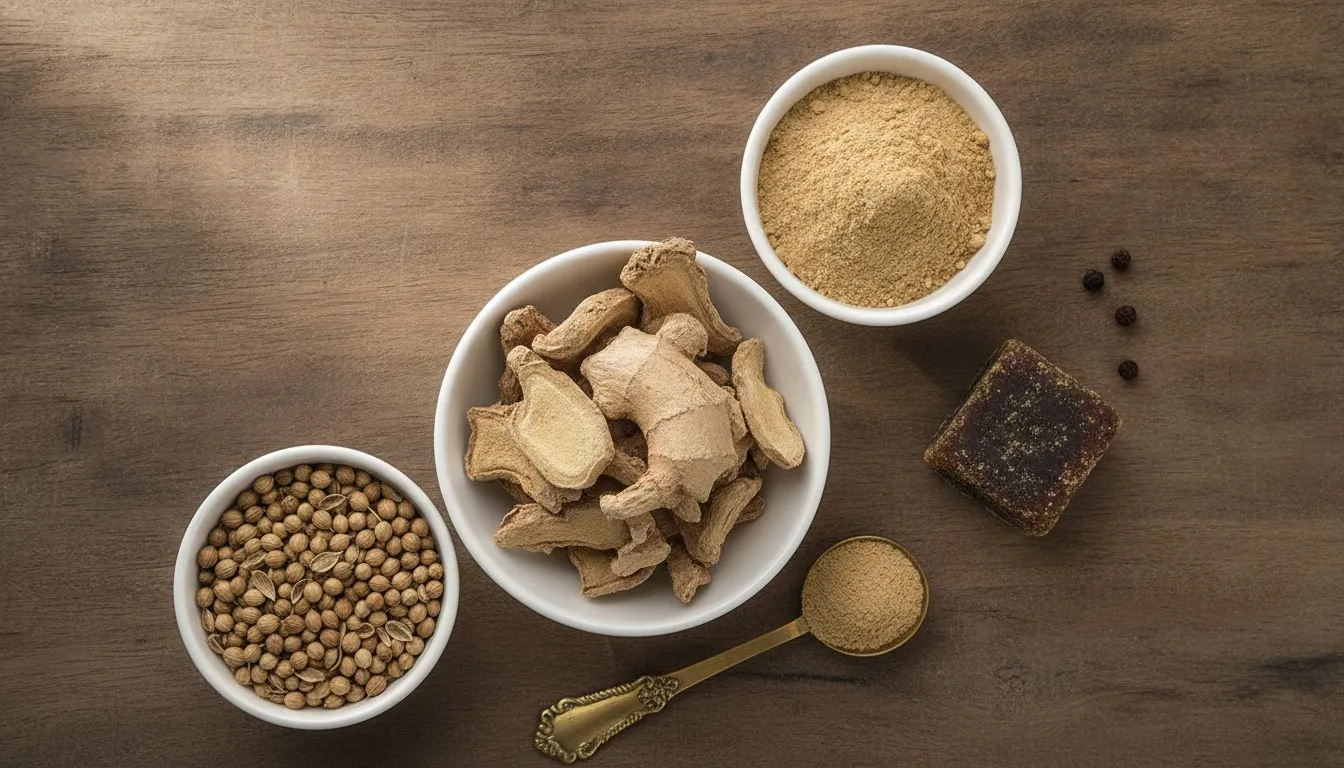
Ayurveda groups these everyday headaches under shirashoola, and reads the common household version as a vata disturbance, the kind that comes with tension, irregular meals, cold wind, and poor sleep, or a kapha disturbance, the heavy, dull, congested head that comes in damp weather. Both are cold and stagnant in character, and the classical answer to cold and stagnant is something warm, light, and pungent. Dry ginger, shunthi, is exactly that: katu rasa, pungent in taste, and ushna virya, heating in potency, which makes it directly vata and kapha pacifying. Shunthi is treated with such regard in the classical literature that it carries the epithet Vishwabheshaja, the universal medicine, and the 17th-century Vaidyavallabha recommends it across headache types. Coriander seed, dhanyaka, is the South Indian household correction to all that heat: it is cooling and soothing, so the drink warms and clears without stoking pitta. There is even a Tamil proverb for it, chukkukku minjina vaidhyam illai, there is no medicine greater than dry ginger.
What Modern Biology Says
Drying ginger changes its chemistry in a useful way, converting some of its gingerols into shogaols and concentrating the pungent compounds. In laboratory studies these act on cyclooxygenase and lipoxygenase enzymes and reduce production of prostaglandin E2, which is the same inflammatory pathway that everyday over-the-counter pain relievers work on, and lab and animal work also suggests gingerols touch serotonin receptor pathways involved in pain. Unusually for a kitchen spice, there is real human trial data here too, though it is narrower than it first appears. A 2014 double-blind randomized trial in Phytotherapy Research found that 250 mg of ginger powder taken at the onset of an attack produced pain relief statistically comparable to 50 mg of sumatriptan, with fewer side effects, although that trial had no placebo group and patients scored their own headaches. A 2019 double-blind, placebo-controlled trial in Cephalalgia found that adding ginger extract to an intravenous painkiller in a hospital emergency room improved pain relief over the next two hours, which supports ginger as a helper alongside treatment rather than as a replacement for it. Both studies looked at migraine, not ordinary tension headache, and both used a standardized powder or extract rather than a home decoction. Coriander, for its part, has no human headache trials at all; it is in the cup for flavour, for tradition, and for its cooling balance against the ginger. So the honest reading is that the mechanism is well characterized and the human evidence for ginger is encouraging, but a cup of tea is not a clinically dosed tablet.
How And When To Use It
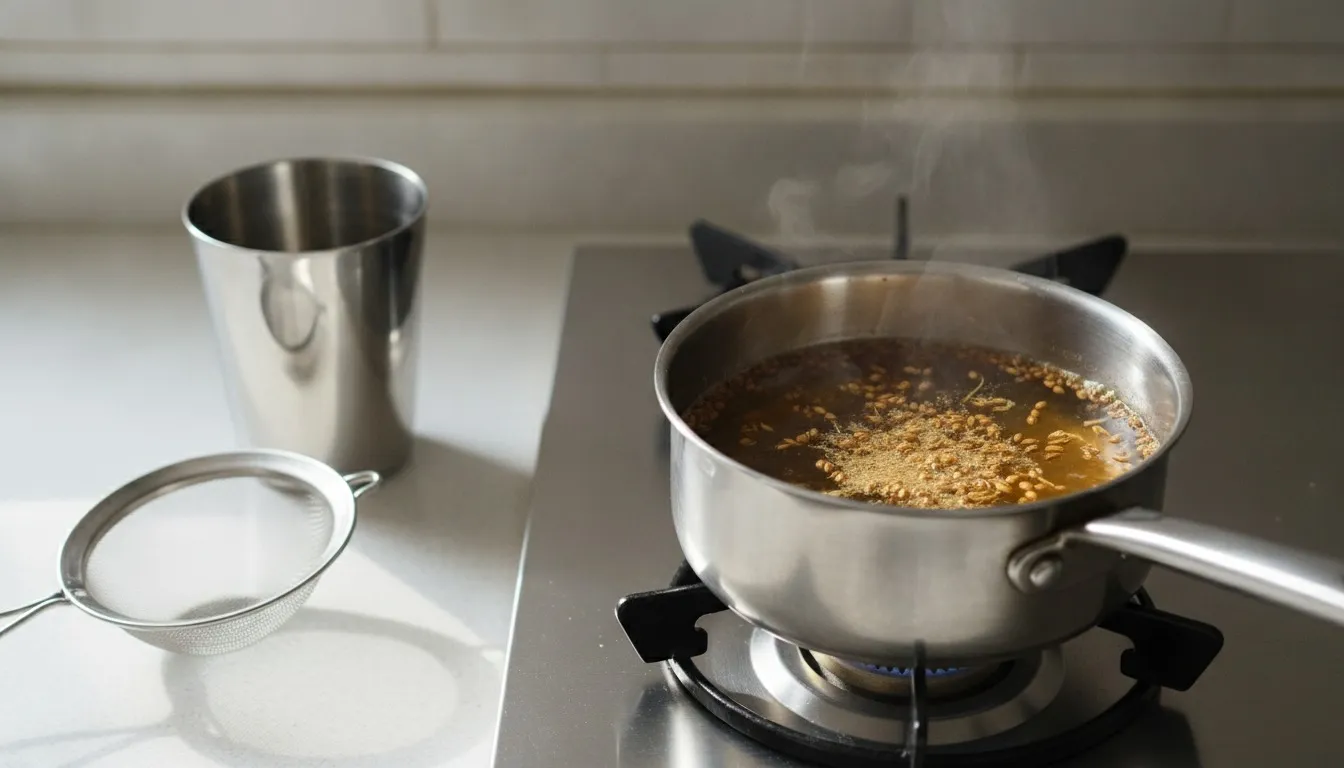
Reach for this at the first sign of the headache rather than after hours of pushing through it, since ginger seems to work best taken early. Half a teaspoon of dry ginger powder simmered with crushed coriander seeds in about a cup and a half of water, reduced down and strained, is a single dose. Drink it warm and slowly, ideally after a light snack rather than on an empty stomach, and give it thirty to sixty minutes while sitting somewhere quiet. Most people find the tightness loosens and the heaviness lifts. A second cup later in the day is fine, but two in 24 hours is the sensible ceiling.
Cautions And A Note On Medical Care
A few cautions matter. Gingerols reduce platelet aggregation, so anyone on warfarin, clopidogrel, or daily aspirin should check with a doctor before drinking this regularly. Ginger is heating and can aggravate reflux or gastritis, so stop if it burns. Most importantly, this is a remedy for the ordinary occasional headache only: a sudden severe headache, a headache after a head injury, or one with fever, stiff neck, vision changes, or confusion needs medical attention now, not a kashayam, and headaches that keep coming back deserve a proper look from a doctor. This is traditional wisdom and not a substitute for medical care. If the day has left you with that familiar dull ache, though, it is worth ten minutes at the stove before it is worth a tablet.
References
These are the peer-reviewed human studies and reviews behind the modern-evidence claims above. They open in a new tab.
- Maghbooli et al., Phytotherapy Research, 2014. In 100 people with migraine without aura, 250 mg of ginger powder taken at the start of an attack reduced pain about as much as 50 mg of sumatriptan, with fewer side effects. There was no placebo group and patients recorded their own outcomes.
- Martins et al., Cephalalgia, 2019. Adding 400 mg of ginger extract to intravenous ketoprofen in an emergency room gave better pain response at 1, 1.5 and 2 hours than ketoprofen plus placebo, in 60 patients. The authors concluded ginger may contribute to treating a migraine attack, an add-on effect rather than a stand-alone one.
Recipe
Dry Ginger and Coriander Headache Tea
A warm, caffeine-free South Indian brew of dry ginger powder and crushed coriander seeds, sweetened lightly with jaggery, taken at the first sign of a dull tension headache. Dry ginger, shunthi in Ayurveda, is heating and vata pacifying, and its gingerols act on the same prostaglandin pathway targeted by everyday pain relievers.
- Prep
- 2min
- Cook
- 8min
- Total
- 10min
- Servings
- 1doses
Ingredients
- 1/2 tsp dry ginger powder (sukku, sonth, or a small piece of dry ginger crushed)
- 1 tsp coriander seeds, lightly crushed
- 1.5 cups water
- 1 tsp jaggery or palm jaggery, grated (optional)
- 2 black peppercorns, crushed (optional, for a heavy, congested head)
Instructions
- 1 Lightly crush the coriander seeds, and the peppercorns if using, with the back of a spoon or in a small mortar. You want them broken open, not powdered.
- 2 Bring the water to a boil in a small saucepan, then add the crushed coriander seeds and the dry ginger powder.
- 3 Lower the heat and simmer gently for 6 to 8 minutes, until the water turns a deep amber and smells strongly of ginger. It should reduce to roughly one cup.
- 4 Turn off the heat, stir in the jaggery if using, and let it dissolve. Strain into a cup or tumbler.
- 5 Sip it warm, slowly, at the first sign of a dull or tight headache, ideally after a light meal or snack rather than on an empty stomach. Sit somewhere quiet while you drink it.
- 6 Repeat once more later in the day if needed, up to two cups in 24 hours. If the headache has not eased within a few hours, or keeps returning, treat that as a signal to see a doctor rather than to brew a third cup.
Notes
- If you take blood thinners such as warfarin, clopidogrel, or daily aspirin, talk to your doctor before using ginger regularly, since gingerols reduce platelet aggregation and may add to the effect.
- Ginger is heating and can worsen reflux, heartburn, or gastritis in some people. Sip it after food rather than on an empty stomach if your stomach is sensitive, and stop if it stings.
- Keep it to one or two cups a day. More dry ginger does not mean more relief, and large amounts can cause a burning stomach and loose stools.
- This is for the occasional ordinary headache only. See a doctor promptly for a sudden severe headache, a headache after a head injury, a headache with fever, stiff neck, vision changes, weakness, or confusion, or headaches that are becoming more frequent.
- Consult your doctor if symptoms persist beyond 3 days or worsen. This is traditional wisdom and not a substitute for medical care.