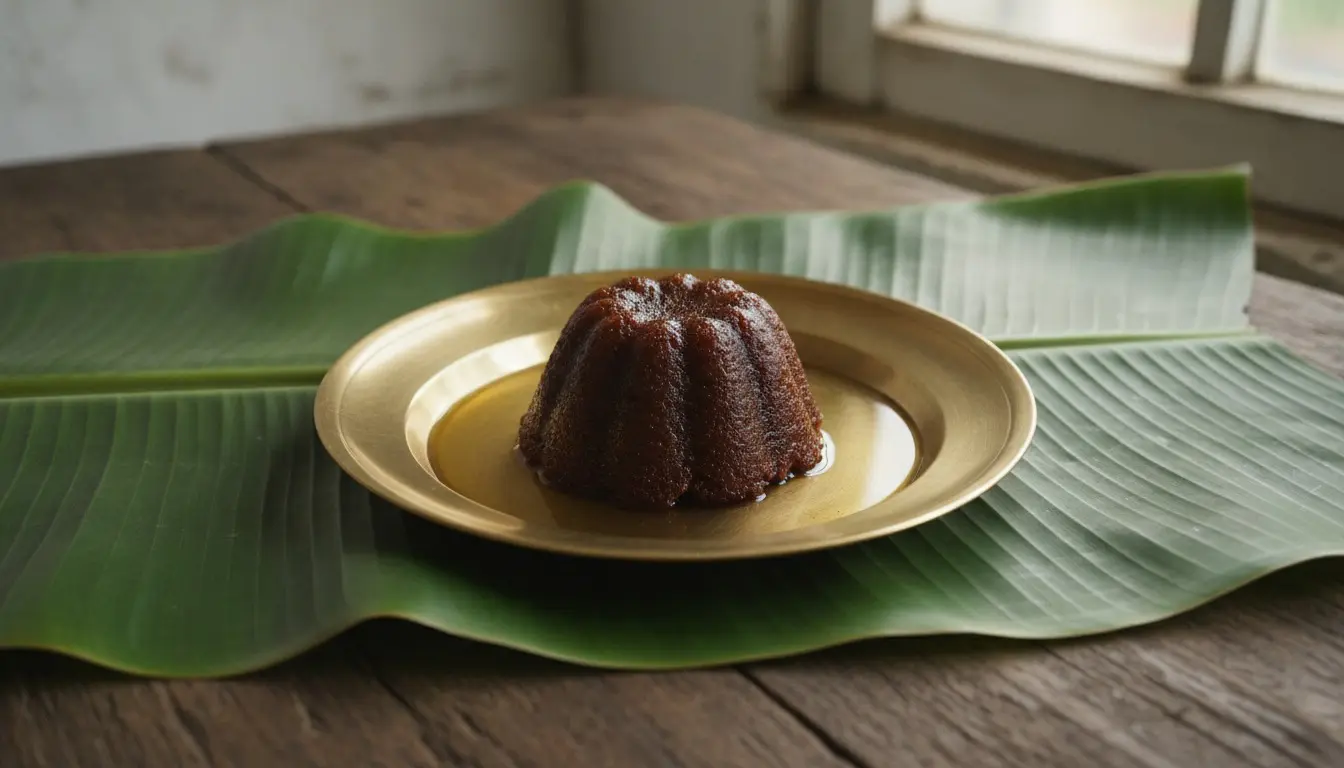
Tender Coconut Water (Elaneer) for Summer Heat, Mild Dehydration, and Acidity
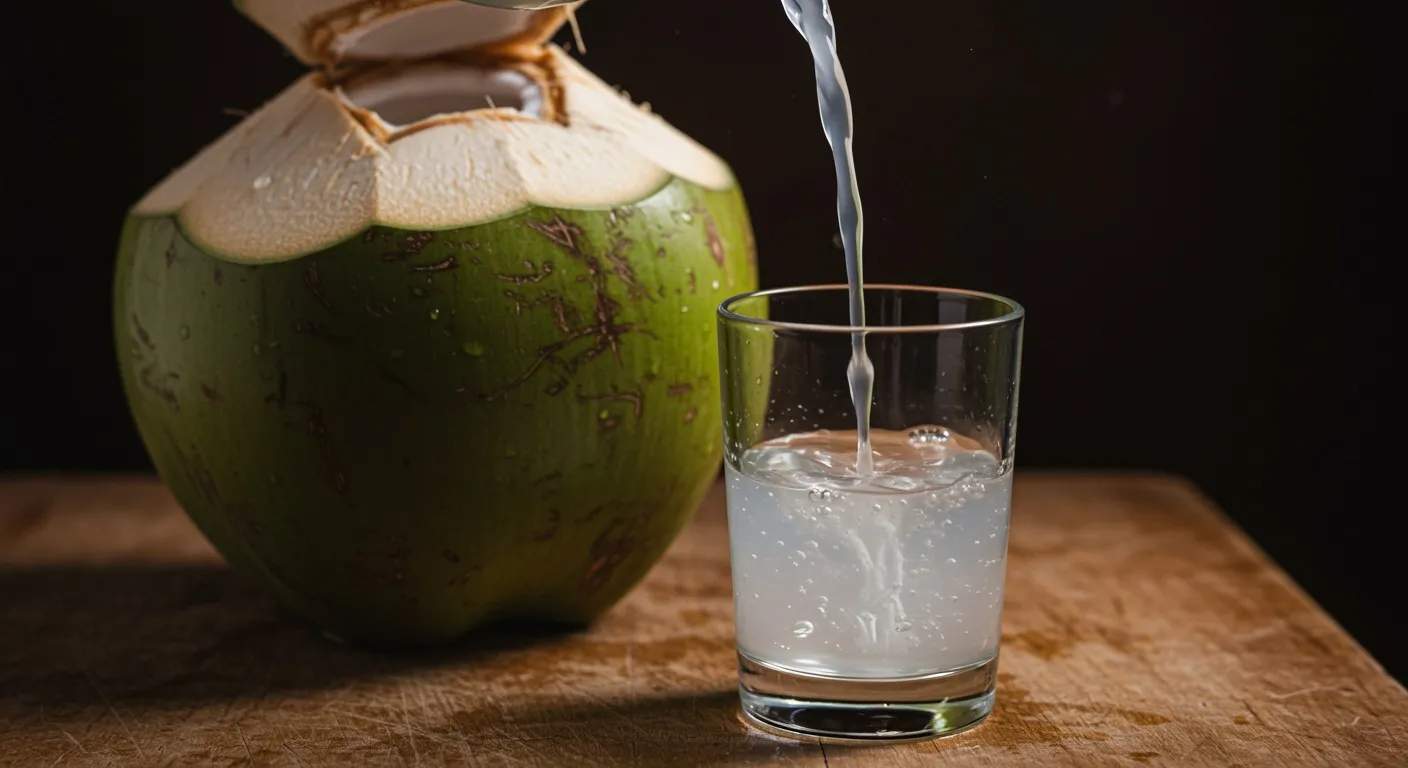
When the afternoon sun is relentless, most of us know the feeling: a dull thirst that plain water does not quite fix, a flushed and overheated body, maybe a touch of acid creeping up after a heavy lunch. It is the everyday tax of hot weather and rich meals. Long before sports drinks existed, South Indian kitchens reached for the simplest answer hanging from the trees outside: the water of a fresh tender green coconut, known across Tamil homes as elaneer and across Ayurveda as Narikela udaka.
The Ayurvedic Perspective
Ayurveda reads summer heat, excessive thirst, burning sensations, and acid reflux as signs of aggravated pitta, the dosha that carries the qualities of fire and water and governs digestion and body temperature. To calm pitta you offer the opposite qualities: sweet, cooling, and soothing. Tender coconut water fits perfectly. Classical texts including the Kaiyadeva Nighantu and Bhav Mishra’s Bhavaprakasha describe it as madhura (sweet) and sheeta (cold in potency), able to pacify pitta and quench deep thirst. It is also called pranaropana, life-restoring, and anuloma, gently guiding heat and waste downward and out through the urinary tract, which is why it has long been treated as a clean, restorative summer drink rather than just a thirst-quencher.
What Modern Biology Says
Modern analysis explains the old wisdom well. Coconut water is naturally rich in potassium with smaller amounts of sodium, magnesium, and calcium, and its concentration is remarkably close to that of human blood plasma, so it absorbs easily. Small controlled human trials, including work by Saat and colleagues in the Journal of Physiological Anthropology and Applied Human Science and by Kalman and colleagues in the Journal of the International Society of Sports Nutrition, found that fresh young coconut water rehydrates the body after exercise about as well as a carbohydrate-electrolyte sports drink or plain water, with no real difference in the measures that mattered. In the Saat trial people found it sweeter and felt less nausea and fullness, so it was easier to sip in larger amounts; in the Kalman trial, though, drinking more than two liters within an hour actually brought on more bloating and stomach upset, so how well it sits depends on the person and on how fast it goes down. The rehydration evidence is reasonably solid; its reputation for easing acidity is more preliminary and rests mainly on the fact that it is mild, low in acid, and gentle on an irritated gut.
How And When To Use It
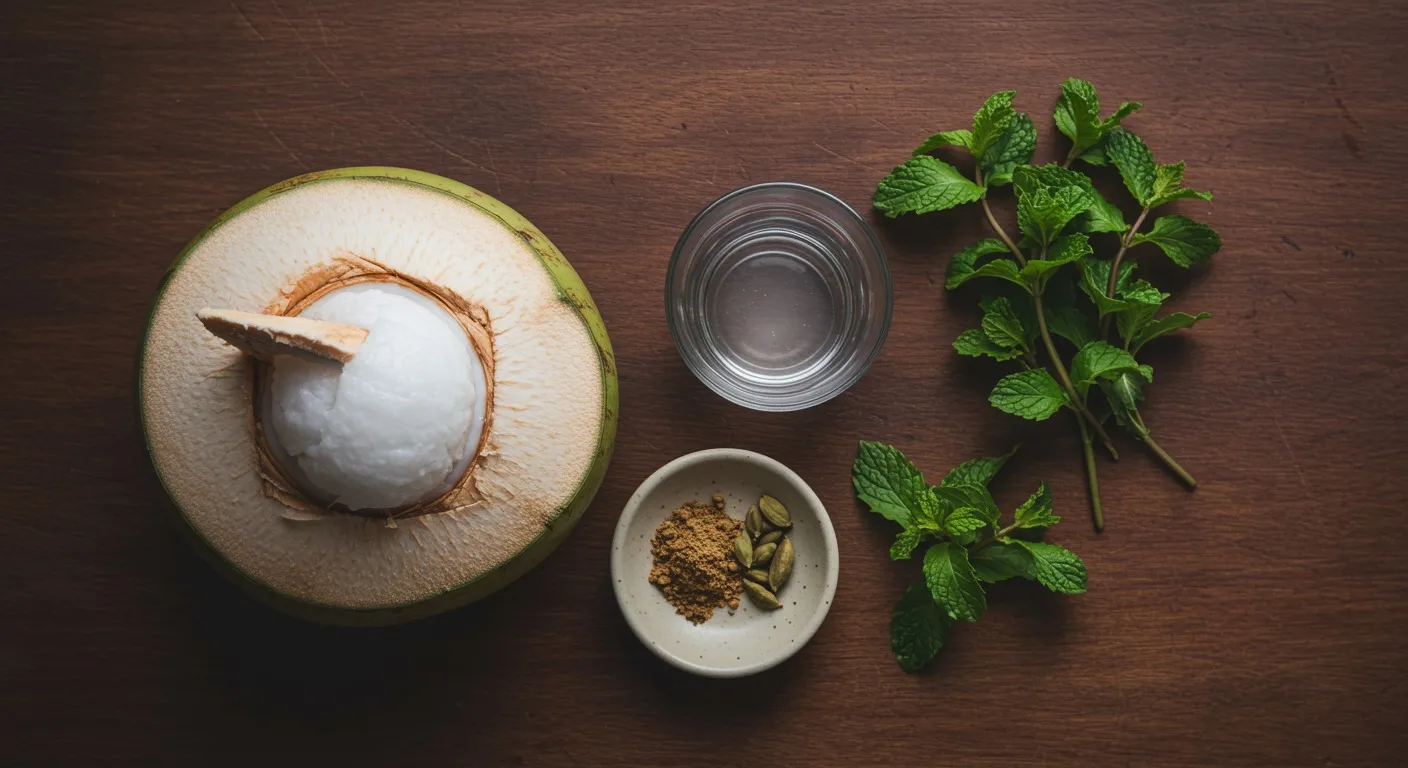
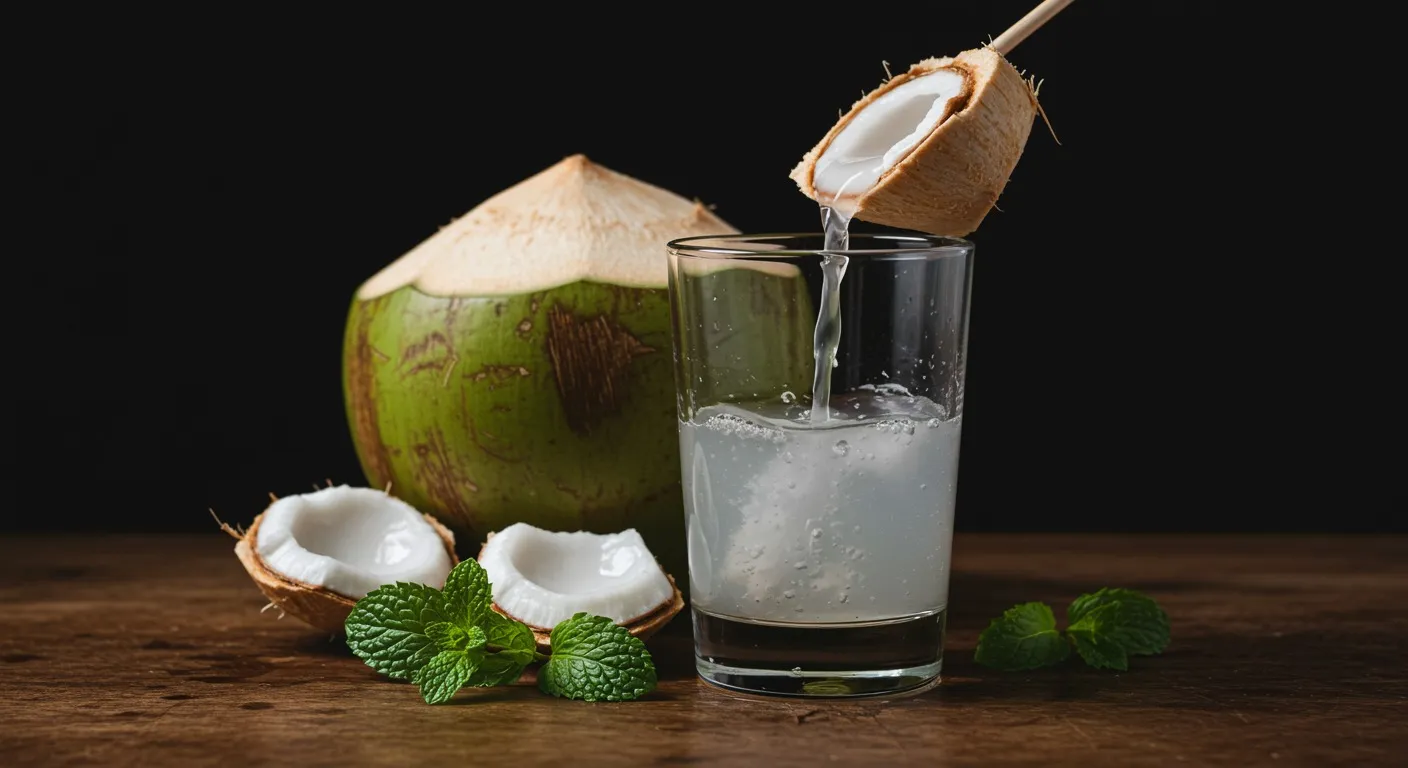
Reach for tender coconut water on hot days, after sweating outdoors, or when you feel overheated, parched, or mildly acidic after a meal. One coconut, roughly a cup or two of water, is a sensible serving, taken fresh in the mid-morning or mid-afternoon. Drink it as is, or add a pinch of cardamom or a few mint leaves for extra cooling. It works best as a refreshing, restorative drink rather than something you need to take on a strict schedule, so simply enjoy it when the heat calls for it.
Cautions And A Note On Medical Care
Tender coconut water is very safe for most healthy adults, but a few people should be careful. Because it is high in potassium, anyone with kidney disease or taking potassium-sparing diuretics, ACE inhibitors, or ARBs for blood pressure should check with a doctor first, since extra potassium can build up. It is also meant for mild, everyday thirst and heat, not for serious dehydration from heavy vomiting or diarrhea, which needs proper oral rehydration solution or medical attention. See your doctor if acidity, overheating, or dehydration lasts beyond two to three days or gets worse. This is traditional wisdom and not a substitute for medical care, but on a sweltering June afternoon, a fresh tender coconut is one of the most pleasant ways to cool down that Ayurveda has to offer.
Recipe
Fresh Tender Coconut Cooler
Cooling tender coconut water served fresh, optionally with a pinch of cardamom or a few mint leaves, to ease summer heat, mild dehydration, and pitta-related acidity.
- Prep
- 3min
- Cook
- 0min
- Total
- 3min
- Servings
- 1servings
Ingredients
- 1 fresh tender coconut (green, young), water from
- 1 pinch ground cardamom, optional
- 3 leaves fresh mint leaves, optional
Instructions
- 1 Open a fresh tender coconut at the top using a heavy knife or have your vendor open it, and pour the water into a clean glass.
- 2 If you like, stir in a small pinch of ground cardamom or drop in a few mint leaves for extra cooling.
- 3 Drink it fresh and at room temperature or lightly chilled, ideally mid-morning or mid-afternoon during hot weather, or whenever you feel overheated, thirsty, or mildly acidic.
- 4 Scoop and eat the soft inner coconut flesh too if you wish; it is nourishing and gentle on the stomach.
Notes
- People with kidney disease, or anyone taking potassium-sparing diuretics, ACE inhibitors, or ARBs (common blood pressure medications), should be cautious because coconut water is high in potassium and can raise blood potassium levels. Check with your doctor.
- This is for mild thirst and everyday heat, not for significant dehydration from heavy vomiting or diarrhea, which needs proper oral rehydration solution or medical care.
- Drink it fresh; coconut water ferments and sours quickly once opened and left at room temperature.
- Consult your doctor if acidity, heat symptoms, or dehydration persist beyond 2 to 3 days or worsen.
- This is traditional wisdom and not a substitute for medical care.