Tej Patta (Indian Bay Leaf) Decoction for Mild Indigestion and Post-Meal Heaviness
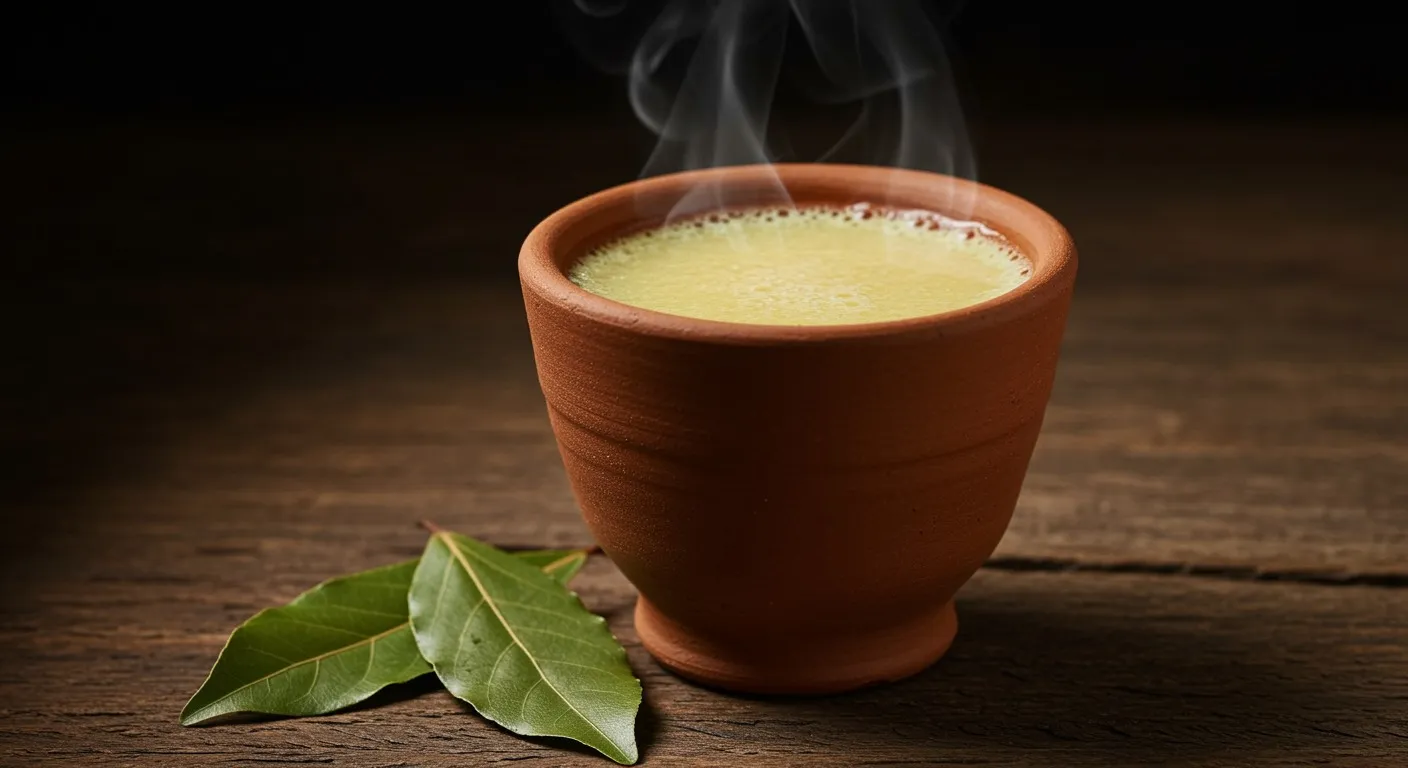
Almost everyone knows the feeling of a meal that sits a little too heavily, a slight bloat that builds an hour later, or a sluggishness that makes you want to push back from the table and not move for a while. It does not need a doctor and it usually does not need a pill, but it is genuinely uncomfortable and it can stretch into the next meal if you ignore it. One of the gentlest fixes for this everyday discomfort lives in the spice rack: the same Indian bay leaves, called tej patta, that go into biryani and pulao can be simmered into a warm, lightly aromatic decoction that classical Ayurveda turns to for exactly this kind of mild digestive complaint.
The Ayurvedic Perspective
Ayurveda calls Indian bay leaf tejpatra or tamalapatra in Sanskrit and names it in the Charaka Samhita and Bhavaprakasha as part of the trijata group, a trio of warming aromatics that also includes cinnamon and green cardamom. The leaf is classified as deepana, meaning it kindles agni, the digestive fire, and pachana, meaning it helps already-eaten food finish digesting cleanly. In dosha terms, tej patta is warming and slightly drying, which makes it well suited to pacifying aggravated kapha (heavy, cold, slow digestion) and vata (gas, irregular movement), the two doshas most often behind post-meal heaviness when agni is weak.
What Modern Biology Says
The chemistry partly lines up with the classical story. Indian bay leaf essential oil is rich in linalool, eugenol, alpha-pinene, and 1,8-cineole, with the exact mix varying a fair amount by where the leaves were grown. In animal and laboratory work, linalool and eugenol relax intestinal smooth muscle and quiet acetylcholine-driven contractions through calcium-channel and related pathways, the kind of carminative, mildly antispasmodic action that aromatic spices have been valued for traditionally. Direct human trials of Indian bay leaf for indigestion are essentially absent, and a randomized placebo-controlled trial of a related Cinnamomum oil capsule for functional dyspepsia did not separate from sesame-oil placebo on symptom scores. So the human evidence base for symptom benefit is honestly low certainty rather than overwhelming. The mechanism is plausible, the tradition is long, and bay leaf is widely treated as safe at culinary doses.
How And When To Use It
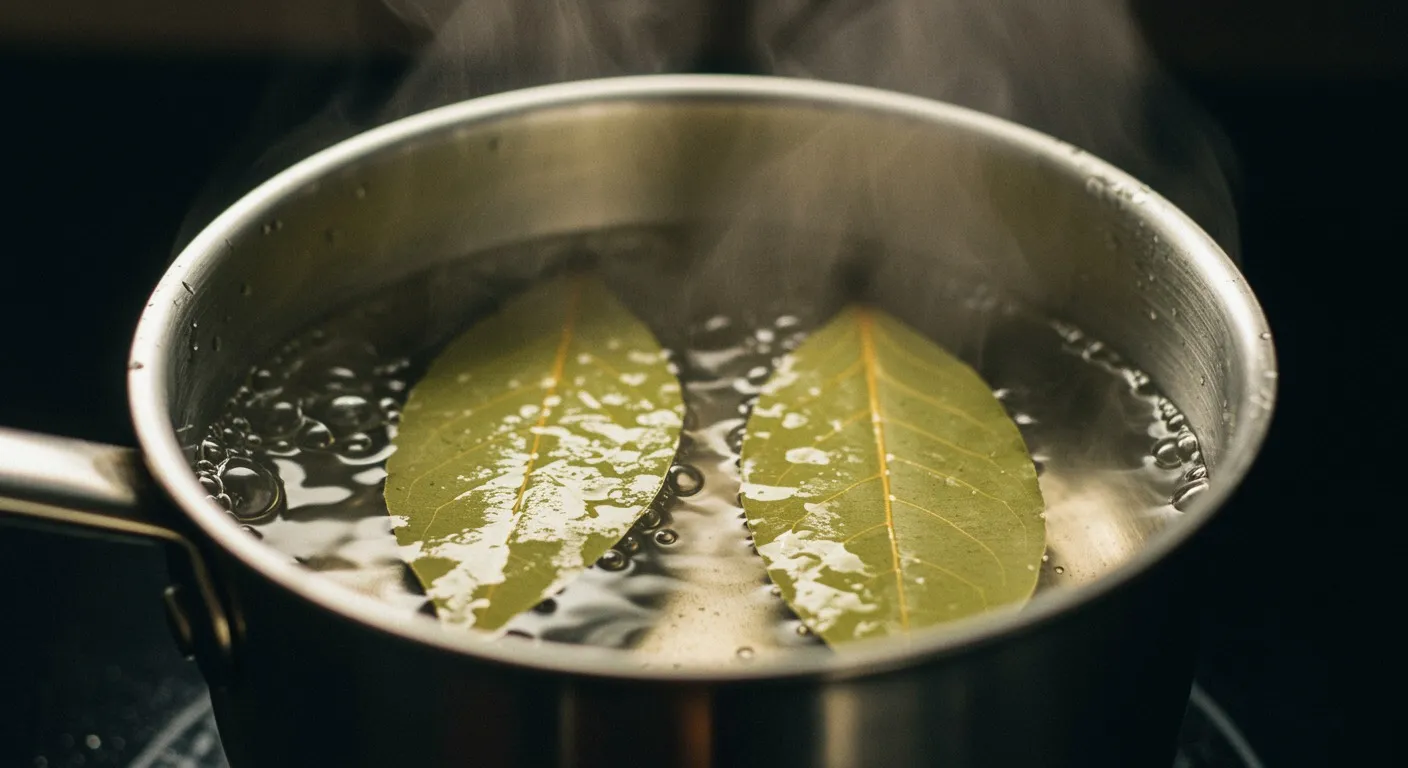
Reach for this when a meal has been heavier or oilier than usual, when you feel a slow ache of bloating about an hour after eating, or when your digestion just feels dull and damp during humid weather. The recipe card has the full method, but the simple idea is two crushed leaves simmered in a cup and a half of water for 5 to 7 minutes, then strained and sipped warm 15 to 20 minutes after the meal. Do not exceed two cups in a day, and do not use this in place of a meal or as an empty-stomach fix for hunger pangs; it is meant to ride alongside normal eating, not to replace it.
Cautions And A Note On Medical Care
A few common-sense cautions matter. If you take blood thinners such as warfarin, clopidogrel, or daily aspirin, ask your doctor before making this a routine, because eugenol can have mild antiplatelet activity. Skip it during an active peptic ulcer flare or if you have a known allergy to laurel or cinnamon family plants, and never use concentrated bay leaf essential oil internally. If indigestion is happening most days, lasting more than a week, or coming with chest pain, vomiting, black stools, weight loss, or trouble swallowing, see your doctor; those are not symptoms a kitchen decoction is meant to manage. Otherwise, this is the kind of small, low-risk traditional remedy that has earned its place in the Indian kitchen for good reason.
Recipe
Tej Patta (Indian Bay Leaf) Digestive Decoction
A simple one-spice warm decoction of Indian bay leaves, simmered briefly in water and sipped warm after meals to ease mild indigestion, gas, and after-meal heaviness.
- Prep
- 1min
- Cook
- 7min
- Total
- 8min
- Servings
- 1doses
Ingredients
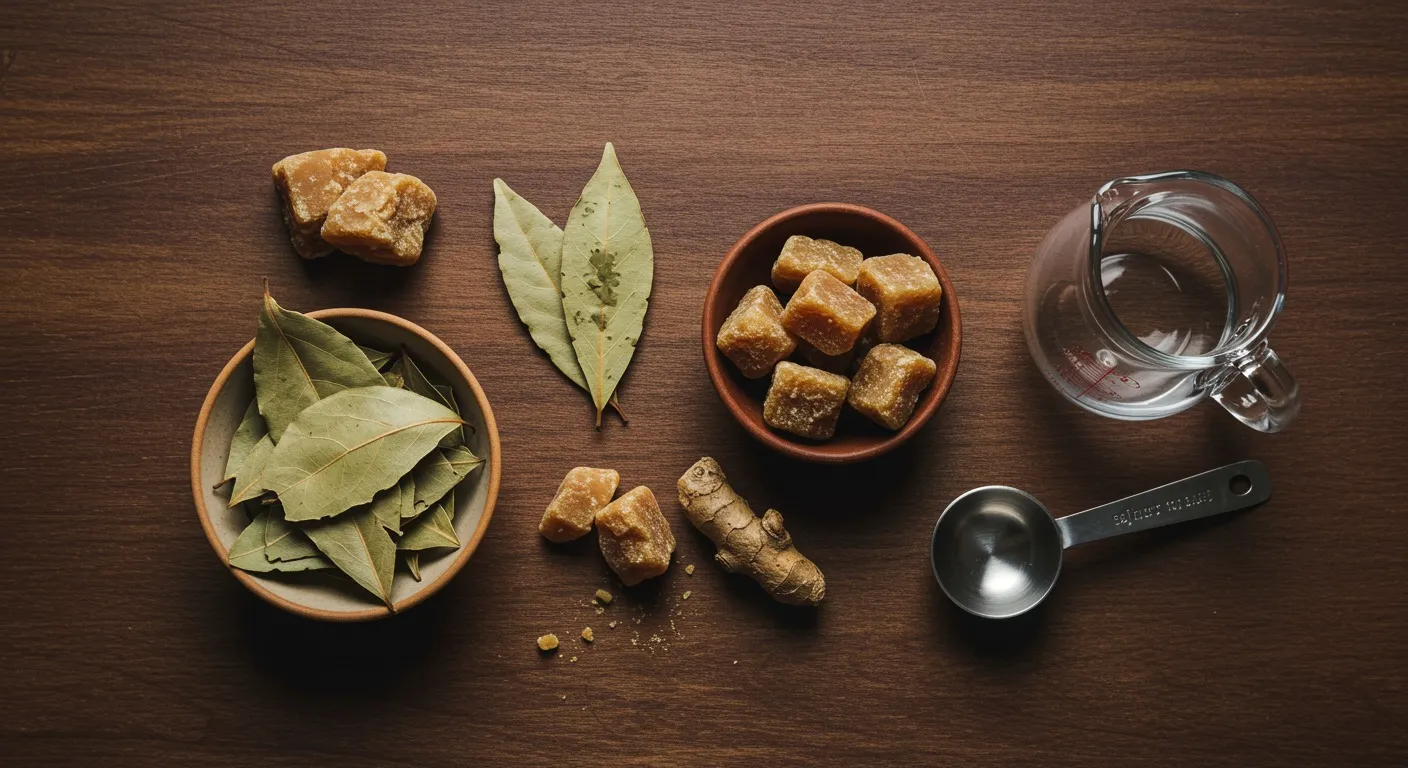
- 2 leaves Indian bay leaves (tej patta), whole and dry
- 1.5 cups water
- 1 tsp jaggery or a small piece of rock sugar (mishri), optional, to taste
Instructions
- 1 Tear or lightly crush 2 dry Indian bay leaves between your fingers to release their oils.
- 2 In a small saucepan, bring 1.5 cups of water to a rolling boil.
- 3 Add the bay leaves, lower the heat, and let the water simmer gently for 5 to 7 minutes, until it turns a pale golden color and smells warmly spicy.
- 4 Turn off the heat, strain the decoction into a cup, and if you want a touch of sweetness stir in a teaspoon of jaggery or a small piece of mishri. Do not add raw honey to hot water; Ayurveda advises adding honey only after the drink has cooled to lukewarm.
- 5 Sip slowly while warm but not scalding, about 15 to 20 minutes after a heavy meal, or whenever you feel post-meal heaviness or mild gas. Do not exceed two cups in a day.
Notes
- Keep to 1 to 2 leaves per cup, once or twice a day at most. Concentrated bay leaf essential oil should never be ingested.
- If you take blood thinners such as warfarin, clopidogrel, or daily aspirin, check with your doctor before regular use; eugenol may have mild antiplatelet activity.
- Avoid during an active peptic ulcer flare and if you have a known allergy to laurel or cinnamon family plants.
- Consult your doctor if indigestion lasts beyond 7 days or worsens, or if you develop chest pain, persistent vomiting, black stools, unexplained weight loss, or trouble swallowing.
- This is traditional wisdom and not a substitute for medical care.