Sabja (Basil Seed) Cooling Drink for Summer Heat, Mild Acidity, and Hydration
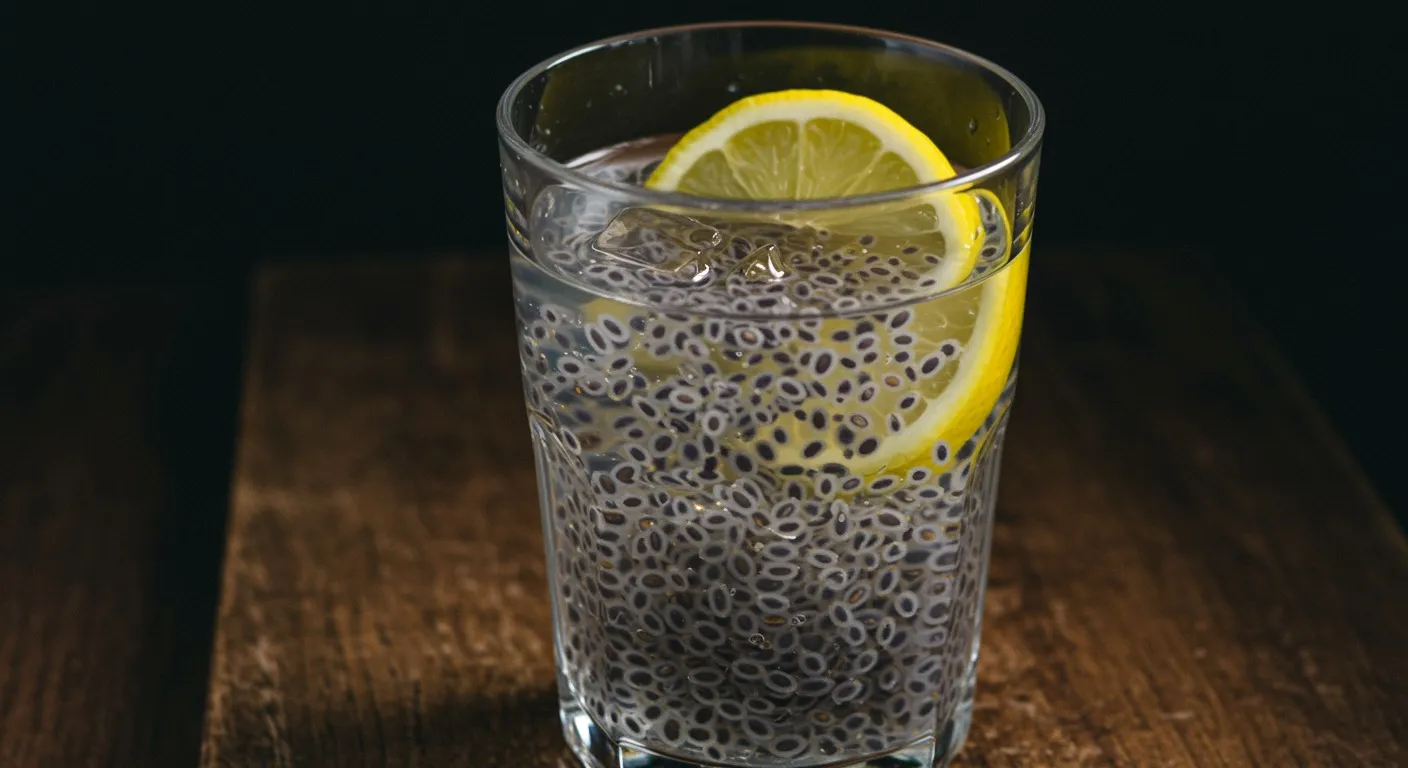
When the afternoon heat peaks in summer, a lot of us feel it the same way: parched, a little irritable, low on energy, and sometimes a touch of burning acidity after a heavy meal. Reaching for an icy soft drink rarely helps for long. One of the gentlest kitchen-based options is a sabja seed cooler, made from the tiny black sweet basil seeds sold in almost every Indian grocery and traditionally folded into summer sherbets and falooda. Soaked in water, they turn into a soft, hydrating gel that is easy to sip and easy on the stomach.
The Ayurvedic Perspective
In Ayurveda, summer is the season when pitta, the heat-and-transformation energy of the body, tends to build up, showing as thirst, a burning feeling, acidity, and a short temper. Foods and drinks that are sheeta virya, meaning cooling in potency, are used to bring pitta back into balance. Sabja, the seed of sweet basil (Ocimum basilicum, known as Barbari in Ayurvedic texts), is classed among these cooling seeds, which is why it appears in so many traditional North and South Indian summer drinks. Taken as a soaked, gelled cooler with cool water, it is meant to quench heat from the inside and settle the kind of mild acidity that summer eating can stir up.
What Modern Biology Says
Modern food science explains the cooling drink mainly through fiber. Basil seeds are high in dietary fiber, around 7 grams in a single tablespoon, much of it the soluble, gel-forming kind, and when they soak the seed coat releases a polysaccharide mucilage that swells into a gel many times the seeds’ dry weight. Viscous soluble fibers like this are generally understood to slow how fast the stomach empties and how fast sugars are absorbed, which can soften post-meal blood-sugar spikes and help you feel full and hydrated for longer, while the bulky fiber supports regularity. A 2021 review in the journal Foods (Calderon Bravo and colleagues) documents the seeds’ fiber and mucilage content, while being clear that the evidence rests largely on composition and on laboratory or animal studies rather than human clinical trials, so hydration and gentle digestive comfort are the most honest benefits to expect.
How And When To Use It
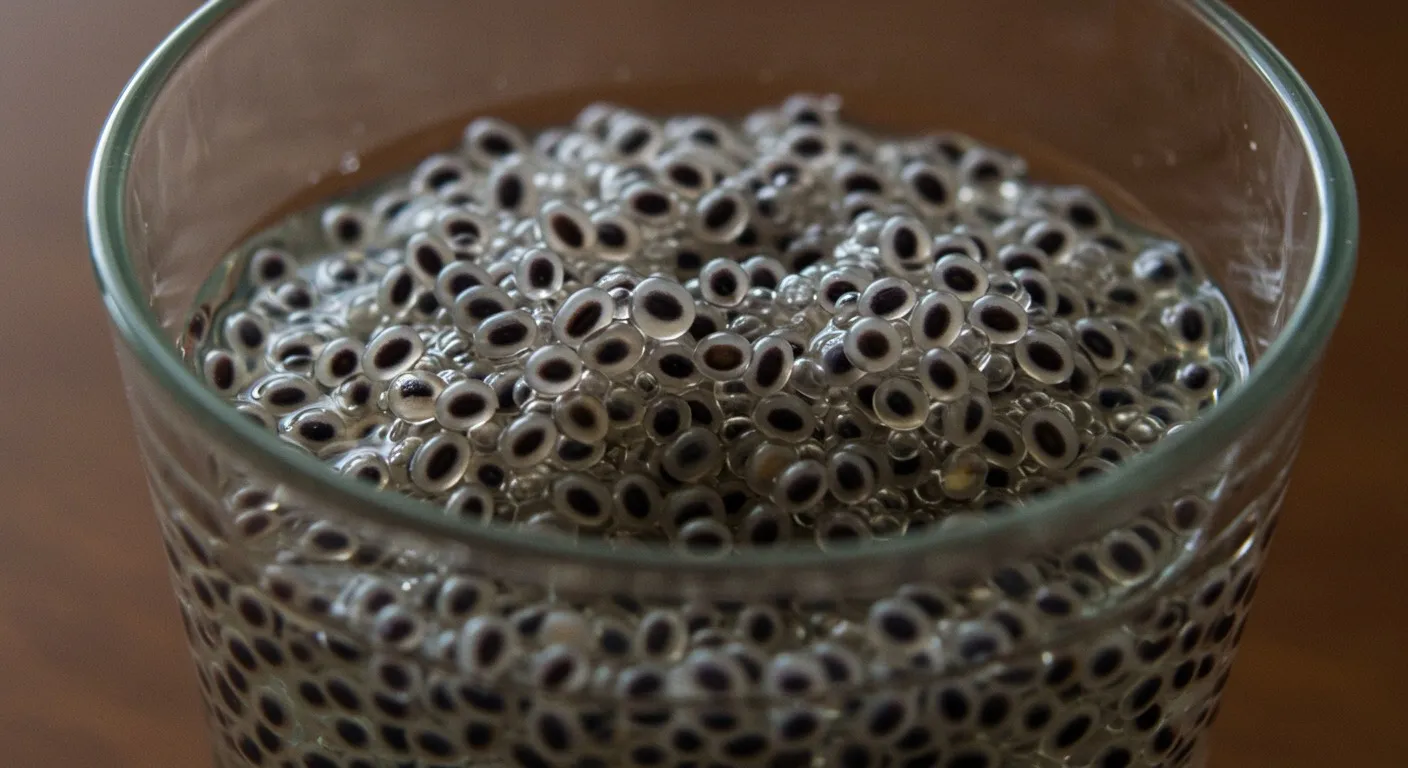
Reach for this on hot days or after a heavy, spicy meal. Soak about a teaspoon of seeds in a little water for 10 to 15 minutes until they swell into a soft gel, then stir them into a glass of cool water with a squeeze of lemon and an optional pinch of rock salt. Once a day is plenty for most people, ideally in the hot afternoon or between meals, and you can have it a few times a week through the summer. Expect a refreshing, slightly slippery drink that takes the edge off thirst and heat rather than a dramatic cure.
Cautions And A Note On Medical Care
A few simple safety notes keep this remedy in the gentle, everyday category. Always soak the seeds fully first, because dry sabja seeds swell fast and can pose a choking or blockage risk if swallowed straight. Since the soluble fiber can slow how your body absorbs medicines, keep the drink 1 to 2 hours apart from any tablets or supplements, and if you take diabetes medication, be aware it may nudge blood sugar a little lower. Drink it with enough plain water, start small if you are not used to much fiber, and see your doctor if acidity or digestive discomfort lasts beyond a week or gets worse. This is traditional wisdom and not a substitute for medical care, but as a cooling summer sip it is a lovely thing to keep in the kitchen.
Recipe
Sabja Seed Cooling Cooler
A simple summer drink of soaked sweet basil (sabja) seeds in cool water with a squeeze of lemon, meant to ease body heat, thirst, and mild after-meal acidity.
- Prep
- 15min
- Cook
- 0min
- Total
- 15min
- Servings
- 1servings
Ingredients
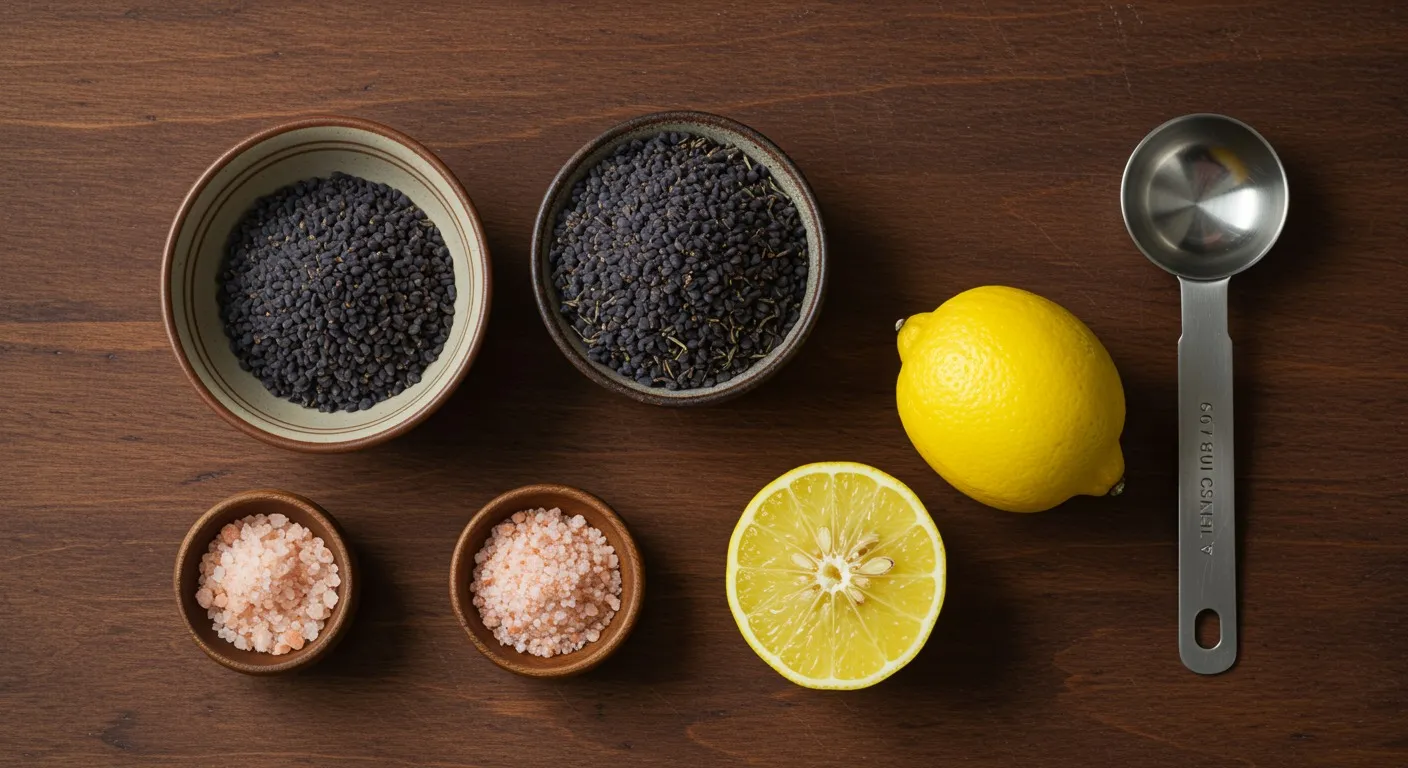
- 1 tsp sabja (sweet basil) seeds
- 1/4 cup water, for soaking
- 1 cup cool drinking water
- 1 tsp fresh lemon juice
- 1 pinch rock salt (optional)
Instructions
- 1 Add the sabja seeds to one quarter cup of water and let them soak for 10 to 15 minutes, until each seed swells into a soft, translucent gel with a black center.
- 2 Pour the soaked seeds, along with their soaking water, into a glass of cool drinking water.
- 3 Stir in the lemon juice and a pinch of rock salt if using, then stir again just before drinking so the seeds stay suspended.
- 4 Drink during the hottest part of the day, or between meals when you feel overheated or mildly acidic. Take it 1 to 2 hours apart from any medicines.
Notes
- Always soak the seeds for at least 10 to 15 minutes until fully swollen and gel-like before drinking. Never swallow dry sabja seeds, as they absorb water rapidly and can swell in the throat or gut and cause choking or blockage.
- Because the soluble fiber can slow the absorption of medications, take this drink 1 to 2 hours apart from any oral medicines or supplements.
- If you take diabetes medication, note that the fiber may modestly lower post-meal blood sugar, so monitor as usual and mention it to your doctor.
- Drink with plenty of plain water and start with a small amount, since a sudden increase in fiber can cause gas or bloating in some people.
- Consult your doctor if symptoms such as acidity or digestive discomfort persist beyond 7 days or worsen. This is traditional wisdom and not a substitute for medical care.