Rice Water (Manda) for Mild Loose Stools and Digestive Recovery
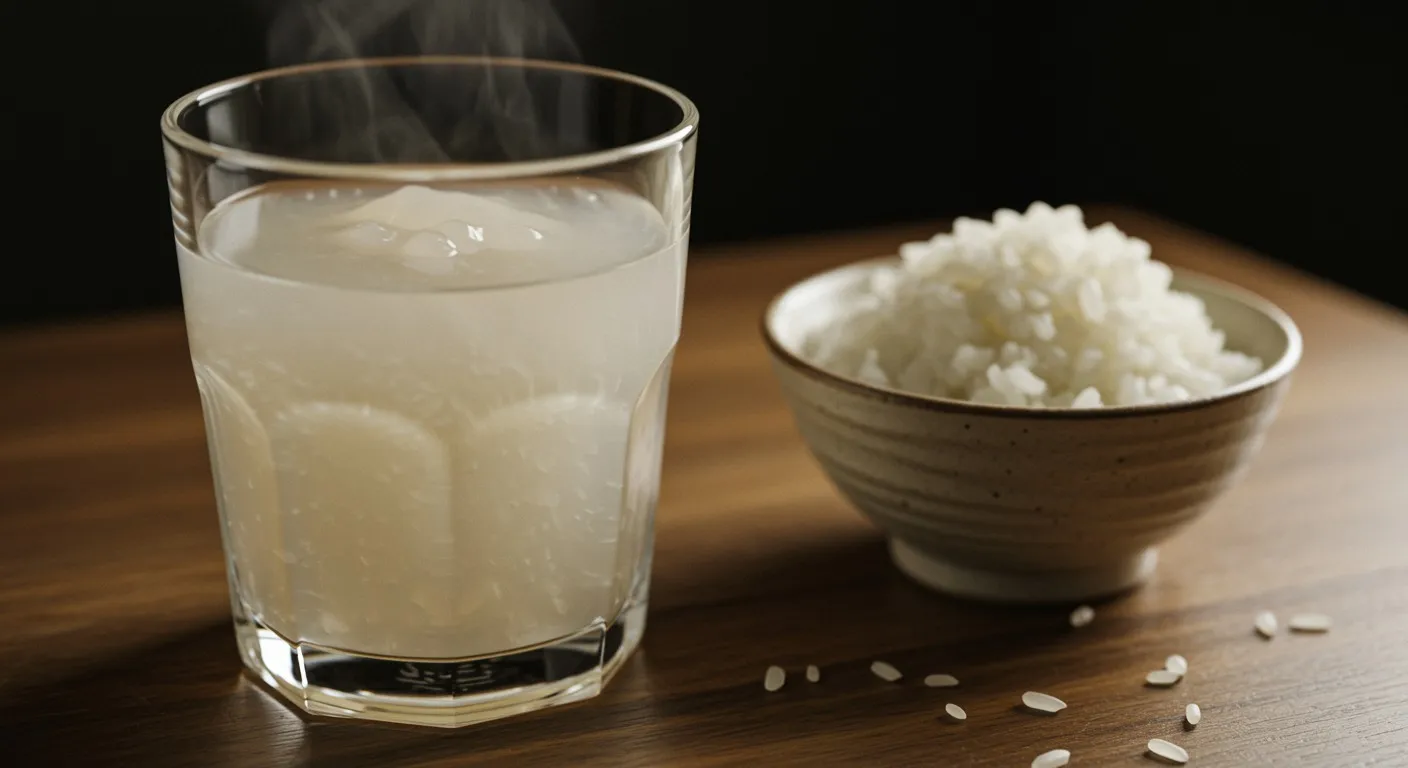
Most people know the feeling. A few hours after an unfamiliar meal, a busy travel day, or a passing stomach bug, things just feel off. Maybe a couple of loose runs, a vague queasiness, and the sense that food sounds unappealing. Before reaching for anything stronger, classical Ayurveda points to the simplest kitchen-based recovery drink there is: Manda, the thin cloudy water strained off boiled rice.
The Ayurvedic Perspective
The Charaka Samhita classifies cooked-rice preparations on a sliding scale of digestive heaviness. Odana is fully cooked rice, Vilepi is a thick gruel, Peya is a thinner gruel with a little rice still in it, and Manda is the lightest of all, just the cloudy water with the rice strained out. Manda is prescribed in cases of Mandagni, the weakened digestive fire that often follows illness, overeating, or a stomach upset, and for Vata-Pitta disturbances showing up as loose stools and weakness. It is described as light, easy to digest, gently warming, and Tridosha-pacifying in small amounts. In Ayurvedic terms, it gives the gut something nourishing and absorbable without asking it to work hard, which lets digestion gradually rekindle.
What Modern Biology Says
From a modern biology perspective, rice water works on the same principle as oral rehydration solutions. The gelatinized starch in the cooking water releases slow, steady glucose, which drives sodium-glucose cotransport in the small intestine. That cotransport pulls water and electrolytes across the intestinal wall, which is exactly what helps the body rehydrate during loose stools. Rice-based ORS has been tested in randomized trials, including Pizarro and colleagues in NEJM 1991, which found rice-syrup solutions decreased stool output and improved fluid and electrolyte absorption in infants with acute diarrhea compared with glucose-based ORS. A Cochrane review of polymer-based ORS, which includes rice and other cereals, reported modest benefits over standard low-osmolarity glucose ORS: roughly 24 mL/kg less stool output in the first 24 hours and about 8 hours shorter diarrhea duration, with the certainty of evidence rated low. The starch also delivers small amounts of resistant starch that may feed beneficial gut bacteria during recovery. Evidence is strongest in acute infectious diarrhea, particularly in children; for general adult stomach upset, the rationale carries over but is more extrapolated than directly tested.
How And When To Use It
Reach for Manda on a day when food is unappealing, stools are loose but not severe, or your stomach feels tender after a heavy or unfamiliar meal. Sip it warm, about half a cup at a time, every two to three hours through the day, alongside plain water. Adults who are not on a low-sodium diet can add a small pinch of rock or sea salt; otherwise it is fine without. Expect Manda to feel mild and slightly comforting rather than dramatic, and most people resume light, plain foods like soft khichdi or plain rice the next day as appetite returns.
Cautions And A Note On Medical Care
Manda is meant for mild, short-lived disturbances in a healthy adult. It is not a substitute for medical care in severe, bloody, or persistent diarrhea, or when symptoms include high fever, ongoing vomiting, severe abdominal pain, or signs of dehydration like dizziness, dark urine, or significantly reduced urination. See a doctor if symptoms persist beyond 48 hours, get worse, or include any of those warning signs. People on strict low-sodium diets should skip the optional salt or check with their clinician. This is traditional wisdom and not a substitute for medical care, but on a mild day when the gut just needs a break, Manda is the kind of remedy that has been simmering on Indian stoves for thousands of years for a good reason.
Recipe
Rice Water (Manda)
A thin, cloudy water strained off boiled white rice, sipped warm to ease mild loose stools and support digestive recovery. The classical Manda preparation described in the Charaka Samhita.
- Prep
- 2min
- Cook
- 30min
- Total
- 32min
- Servings
- 2doses
Ingredients
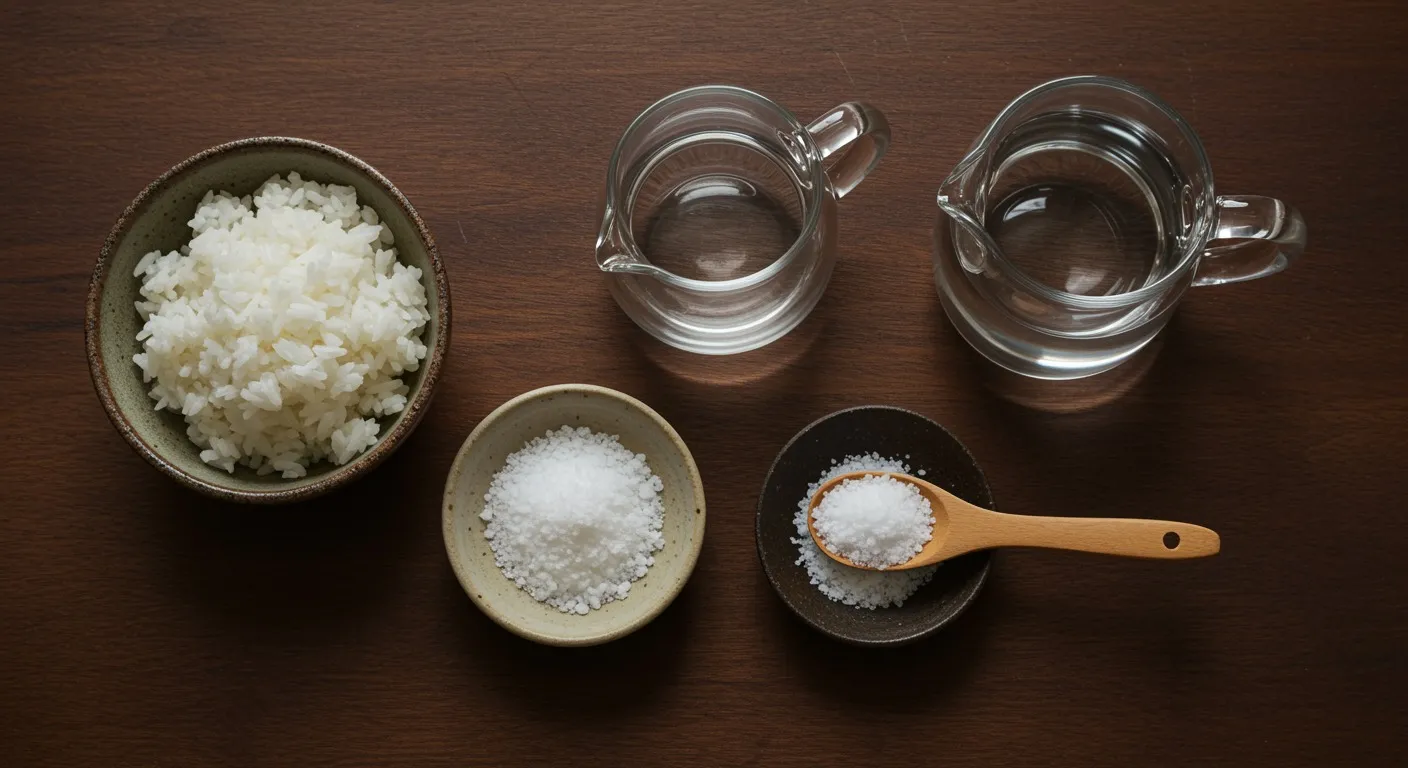
- 1/4 cup white rice (basmati or short-grain)
- 4 cups water
- 1 pinch rock salt or sea salt (optional)
Instructions
- 1 Rinse the white rice in cool water once or twice until the water runs mostly clear, then drain.
- 2 Combine the rinsed rice and four cups of water in a small pot. Bring to a gentle boil over medium heat.
- 3 Lower the heat and simmer uncovered for 25 to 30 minutes, until the rice is very soft and the water turns cloudy and slightly thickened.
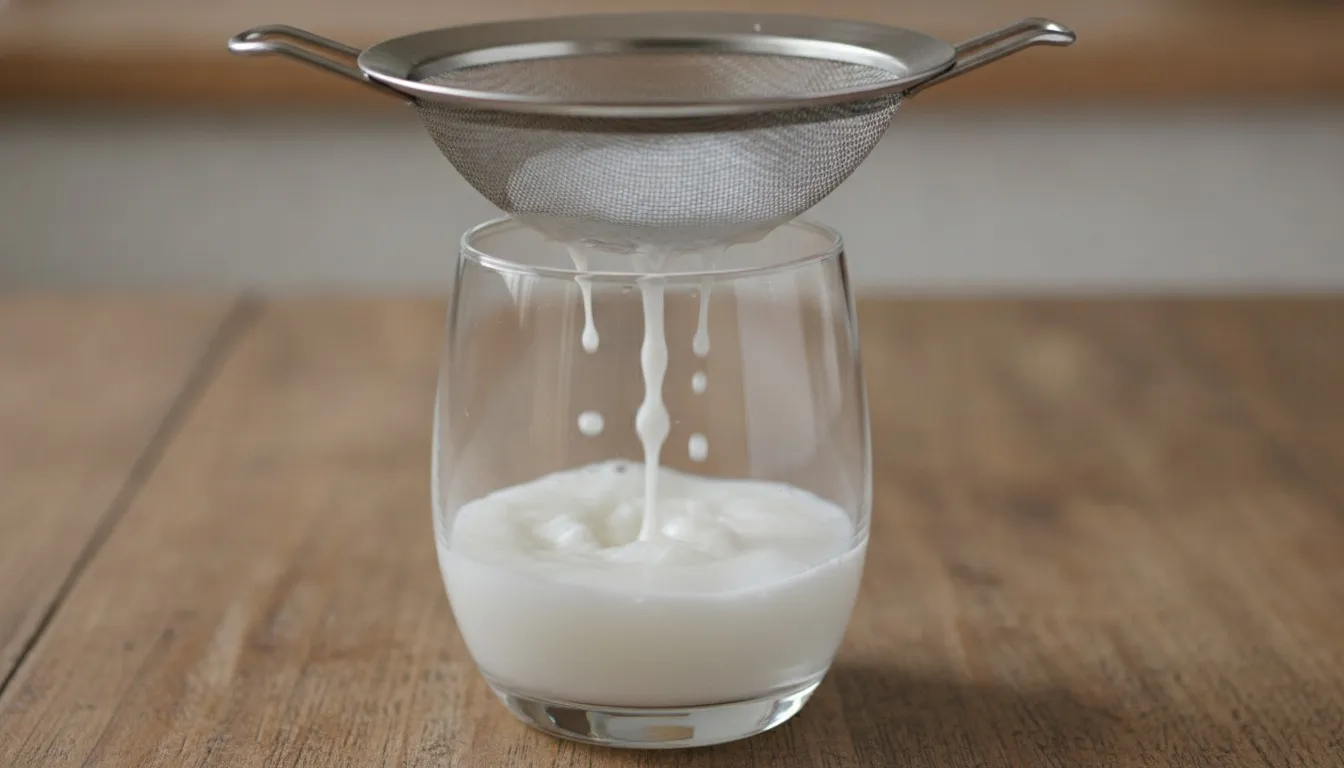
- 4 Strain the liquid into a clean cup or jar through a fine sieve. The cooked rice can be eaten plain later or set aside; the cloudy strained water is the Manda.
- 5 If desired and tolerated, stir in a small pinch of rock or sea salt. Let the Manda cool to comfortably warm.
- 6 Sip slowly, about half a cup at a time, every two to three hours through a day of mild loose stools or a settling stomach upset, with plain water in between.
Notes
- Not appropriate for severe, bloody, or persistent diarrhea, which need medical evaluation rather than home remedies.
- Watch for signs of dehydration: dizziness, dark urine, dry mouth, or significantly reduced urination. Drink plain water alongside, and seek care if these appear.
- The pinch of salt is optional. People on a strict low-sodium diet, or with kidney or blood pressure concerns, should leave it out or check with their doctor first.
- Consult your doctor if symptoms persist beyond 48 hours, get worse, or are accompanied by fever, blood in stools, severe abdominal pain, or vomiting.
- This is traditional wisdom and not a substitute for medical care.