Ground Flaxseed (Alsi) Water for Mild Constipation and Sluggish Digestion
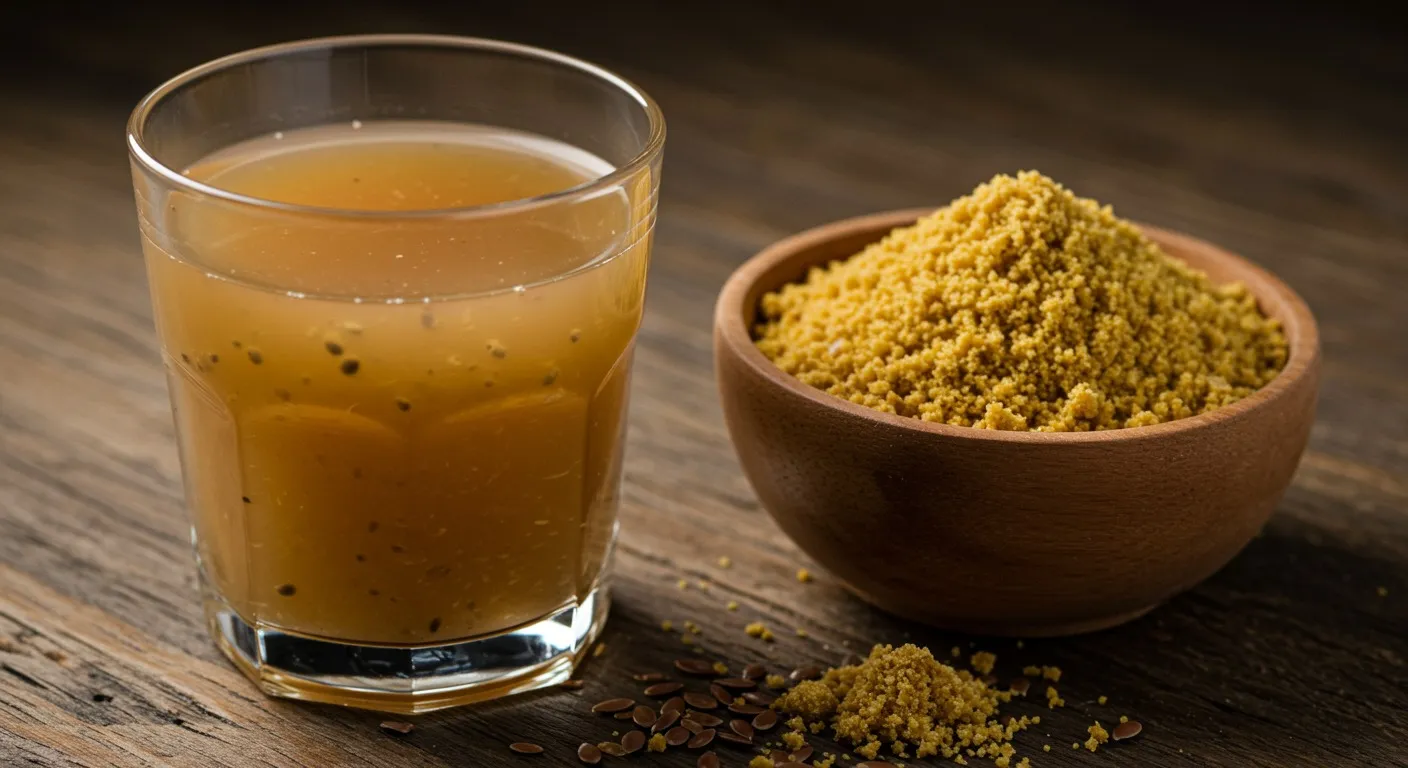
Almost everyone has the occasional stretch where things slow down: a few days of travel, a change in routine, not enough water, or simply too little fiber, and the bowels go quiet. Mild, occasional constipation is uncomfortable and distracting, but it usually responds well to gentle help rather than harsh laxatives. One of the simplest kitchen-based traditional options is a glass of ground flaxseed water, made from the same alsi seeds many households already keep for chutneys, breads, and podis.
The Ayurvedic Perspective
In Ayurveda, ordinary constipation is usually understood as a sign of aggravated Vata dosha. Vata is dry, light, and cold by nature, and when it builds up it pulls moisture out of the colon, leaving stool hard and movement sluggish. Flaxseed, known in classical and household Ayurveda as Atasi or Tisi, is prized for its snigdha or unctuous quality, which directly counters that dryness, along with its Vata-pacifying and gentle Rechana (laxative) action. It appears in classical sources such as the Bhavaprakasha Nighantu, and a medieval text, the Sharangdhar Samhita, even describes alsi processed with honey and ghee into a paste for dry constipation and stiffness.
What Modern Biology Says
Modern biology lines up neatly with the traditional picture. Flaxseed is unusually rich in soluble mucilage fiber that absorbs water and forms a soft gel, which softens stool, adds bulk, and encourages the natural wave-like contractions of the intestinal wall; the seeds also supply alpha-linolenic acid, an omega-3 fat, and lignans. The human research is still limited and comes mostly from small trials, but it points in a helpful direction. Placebo-controlled trials in constipated people with type 2 diabetes (Soltanian and Janghorbani) found that ground flaxseed significantly reduced constipation symptoms compared with placebo, and an older investigator-blinded trial in people with constipation-predominant IBS (Tarpila, 2004) reported a significant improvement in constipation and abdominal symptoms. For a food-based remedy that is reassuring, though it is worth being honest that the studies are small or in specific groups, and that flax works gradually over a day or two rather than as an instant fix.
How And When To Use It
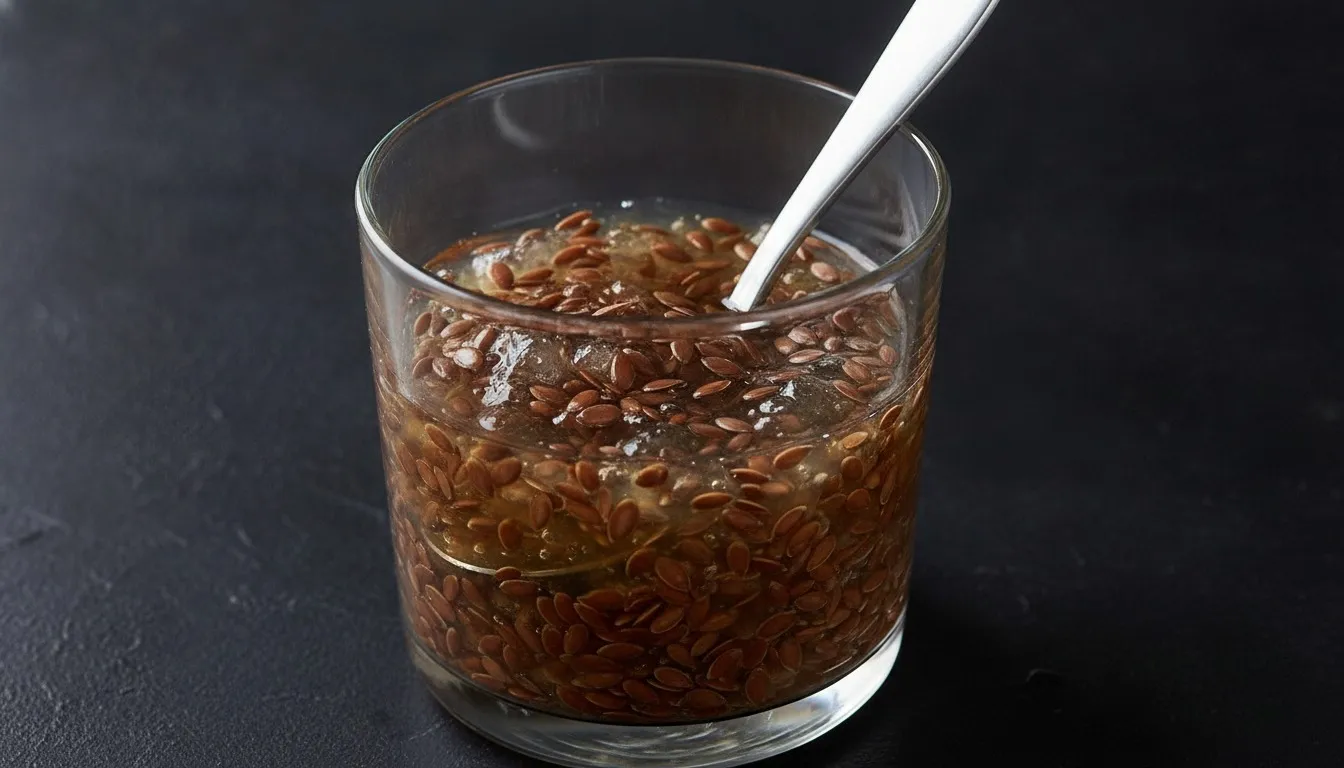
Reach for flaxseed water when you feel things slowing down or want a gentle daily nudge for regularity. The practical method is in the recipe card, but the essentials are simple: grind about a tablespoon of seeds fresh, stir into warm water, let it sit a few minutes to release its gel, and drink it down with an extra glass of plain water. Take it once a day to start, usually after a meal or in the evening, and build up to twice daily only if needed. Staying well hydrated through the day is what lets the fiber do its job.
Cautions And A Note On Medical Care
A few cautions matter. Flaxseed must always be taken with plenty of water, because the swelling fiber can actually worsen constipation if you are dehydrated, and whole seeds should be ground first. Anyone on blood thinners or with a bleeding disorder should check with a doctor first because flax has a mild blood-thinning effect, those with hormone-sensitive conditions should ask before regular use since the lignans are mildly estrogenic, and it is best avoided in pregnancy and in anyone with a bowel obstruction. See a doctor if constipation lasts beyond 7 days, worsens, or comes with severe pain or blood. This is traditional wisdom and not a substitute for medical care, but for a passing bout of sluggish digestion, a humble glass of alsi water is an easy, time-tested place to start.
Recipe
Flaxseed (Alsi) Water for Constipation
A glass of warm water stirred with freshly ground flaxseed, a gentle Ayurvedic remedy for mild, occasional constipation and sluggish digestion. The soluble fiber softens stool and helps get the bowels moving.
- Prep
- 5min
- Cook
- 0min
- Total
- 5min
- Servings
- 1doses
Ingredients
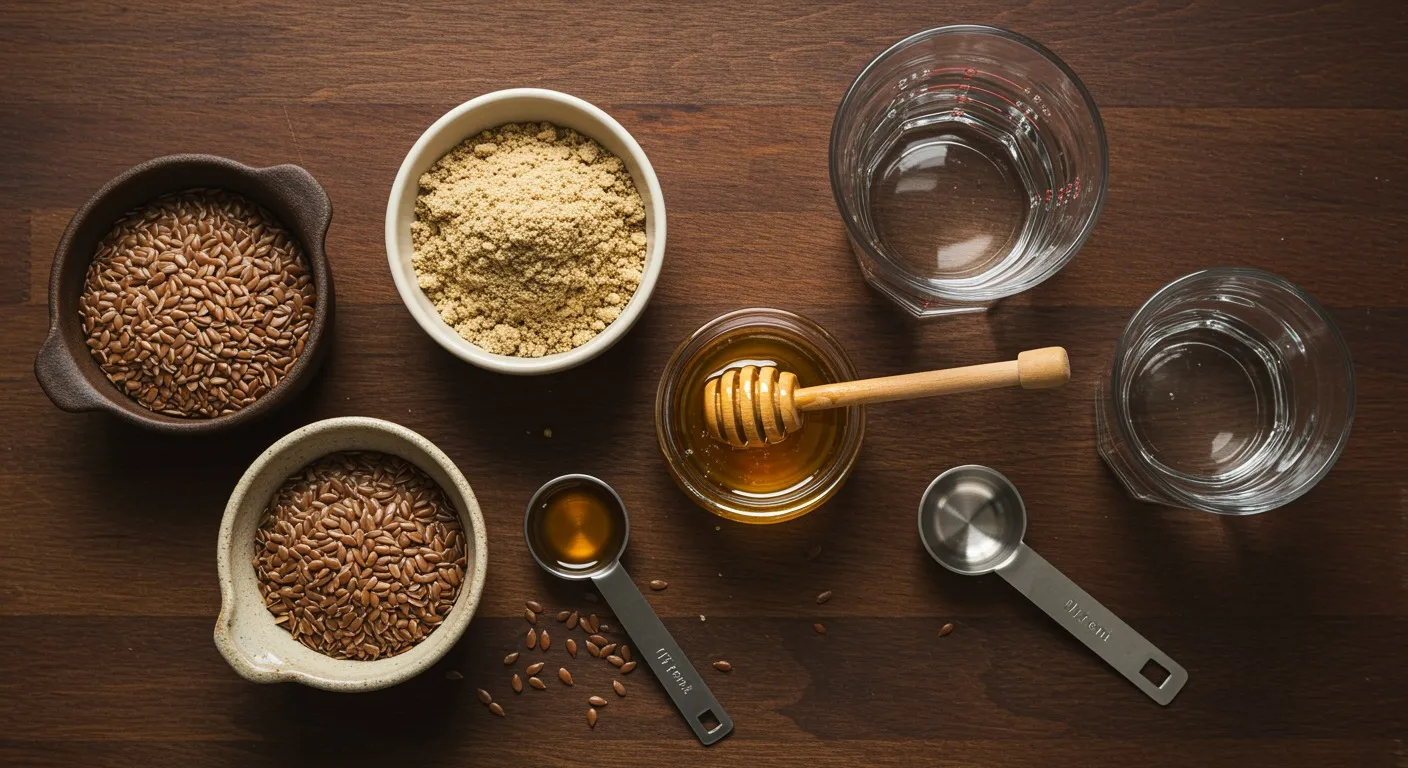
- 1 tbsp flaxseed (alsi), freshly ground
- 1 cup warm water
- 1 tsp honey, optional for taste
- 1 glass extra water to drink alongside
Instructions
- 1 Grind 1 tablespoon of flaxseed to a coarse meal in a clean spice grinder or small mortar just before using, since whole seeds mostly pass through undigested.
- 2 Stir the ground flaxseed into 1 cup of warm (not boiling) water and let it sit for 3 to 5 minutes so the seeds release their gel-like mucilage.
- 3 Stir in 1 teaspoon of honey if you want a little sweetness, then drink the whole glass, including the settled seeds.
- 4 Follow it with a second full glass of plain water, and keep drinking water through the day so the fiber can work properly.
- 5 Take it once daily, ideally after a meal or in the evening; if needed you can build up to twice a day. Expect gentle results over one to three days rather than immediately.
Notes
- Always take flaxseed with a full glass of water and stay well hydrated through the day; because the fiber swells, taking it with too little fluid can make constipation worse rather than better.
- Use ground (not whole) flaxseed and start with a small amount, increasing gradually over several days to avoid temporary gas or bloating.
- Flaxseed has a mild blood-thinning effect; if you take blood thinners such as warfarin or daily aspirin, or have a bleeding disorder, check with your doctor before using it regularly.
- Flax lignans are mildly estrogenic, so anyone with a hormone-sensitive condition should ask their doctor before regular use, and it is best avoided in pregnancy.
- Do not use if you have a known bowel obstruction or trouble swallowing.
- Consult your doctor if constipation persists beyond 7 days or worsens, or if you have severe abdominal pain, blood in the stool, or unexplained weight loss. This is traditional wisdom and not a substitute for medical care.