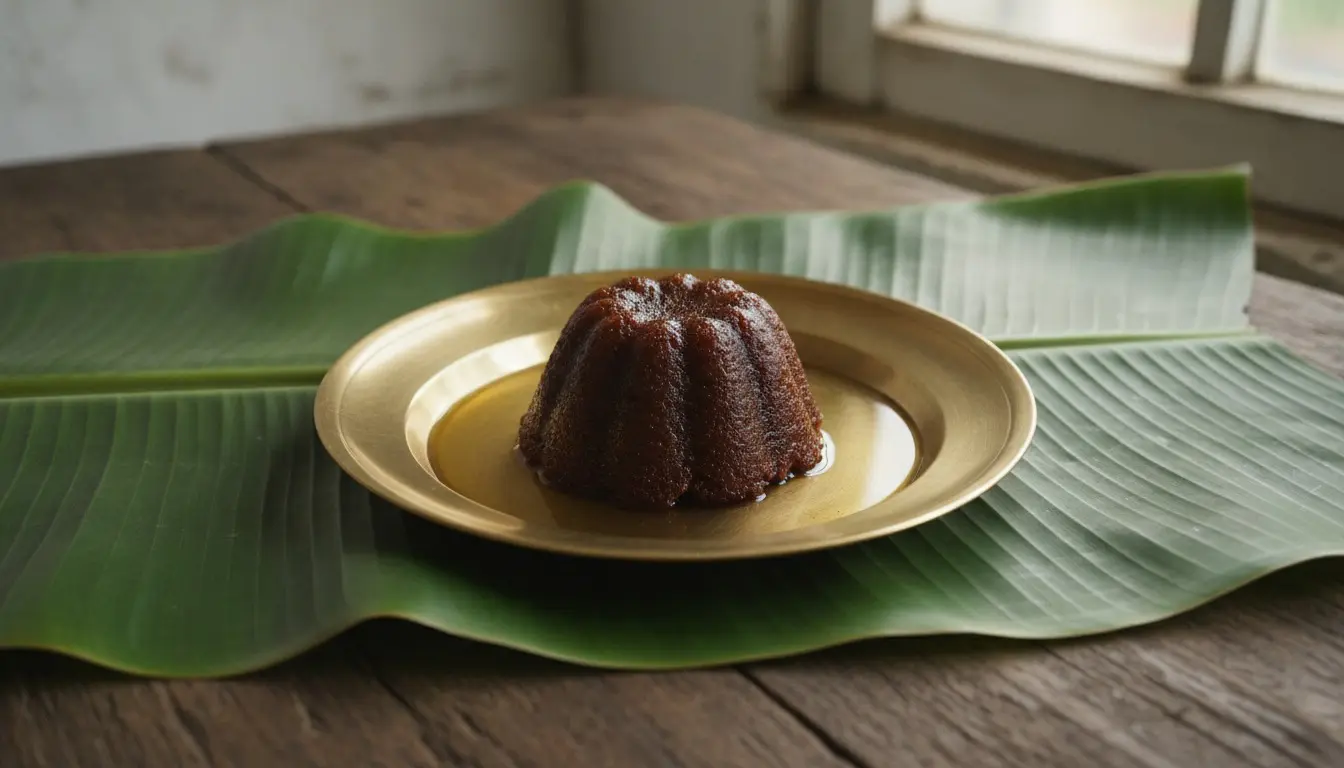
Authentic Kerala Pazham Pori Recipe (Banana Fritters)
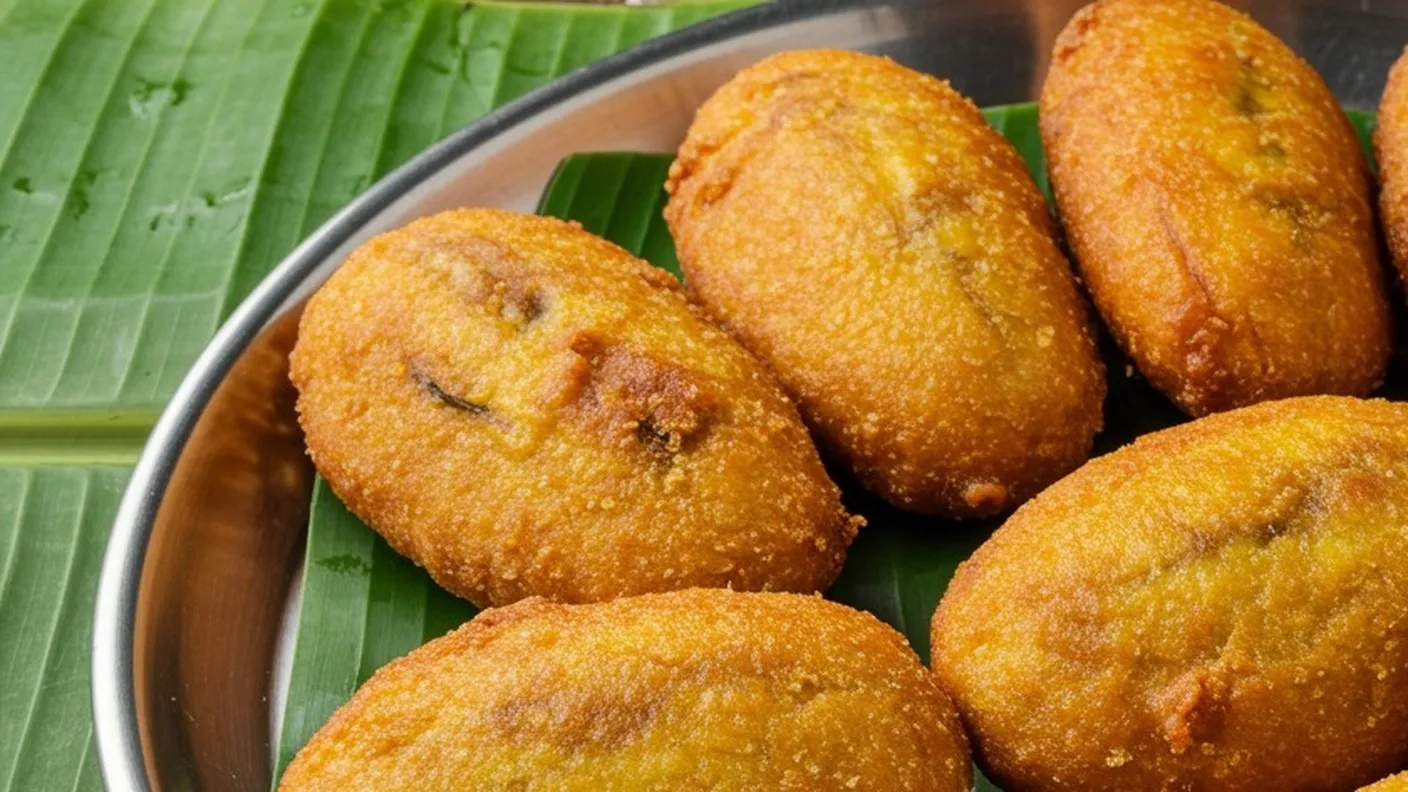
There is a phrase every Malayali knows by heart: rain, kattan chai, and pazham pori. When the monsoon rolls in and the sky turns grey, these golden banana fritters are what come out of the kitchen alongside a glass of strong black tea. Pazham pori has been having a real moment online, with Kerala food creators filling Reels and Shorts with that satisfying shot of a batter-coated plantain slipping into bubbling coconut oil. It is the kind of snack that looks effortless and tastes like comfort, which is exactly why it travels so well on social media. Best of all, it asks for almost nothing you do not already have at home.
About This Dish
Pazham pori, also called ethakka appam, comes from Kerala, where the nendran plantain is woven into everyday cooking from breakfast to dessert. Frying ripe plantains in a sweetened batter turned a humble fruit into a tea-stall and bakery staple found across the state, and a fixture during festivals like Onam. The snack reflects Kerala’s deep relationship with the banana plant and with coconut oil, the fat that gives the fritters their unmistakable aroma. Over generations it became less a recipe and more a ritual, the thing you make when guests arrive or when the rain keeps everyone indoors.
Ingredient Notes
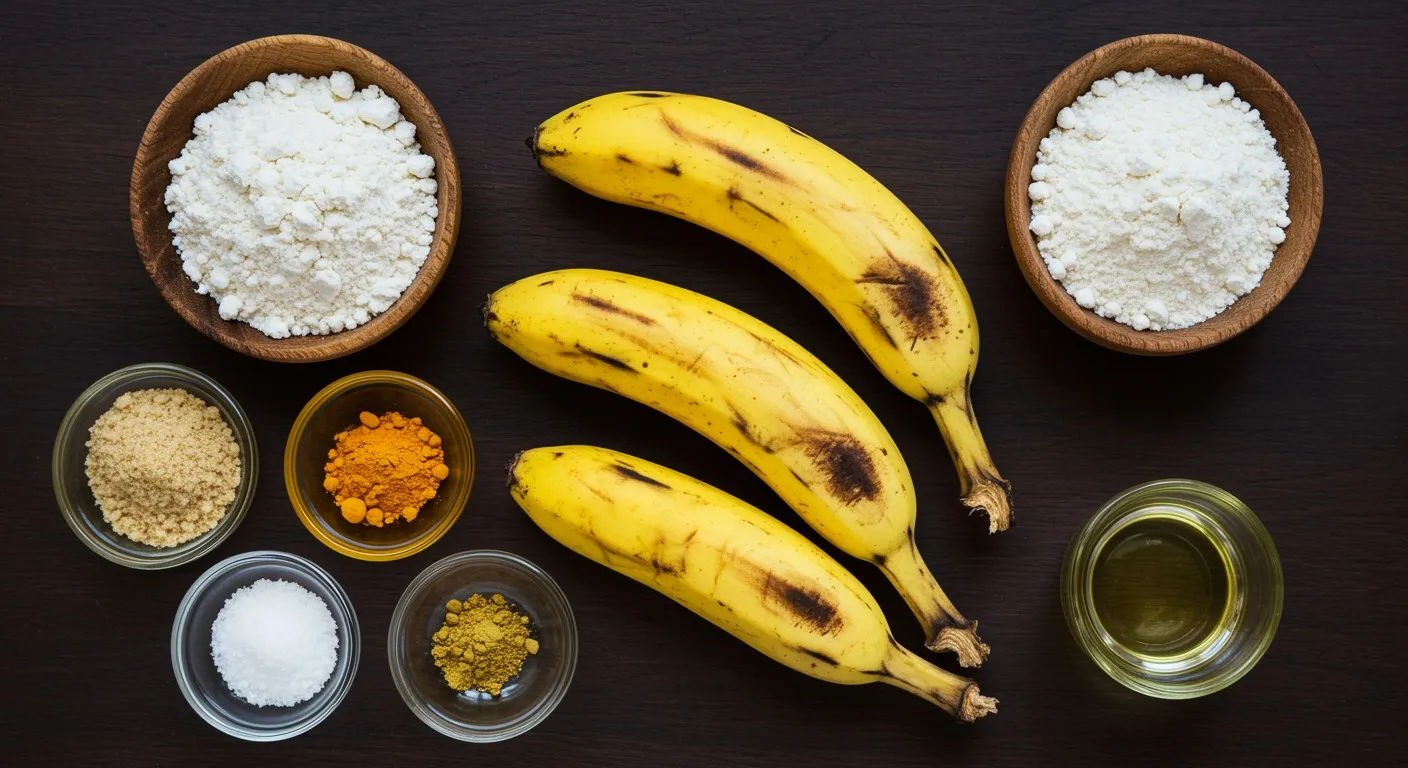
The single most important ingredient is the plantain itself. Nendran bananas are long, starchy, and firm even when ripe, so they hold their shape in hot oil instead of dissolving. Look for fruit that is deep yellow with a few black freckles but still firm; overripe ones turn mushy. The batter is mostly all-purpose flour, with a couple of tablespoons of rice flour stirred in for that crackly crispness, plus a little sugar to deepen the caramelization. Ground cardamom adds the warm, floral note that defines the snack, while a pinch of turmeric lends the traditional golden hue with no need for artificial color. If nendran plantains are hard to find, a large, firm, ripe regular banana will work; just slice it slightly thicker so it stays intact.
Method And Tips
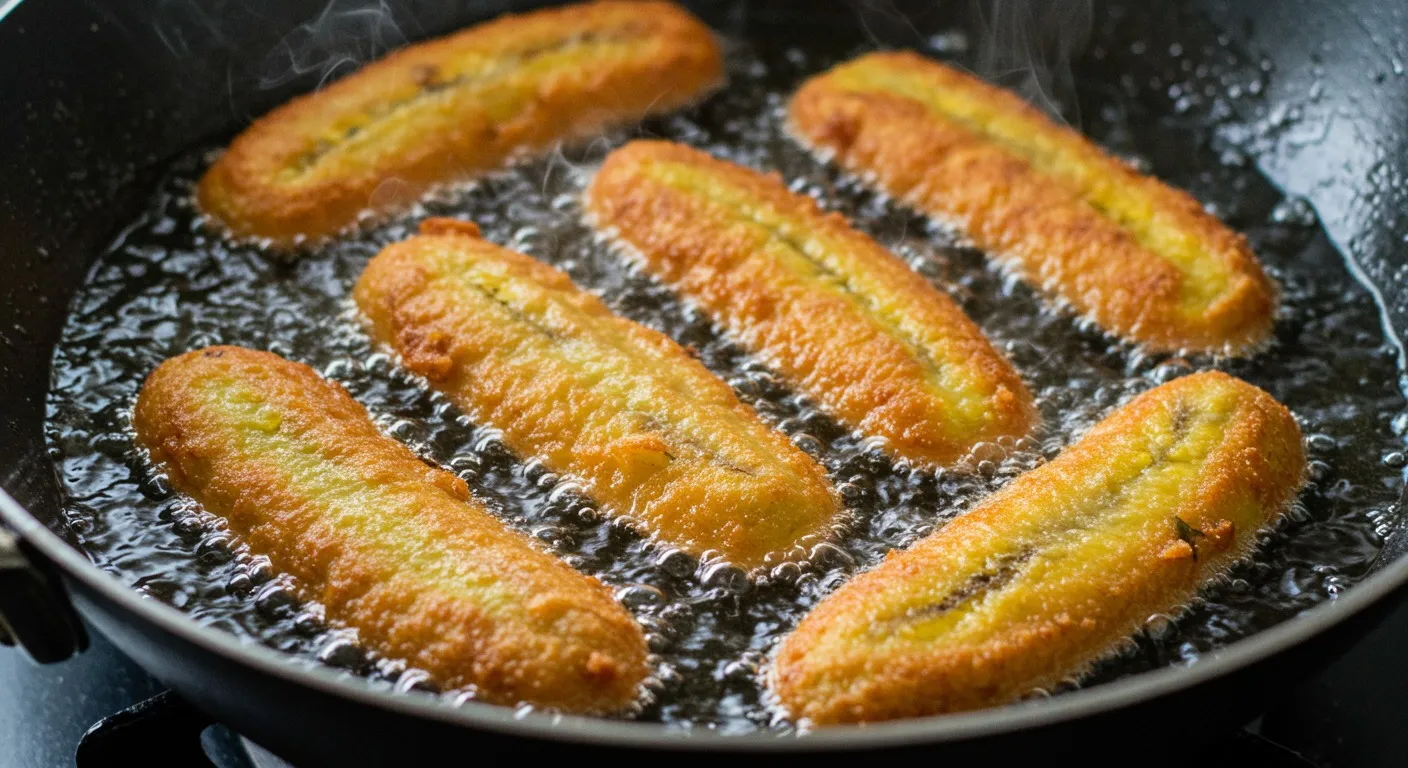
The technique is simple but rewards a little attention. Keep the batter thick enough to cling to the banana like a coat, not so thin that it slides off in the oil. Fry over steady medium heat, never a roaring flame, so the coating turns crisp and golden at the same pace the banana inside goes soft and sweet. Do not crowd the pan, which drops the oil temperature and makes the fritters greasy. One useful tip: stop frying once the bananas begin releasing moisture and the oil starts to splutter sharply, a sign they are done. Another: a pinch of baking soda keeps the coating light rather than dense.
Serving Suggestions
Serve pazham pori hot, straight from the pan, with kattan chai or a tumbler of strong South Indian filter coffee. They are at their best in the first hour, when the outside still shatters and the inside is warm and custardy. Whether the monsoon is at your window or you just want a cozy evening snack, this is a recipe worth keeping close. Give it a try and you will understand why an entire state reaches for it the moment it starts to rain.
Recipe
Kerala Pazham Pori (Banana Fritters)
Ripe nendran plantains sliced into thick fingers, coated in a lightly sweet flour batter, and deep fried in coconut oil until golden and crisp. The classic Kerala tea-time and monsoon snack.
- Prep
- 10min
- Cook
- 20min
- Total
- 30min
- Servings
- 4servings
- Calories
- 220kcal
Ingredients
- For the fritters
- 3 medium ripe nendran plantains
- 2 cups coconut oil, for deep frying
- For the batter
- 3/4 cup all-purpose flour
- 2 tbsp rice flour
- 2 tbsp sugar
- 1/2 tsp ground cardamom
- 1/4 tsp turmeric powder
- 1 pinch baking soda
- 1 pinch salt
- 1/2 cup water
Instructions
- 1 Choose plantains that are fully ripe with a deep yellow skin and a few black spots, but still firm to the touch. Peel them, slice each one in half crosswise, then cut each half lengthwise into two or three flat fingers.
- 2 In a wide bowl, whisk together the all-purpose flour, rice flour, sugar, ground cardamom, turmeric powder, baking soda, and salt.
- 3 Add the water a little at a time, whisking until you have a smooth, lump-free batter roughly the consistency of thick cream. It should cling to and coat a banana slice without dripping off. Add a splash more water only if it is too thick.
- 4 Heat the coconut oil in a deep, heavy pan over medium heat. To test it, drop in a little batter: it should sizzle and rise to the surface steadily without browning instantly.
- 5 Dip each plantain finger into the batter, turning to coat it fully, then let the excess drip off and gently lower it into the hot oil. Fry three or four pieces at a time so the pan is not crowded.
- 6 Fry for about 2 minutes per side, turning once, until the coating is golden brown and crisp and the banana inside is soft. Keep the heat at medium so the outside does not darken before the inside cooks.
- 7 Lift the fritters out with a slotted spoon and drain on a plate lined with paper towels. Serve hot with kattan chai or strong filter coffee.
Notes
- Nendran plantains are the traditional choice and hold their shape when fried. If you cannot find them, use a large, firm, ripe regular banana, but slice it a little thicker so it does not fall apart.
- The rice flour is what gives pazham pori its signature crisp edge, so do not skip it.
- Keep the oil at a steady medium heat. Too hot and the batter burns while the banana stays raw; too cool and the fritters soak up oil and turn greasy.
- Pazham pori is best eaten fresh and hot, within an hour of frying, while the coating is still crisp.