Crispy Medu Vada Recipe (Ulundu Vadai, South Indian Urad Dal Vada)
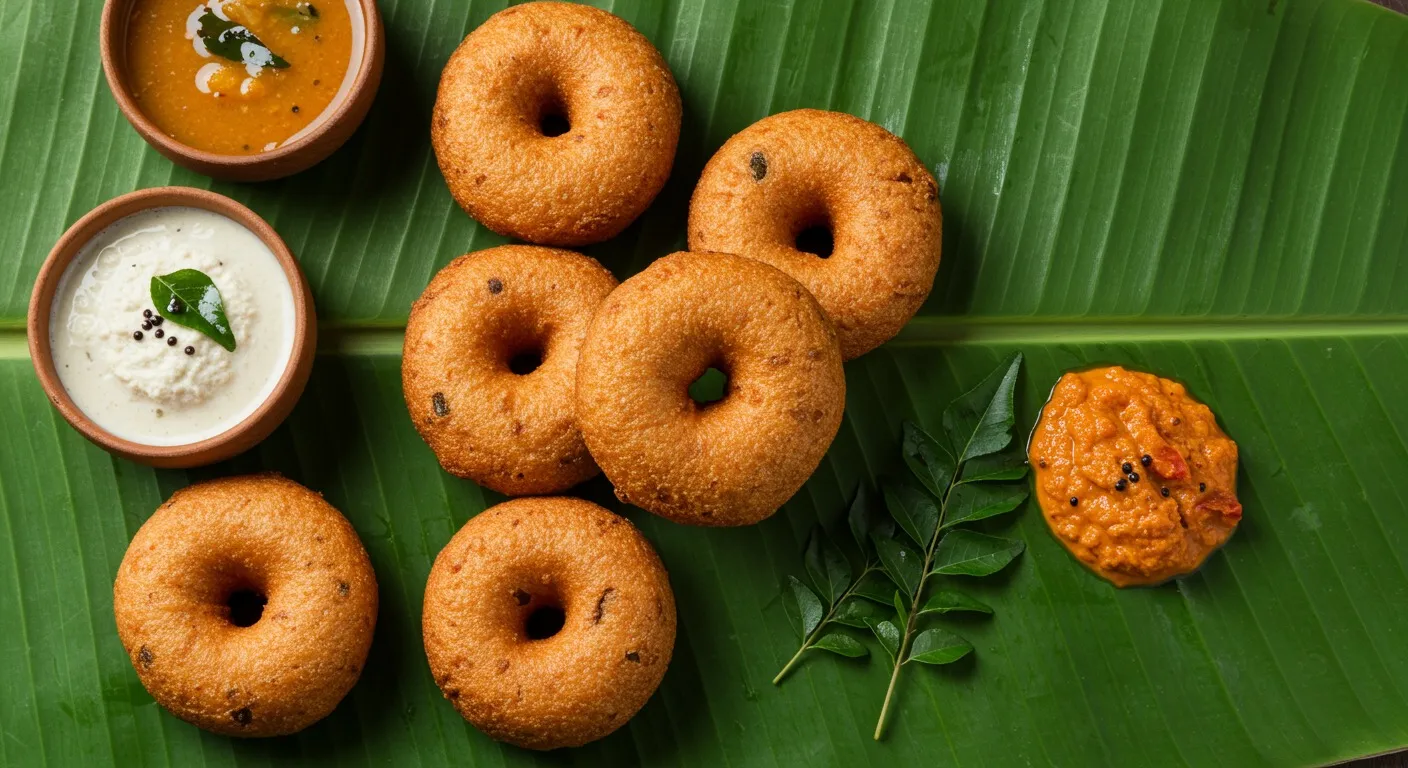
Few South Indian breakfasts are as satisfying as a hot medu vada, crackling and crisp on the outside, pillowy soft within, with that unmistakable doughnut hole in the middle. It is having a real moment online, where crispy-outside, fluffy-inside vada reels rack up views and home cooks chase the perfect texture across Instagram and Pinterest. The dish is also a fixture of festival breakfast spreads, so interest climbs whenever the season for big South Indian feasts comes around. The good news is that a great medu vada comes down to just one humble lentil and a little technique. Once you understand the batter, you will make these on repeat.
About This Dish
Medu vada, known as ulundu vadai in Tamil, uddina vada in Kannada, and garelu in Telugu, has been a breakfast and temple-offering staple across South India for generations. The word medu means soft, a nod to the tender interior that defines a good vada. Traditionally it is ground on a wet stone grinder and served alongside idli, sambar, and chutney at tiffin houses and in home kitchens. The same batter shows up at weddings, festivals, and roadside stalls, soaked in sambar as sambar vada or in spiced yogurt as thayir vada.
Ingredient Notes
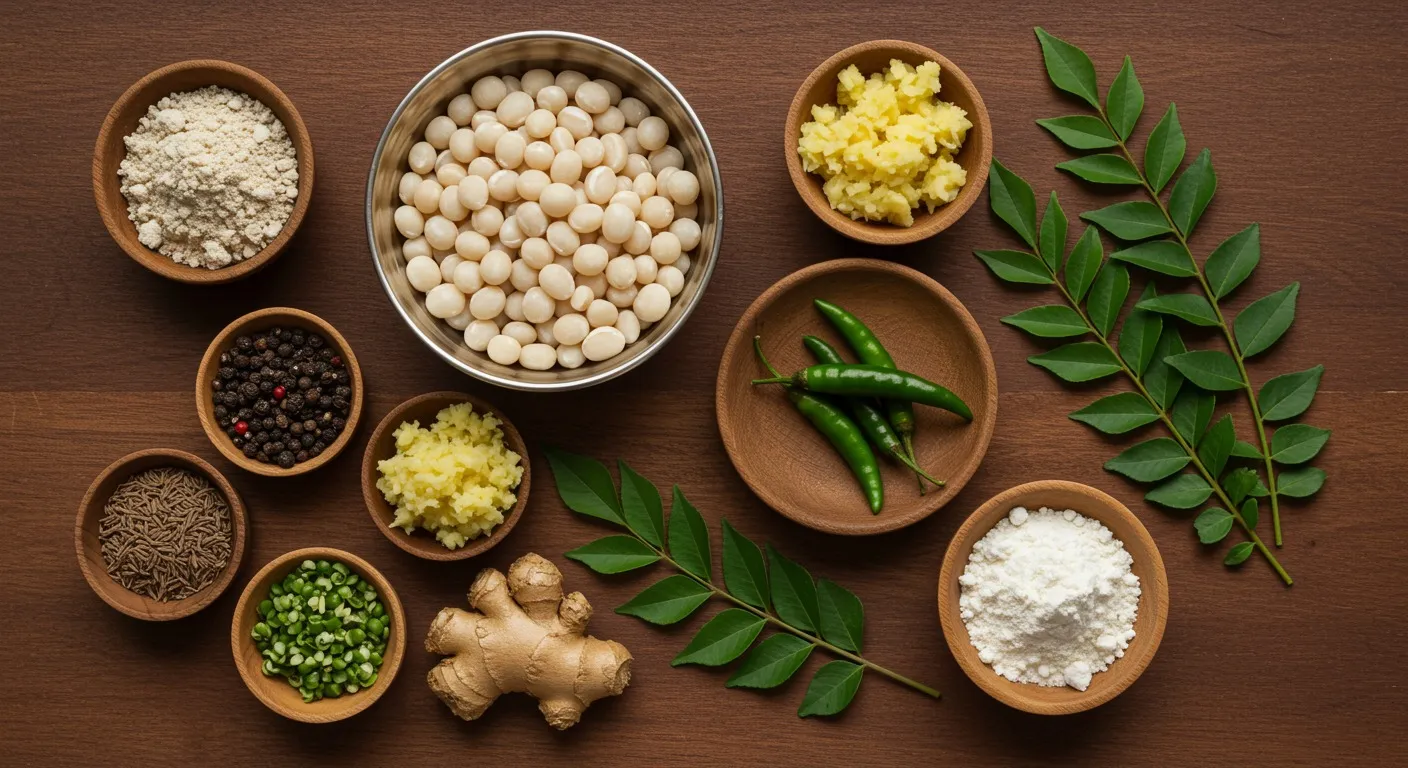
The heart of this recipe is skinless whole white urad dal, which whips up into a light, aerated batter that no other lentil quite matches. Black peppercorns and cumin give the classic warm bite, while ginger, green chilies, curry leaves, and a pinch of asafoetida round out the flavor. A spoonful of rice flour is an optional helper for extra crispness, especially useful if your batter came out a touch loose. Some cooks fold in finely chopped onion or shallots for a sweeter, juicier vada, which you are welcome to add. Coconut oil is the cooking fat here, in keeping with South Indian frying, though gingelly oil is also traditional in Tamil kitchens if you prefer its aroma.
Method And Tips
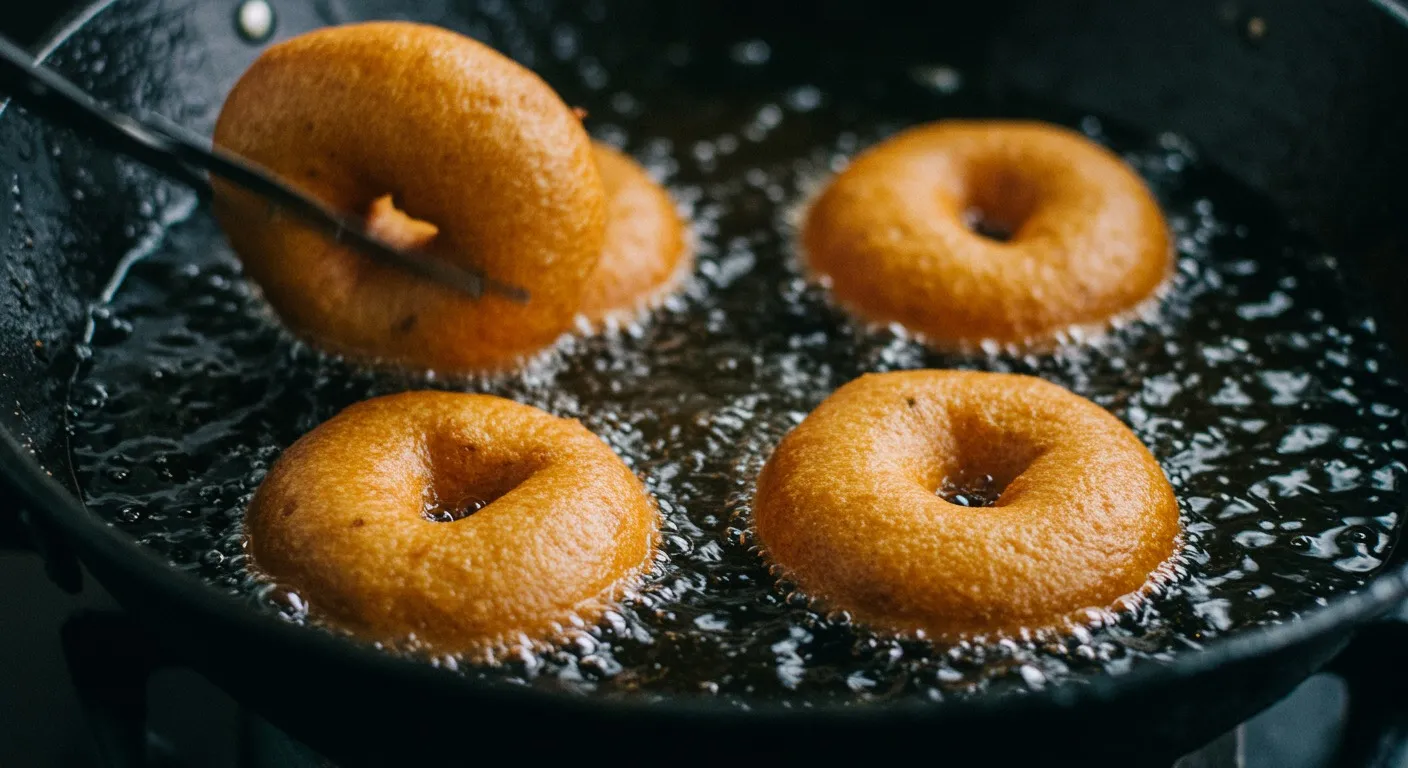
Everything hinges on the batter. Drain the soaked dal thoroughly and grind with the least water possible, adding it a tablespoon at a time, ideally ice cold, so the batter stays cool and fluffy rather than dense. The float test is your insurance: a spoonful dropped in water should bob to the top and hold together. Beat the ground batter by hand for a minute to whip in air, which is what gives the vada their soft crumb. Fry in oil that is medium hot, not smoking; too hot and the outside browns before the inside cooks, too cool and the vada drink up oil. Wet hands make shaping the hole far easier.
Serving Suggestions
Serve medu vada hot off the stove with a bowl of sambar and fresh coconut chutney, or dunk them into sambar for soft sambar vada. They are perfect for a weekend breakfast, a festive spread, or a rainy-day snack with filter coffee. Give the batter the care it asks for and you will be rewarded with vada that rival any tiffin shop. Try them once and they will earn a permanent place in your kitchen.
Recipe
Medu Vada (Ulundu Vadai)
Crispy, golden South Indian fritters made from ground urad dal, fluffy and soft inside with a signature center hole. Served hot with sambar and coconut chutney for breakfast or as a tea-time snack.
- Prep
- 20min
- Cook
- 25min
- Total
- 45min
- Servings
- 4servings
- Calories
- 270kcal
Ingredients
- For the vada batter
- 1 cup urad dal (skinless whole white)
- 4 tbsp ice cold water, for grinding
- 1/2 tsp black peppercorns, coarsely crushed
- 1/2 tsp cumin seeds
- 2 green chilies, finely chopped
- 1 tsp ginger, finely grated
- 1 tbsp curry leaves, chopped
- 2 tbsp coriander leaves, chopped
- 1 pinch asafoetida (hing)
- 2 tbsp rice flour (optional, for extra crispness)
- 1/2 tsp salt
- For frying
- 3 cups coconut oil, for deep frying
Instructions
- 1 Rinse the urad dal two or three times until the water runs clear, then soak it in plenty of fresh water for 4 hours. The dal should swell and feel soft when pressed.
- 2 Drain the soaked dal completely in a colander, shaking off as much water as you can. Excess water makes the batter runny and the vada will not hold their shape.
- 3 Grind the drained dal to a thick, smooth, fluffy batter, adding only a tablespoon of ice cold water at a time and scraping down the sides. Use as little water as possible; the batter should be light and airy, not loose.
- 4 Test the batter by dropping a small spoonful into a bowl of water. If it floats and stays intact, it is ready. If it sinks, beat it a little longer or add the rice flour to firm it up.
- 5 Transfer the batter to a bowl and beat it with your hand or a whisk for a minute to add air. Mix in the crushed pepper, cumin seeds, green chilies, ginger, curry leaves, coriander leaves, asafoetida, and salt. Add salt only just before frying so the batter does not turn watery.
- 6 Heat the coconut oil in a deep, heavy pan over medium heat to about 350 degrees Fahrenheit. To test, drop in a tiny bit of batter; it should sizzle and rise to the surface steadily without browning instantly.
- 7 Wet your fingers and palm with water, take a lemon-sized ball of batter onto your hand, flatten it slightly, and poke a hole in the center with your thumb to form a doughnut shape.
- 8 Gently slide the shaped vada off your fingers into the hot oil. Fry three or four at a time without crowding the pan, flipping occasionally, until deep golden and crisp on all sides, about 4 to 5 minutes.
- 9 Lift the vada out with a slotted spoon and drain on a wire rack or paper towels. Serve immediately while hot and crisp, with sambar and coconut chutney.
Notes
- The float test is the single most reliable sign your batter is aerated enough for soft, fluffy vada.
- Keep the dal and water cold while grinding; an overheated batter turns dense and the vada soak up oil.
- If shaping by hand feels tricky, spread the batter on a small square of wet parchment, make the hole, and slide it into the oil from there.
- Leftover batter can be refrigerated for up to a day, but bring it to room temperature and beat again before frying.