Authentic Kerala Beef Ularthiyathu Recipe (Kerala Beef Fry)
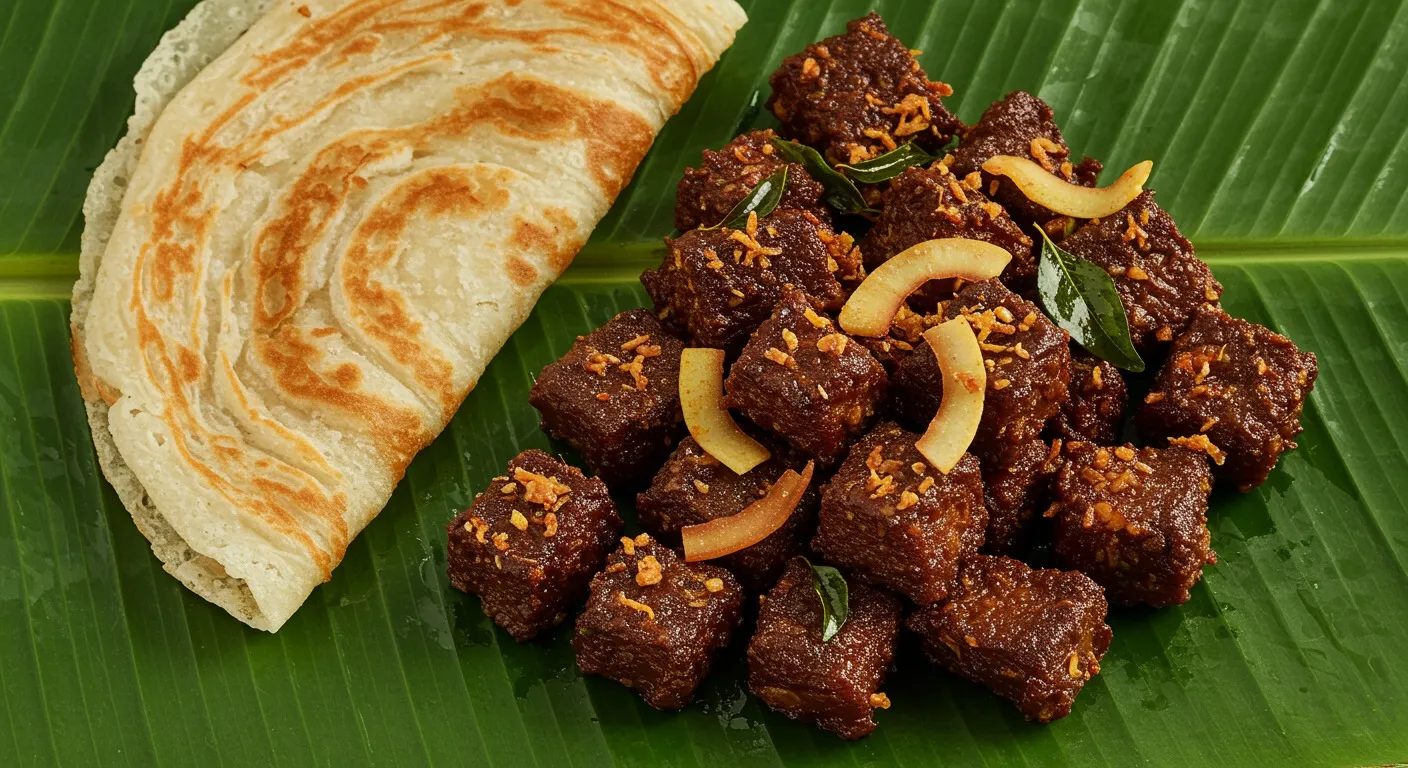
Kerala beef ularthiyathu, often just called Kerala beef fry, is having a real moment. Keralan cooking has been named a cuisine to know, and beef fry in particular has been spreading across Instagram and YouTube as people discover just how good dark, dry-roasted beef can be when it is cooked the way Kerala households do it. The magic is in the contrast: tender, spice-soaked meat against crisp slivers of fried coconut and curry leaves. It is bold, peppery, and deeply savory, the kind of dish that disappears off the plate. Once you taste it with a flaky parotta, you understand why it is called the soul of Kerala street food.
About This Dish
Ularthiyathu simply means sauteed or dry-roasted in Malayalam, and the dish has long been a staple in Syrian Christian kitchens across central Kerala. It belongs to the thattukada, the roadside food stalls where beef fry is ladled out next to stacks of parotta late into the night. Every family keeps its own balance of spices, but the method stays the same: cook the beef low and slow until tender, then roast it hard until the masala caramelizes onto the meat. It is a dish built on patience rather than long ingredient lists.
Ingredient Notes
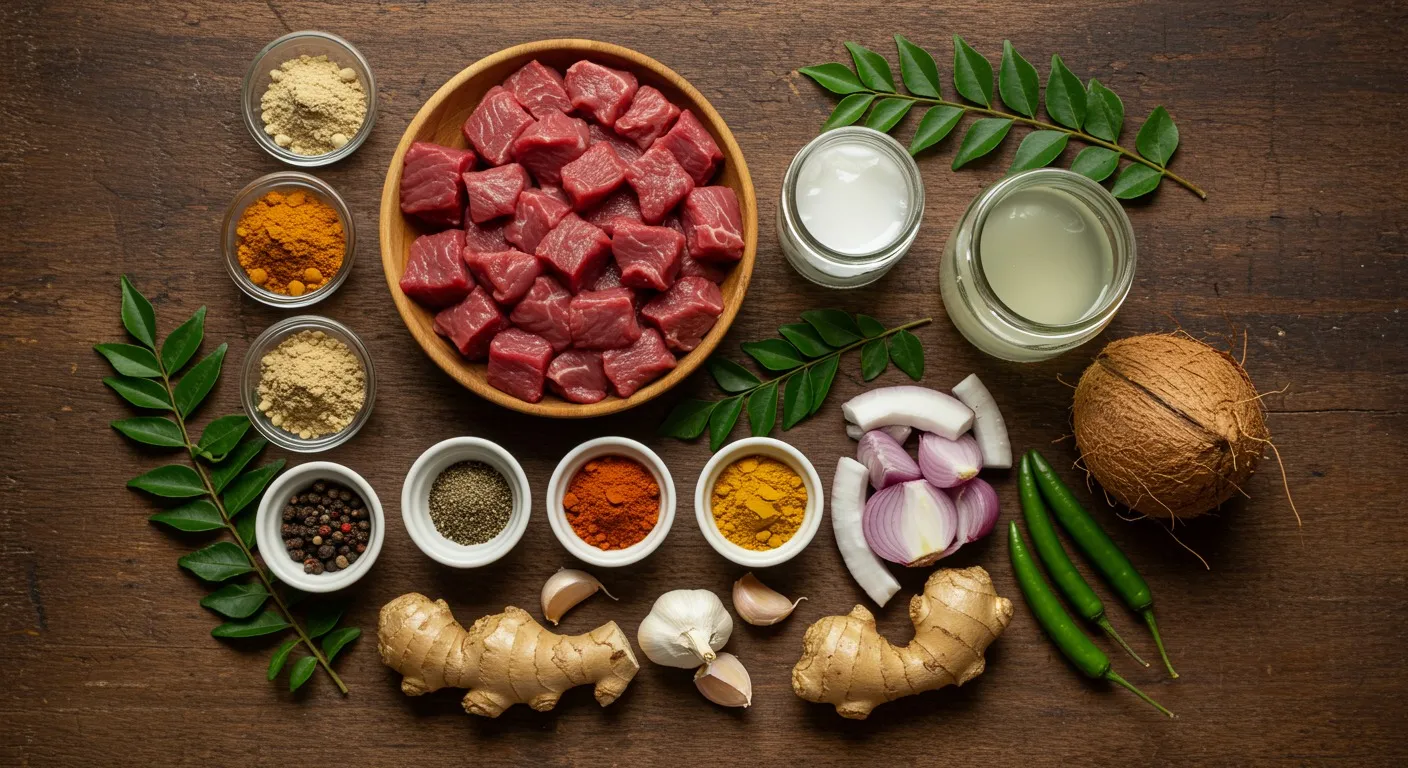
The flavor leans on a handful of pantry spices: coriander, black pepper, turmeric, fennel, and a good garam masala, with Kashmiri chili powder for deep red color without too much heat. Coconut shows up twice, as thin slices that fry into golden chips and as the coconut oil that carries the whole dish. Shallots are worth seeking out because they fry down sweeter than regular onions, though red onion will do in a pinch. Chuck or stew beef is the right cut here, since its connective tissue keeps the meat juicy through pressure cooking. If you do not have a pressure cooker, simmer the beef covered in a heavy pot for about an hour until tender, then proceed with the roast.
Method And Tips
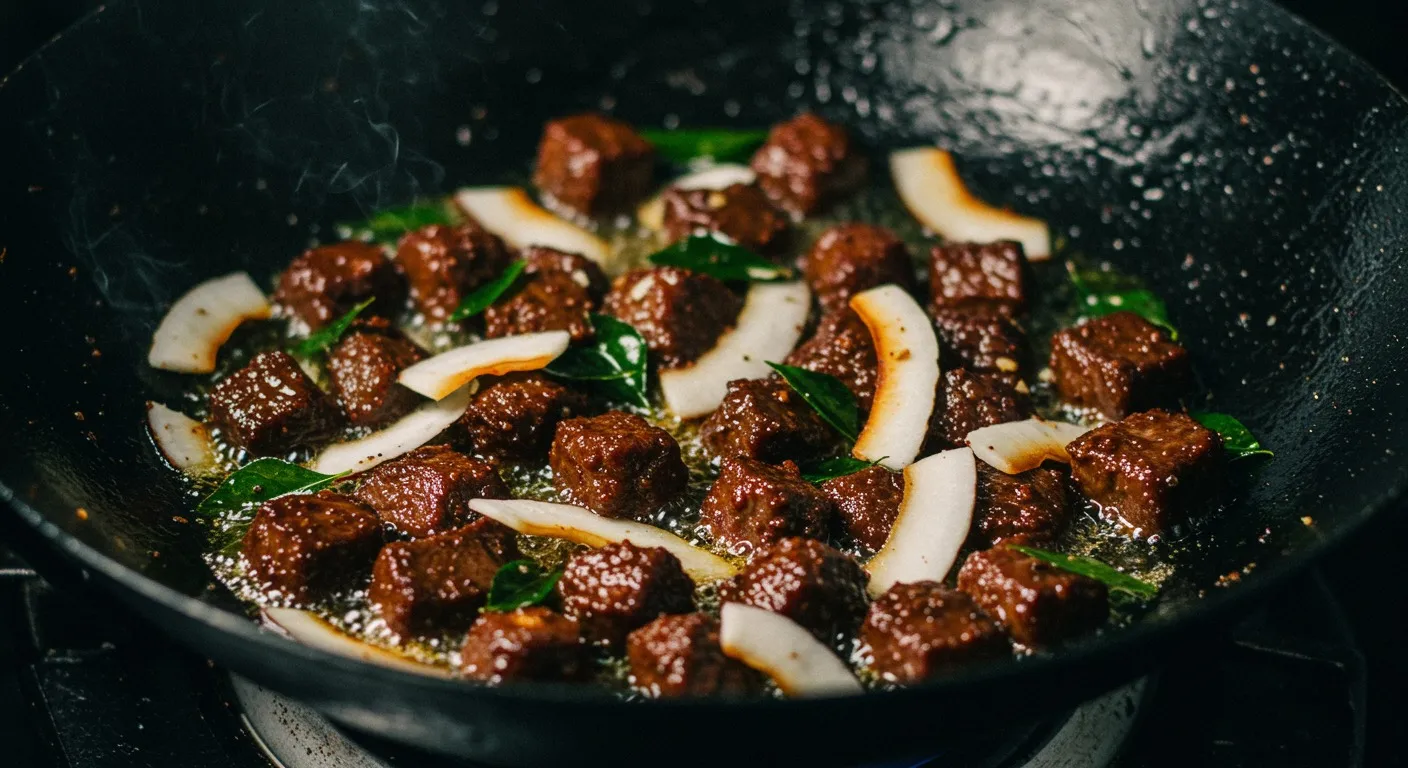
The single most important step is the roast at the end. After the beef is tender, the goal is to cook off every bit of moisture and keep going until the oil separates and the meat turns dark and glossy. Stir often over low to medium heat so the spices toast rather than burn. Frying the coconut slices first, before the shallots, gives them time to crisp and gives the whole dish its signature crunch. A final pinch of garam masala stirred in off the heat lifts the aroma right before serving.
Serving Suggestions
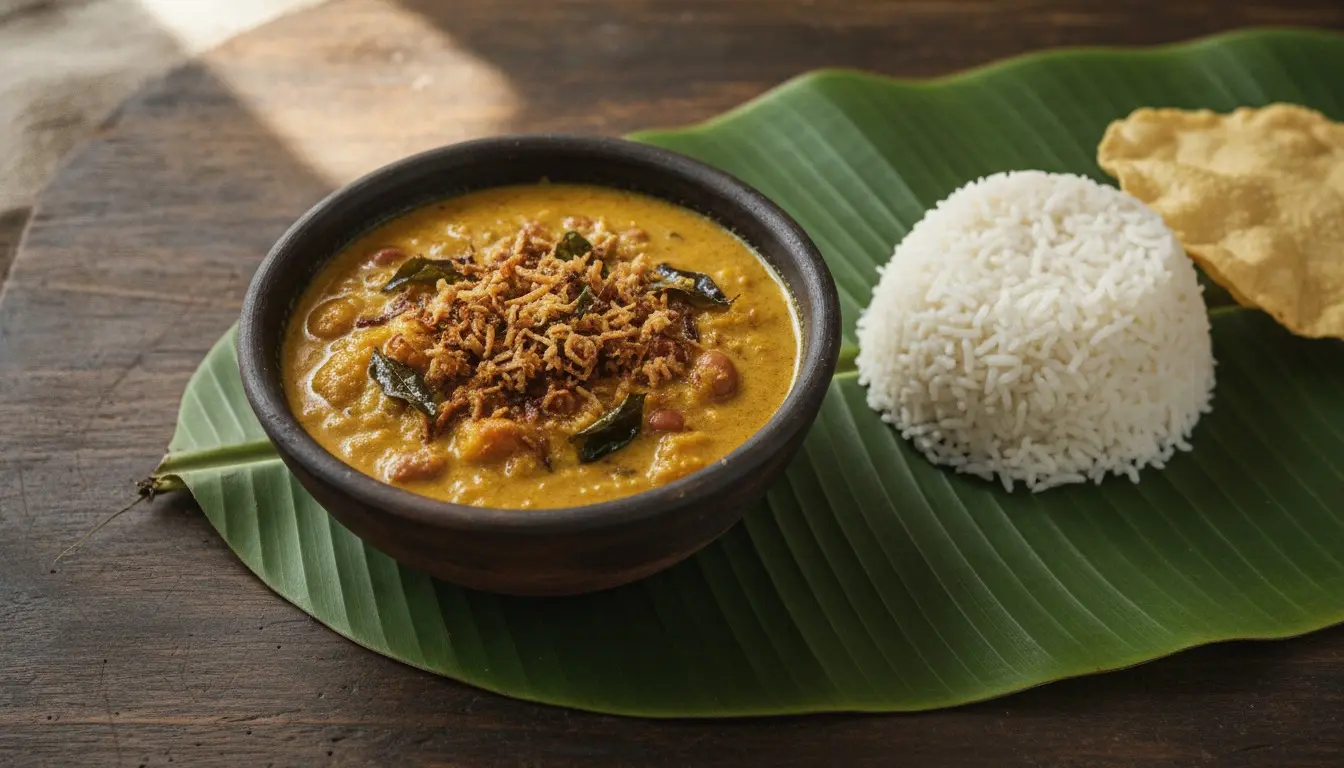
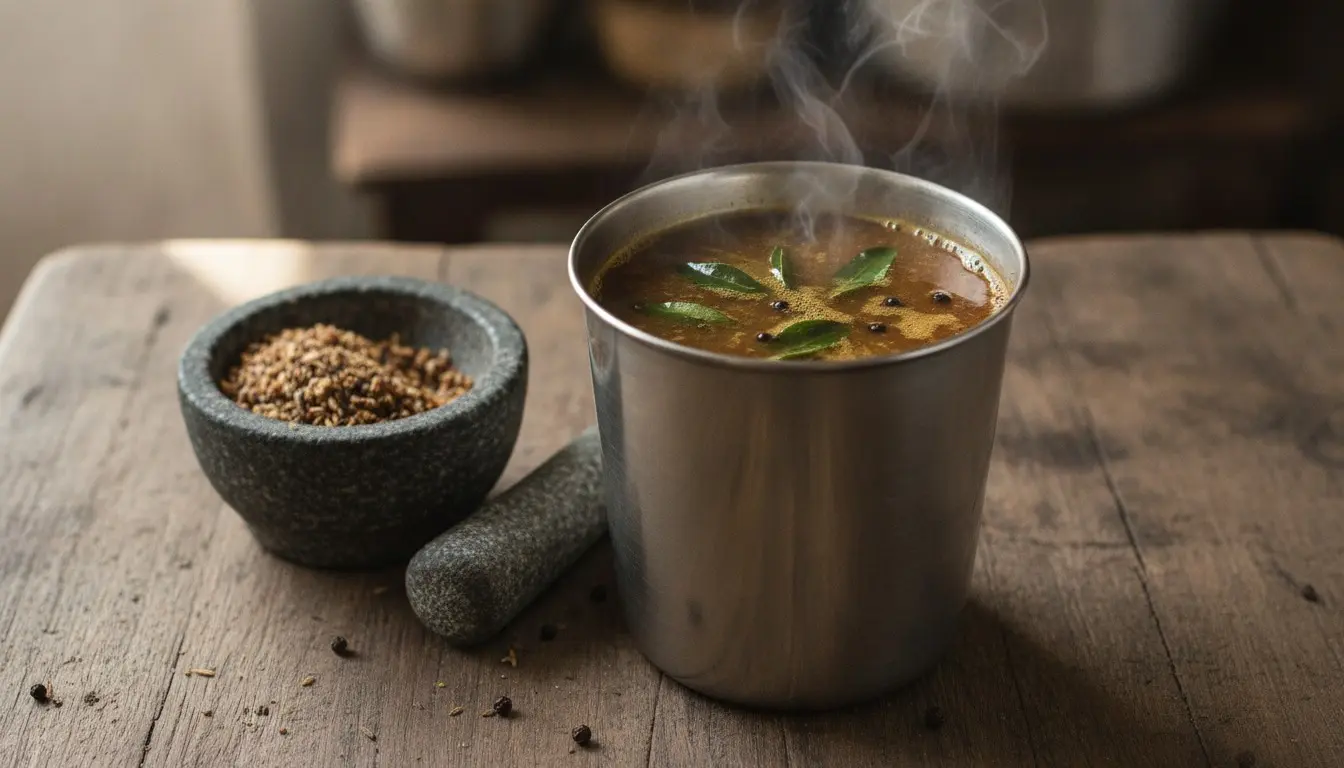
Serve Kerala beef ularthiyathu hot with Malabar parotta, appam, kappa, or a simple plate of rice and rasam. It also makes a fantastic filling for wraps and a crowd-pleasing appetizer on its own. Give it a try the next time you want something with real character on the table, and keep the parottas coming.
Recipe
Kerala Beef Ularthiyathu (Beef Fry)
Cubes of beef are pressure-cooked with Kerala spices, then dry-roasted in coconut oil with shallots, toasted coconut slices, black pepper, and curry leaves until every piece turns dark, glossy, and deeply savory.
- Prep
- 20min
- Cook
- 50min
- Total
- 70min
- Servings
- 6servings
- Calories
- 360kcal
Ingredients
- For pressure cooking the beef
- 2 lb boneless beef chuck, cut into 1 inch cubes
- 1 cup shallots, thinly sliced
- 1 tbsp ginger, minced
- 1 tbsp garlic, minced
- 2 green chilies, slit
- 2 sprigs curry leaves
- 1/2 tsp turmeric powder
- 2 tbsp coriander powder
- 1 tbsp kashmiri red chili powder
- 1 tbsp black pepper powder
- 1.5 tsp garam masala
- 1 tsp fennel powder
- 1.5 tsp salt
- 1/4 cup water
- For the roast (ularthiyathu)
- 3 tbsp coconut oil
- 1/2 tsp mustard seeds
- 1/2 cup thinly sliced fresh or frozen coconut
- 1 cup shallots, thinly sliced
- 2 sprigs curry leaves
- 1/2 tsp garam masala
Instructions
- 1 In a pressure cooker, combine the cubed beef with the sliced shallots, ginger, garlic, green chilies, curry leaves, turmeric, coriander powder, Kashmiri chili powder, black pepper, garam masala, fennel powder, and salt. Mix well so every piece is coated, then add the water.
- 2 Close the cooker and pressure cook on medium heat for 4 to 5 whistles, about 20 to 25 minutes, until the beef is fork tender. Let the pressure release naturally.
- 3 Open the cooker and check the liquid. If the beef is swimming in gravy, simmer it uncovered over high heat until almost all the moisture has cooked off and a thick masala clings to the meat. Set aside.
- 4 Heat the coconut oil in a wide, heavy pan or kadai over medium heat. Add the mustard seeds and let them crackle, then add the sliced coconut and fry until the pieces turn light golden.
- 5 Add the sliced shallots and curry leaves and saute until the shallots are soft and lightly browned, about 5 minutes.
- 6 Tip in the cooked beef along with any thick masala. Stir to coat everything in the tempered oil and coconut.
- 7 Lower the heat and dry roast, stirring every couple of minutes, for 12 to 15 minutes. The beef will darken, the edges will crisp, and the oil will start to separate at the sides of the pan.
- 8 Sprinkle over the finishing garam masala, toss once more, and roast for another 2 minutes. Taste and adjust salt and pepper, then take it off the heat.
Notes
- Chuck or stew beef works best because the connective tissue keeps the meat moist through long cooking; lean cuts can turn dry.
- The dish should finish almost dry with a glossy coating, not saucy. Keep dry roasting until the oil separates for the most authentic flavor.
- Add a teaspoon of extra coconut oil at the very end for shine and a richer Kerala taste.
- Beef fry is traditionally served with Malabar parotta, appam, kappa (tapioca), or plain rice with a bowl of rasam.