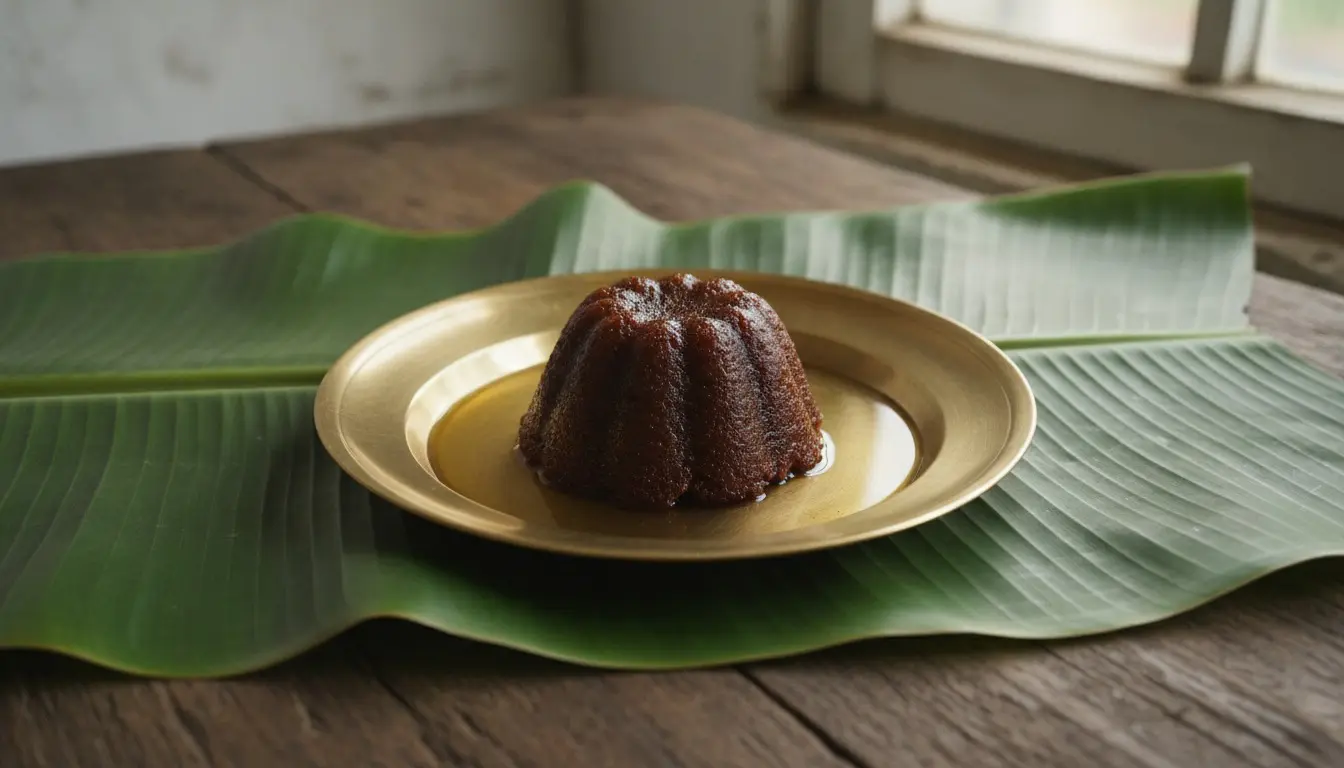
Ragi Kuzhi Paniyaram Recipe (Healthy Finger Millet Breakfast)
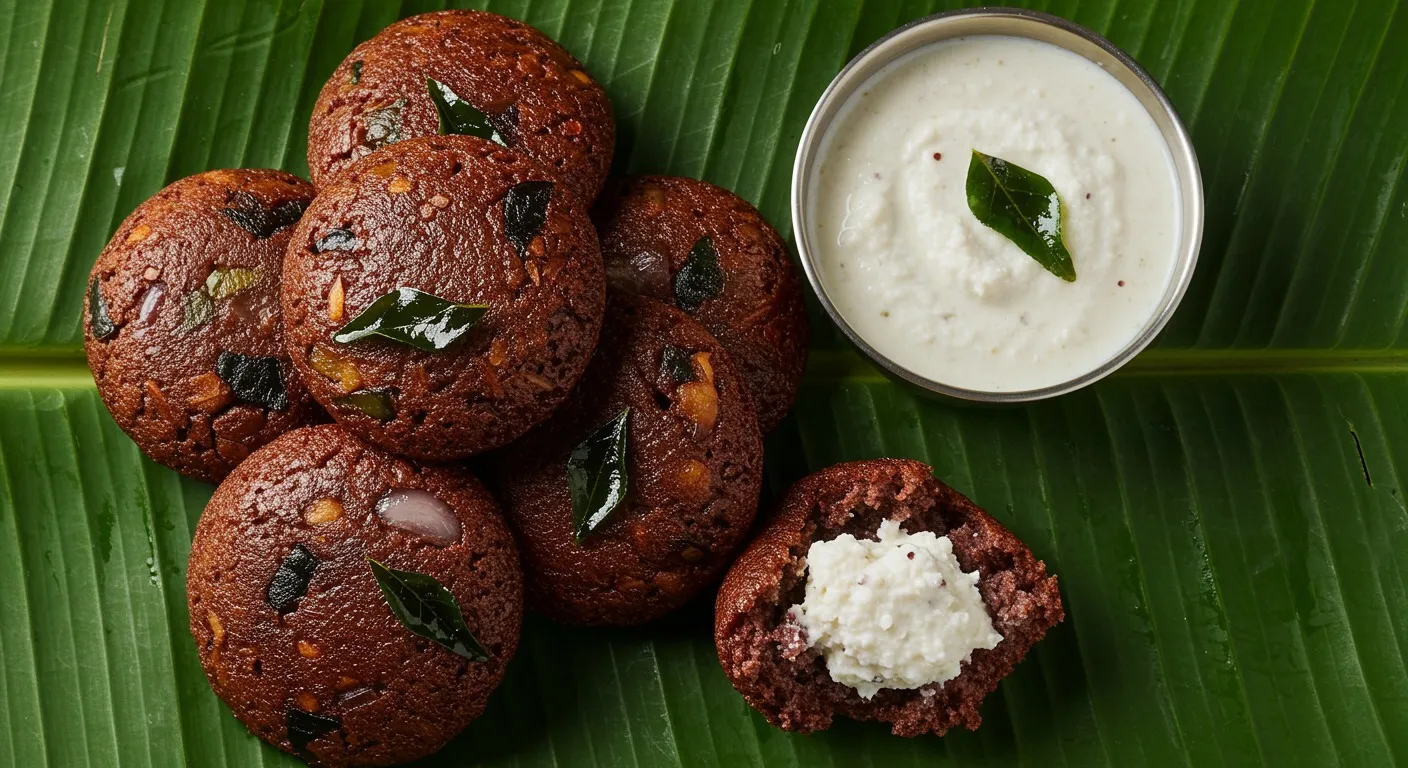
Ragi kuzhi paniyaram is the kind of breakfast that feels indulgent and virtuous at the same time: little golden-brown spheres with crisp edges and soft, savory centers, made from humble finger millet. It has been having a real moment online, riding the wave of interest in millets as gut-friendly, slow-release staples, and quick versions that start from ready idli or dosa batter are all over Instagram and Pinterest. The appeal is obvious once you make a batch. They come together in minutes, use up batter sitting in your fridge, and disappear off the plate just as fast.
About This Dish
Paniyaram, also called kuzhi paniyaram or appe, is a classic South Indian dish cooked in a special pan with rounded cavities, traditionally a way to turn leftover idli or dosa batter into something new. The savory, onion-and-curry-leaf style is especially loved in Tamil Nadu and Karnataka homes. Swapping in finger millet, a grain that has nourished South Indian families for generations, is a natural evolution that keeps the dish familiar while making it heartier and more wholesome.
Ingredient Notes
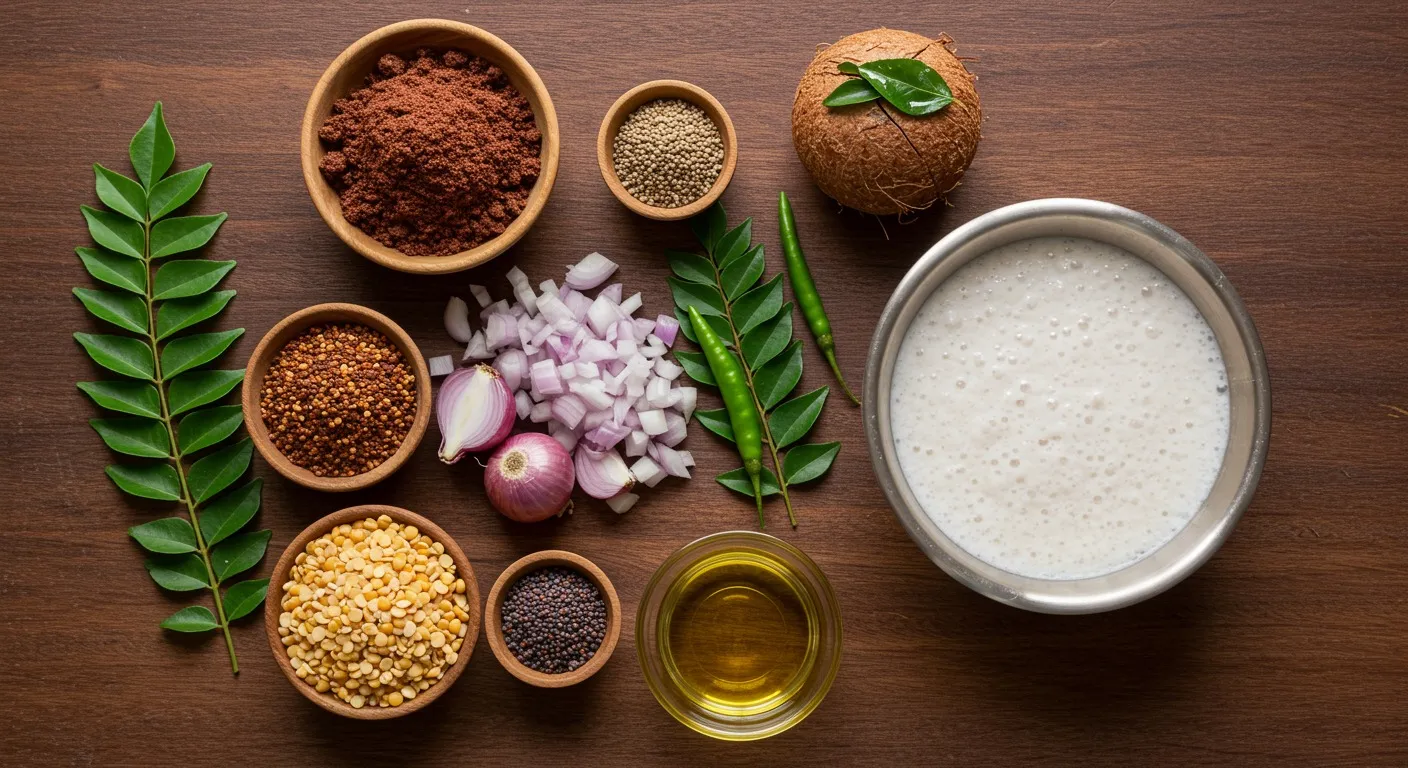
The two things that matter most here are the batter and the ragi flour. Use a thick, well fermented idli or dosa batter as the base, then stir in finger millet flour, which is widely sold as ragi flour or ragi atta. About half a cup of ragi flour to two cups of batter gives a noticeable millet flavor without turning the paniyaram dense. The tempering of mustard seeds, urad dal, chana dal, onion, green chili, ginger, and curry leaves is what carries the flavor, and coconut oil suits this coastal style beautifully. If you like, shallots can stand in for regular onion, and a handful of grated carrot makes a great addition for children.
Method And Tips
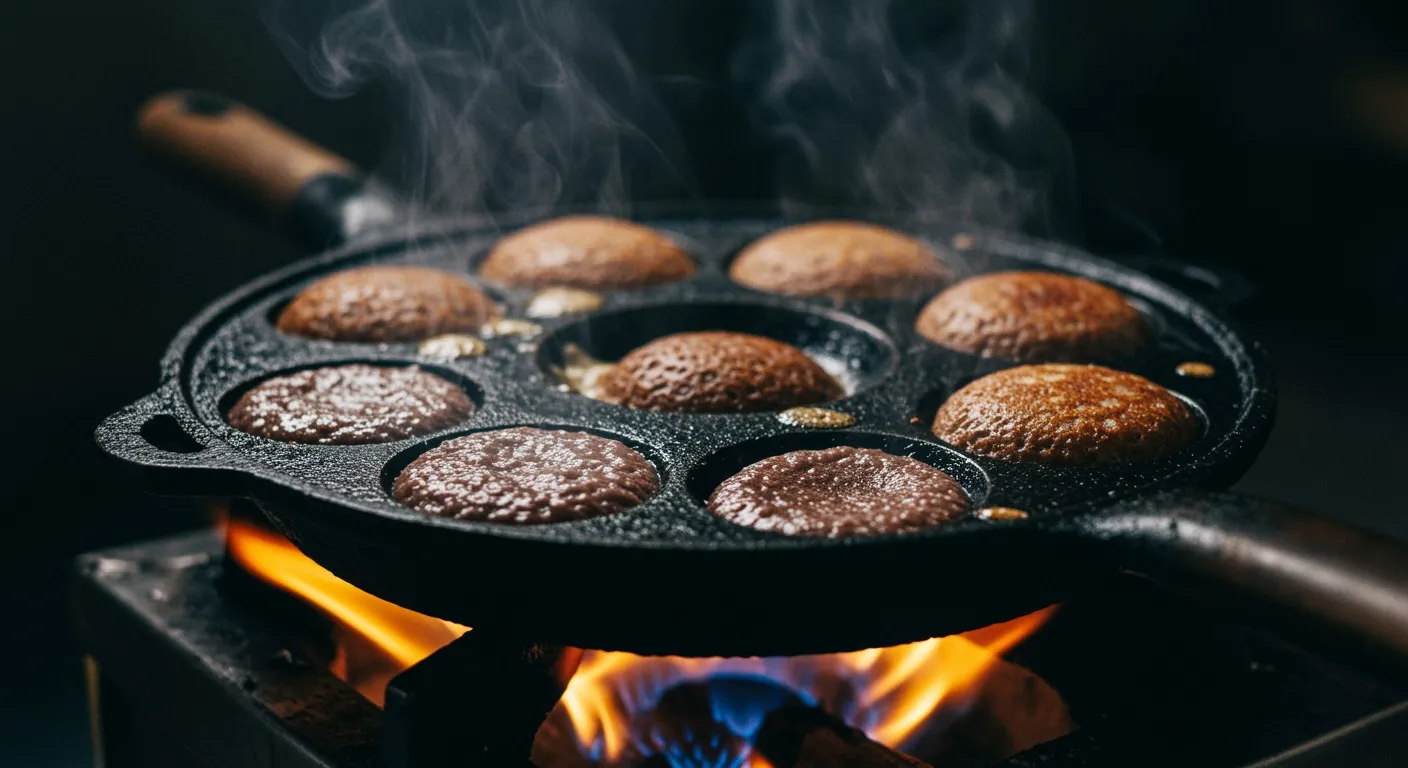
The technique is forgiving but rewards a little patience. Let the batter rest for around ten minutes after mixing in the ragi flour so the millet hydrates and the paniyaram cook evenly. Keep the pan on low to medium heat: too high and the outsides brown before the centers set. Cover the pan for the first couple of minutes to trap steam, which helps them puff and cook through, then flip and finish them uncovered until golden all over. A skewer or the rounded back of a small spoon makes flipping easy.
Serving Suggestions
Serve ragi kuzhi paniyaram hot, straight from the pan, with coconut chutney, tomato chutney, or a bowl of sambar for dipping. They make a satisfying breakfast, a lunchbox filler, or an evening snack with tea. Keep a batch of batter ready in the fridge and this wholesome, crowd-pleasing dish is never more than twenty minutes away.
Recipe
Ragi Kuzhi Paniyaram
Soft, lightly crisp finger millet dumplings made by folding ragi flour and a quick onion tempering into idli or dosa batter, then cooking them in a paniyaram pan. A wholesome South Indian breakfast or evening snack.
- Prep
- 15min
- Cook
- 20min
- Total
- 35min
- Servings
- 4servings
- Calories
- 190kcal
Ingredients
- For the batter
- 2 cups idli or dosa batter
- 1/2 cup ragi flour (finger millet flour)
- 1/2 tsp salt
- 2 tbsp water
- For the tempering
- 2 tbsp coconut oil
- 1/2 tsp mustard seeds
- 1 tsp urad dal
- 1 tsp chana dal
- 1 pinch asafoetida (hing)
- 1/2 cup onion, finely chopped
- 2 green chilies, finely chopped
- 1 tsp ginger, grated
- 1 sprig curry leaves
- 2 tbsp coriander leaves, chopped
- For cooking
- 2 tbsp coconut oil, for the pan
Instructions
- 1 In a large bowl, stir the ragi flour and salt into the idli or dosa batter until smooth and lump free. Add a little water only if needed to bring it to a thick idli-batter consistency that drops slowly from a spoon. Set aside to rest for about 10 minutes while you make the tempering.
- 2 Heat 2 tablespoons coconut oil in a small pan over medium heat. Add the mustard seeds and let them splutter, then add the urad dal and chana dal and fry until they turn light golden.
- 3 Add the asafoetida, chopped onion, green chilies, grated ginger, and curry leaves. Saute for 2 to 3 minutes until the onion turns soft and translucent.
- 4 Stir in the coriander leaves, turn off the heat, and let the tempering cool for a couple of minutes so it does not deflate the batter.
- 5 Fold the cooled tempering into the rested batter and mix well. Taste and adjust salt.
- 6 Heat a paniyaram pan over low to medium heat and add about half a teaspoon of coconut oil into each cavity.
- 7 Spoon the batter into each cavity until about three quarters full. Cover the pan and cook for 2 to 3 minutes, until the edges set and the bottoms turn golden brown.
- 8 Flip each paniyaram with a skewer or the back of a spoon and cook uncovered for another 2 minutes, until golden all over and cooked through.
- 9 Remove the paniyaram and repeat with the remaining batter, adding a little coconut oil to the cavities for each batch. Serve hot with coconut chutney.
Notes
- Use thick, well fermented batter for the best texture. Batter that is too thin will not hold its round shape in the pan.
- For a kids-friendly or more filling version, fold in about 1/4 cup grated carrot or finely chopped mixed vegetables along with the tempering.
- A seasoned cast-iron or nonstick paniyaram (appe) pan works best. Keep the heat on the lower side so the insides cook through before the outsides brown too much.
- Shallots (small pearl onions) can be used in place of regular onion for a sweeter, more traditional flavor.