Fresh Mint (Pudina) Tea for Indigestion, Gas, and Mild Nausea
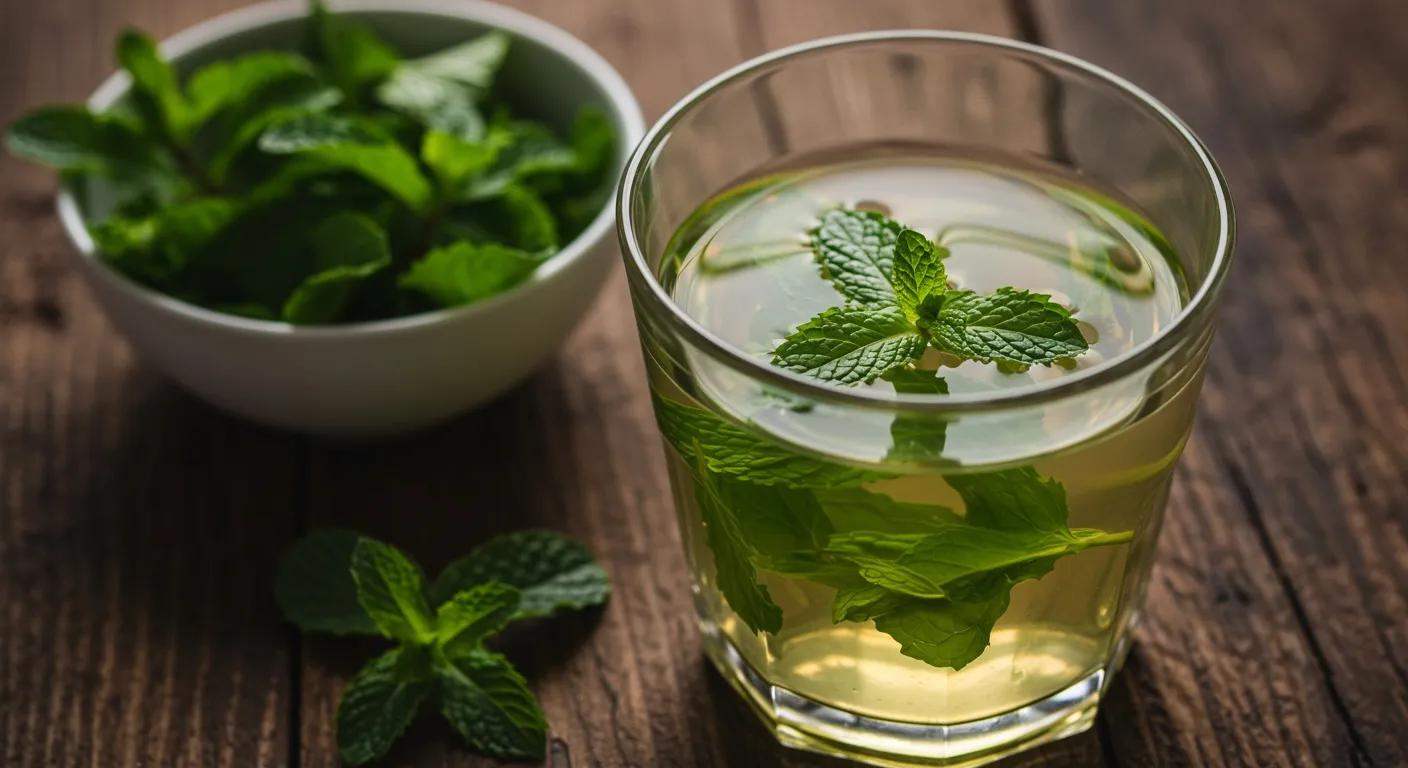
Almost everyone knows the heavy, gassy, slightly queasy feeling that follows a rich or rushed meal: the stomach feels tight, bloating sets in, and nothing sounds appealing for the next hour. It is one of the most common everyday digestive complaints, and most of the time it passes on its own. A warm cup of fresh mint (pudina) tea is a simple kitchen-based way to feel more comfortable while it does, using nothing more than a handful of leaves and a cup of hot water.
The Ayurvedic Perspective
Ayurveda frames this kind of after-meal discomfort as a stumble in agni, the digestive fire, often with aggravated pitta (heat and acidity) or pooled gas and bloating in the digestive tract. Pudina is valued as a cooling, pungent herb that calms excess pitta while still acting as deepana and pachana, meaning it gently kindles appetite and supports digestion rather than overheating the system. It appears widely in household Ayurvedic practice and in the nighantu (materia medica) tradition as a remedy for ajirna (indigestion), adhmana (bloating and gas), and aruchi (poor appetite), which is why post-meal mint infusions are so common across Indian kitchens.
What Modern Biology Says
Modern chemistry points to menthol and menthone, the volatile oils that give mint its cooling bite, as the active players. These compounds relax the smooth muscle of the digestive tract, partly by blocking calcium channels, which eases cramping and helps trapped gas move along. The strongest human evidence comes from concentrated peppermint oil: a 2019 systematic review and meta-analysis of five randomized trials, published by Li and colleagues in Evidence-Based Complementary and Alternative Medicine, found that a peppermint-and-caraway oil combination significantly improved symptoms of functional dyspepsia, and broader reviews confirm peppermint’s antispasmodic effect throughout the gut. The evidence for nausea is thinner and applies to inhaled peppermint essential oil rather than sipped tea: a 2018 Cochrane review found no reliable evidence that peppermint oil eases postoperative nausea, though some smaller trials hint at modest benefit with low certainty. So a cup of mint tea is best understood as a gentle, low-dose version of an antispasmodic effect that is well documented at higher concentrations, with little direct trial evidence for the tea itself.
How And When To Use It
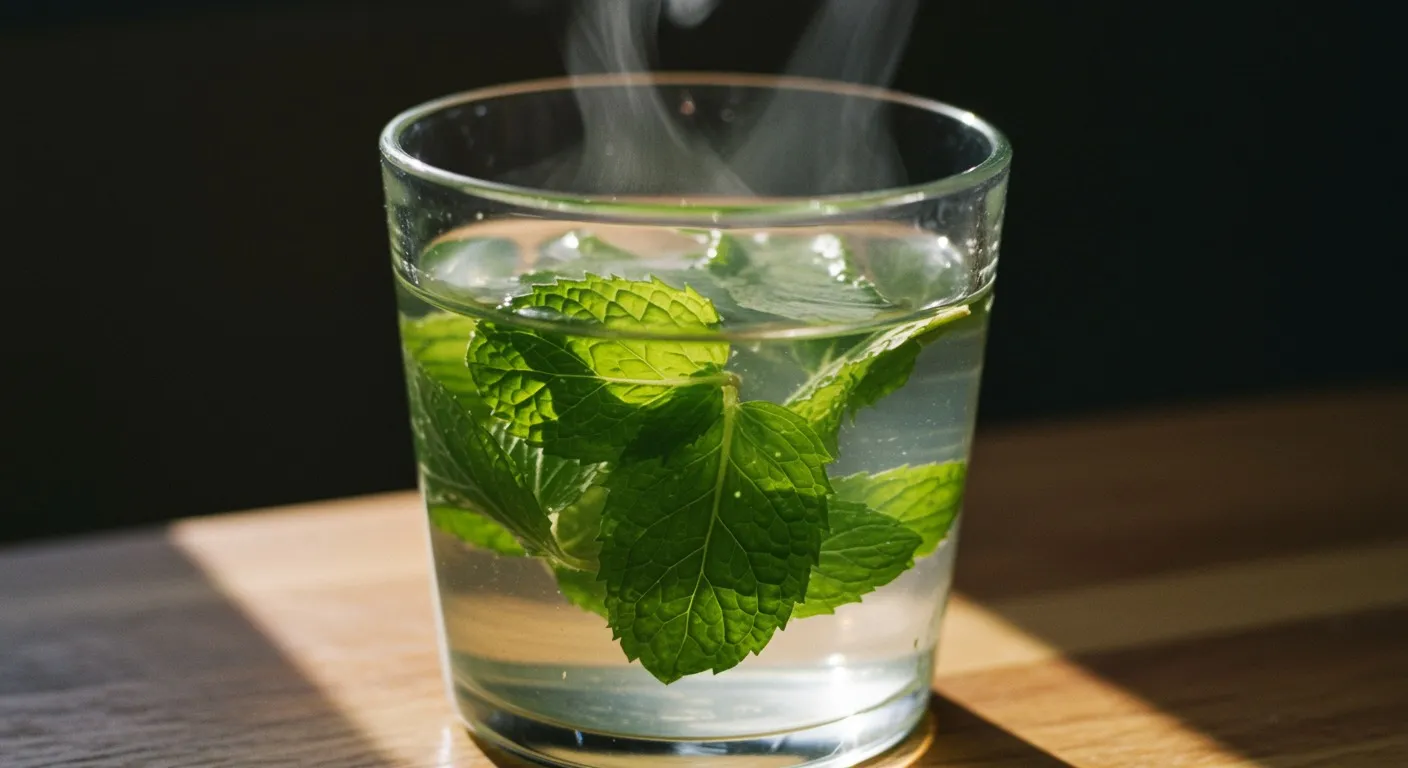
Reach for mint tea after a heavy, oily, or spicy meal, or at the first hint of gas, bloating, or mild queasiness. Steep ten to twelve lightly crushed leaves in a cup of just-boiled water for five to seven minutes, strain, and sip slowly while it is warm. One cup is usually enough; two to three cups across the day is a reasonable ceiling. Expect gentle, short-term relief of fullness and gas rather than a dramatic effect, and skip the optional honey until the tea has cooled to just warm.
Cautions And A Note On Medical Care
A few cautions keep this safe. Because mint relaxes the valve between the stomach and esophagus, it can actually worsen heartburn in people with frequent acid reflux or a hiatal hernia, so those individuals should avoid it or ask their doctor first. Keep strong mint and menthol products away from infants and very young children, and remember that concentrated peppermint oil capsules are a much stronger, different product than this kitchen tea. See a doctor if your symptoms last beyond two weeks, keep coming back, or arrive with weight loss, vomiting, black stools, or severe pain. This is traditional wisdom and not a substitute for medical care, but as an everyday comfort after a big meal, a warm cup of pudina tea is an easy one to try.
Recipe
Fresh Mint (Pudina) Digestive Tea
A warm infusion of fresh mint leaves to ease everyday indigestion, gas, bloating, and mild after-meal nausea.
- Prep
- 2min
- Cook
- 7min
- Total
- 9min
- Servings
- 1doses
Ingredients
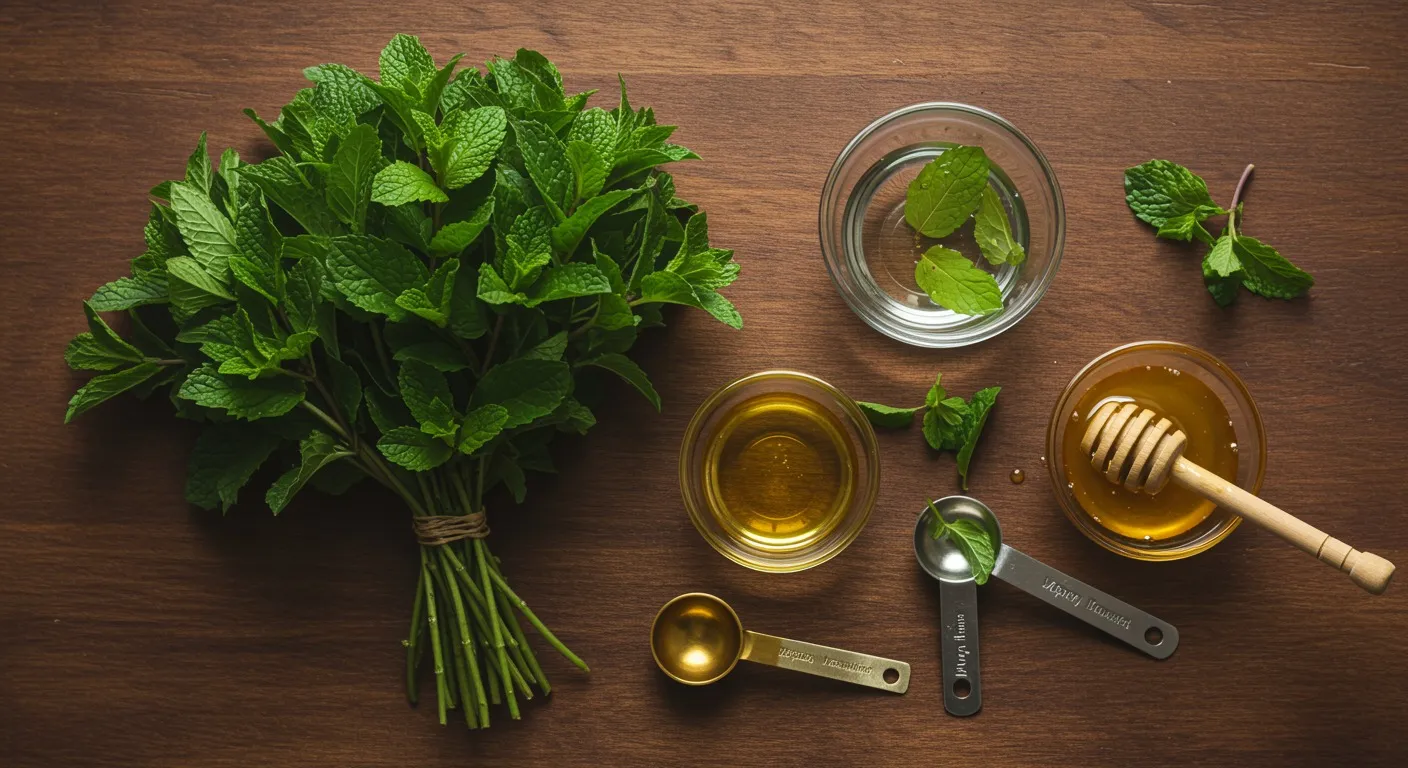
- 10 leaves fresh mint (pudina) leaves
- 1 cup water
- 1 tsp raw honey, optional and stirred in once the tea is just warm
Instructions
- 1 Rinse 10 to 12 fresh mint (pudina) leaves under running water, then tear or lightly crush them with your fingers to release the aromatic oils.
- 2 Bring 1 cup of water to a gentle boil, then switch off the heat. Avoid hard, prolonged boiling of the leaves, which drives off the volatile menthol that soothes the gut.
- 3 Add the mint leaves to the hot water, cover, and steep for 5 to 7 minutes.
- 4 Strain into a cup. If you like, stir in 1 teaspoon of raw honey once the tea has cooled to just warm, not hot.
- 5 Sip slowly after a heavy, oily, or spicy meal, or at the first sign of gas, bloating, or mild queasiness. Limit to 2 to 3 cups a day.
Notes
- Mint relaxes the lower esophageal sphincter, which can worsen heartburn or acid reflux. If you have frequent GERD or a hiatal hernia, skip mint tea or check with your doctor first.
- Do not give strong mint or menthol preparations to infants and very young children, since concentrated menthol near the face can affect their breathing.
- Concentrated peppermint oil capsules are a different and far stronger product than mint tea and can interact with some medications; this remedy refers only to a mild kitchen-strength infusion.
- Consult your doctor if indigestion, gas, or nausea persists beyond two weeks, recurs often, or comes with weight loss, vomiting, black stools, or severe pain.
- This is traditional wisdom and not a substitute for medical care.