Authentic Neer Dosa Recipe (Soft Mangalorean Rice Crepes)
Some dishes go viral because they are complicated and dramatic, and some go viral simply because they are honest, and neer dosa belongs firmly in the second camp. As coastal Karnataka and Kerala cooking has been having a real moment online, this soft, lacy rice crepe from the Udupi-Mangalore region has been popping up across Instagram reels, YouTube breakfasts, and Pinterest boards. The appeal is easy to understand: it is made from just rice, a little coconut, and water, with no lentils, no fermentation, and no waiting for a batter to rise overnight. It is naturally gluten free and vegan, which only widens its audience. One taste of these tender, melt-in-the-mouth crepes and it is obvious why they are winning over home cooks far beyond their coastal home.
About This Dish
Neer dosa comes from the Tulu-speaking coastal belt of Karnataka around Mangalore and Udupi, where it is a beloved everyday breakfast. The name itself tells the story: in Tulu and Kannada, neer means water, a nod to how thin and watery the batter is compared to a regular dosa. Unlike the fermented rice-and-lentil dosa most people know, this one is ground fresh and cooked right away, which made it a practical, quick option in home kitchens. It is traditionally served with coconut chutney, a fiery chicken or fish curry, or simply a spoon of jaggery and coconut for a sweet finish.
Ingredient Notes
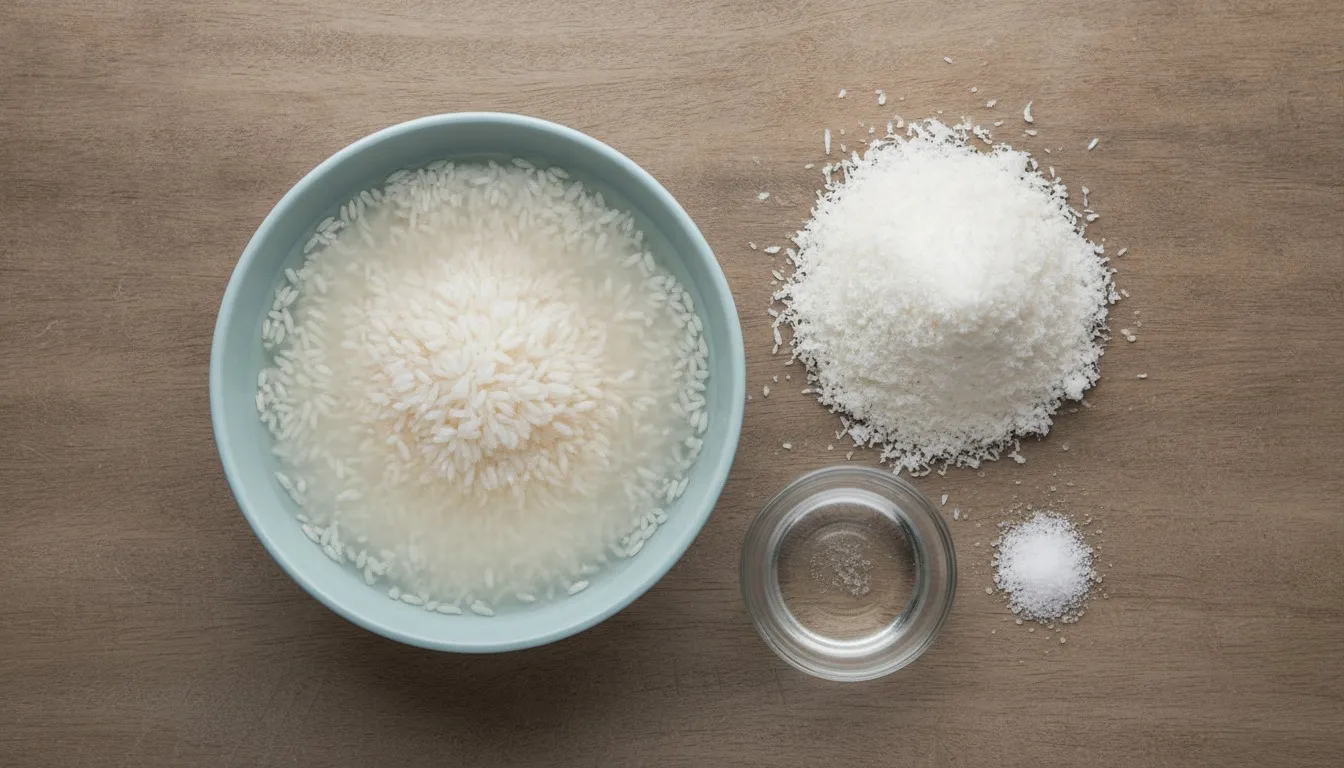
The ingredient list is short, so a few choices matter. Use a raw rice that grinds smoothly, such as sona masuri, ponni, or idli rice, and soak it well so the batter turns out silky rather than gritty. A small handful of grated coconut, ground in with the rice, is the traditional touch that gives neer dosa its faint sweetness and its soft, tender texture, though you can leave it out for a plainer version. Fresh coconut is best, but frozen grated coconut, thawed, works well too. The only other things you need are salt and water, plus a little coconut oil to grease the pan, which suits the coastal flavor of the dish. There is no need for baking soda, eno, or any leavening; the crepe gets its lacy character from the thin batter and a hot pan alone.
Method And Tips
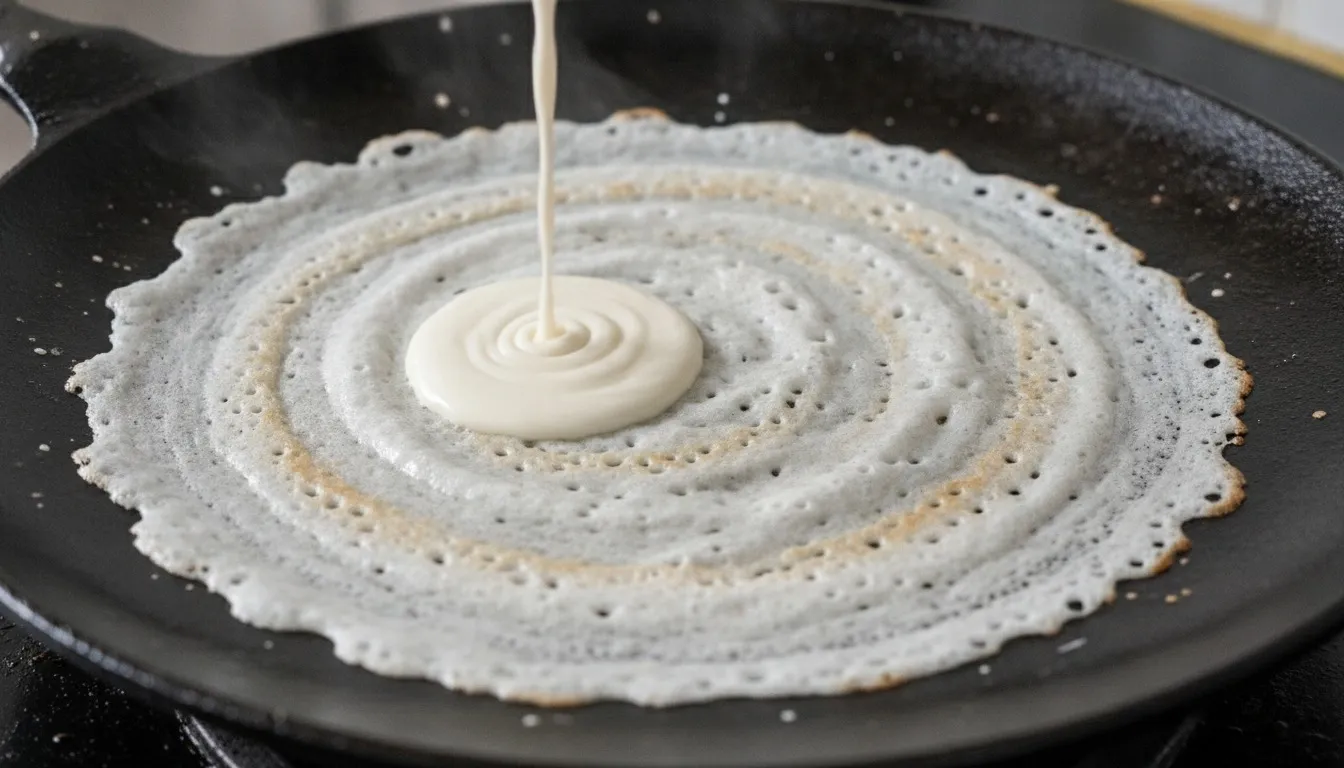
The whole recipe lives or dies by two things: the consistency of the batter and the heat of the pan. Grind the soaked rice and coconut completely smooth, then thin the batter until it is as loose as whole milk and runs off the ladle in a stream. Pour it over a properly hot, lightly greased tawa from the outside edge inward, rather than spreading it with the ladle, so it forms the signature holes and lace. Cover the pan for a minute so the top steams and sets, and never flip the dosa, since it cooks on one side only. If your first attempt comes out thick or rubbery, add a splash more water to the batter and make sure the pan is hot enough that a drop of batter sizzles at once.
Serving Suggestions
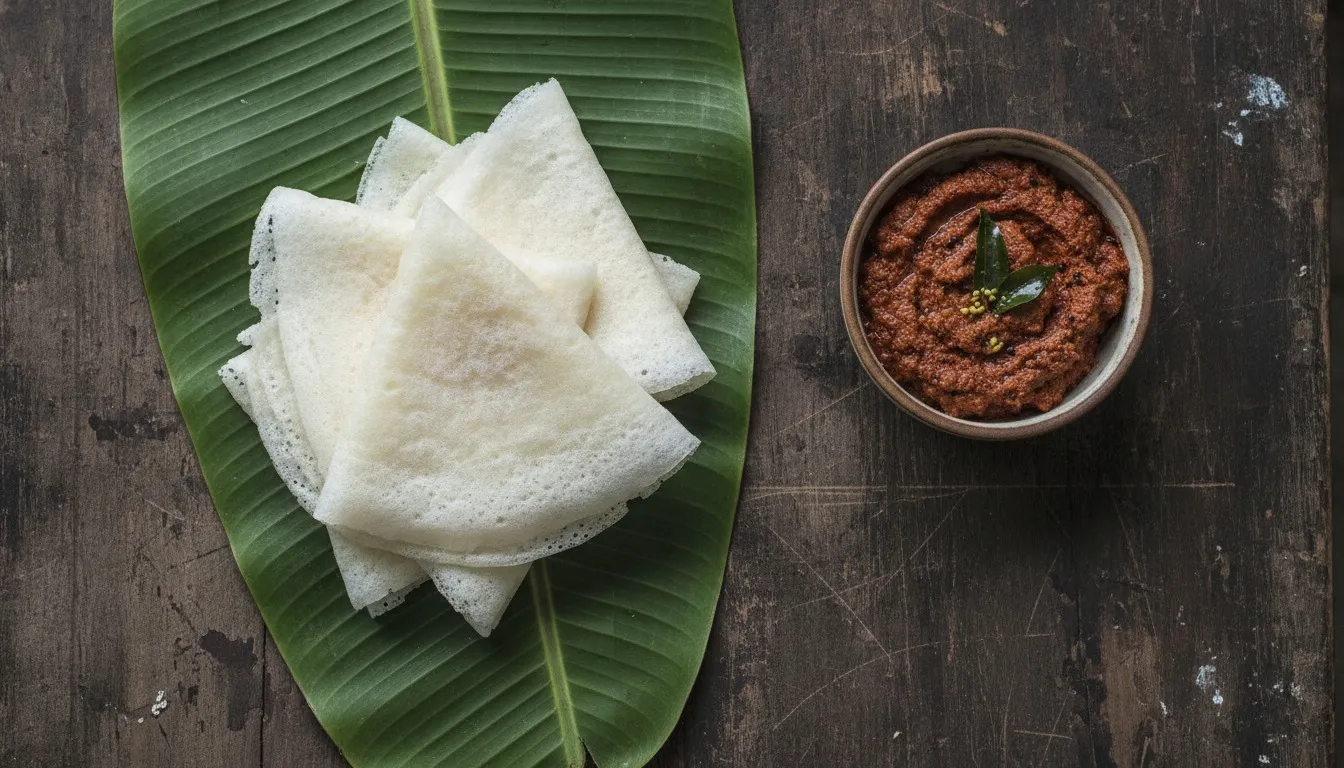
Serve neer dosa hot off the pan, folded into soft triangles, with a bowl of coconut chutney or a rich Mangalorean chicken or fish curry to soak up. They are equally lovely with a simple drizzle of coconut milk and jaggery for anyone with a sweet tooth. Once you see how quickly a batch comes together without any overnight planning, this is the kind of breakfast you will find yourself making again and again. Give it a try this weekend and let the pan do the magic.
Recipe
Neer Dosa
Soft, thin, lacy rice crepes from the Udupi-Mangalore coast, ground from soaked raw rice with a touch of coconut. No lentils and no fermentation, so the batter is ready to cook right after grinding.
- Prep
- 10min
- Cook
- 30min
- Total
- 40min
- Servings
- 4servings
- Calories
- 60kcal
Ingredients
- For the batter
- 1 cup raw rice (sona masuri, ponni, or idli rice)
- 1/4 cup grated fresh coconut
- 3/4 tsp salt
- 1/2 cup water, for grinding
- 2 cups water, to thin the batter
- For cooking
- 2 tsp coconut oil, for greasing the pan
Instructions
- 1 Rinse the rice two or three times until the water runs clear, then cover with fresh water and soak for at least 4 to 5 hours or overnight.
- 2 Drain the soaked rice and add it to a blender along with the grated coconut, salt, and about 1/2 cup water.
- 3 Grind to a completely smooth batter with no grittiness. Rub a little between your fingers to check that it is silky.
- 4 Pour the batter into a large bowl and stir in about 2 cups of water. The batter should be very thin and watery, like whole milk or thin buttermilk, so it runs easily off a ladle.
- 5 Heat a well-seasoned cast iron or nonstick tawa over medium-high heat. Grease lightly with coconut oil, wiping off the excess with a paper towel or a cut onion.
- 6 Stir the batter well before each dosa, since the rice settles quickly. Hold the ladle high and pour the batter over the hot pan, starting from the outer edge and moving toward the center to form a lacy round.
- 7 Fill in any large gaps with a little more batter. Do not spread it with the back of the ladle.
- 8 Cover with a lid and cook for about 1 to 2 minutes on medium heat until the top looks set and the edges lift from the pan. Neer dosa is cooked on one side only, so do not flip it.
- 9 Slide the dosa onto a plate and let it cool for a few seconds, then fold it in half and again into a triangle. Repeat with the remaining batter, greasing the pan lightly as needed.
Notes
- Add 4 to 5 hours or overnight of soaking time to the schedule; this recipe assumes the rice is already soaked.
- The single most important thing is a very thin, watery batter. If the dosa comes out thick or spongy, whisk in a little more water.
- Keep the finished dosas in a single layer or stand them apart until cool, since they stick together when stacked hot.
- If the first dosa sticks, the pan is not hot enough or needs a touch more grease. The pan is ready when a drop of batter sizzles on contact.
- The coconut is optional but gives a subtly sweet, tender crepe. Leave it out for a plain, purely rice version.