Authentic Kerala Appam Recipe (Soft, Lacy Palappam)
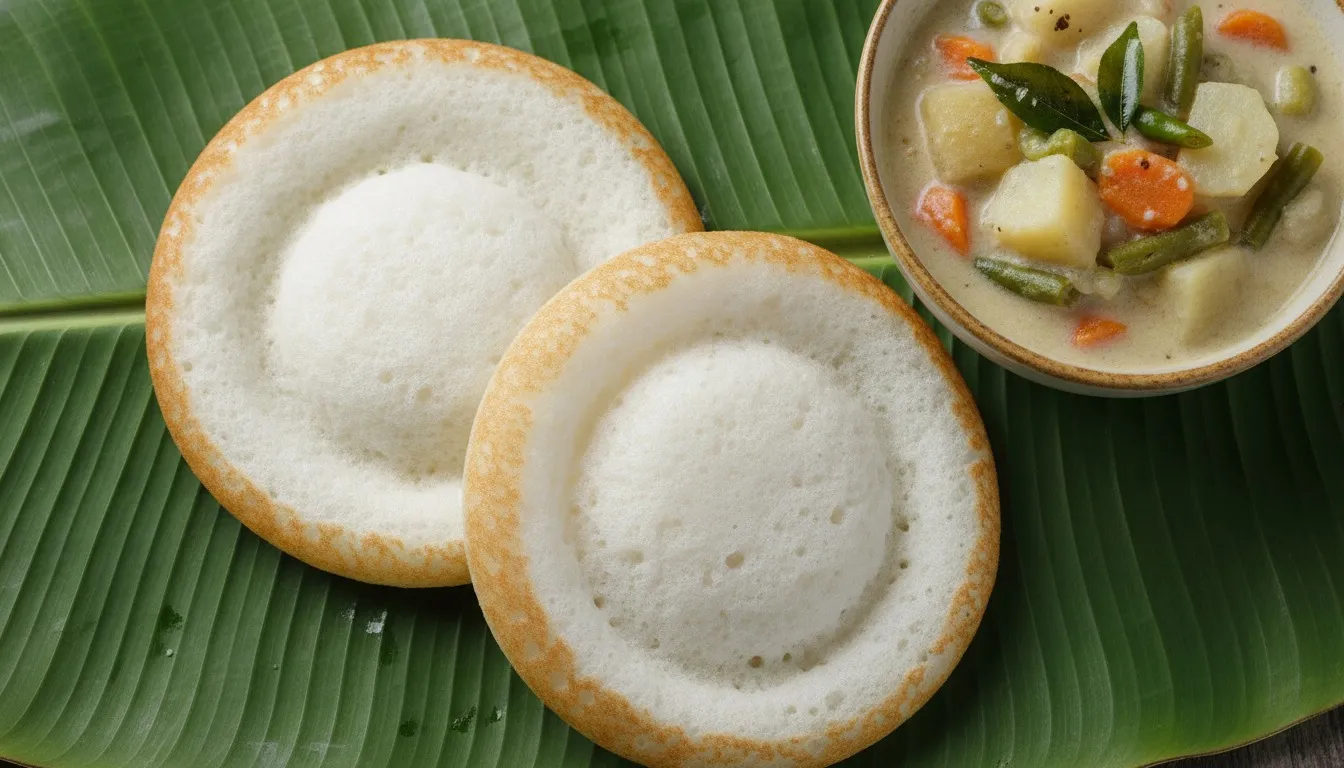
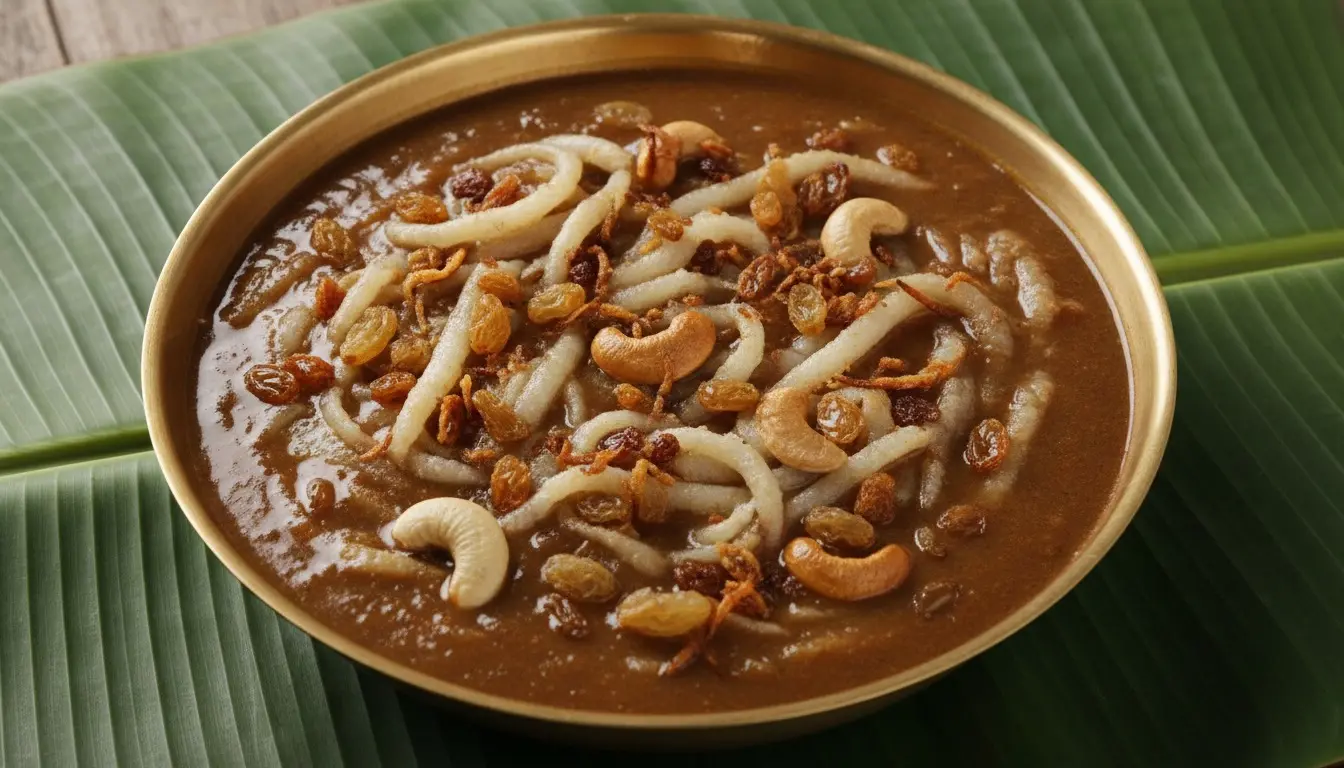
Kerala appam is having a real moment online, and it is easy to see why. These soft, bowl-shaped hoppers have a fluffy spongy center and a thin, lacy rim that goes crisp and golden at the edges, so every bite gives you two textures at once. As hyper-regional South Indian cooking spreads across Instagram and Pinterest feeds, appam has become one of the most talked-about Kerala breakfasts, right alongside puttu and idiyappam. Best of all, it looks far more impressive than the short ingredient list suggests, which makes it a favorite to share. This version keeps the batter simple and the method reliable, so a first attempt actually turns out the way the photos promise.
About This Dish
Appam belongs to the coastal kitchens of Kerala and the neighboring parts of Tamil Nadu and Sri Lanka, where rice and coconut are the backbone of everyday cooking. Traditionally the batter was fermented with toddy, the naturally sweet sap tapped from coconut and palm flowers, which gave the appam its gentle rise and faint tang. Since toddy is hard to find in most home kitchens, cooks now lean on a small amount of yeast to do the same job. The dish is cooked in a special deep, round-bottomed pan that shapes the batter into its signature bowl, and it has been served at Kerala breakfast tables and celebration meals for generations.
Ingredient Notes
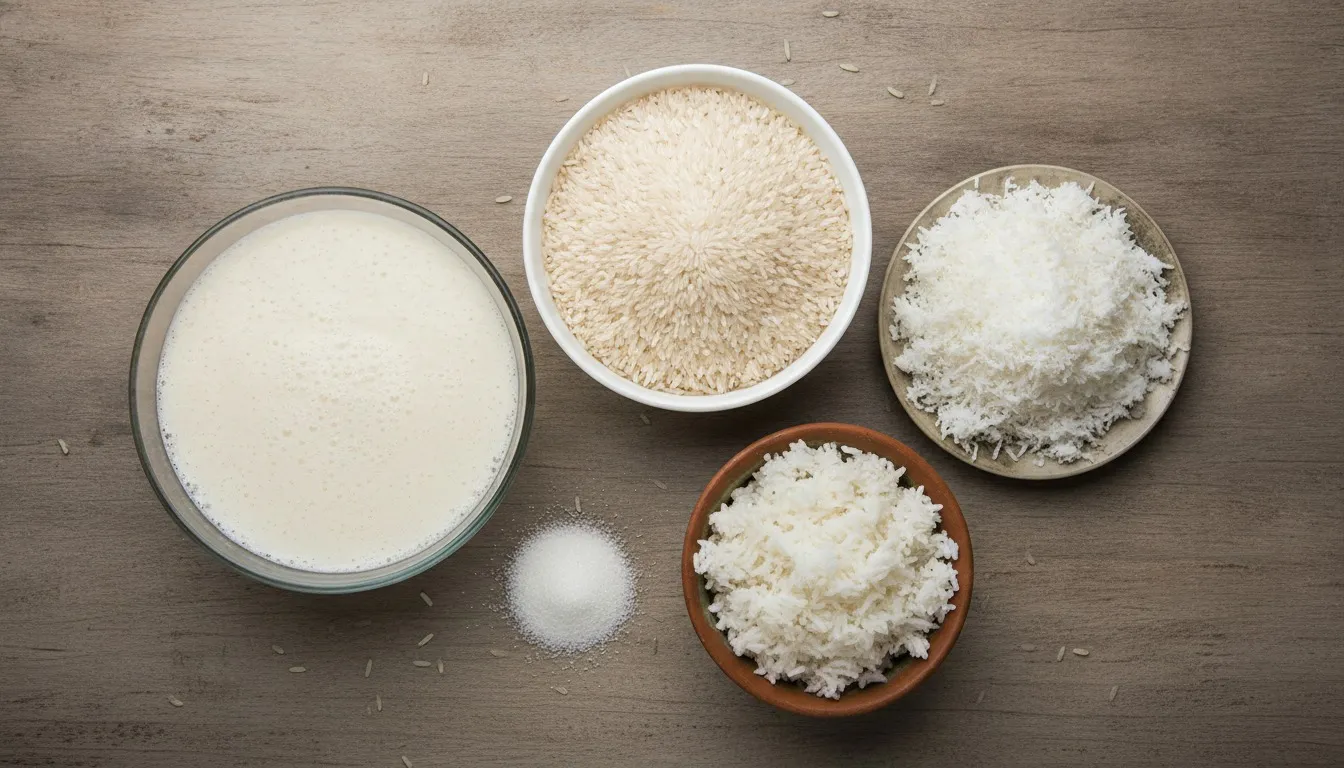
The batter starts with plain raw rice, and sona masuri or idli rice both grind down beautifully. Fresh grated coconut is what gives appam its sweetness and soft crumb, and frozen grated coconut works just as well once thawed. A spoonful of cooked rice keeps the center tender and pillowy, and soaked poha can stand in for it if that is what you have. Yeast, sugar, and a little time handle the fermentation, so there is no need for toddy or any hard-to-source starter. If you like a richer appam, a splash of thin coconut milk stirred in at the end deepens the flavor without changing the method.
Method And Tips
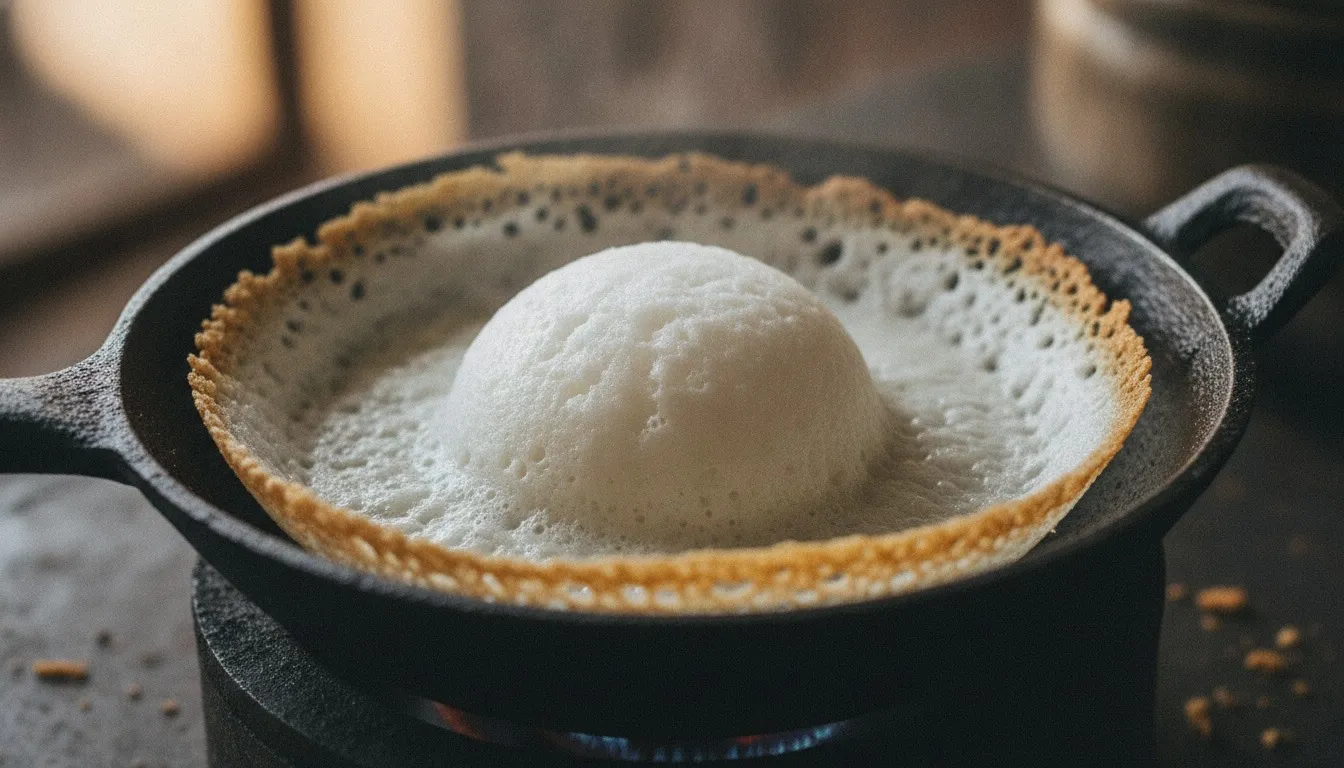
Two things decide whether appam comes out right: the batter consistency and the swirl. After fermenting, the batter should be thin enough to flow and coat the pan, so loosen it with a little water until it pours like light pancake batter. When you ladle it into the hot pan, swirl right away so a thin film climbs the sides while a small pool stays in the center; that is what creates the lacy edge and the thick middle. Keep the heat at medium, cover the pan so the top steams gently, and never flip the appam, since it cooks on one side only. Grease the pan with just a wipe of coconut oil between appams so the edges stay crisp rather than greasy.
Serving Suggestions
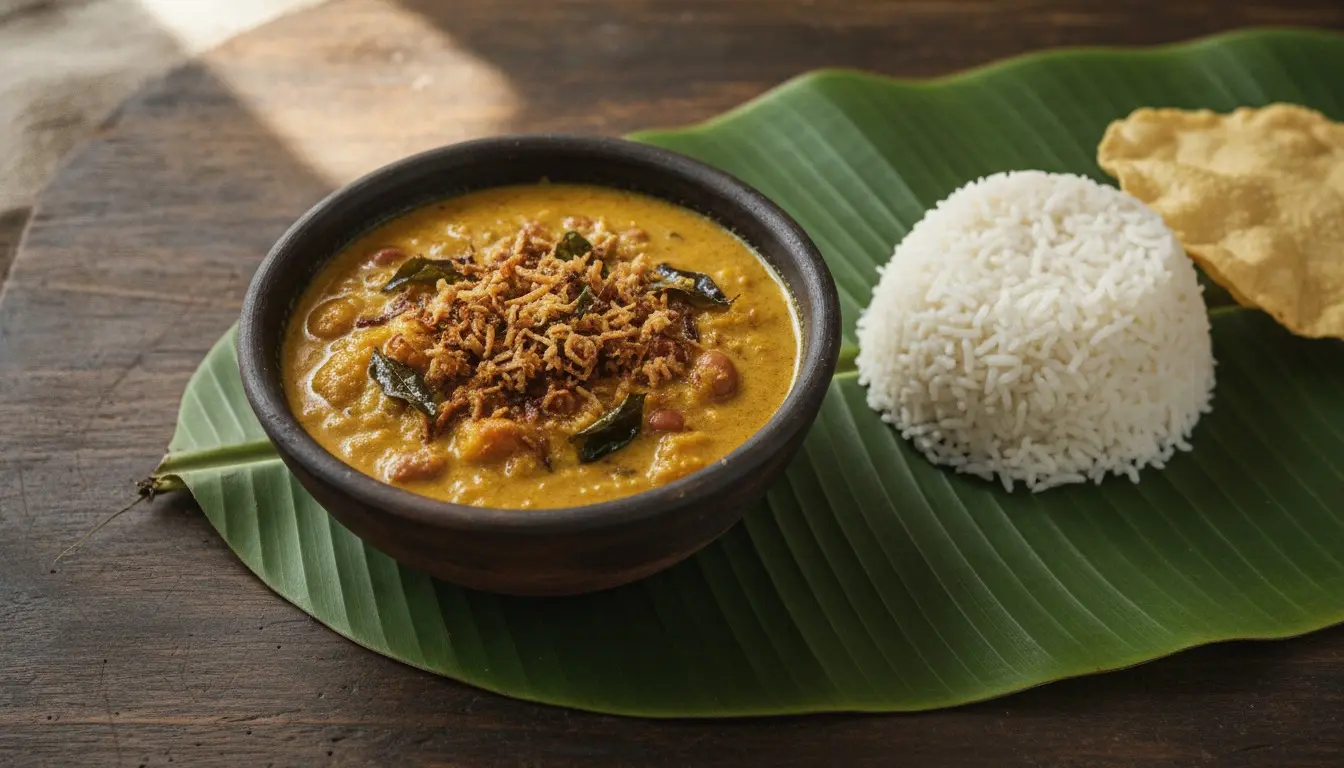
Serve appam hot off the pan, when the edges are at their crispest, with a bowl of Kerala vegetable stew, kadala curry, or a spicy egg curry to soak up. For a sweeter breakfast, pour over some thick coconut milk sweetened with a little sugar or jaggery. Once you get the swirl down, appam becomes one of those weekend breakfasts worth waking up for, so pin the recipe and give it a try.
Recipe
Kerala Appam (Palappam)
Soft, lacy Kerala hoppers made from a fermented rice and coconut batter, with crisp golden edges and a fluffy spongy center. A classic Kerala breakfast served with vegetable stew, kadala curry, or sweetened coconut milk.
- Prep
- 20min
- Cook
- 25min
- Total
- 45min
- Servings
- 4servings
- Calories
- 300kcal
Ingredients
- For the appam batter
- 1.5 cups raw rice (sona masuri or idli rice)
- 1/2 cup fresh grated coconut
- 1/4 cup cooked rice
- 3/4 tsp active dry yeast
- 1.5 tbsp sugar
- 1 tsp salt
- For activating the yeast
- 1/4 cup warm water
- 1 tsp sugar
- For grinding and cooking
- 1 cup water
- 1 tsp coconut oil (for greasing the pan)
Instructions
- 1 Rinse the raw rice two or three times, then soak it in plenty of water for 5 hours. This softens the grains so they grind into a smooth batter.
- 2 About 15 minutes before grinding, activate the yeast. Stir 1 tsp sugar into 1/4 cup warm water (warm to the touch, not hot), sprinkle in the active dry yeast, and set it aside until it turns foamy on top.
- 3 Drain the soaked rice. Add it to a blender or wet grinder along with the grated coconut and cooked rice. Pour in about 1 cup water and grind to a smooth, slightly thick batter, roughly the consistency of a pourable pancake batter.
- 4 Transfer the batter to a large bowl, leaving room for it to rise. Stir in the foamy yeast mixture and 1.5 tbsp sugar. Do not add the salt yet, as it can slow the fermentation.
- 5 Cover the bowl loosely and leave it in a warm spot for about 8 hours, or overnight, until the batter has roughly doubled and looks light and bubbly.
- 6 Stir the salt into the fermented batter. Add a little water if needed to loosen it to a thin, flowing consistency, so it spreads easily when swirled.
- 7 Heat an appam pan (a small deep-bowled kadai) over medium heat. Lightly grease it with a few drops of coconut oil wiped around with a paper towel.
- 8 Pour a ladle of batter into the center of the hot pan. Immediately lift the pan and swirl it in a circular motion so the batter coats the sides in a thin lacy film while a small pool settles thick in the center.
- 9 Cover with a lid and cook on medium heat for 1 to 2 minutes, until the edges turn crisp and light golden and the spongy center is set. Appam is cooked on one side only and is not flipped.
- 10 Gently loosen the appam and lift it out. Grease the pan lightly again as needed and repeat with the remaining batter. Serve warm.
Notes
- Plan ahead: the 5 hour soak and 8 hour fermentation are hands-off, so start the night before for a morning breakfast.
- No cooked rice on hand? Soak 1/4 cup poha (flattened rice) for 10 minutes and grind it with the batter instead for the same soft texture.
- For richer appams, stir 1/4 cup thin coconut milk into the batter along with the salt.
- If your kitchen is cold and the batter did not rise well, stir in a small pinch of baking soda just before cooking to lift the appams.
- A well-seasoned or nonstick appam pan makes swirling and releasing much easier. Keep the heat at medium so the edges crisp without burning.
- Serve with Kerala vegetable stew, kadala curry, egg curry, or simply with sweetened thick coconut milk.