Jeera (Cumin) Water for Indigestion, Gas, and Bloating
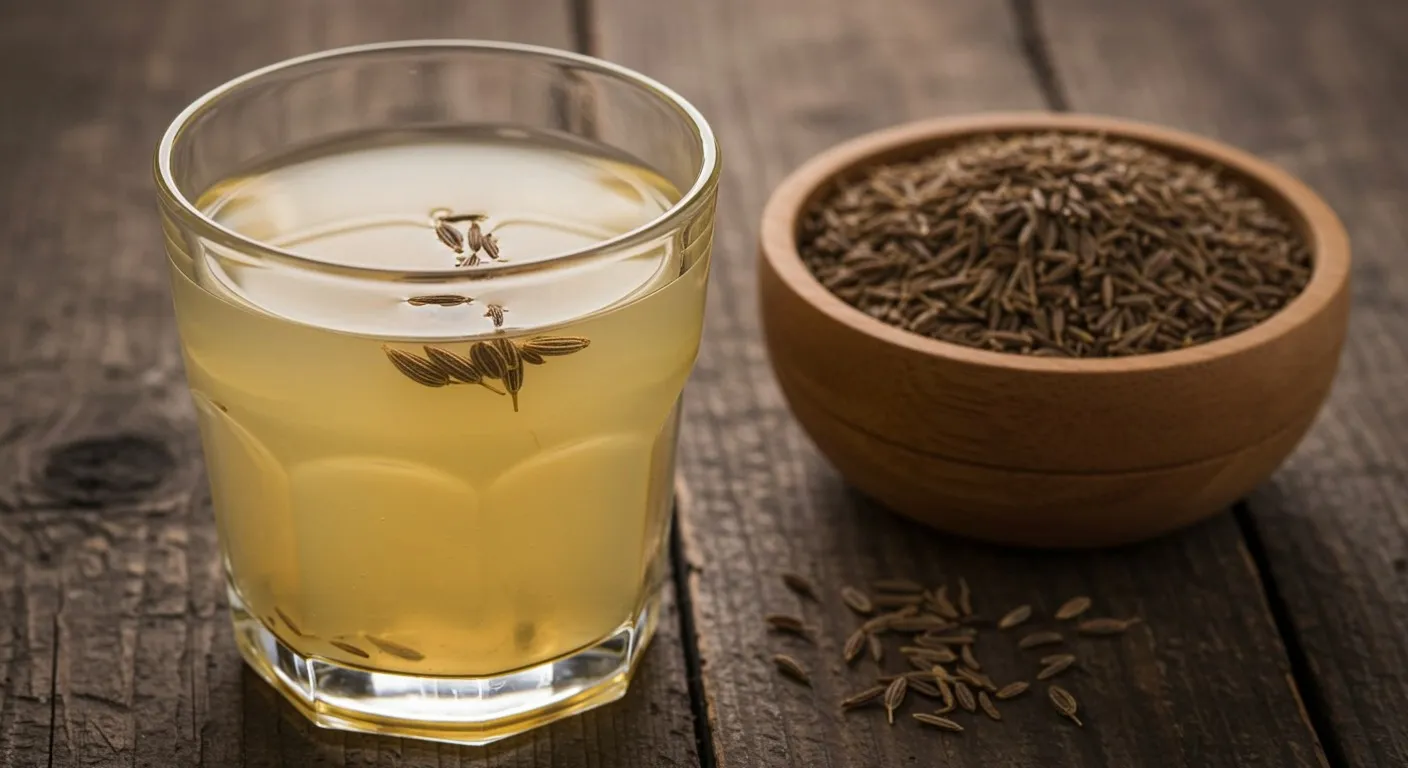
That heavy, gassy, slightly bloated feeling after a big meal is something almost everyone knows. Sometimes the stomach feels tight, sometimes there is rumbling and trapped wind, and food just seems to sit there instead of settling. Before reaching for an antacid, many Indian households turn to something already in the spice drawer: a teaspoon of cumin seeds steeped in warm water. Jeera water is one of the oldest and simplest kitchen remedies for everyday indigestion.
The Ayurvedic Perspective
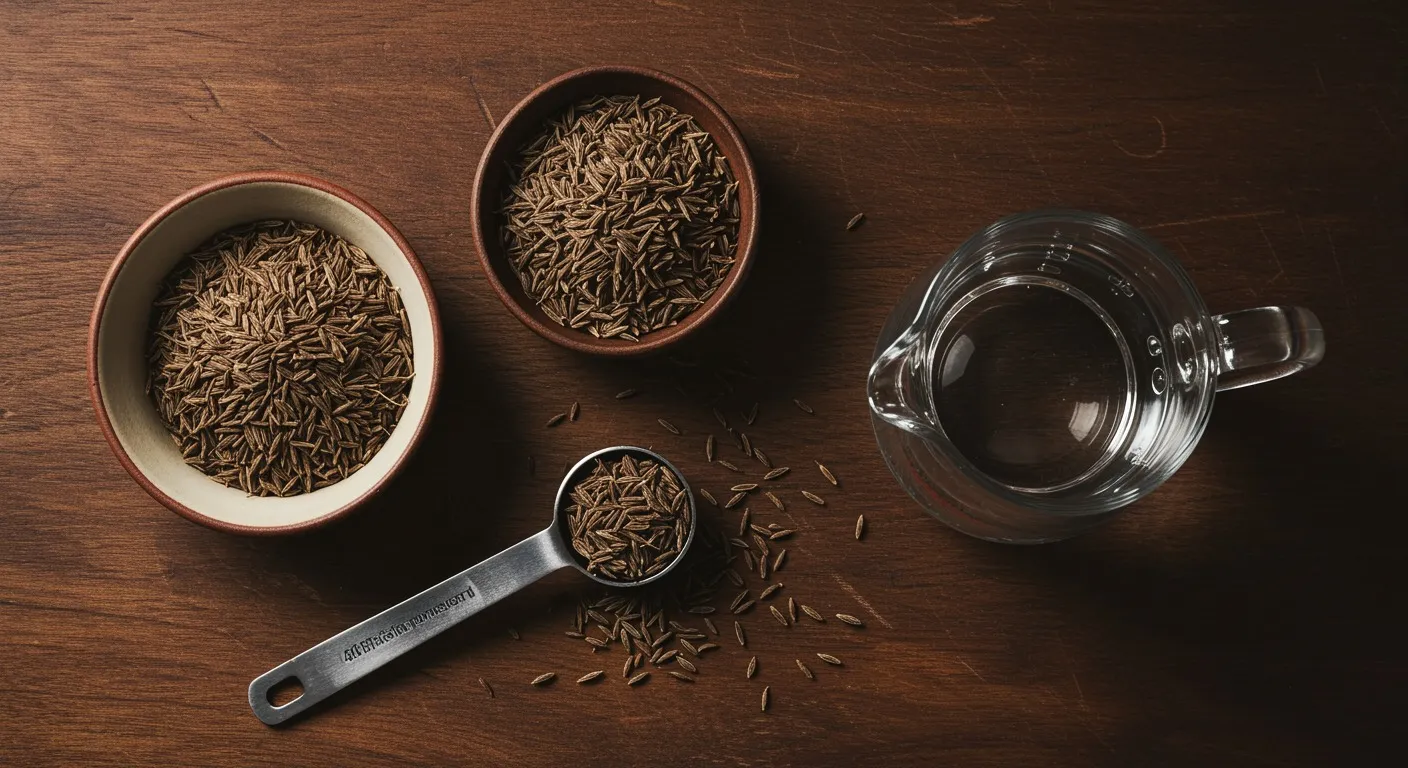
Ayurveda explains post-meal heaviness as weak or sluggish digestive fire, called agni. When agni is low, food is not broken down cleanly and leaves behind a sticky residue called ama, which shows up as gas, bloating, and that uncomfortable full feeling. Cumin, known as Jiraka in Sanskrit, is classified in classical texts such as the Charaka Samhita and the Bhavaprakasha Nighantu as both deepana, meaning it rekindles agni, and pachana, meaning it helps digest and clear ama. It is traditionally used to settle aggravated vata and kapha in the gut, and warm jeera water is simply the everyday household form of that action.
What Modern Biology Says
Modern chemistry points to the same effect from a different angle. Cumin seeds are rich in cuminaldehyde and thymol, aromatic compounds that prompt the body to release more digestive enzymes and bile and that help relax the smooth muscle of the gut, easing cramping and letting trapped gas move along. A 2013 case series in the Middle East Journal of Digestive Diseases reported less abdominal pain and bloating in people with irritable bowel syndrome who took cumin, and a 2024 triple-blind randomized trial found that cumin extract sped the return of normal bowel activity after surgery. It is worth being honest that these studies used concentrated cumin extract rather than seed water, and the overall evidence is still preliminary, so jeera water is best seen as a gentle, time-tested aid rather than a proven medicine.
How And When To Use It
Reach for jeera water when you feel heavy, gassy, or bloated after a meal, or sip it on an empty stomach in the morning to wake up digestion for the day. One teaspoon of cumin in about one and a half cups of water makes a single dose, taken warm and slowly. Once or twice a day is plenty. Most people notice a settled, less bloated feeling fairly soon after drinking it, though it works best as a gentle daily habit rather than a one-time fix.
Cautions And A Note On Medical Care
Cumin is one of the safest things in the kitchen, but a few notes apply. If you are allergic to related plants like fennel, coriander, caraway, or celery, you could react to cumin, and because larger medicinal amounts may nudge blood sugar down, anyone on diabetes medication should stick to ordinary culinary amounts and monitor as usual. This remedy is meant for occasional, mild indigestion in otherwise healthy adults; see a doctor if symptoms last beyond a week, keep coming back, or worsen, or if you have severe pain, vomiting, blood in the stool, or unexplained weight loss. This is traditional wisdom and not a substitute for medical care, but for a simple after-meal settler, a warm glass of jeera water is an easy place to start.
Recipe
Warm Jeera Digestive Water
A single glass of warm cumin-steeped water to sip after a heavy meal or first thing in the morning to ease indigestion, gas, and bloating.
- Prep
- 2min
- Cook
- 5min
- Total
- 12min
- Servings
- 1doses
Ingredients
- 1 tsp whole cumin seeds (jeera)
- 1.5 cups water
Instructions
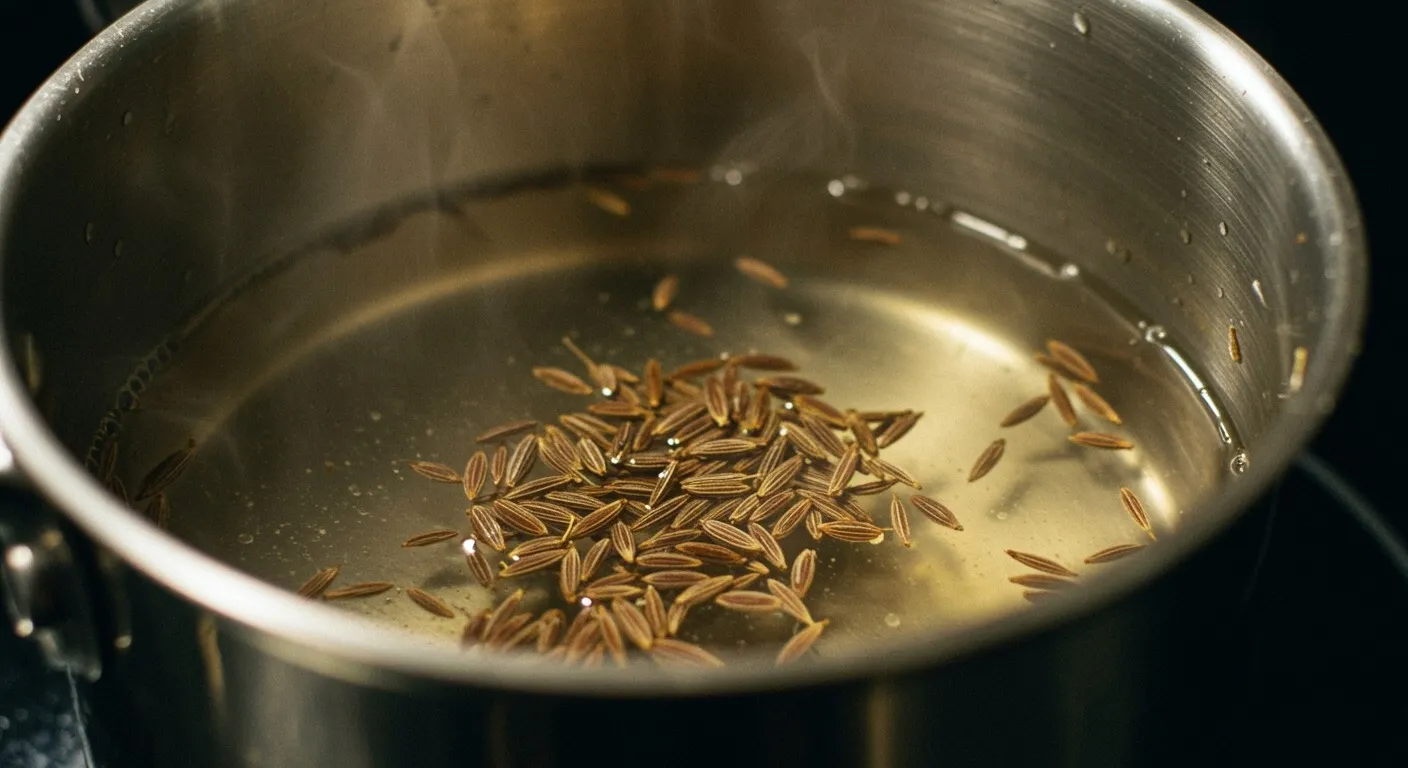
- 1 Add 1 teaspoon of whole cumin seeds to 1.5 cups of water in a small saucepan.
- 2 Bring to a boil, then lower the heat and simmer gently for 3 to 5 minutes until the water turns pale golden and smells fragrant.
- 3 Turn off the heat, cover, and let it steep for another 5 minutes.
- 4 Strain into a glass and let it cool until comfortably warm.
- 5 Sip slowly after a heavy meal to ease post-meal heaviness, or drink on an empty stomach in the morning. For an overnight no-cook version, soak the cumin in room-temperature water for 8 to 12 hours, then strain and gently warm before drinking.
Notes
- Cumin is very safe as a food, but if you are allergic to other Apiaceae plants such as fennel, coriander, caraway, or celery, you may react to cumin.
- Cumin in large medicinal amounts may modestly lower blood sugar; if you take diabetes medication, monitor as usual and keep to ordinary culinary amounts.
- This is for occasional, mild indigestion in healthy adults. It does not replace treatment for ulcers, reflux disease, or persistent abdominal pain.
- Consult your doctor if symptoms persist beyond 7 days, recur often, or worsen, or if you have severe pain, vomiting, blood in stool, or unexplained weight loss.
- This is traditional wisdom and not a substitute for medical care.