Isabgol (Psyllium Husk) Water for Mild, Occasional Constipation
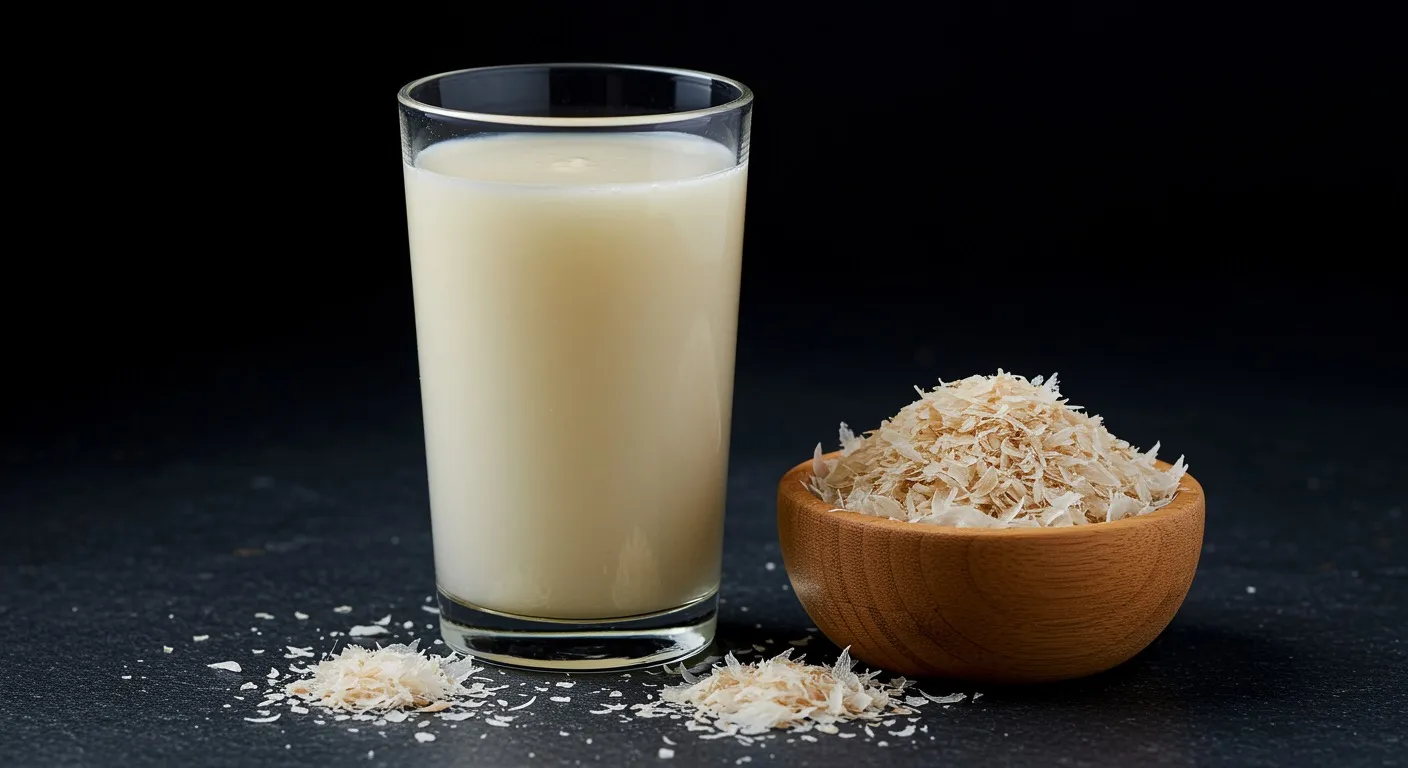
Almost everyone has the occasional sluggish day when the bowels just will not cooperate, often after travel, a few low-fiber meals, or simply not drinking enough water in the heat. It is uncomfortable, distracting, and usually not serious. One of the gentlest kitchen-shelf options for this is isabgol, the fluffy psyllium husk that sits in countless Indian home medicine cabinets and is stirred into a glass of warm water before bed.
The Ayurvedic Perspective
Ayurveda describes isabgol, known classically as Ashwagola, as snigdha (unctuous), picchila (slippery and mucilaginous), and sheeta (cooling) in nature. In Ayurvedic thinking, dry, hard, infrequent stools point to aggravated vata in the colon, the force that governs downward movement and elimination. Isabgol is valued for vata-anulomana, meaning it helps coax that downward flow back to normal by adding moisture and slip to the stool, while its cooling quality also calms any excess pitta heat in the gut. It is one of the most widely documented household Ayurvedic remedies in India and appears in the nighantu materia medica literature.
What Modern Biology Says
Modern science explains the same effect through the husk’s soluble fiber. Psyllium is loaded with arabinoxylan mucilage that absorbs water and swells into a soft gel, which increases the water content and bulk of the stool and helps it move through the colon more easily. Randomized controlled trials and meta-analyses consistently report more frequent, softer, easier bowel movements with psyllium, and early human and laboratory studies suggest it nudges gut bacteria such as Bifidobacterium in a favorable direction. Among fiber supplements, psyllium has the strongest evidence for relieving constipation and is recommended as a first-line bulk-forming fiber, though formal gastroenterology guidelines still rate the overall certainty of that evidence as low.
How And When To Use It
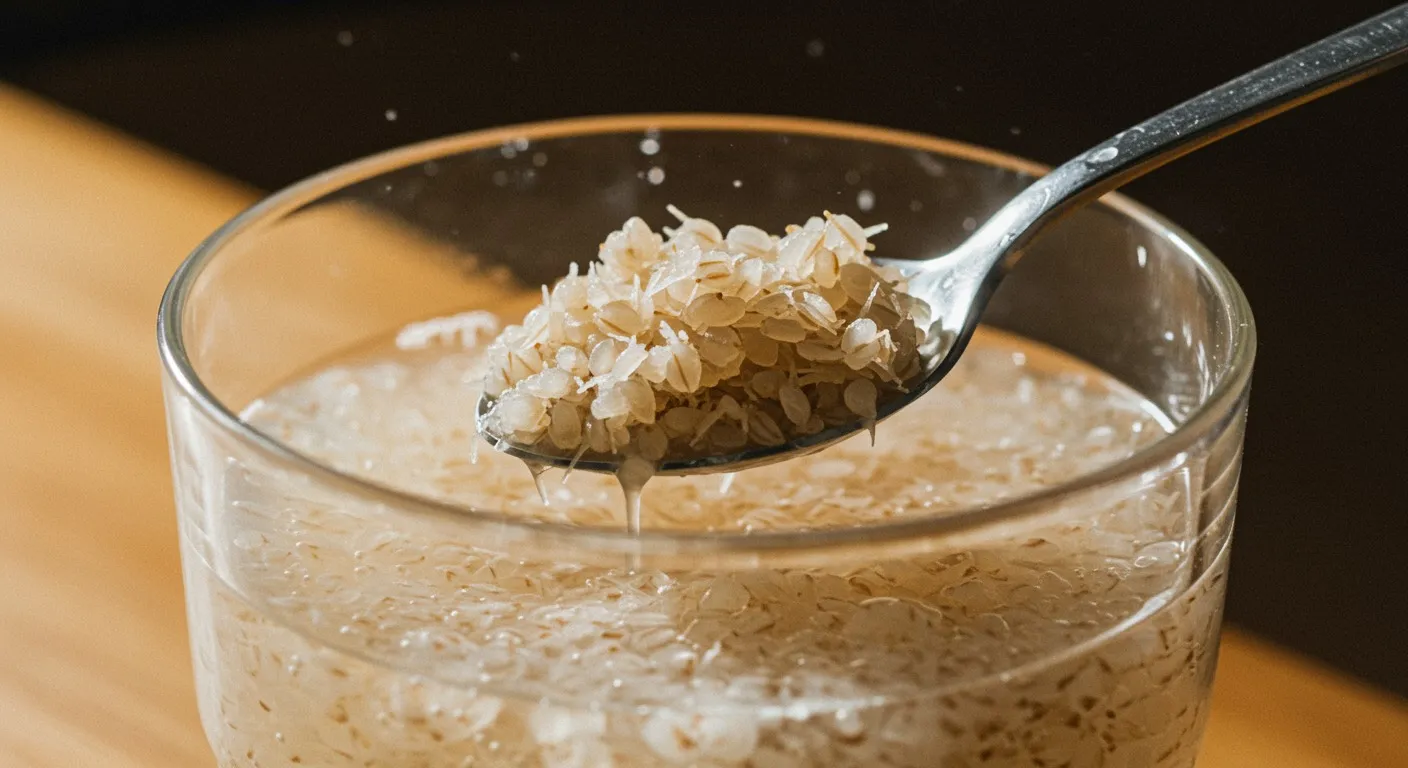
Reach for isabgol when you want gentle, occasional relief rather than a harsh laxative effect. The usual approach is 1 teaspoon stirred into a full glass of lukewarm water, taken about 30 minutes before bed or in the morning on an empty stomach. Drink it quickly before it thickens, then follow with a second glass of plain water. Give it 12 to 24 hours to work, and increase to 2 teaspoons only if a smaller dose is not enough and agrees with you.
Cautions And A Note On Medical Care
A few cautions matter. Never swallow the dry husk and always chase it with plenty of water, because psyllium can swell and cause choking if there is not enough fluid. Skip it if you have trouble swallowing or any history of bowel obstruction, and keep it 2 to 4 hours apart from oral medicines like levothyroxine or blood sugar drugs, since the fiber can blunt their absorption. If constipation lasts beyond a week, keeps coming back, or comes with pain or blood, see your doctor. This is traditional wisdom and not a substitute for medical care, but for an ordinary off day it is a simple, time-tested place to start.
Recipe
Isabgol Digestive Fiber Water
Psyllium husk stirred into warm water and taken before bed, a gentle bulk-forming Ayurvedic remedy for mild, occasional constipation and sluggish digestion.
- Prep
- 2min
- Cook
- 0min
- Total
- 2min
- Servings
- 1doses
Ingredients
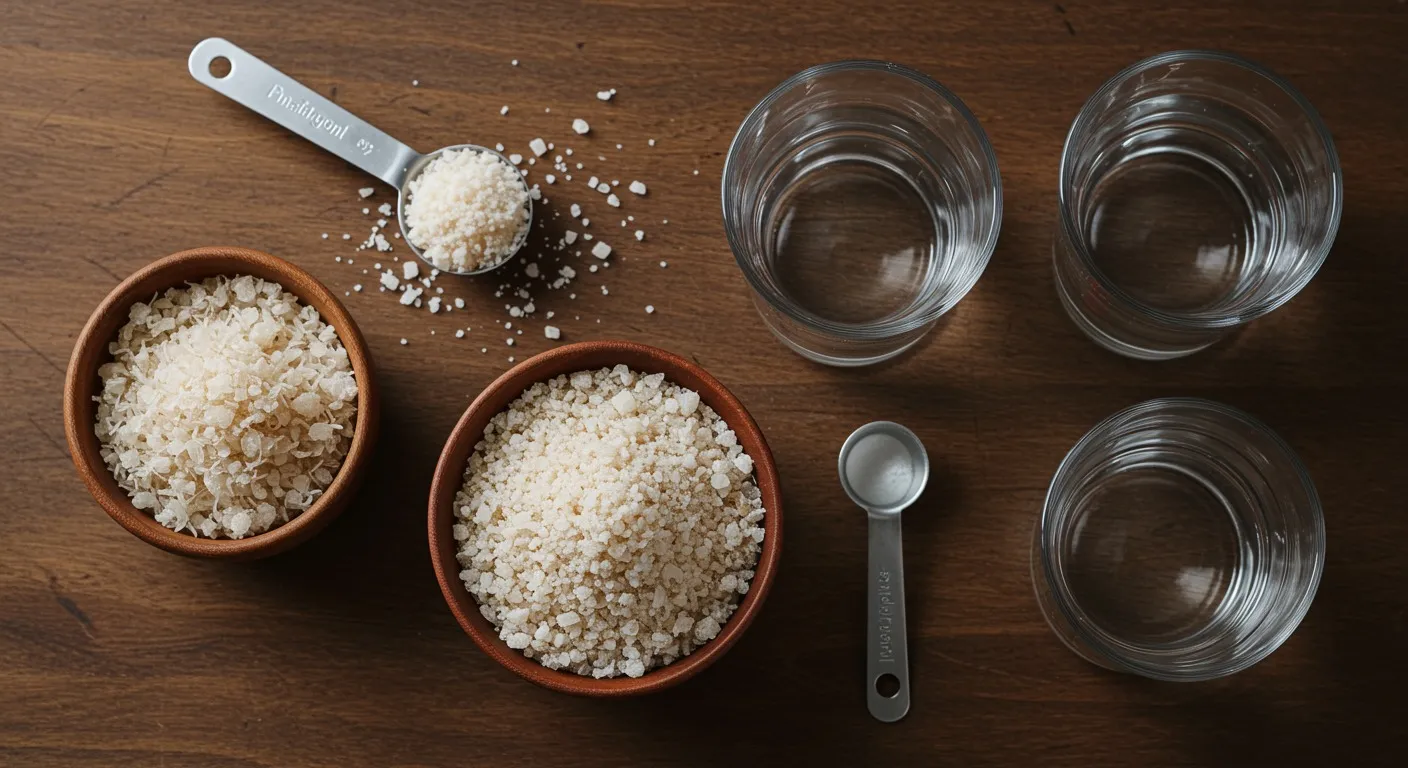
- 1 tsp psyllium husk (isabgol)
- 1 glass (250 ml) lukewarm water
- 1 glass (250 ml) extra water to follow
Instructions
- 1 Measure 1 teaspoon of psyllium husk. If you are new to it, start with this smaller amount and increase to 2 teaspoons later only if needed and well tolerated.
- 2 Add the husk to a full glass of lukewarm water (about 250 ml) and stir briskly for a few seconds.
- 3 Drink it immediately while it is still thin, because psyllium thickens into a gel within a minute or two.
- 4 Follow right away with a second full glass of plain water so the fiber can expand safely in the gut and not in the throat.
- 5 Take it about 30 minutes before bed, or in the morning on an empty stomach. Allow up to 12 to 24 hours to feel the effect, and use it for occasional relief rather than daily by default.
Notes
- Always take with a full glass of water and follow with a second glass; never swallow the dry husk, which can swell and cause choking or esophageal blockage.
- Do not use if you have difficulty swallowing, have had bowel obstruction, or have severe abdominal pain, vomiting, or sudden change in bowel habits.
- Separate isabgol from oral medications by 2 to 4 hours, since the fiber can reduce absorption of drugs including levothyroxine and some diabetes and blood sugar medicines.
- Start with 1 teaspoon to gauge tolerance; too much too soon can cause gas and bloating.
- Consult your doctor if constipation persists beyond 7 days, recurs frequently, or is accompanied by blood in the stool. This is traditional wisdom and not a substitute for medical care.