Honey (Madhu) for Minor Kitchen Burns and Scalds
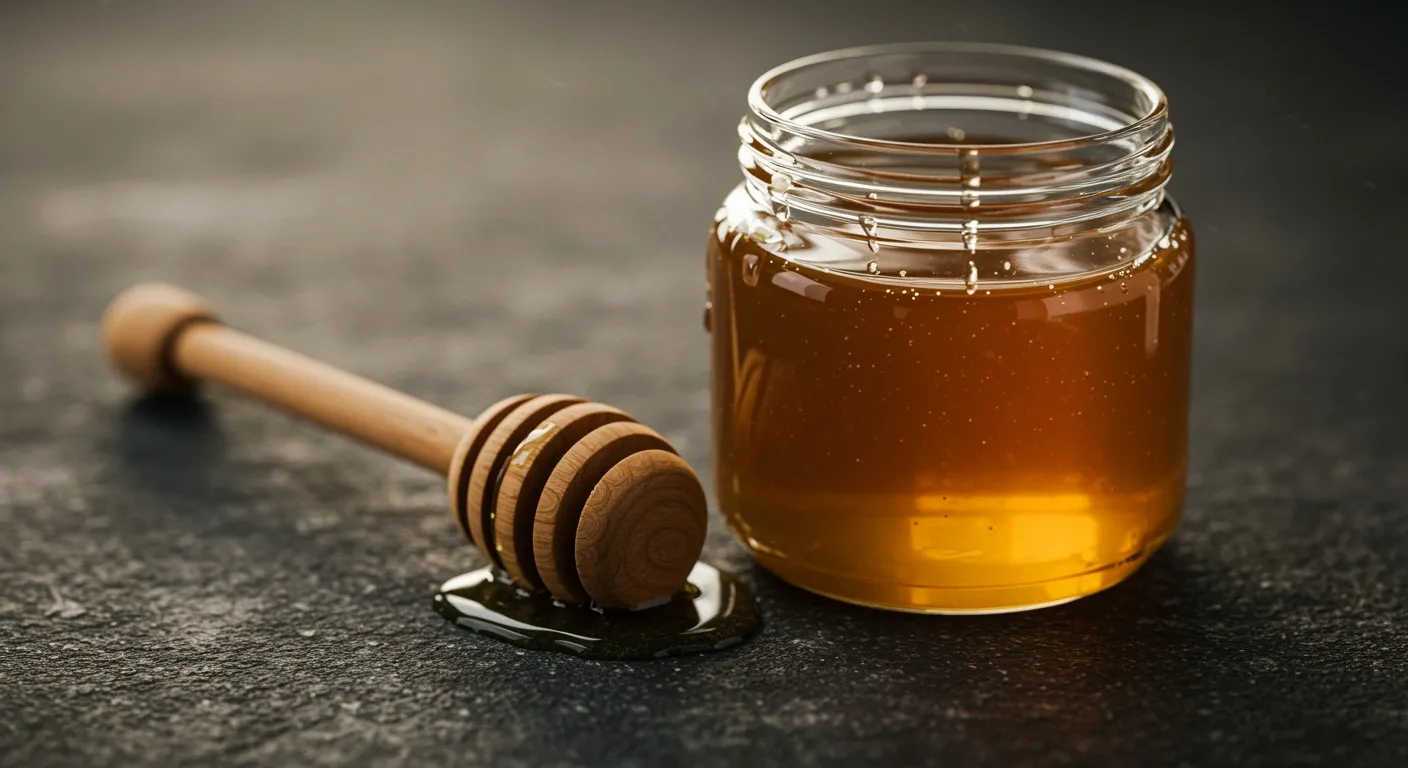
A small burn or scald is one of the most common kitchen mishaps. A splash of hot oil, the rim of a hot pan, a spill of boiling water, and suddenly a patch of skin is red and stinging. Most of these everyday burns are minor and heal on their own, but the right first steps can ease the pain and protect the skin while it recovers. One traditional kitchen-based option, used only after the area has been cooled, is a thin layer of raw honey, known in Ayurveda as Madhu.
The Ayurvedic Perspective
Ayurveda views a burn as a sudden, localized aggravation of pitta dosha, the fiery principle that governs heat and transformation in the body. When pitta flares in the skin, the classical response is to cool, soothe, and help the tissue knit back together. Honey, or Madhu, is one of the substances Sushruta lists among the sixty measures (Shashthi Upakrama) for managing wounds (vrana) in the Sushruta Samhita. It is valued for three actions: shodhana, the cleansing of the surface; ropana, the promotion of healing; and sandhana, the drawing together of tissue. Its cooling potency (sheeta virya) together with its astringent and sweet qualities are why it has been reached for over centuries for raw, irritated skin.
What Modern Biology Says
Modern wound science gives honey real, if specific, support. Honey is naturally acidic, very high in sugar, and slowly releases small amounts of hydrogen peroxide through the enzyme glucose oxidase. Together these create an environment that discourages bacteria while keeping the wound surface moist, which is now understood to help healing. A 2015 Cochrane review by Jull and colleagues found high-quality evidence, drawn from two trials, that honey dressings heal partial-thickness burns roughly four to five days faster than conventional dressings, and some small studies also report faster granulation tissue and smoother scars; that same review noted, however, that the broader body of honey wound research is mixed and mostly of lower quality. It is worth being precise: the strongest evidence comes from honey used as a wound dressing in clinical settings, often medical-grade sterilized honey, so plain kitchen honey on broken skin is less well studied.
How And When To Use It
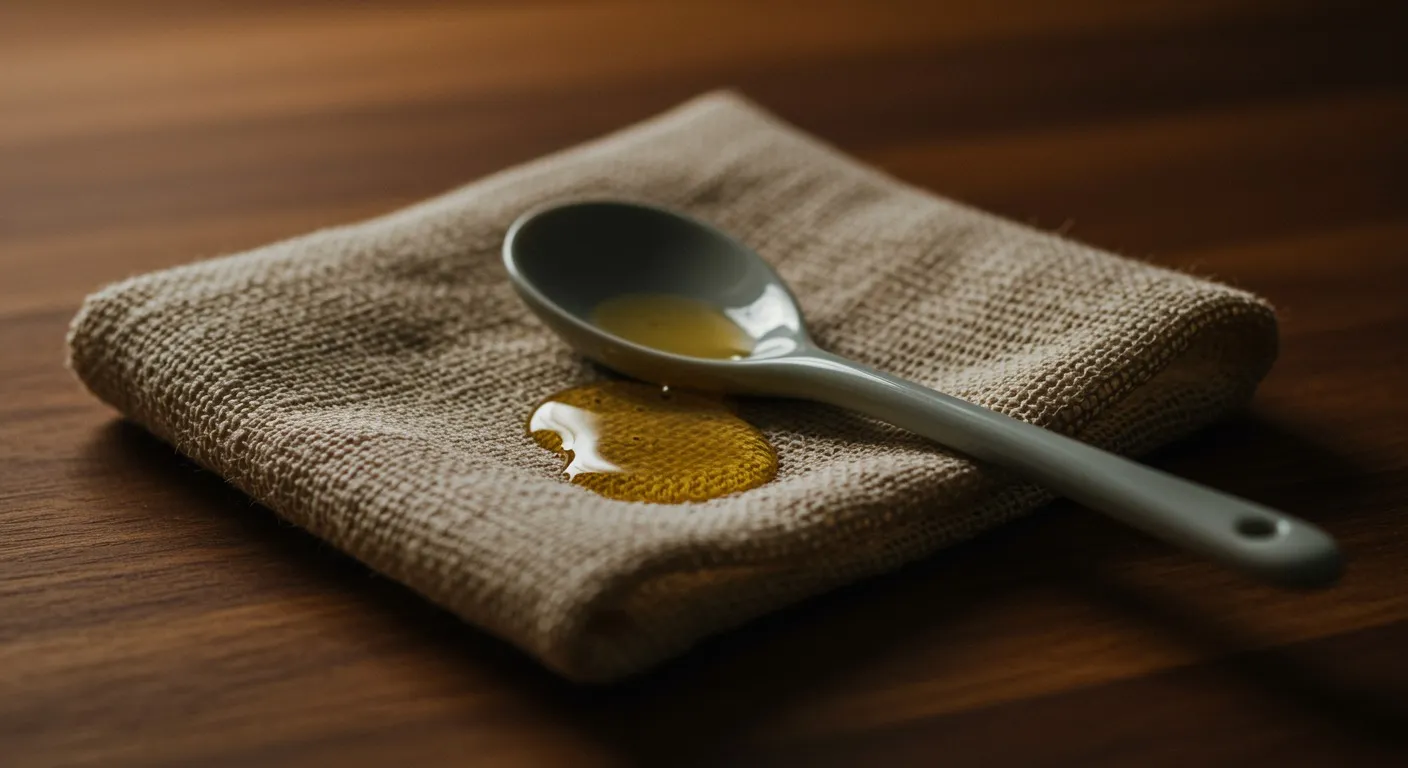
Reach for this only for a small, superficial burn, the kind where the skin is red and sore but not deeply blistered or broken. The first and most important step is to hold the area under cool, not ice cold, running water for 10 to 20 minutes, which does more than anything else to limit the damage. Once the skin is cooled and gently patted dry, smooth on a thin layer of clean honey and cover it loosely with a non-stick dressing. Reapply once or twice a day with a fresh dressing. A minor burn treated this way usually settles over a few days.
Cautions And A Note On Medical Care
Honey is not for every burn. Skip it on deep, charred, or heavily blistered burns, on anything larger than a coin or your palm, and on the face, hands, joints, or genitals, and seek medical care for electrical, chemical, or grease burns or any burn in a young child. For broken or blistered skin, sterilized medical-grade honey is safer than raw honey, which can carry bacteria; stop and see a doctor if you notice spreading redness, swelling, pus, or fever. Never put butter, ghee, ice, or toothpaste on a burn. See your doctor if a burn does not begin to improve within 2 to 3 days or worsens at any point. This is traditional wisdom and not a substitute for medical care, but for the small, everyday kitchen burn, a little honey is a time-tested place to start.
Recipe
Honey Dressing for Minor Burns
A thin layer of raw honey applied to a small, superficial kitchen burn or scald after it has been cooled under running water. Honey, known as Madhu in Ayurveda, helps soothe and protect minor burns while the skin recovers.
- Prep
- 20min
- Cook
- 0min
- Total
- 20min
- Servings
- 1applications
Ingredients
- 1 tsp raw honey, or medical-grade sterilized honey for any broken skin
- 1 piece clean non-stick gauze or sterile dressing
Instructions
- 1 As soon as a small burn or scald happens, hold the area under cool, not ice cold, running water for 10 to 20 minutes to draw out the heat and limit the damage.
- 2 Gently pat the skin dry with a clean, soft cloth. Make sure the burn is small and superficial, with reddened but unbroken skin, before going further.
- 3 Spread a thin, even layer of clean honey over the cooled burn.
- 4 Cover loosely with a non-stick gauze or sterile dressing to keep the honey in place and the area clean.
- 5 Reapply once or twice a day with fresh honey and a fresh dressing until the skin settles, usually over a few days. Stop and see a doctor if it worsens or shows signs of infection.
Notes
- Cool the burn under cool (not ice cold) running water for 10 to 20 minutes first. This is the single most important step. Apply honey only after the area is cooled and gently patted dry.
- Use only on small, superficial burns where the skin is reddened but not broken. Do not use honey on deep, charred, or heavily blistered burns, on burns larger than a coin or your palm, or on the face, hands, joints, or genitals.
- For any broken or blistered skin, medical-grade sterilized honey is safer than raw kitchen honey, which can carry bacteria. Stop and seek care if you see spreading redness, swelling, pus, or fever, which may signal infection.
- Seek medical care for electrical, chemical, or grease burns, for any burn in a young child or older adult, and whenever you are unsure of the severity. Never put butter, ghee, ice, or toothpaste on a burn.
- Consult your doctor if a burn does not begin to improve within 2 to 3 days or worsens at any point. This is traditional wisdom and not a substitute for medical care.