Hing (Asafoetida) Water for Gas, Bloating, and Flatulence
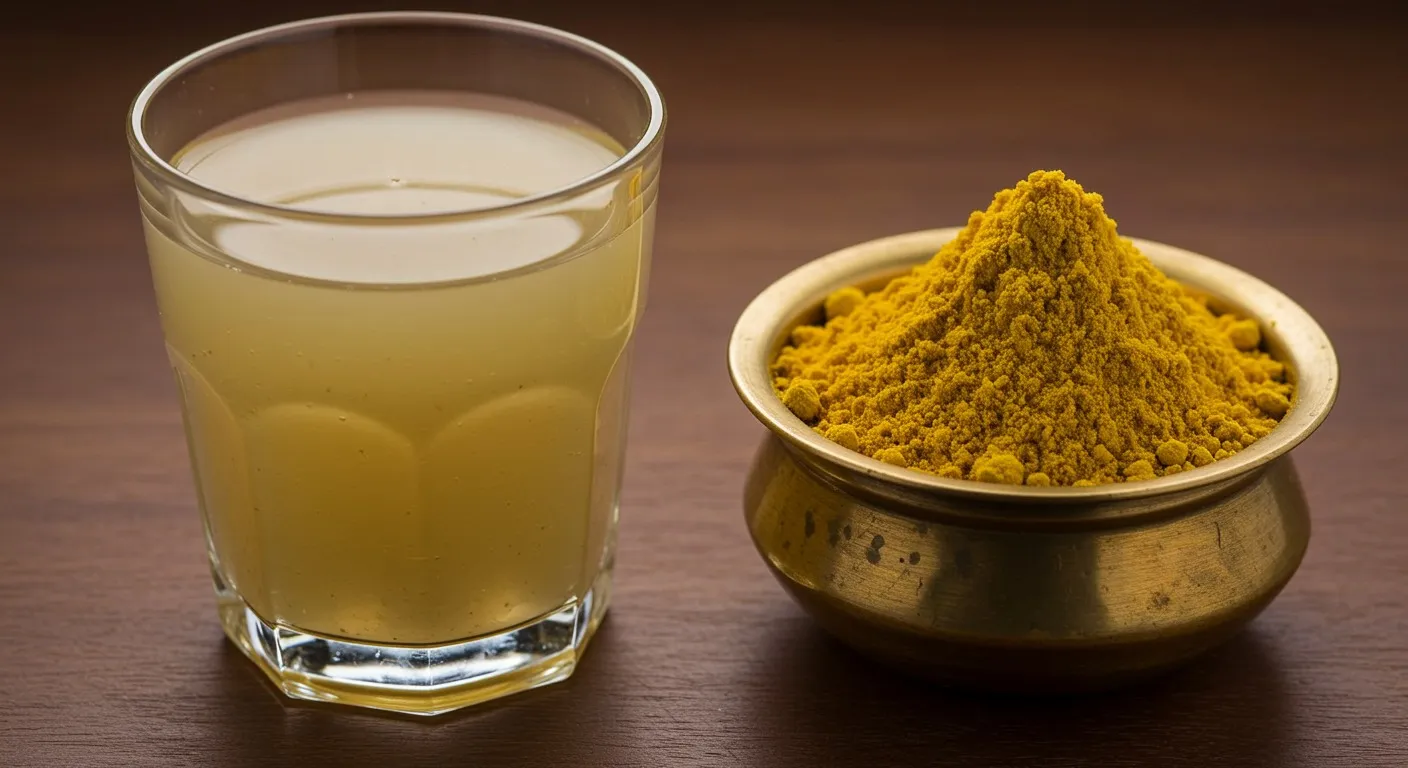
Almost everyone knows the feeling of a tight, gassy stomach after a big plate of beans, lentils, fried snacks, or a heavy restaurant meal. The belly feels distended and bloated, there is rumbling and pressure, and passing gas brings only brief relief. This kind of everyday flatulence and bloating is uncomfortable but usually harmless, the gut simply struggling to keep up with a heavy load. One of the oldest kitchen answers in Indian homes is a pinch of hing (asafoetida) stirred into a cup of warm water and sipped after the meal.
The Ayurvedic Perspective
Ayurveda views gas and bloating as a sign of aggravated Vata dosha, the principle of movement and air, paired with a weak digestive fire called agni. When agni is low, food is not broken down completely and leaves behind a sticky residue called ama, which ferments and produces gas in the intestines. Asafoetida, known in Sanskrit as Hingu, is one of the classic correctives for this pattern. Texts including the Charaka Samhita and Sushruta Samhita describe it as deepana, meaning it rekindles the digestive fire, pachana, meaning it helps burn off ama, and anulomana, meaning it restores the natural downward movement of Vata so gas and stool pass easily. It is the central ingredient in the well-known household formula Hingvashtak churna, and Indian cooks have long added a pinch to lentils and beans precisely to make them less gas-forming. Its hot, penetrating quality is considered well suited to cold, sluggish, Vata-type digestion.
What Modern Biology Says
Modern analysis shows why this kitchen spice earns its reputation. Asafoetida oleo-gum resin contains ferulic acid, coumarins such as umbelliferone, and a family of volatile sulfur compounds. In laboratory and animal studies, several of these behave as antispasmodics that relax the smooth muscle of the gut wall and as carminatives that help trapped gas move through, which fits its long use as an addition to beans and lentils to make them less gas-forming. In a 2018 randomized, double-blind, placebo-controlled study, 43 adults with functional dyspepsia took 250 mg of a food-grade asafoetida formulation twice daily for 30 days; about 81 percent improved overall, with large drops in bloating and post-meal fullness and no adverse effects on blood, liver, or kidney tests. A 2025 placebo-controlled trial in 62 people found similar relief of indigestion symptoms such as bloating and early satiety. These are small studies using standardized extracts rather than a pinch of household hing, so the evidence is best described as promising and supportive rather than definitive.
How And When To Use It
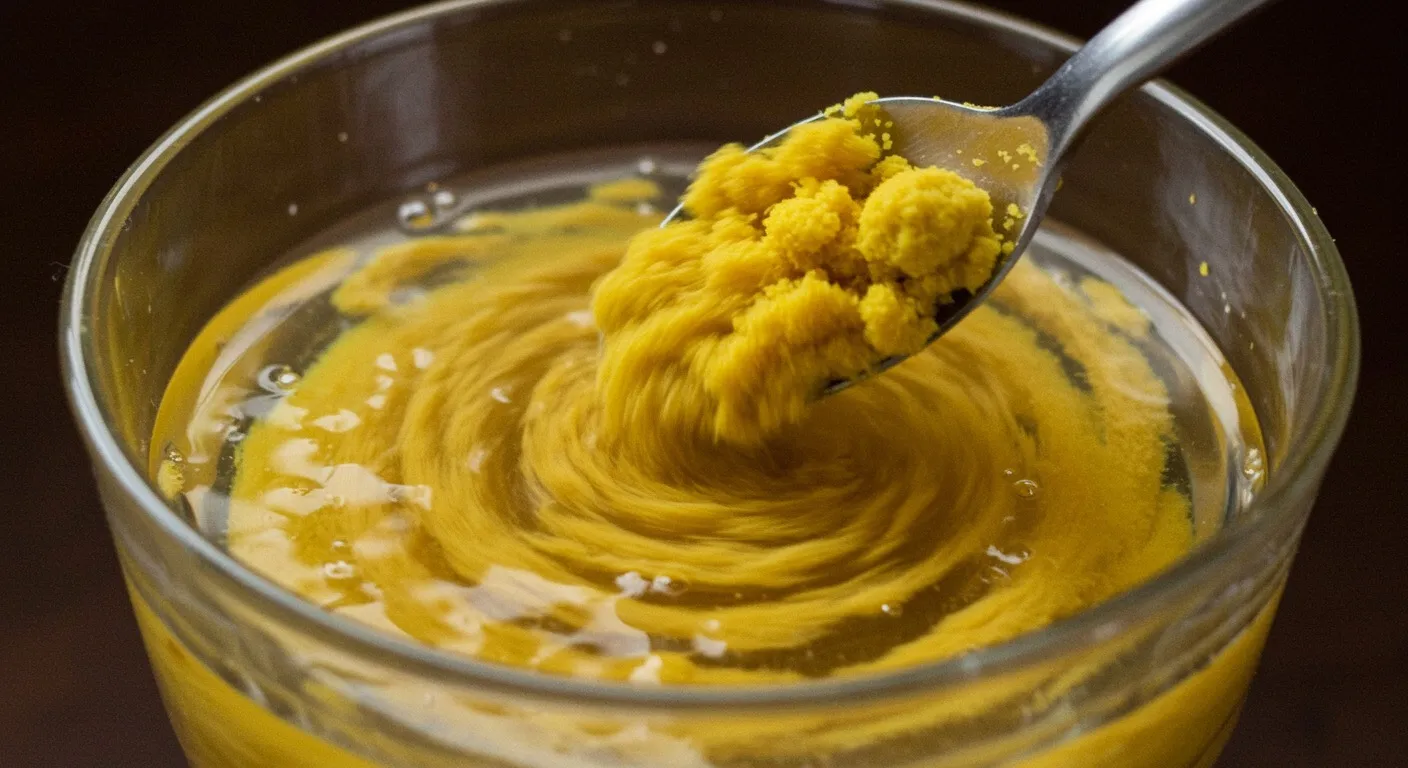
Reach for hing water when you feel gassy, bloated, or heavy after a rich or bean-heavy meal. Warm about one cup of water until it is comfortably hot but still drinkable, stir in a pinch of asafoetida, roughly a quarter teaspoon or less, until it dissolves, and sip it slowly. Once a day, taken after the meal that troubles you, is plenty. For a little extra effect you can dry-roast half a teaspoon of cumin seeds in the water while it warms, then strain them out. Most people notice the pressure easing within fifteen to thirty minutes, and a little hing goes a long way, so keep the dose small because the flavor is strong.
Cautions And A Note On Medical Care
A few cautions matter. Most supermarket hing is blended with wheat flour as a carrier, so anyone with celiac disease or gluten sensitivity should choose a compounded gluten-free hing. Because asafoetida may add to the effect of blood-pressure, blood-sugar, and blood-thinning medications, check with your doctor before making it a daily habit if you take any of these. Its hot potency can aggravate acid reflux or heartburn in some people, so keep the dose small, and it is not recommended during pregnancy or breastfeeding or for internal use in infants and young children. See a doctor if your symptoms last more than a week, keep coming back, or come with severe pain, fever, vomiting, or weight loss. This is traditional wisdom and not a substitute for medical care, but for an ordinary gassy, bloated stomach, a pinch of hing in warm water is a simple thing to try.
Recipe
Hing (Asafoetida) Digestive Water
A pinch of asafoetida (hing) dissolved in a cup of warm water, sipped after a heavy or gas-forming meal to ease everyday gas, bloating, and flatulence.
- Prep
- 2min
- Cook
- 3min
- Total
- 5min
- Servings
- 1doses
Ingredients
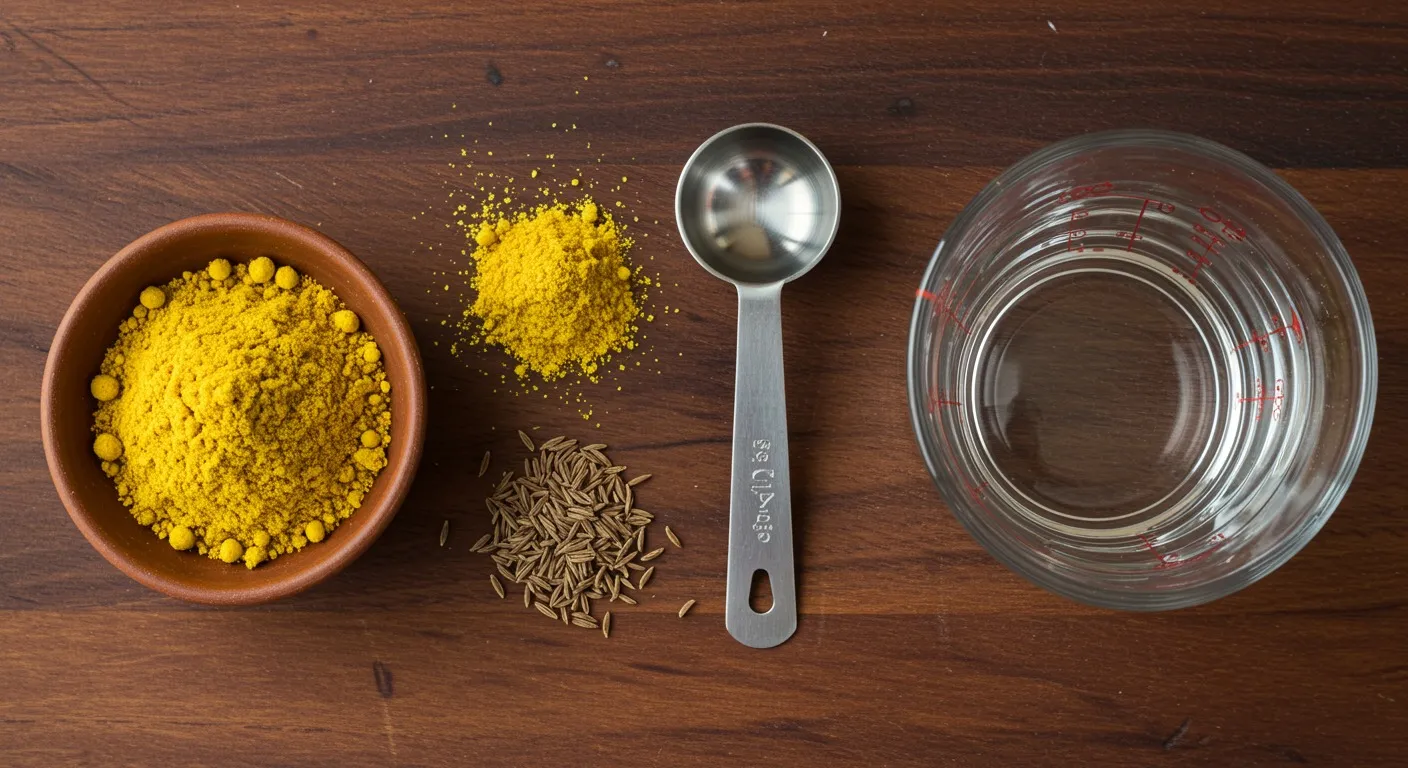
- 1 pinch asafoetida (hing) powder
- 1 cup warm water
- 1/2 tsp cumin seeds (optional)
Instructions
- 1 Warm about one cup of water until it is comfortably hot but still drinkable, not boiling.
- 2 Add a pinch of asafoetida (hing) powder, about 1/4 teaspoon or less, and stir until it fully dissolves.
- 3 For an optional carminative boost, dry-roast 1/2 teaspoon cumin seeds, add them while the water warms, then strain before drinking.
- 4 Sip the warm water slowly after a heavy or gas-forming meal, such as beans, lentils, or fried food. Once a day after the troublesome meal is enough.
Notes
- Most supermarket asafoetida is blended with wheat flour as a carrier. If you have celiac disease or gluten sensitivity, use a compounded gluten-free hing.
- Asafoetida may add to the effect of blood-pressure, blood-sugar (diabetes), and blood-thinning medications. Check with your doctor before using it regularly if you take any of these.
- Its hot potency can aggravate acid reflux or heartburn in some people. Keep the dose to a pinch and skip it if it worsens acidity.
- Not recommended during pregnancy or breastfeeding, and not for internal use in infants or children under 1.
- Consult your doctor if symptoms persist beyond 1 week, keep returning, or come with severe pain, fever, or vomiting. This is traditional wisdom and not a substitute for medical care.