Fenugreek (Methi) Hair Mask for Dandruff and a Flaky, Itchy Scalp
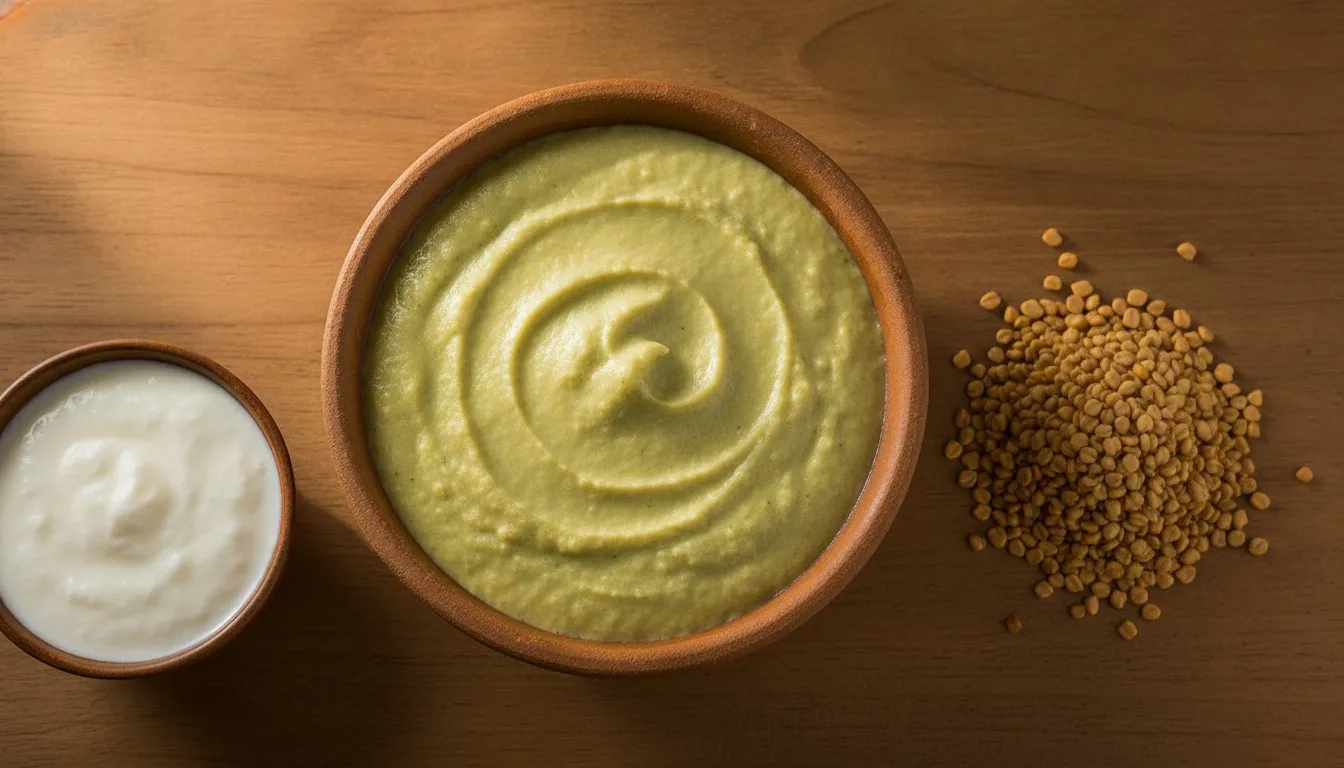
Dandruff and a flaky, itchy scalp are among the most common and most stubborn everyday hair complaints. You brush off your shoulders, notice the white flakes, and reach for yet another medicated shampoo. Before that, many households across India turn to a humble kitchen seed: fenugreek, or methi. Soaked overnight and blended into a paste, it becomes a traditional Ayurvedic scalp mask meant to calm flaking and cut excess oil.
The Ayurvedic Perspective
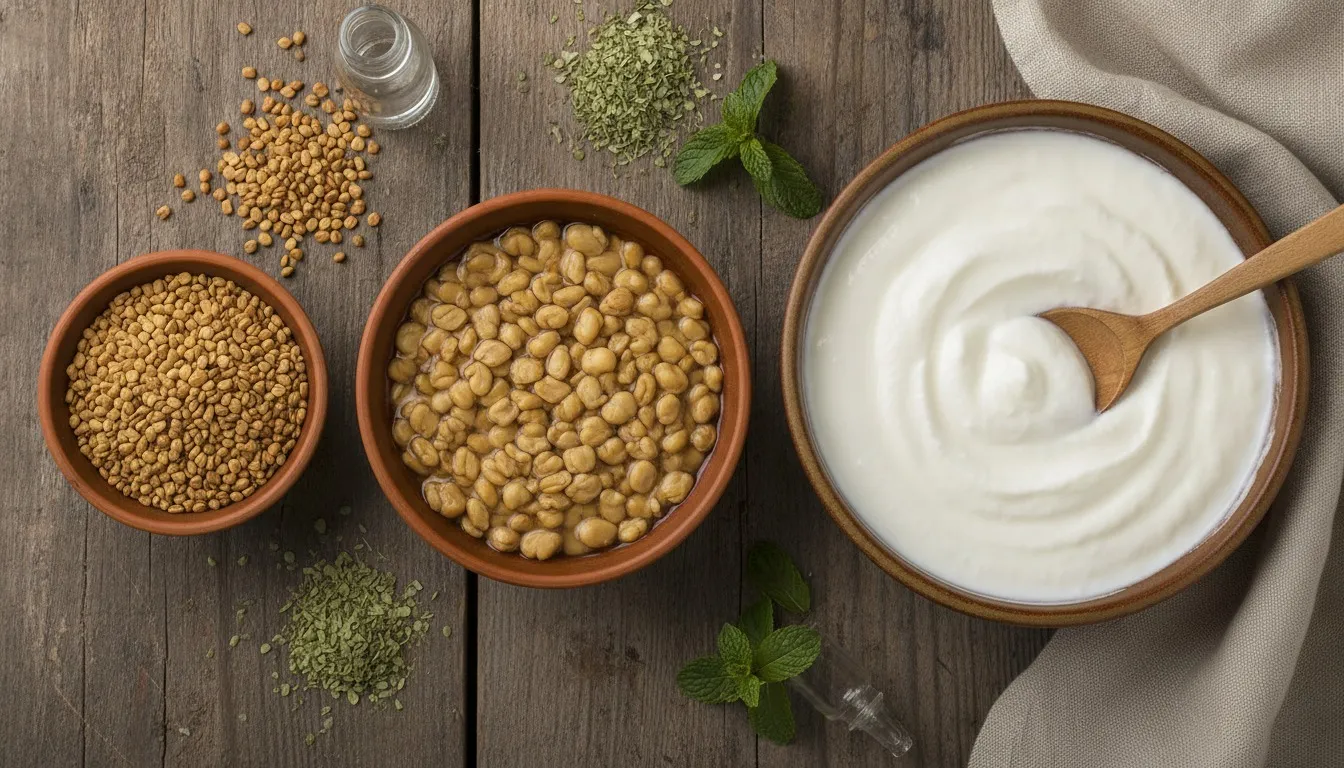
In Ayurveda, a heavy, oily, flaky scalp is usually read as a kapha imbalance in the skin of the head, sometimes overlapping with vata-driven dryness that makes the flakes worse. Fenugreek is known in the classics as Methika and appears in the Charaka Samhita, Sushruta Samhita, and the Bhavaprakasha Nighantu, which lists it among the pulses and credits it with warming, kapha-reducing, and anti-inflammatory qualities. Ayurvedic hair-care tradition specifically counts methi among herbs applied to the head to check hair fall and support a healthy scalp. Applied as a paste, it is meant to draw out excess oil, soothe irritation, and rebalance the scalp rather than simply stripping it. The seed is soaked and ground rather than used dry because soaking softens it and releases its mucilage, the slippery gel that coats and conditions.
What Modern Biology Says
Modern chemistry gives the tradition a plausible footing. Fenugreek seeds are rich in steroidal saponins such as diosgenin and the alkaloid trigonelline, while the leaves carry flavonoids including quercetin and kaempferol. In one 2020 laboratory study in Assay and Drug Development Technologies, a water-based fenugreek leaf extract inhibited Malassezia furfur, a yeast implicated in dandruff, with activity the authors reported as statistically comparable to ketoconazole, the antifungal used in many dandruff shampoos. That paper did not test a mechanism directly; it pointed to earlier Malassezia research suggesting flavonoids may block a fungal enzyme called beta-carbonic anhydrase. One honest caveat is that the extract tested came from the leaves, whereas this mask uses the seeds, though the seeds carry their own soothing mucilage and anti-inflammatory compounds that may ease the itch. Most of this work is still in the test tube and large human trials on fenugreek for dandruff are lacking, so the case rests on phytochemistry and promising lab data more than on clinical proof.
How And When To Use It
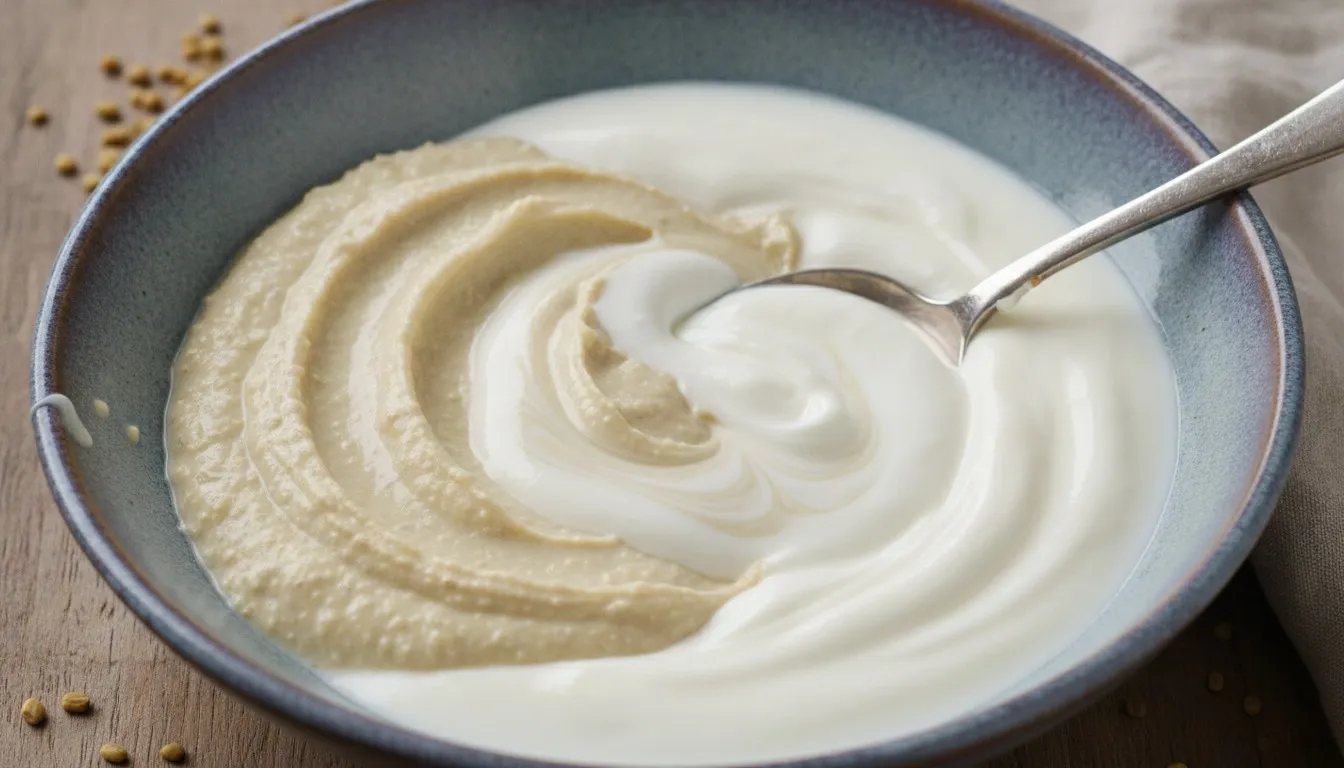
Reach for this mask when you notice flaking, itchiness, or a greasy scalp, treating it as a weekly ritual rather than a one-time fix. Soak the seeds overnight, grind them, mix with plain yogurt, and apply to the scalp for 30 to 40 minutes before rinsing. Once or twice a week is plenty, and it usually takes 3 to 4 weeks of steady use to judge whether it helps your scalp. Expect a faint, sweetish smell while it is on and a conditioned, less oily feel afterward.
Cautions And A Note On Medical Care
A few sensible cautions round things out. Patch test on your inner arm first, because fenugreek can trigger allergy in people sensitive to chickpeas, peanuts, or other legumes. Keep the mask external and rinse it out thoroughly. If your dandruff lasts beyond 3 to 4 weeks, or you see severe itching, spreading redness, bleeding, or thick scaling, see a dermatologist, since those can point to seborrheic dermatitis or psoriasis that needs proper treatment. This is traditional wisdom and not a substitute for medical care. If your scalp is healthy and you simply want a gentle, kitchen-based reset, this old methi mask is an easy one to try.
References
These are the peer-reviewed human studies and reviews behind the modern-evidence claims above. They open in a new tab.
- Kulkarni et al., Assay and Drug Development Technologies, 2020. In-vitro study: a water-based fenugreek LEAF extract inhibited Malassezia furfur, with a zone of inhibition the authors reported as statistically comparable to ketoconazole. It did not measure beta-carbonic anhydrase; that mechanism was only cited from other Malassezia research. Used leaf, not seed, and is lab-only, not a human trial.
Recipe
Fenugreek and Yogurt Scalp Mask
A simple two-ingredient hair mask of soaked, ground fenugreek (methi) seeds blended with plain yogurt, used on the scalp to ease dandruff, flaking, and excess oil.
- Prep
- 10min
- Cook
- 0min
- Total
- 10min
- Servings
- 1applications
Ingredients
- 2 tbsp fenugreek seeds (methi)
- 3 tbsp plain yogurt (curd)
- 1 cup water, for soaking
Instructions
- 1 Soak 2 tablespoons of fenugreek seeds in about 1 cup of water overnight, or for 8 to 10 hours, until they swell and turn slightly gel-like.
- 2 Drain the seeds and grind them into a smooth, thick paste, adding a teaspoon or two of the soaking water only if needed to help them blend.
- 3 Mix the paste with 3 tablespoons of plain yogurt until you have a spreadable mask. Use a little more yogurt for longer hair.
- 4 Section your dry or slightly damp hair and apply the mask directly to the scalp, then work any leftover down the lengths.
- 5 Leave the mask on for 30 to 40 minutes, covering with a shower cap if you like, then rinse well with lukewarm water and a mild shampoo.
- 6 Use once or twice a week. Give it 3 to 4 weeks of regular use before judging results, and always patch test before the first application.
Notes
- Do a patch test on your inner arm first. Fenugreek can trigger allergy in people sensitive to chickpeas, peanuts, or other legumes.
- This mask is for external use on the scalp only. Do not eat the paste.
- Rinse thoroughly. Fenugreek can leave a faint maple-like smell and yogurt can leave residue if not washed out well.
- Consult a dermatologist if dandruff persists beyond 3 to 4 weeks or worsens, or if you notice severe itching, spreading redness, bleeding, or thick scaling, which can signal seborrheic dermatitis or psoriasis that needs medical treatment.
- This is traditional wisdom and not a substitute for medical care.