Fennel Seed (Saunf) Water and After-Meal Chew for Bloating, Gas, and Bad Breath
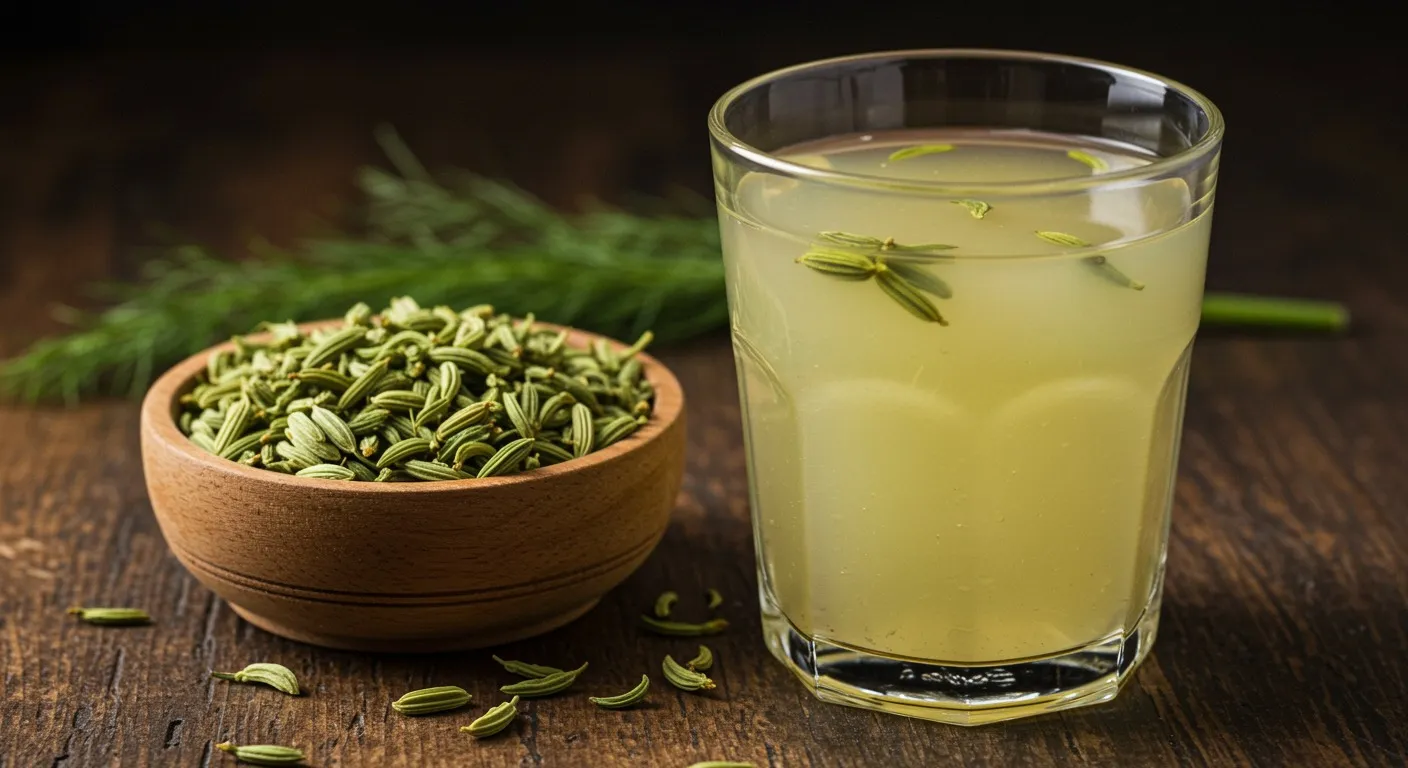
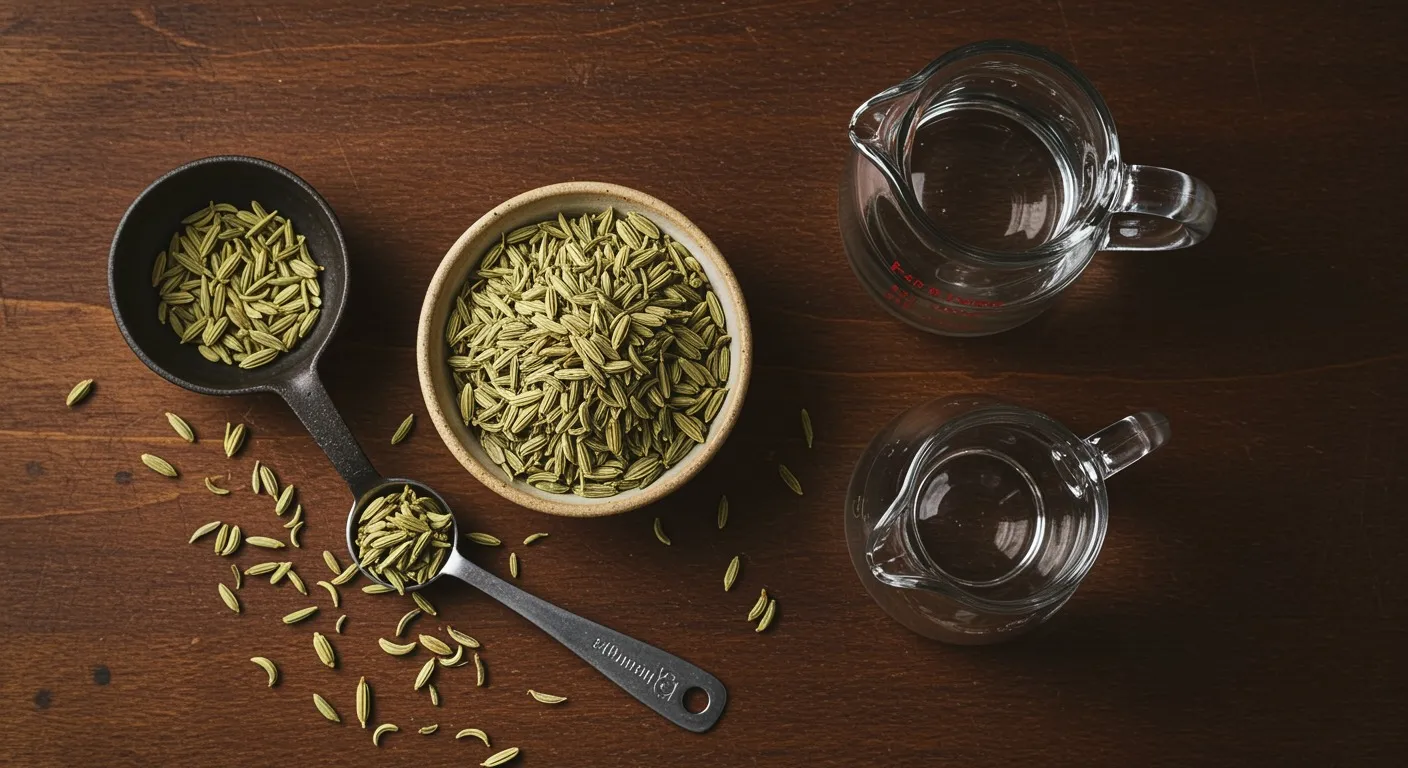
That heavy, swollen feeling after a big meal, the trapped gas that will not move, and the slightly stale taste in your mouth afterward are some of the most common everyday complaints there are. Almost everyone has pushed back from the table feeling like the food is just sitting there. Across India there is a simple, time-worn answer waiting in a small bowl by the door: fennel seeds, or saunf. Whether sipped as a warm water or chewed by the pinch, these sweet, aromatic seeds are one of the kitchen’s oldest aids for bloating, gas, and after-meal breath.
The Ayurvedic Perspective
In Ayurveda, fennel is known as Madhurika or Mishreya and is valued as a deepana-pachana herb, meaning it gently kindles the digestive fire, called agni, and helps break down the undigested residue, called ama, that sits behind bloating and sluggish digestion. Bloating and trapped wind are seen largely as a vata disturbance in the digestive tract, a kind of cold, mobile, gas-forming imbalance. Fennel is prized because it settles this vata-type gas while staying sweet and cooling in its aftereffect, so it does not aggravate pitta the way hotter, sharper spices can. This balanced nature is why classical Ayurvedic literature, including the Charaka Samhita, places fennel among the sweet-tasting Madhura group of herbs, and why it became a standard post-meal digestive in households across the subcontinent.
What Modern Biology Says
Modern chemistry explains the old habit well. Fennel seeds are rich in an essential oil whose main compound, anethole, along with fenchone and estragole, has been shown to relax the smooth muscle of the intestinal wall. That muscle-relaxing, antispasmodic action helps trapped gas pass and eases the cramping that makes bloating uncomfortable. Small human trials and reviews have looked at fennel preparations for functional digestive discomfort, irritable-bowel-type symptoms, and infant colic with encouraging results, and its aromatic oils help freshen breath by acting on odor-causing bacteria in the mouth. The honest picture is that most of this research is small and preliminary, so fennel is best treated as a gentle everyday comfort rather than a proven medicine.
How And When To Use It
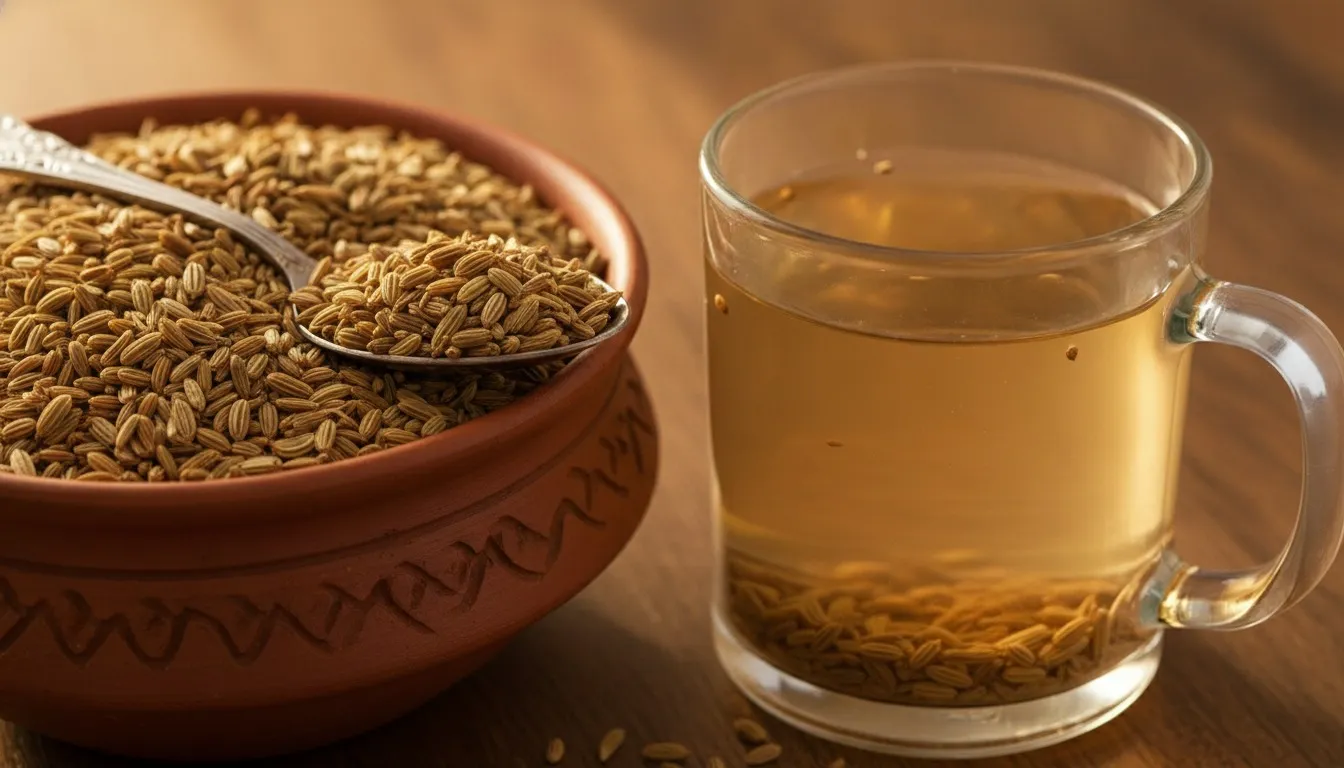
Reach for fennel when you feel bloated or gassy after a heavy or rich meal, or when you want to clear your mouth and breath after eating. The warm fennel water is soothing taken about 15 to 20 minutes after the meal, while a simple pinch of seeds chewed slowly works as the classic mukhwas, the after-meal mouth freshener. Once or twice a day as needed is plenty. Many people notice the gas easing and the heaviness lifting within a half hour, and the taste alone makes the habit an easy one to keep.
Cautions And A Note On Medical Care
Fennel is gentle, but a few cautions matter. Because it has mild estrogen-like activity, anyone on estrogen-sensitive medications or with an estrogen-sensitive condition should check with a doctor first, and people allergic to fennel, anise, celery, or related carrot-family plants should avoid it. Stick to ordinary culinary amounts and never swallow concentrated fennel essential oil. If your bloating or digestive discomfort keeps coming back, lasts beyond two weeks, or comes with pain, weight loss, or changes in your bowels, see your doctor, because that is beyond what a kitchen remedy should handle. This is traditional wisdom and not a substitute for medical care, but for the ordinary after-dinner heaviness most of us know well, a warm cup of saunf water is a pleasant place to start.
Recipe
Fennel Seed Digestive Water and Chew
A simple warm infusion of fennel (saunf) seeds, plus a pinch of seeds to chew after meals, to ease bloating, trapped gas, and after-meal bad breath.
- Prep
- 2min
- Cook
- 5min
- Total
- 7min
- Servings
- 1doses
Ingredients
- 1 tsp fennel seeds (saunf), for the water
- 1 cup water
- 1/2 tsp fennel seeds (saunf), for chewing after the meal
Instructions
- 1 Lightly crush 1 teaspoon of fennel seeds with the back of a spoon to release their aroma.
- 2 Bring 1 cup of water to a gentle simmer, add the crushed seeds, and let them steep off the heat, covered, for about 5 minutes.
- 3 Strain into a cup and sip the warm fennel water slowly, ideally 15 to 20 minutes after a heavy meal or whenever you feel bloated.
- 4 Separately, chew about 1/2 teaspoon of plain fennel seeds slowly after eating to ease gas and freshen your breath. Use it once or twice a day as needed, not as an all-day habit.
Notes
- If you take estrogen-sensitive medications or have an estrogen-sensitive condition, ask your doctor first, since fennel has mild phytoestrogen activity.
- Anyone with a known allergy to fennel, anise, celery, or carrot family plants should avoid it.
- Keep to ordinary culinary amounts; very large doses of concentrated fennel are not advised, and concentrated fennel essential oil should never be swallowed.
- Consult your doctor if bloating, gas, or digestive discomfort persists beyond 2 weeks, recurs often, or comes with pain, weight loss, or changes in bowel habits.
- This is traditional wisdom and not a substitute for medical care.