Authentic Karnataka Bisi Bele Bath Recipe
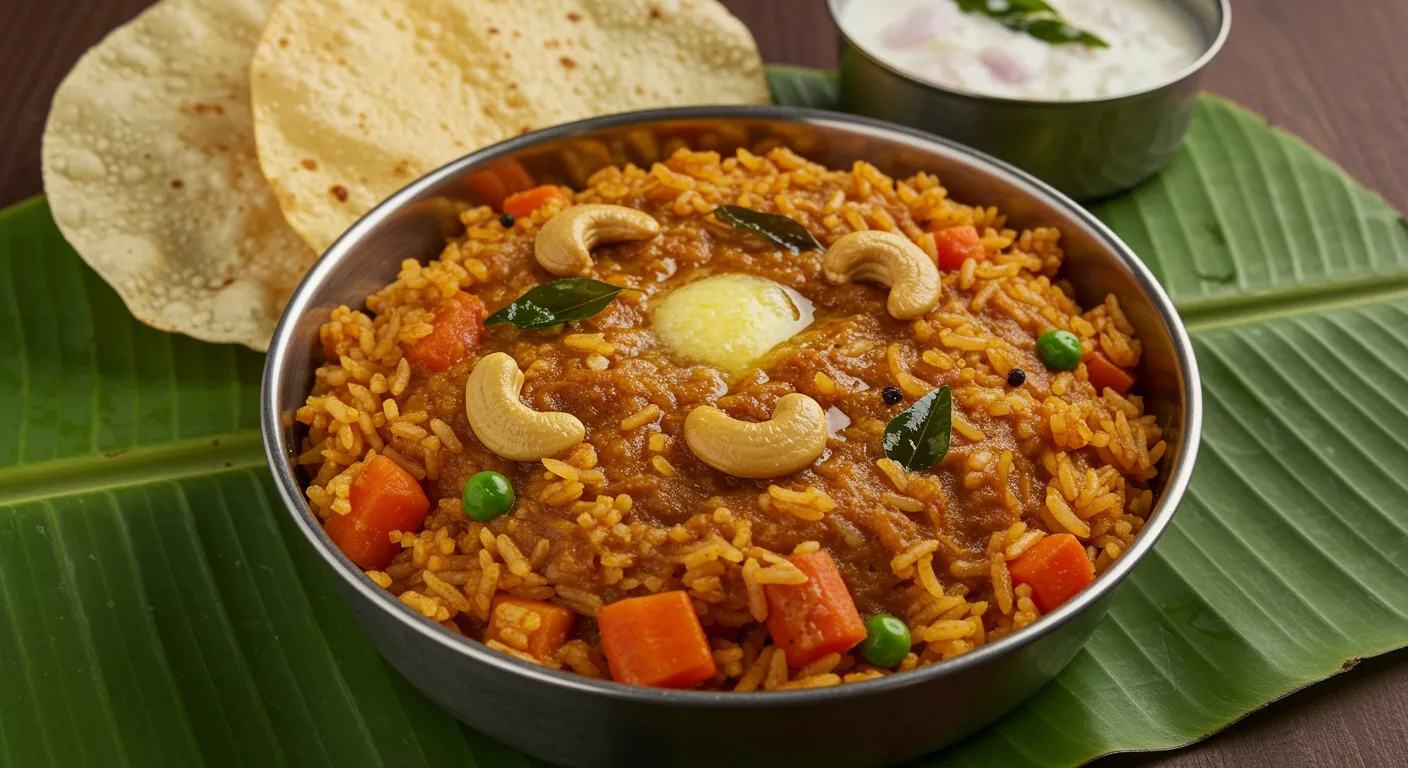
When the craving for something warm, spicy, and deeply comforting hits, bisi bele bath delivers. This iconic Karnataka one-pot meal has been having a moment online, with South Indian food creators across Instagram and Pinterest spotlighting regional comfort dishes. The name tells you almost everything: bisi means hot, bele means lentil, bath means a rice dish. What it does not tell you is how a single bowl manages to be tangy, sweet, spicy, and creamy all at the same time. Karnataka households have been cooking it for generations, and one taste makes it obvious why.
About This Dish
Bisi bele bath traces its roots to the royal kitchens of the Mysore Wodeyar dynasty, where it is said to have been refined into the spiced rice-and-dal dish we recognize today. From there it traveled across Karnataka and became a staple at darshini-style restaurants and home tables alike. Every family has its own version, and the spice powder, known as bisi bele bath pudi, is often a closely guarded recipe passed down across generations. While some treat the dish as a special-occasion meal, across much of South India it is everyday comfort food.
Ingredient Notes
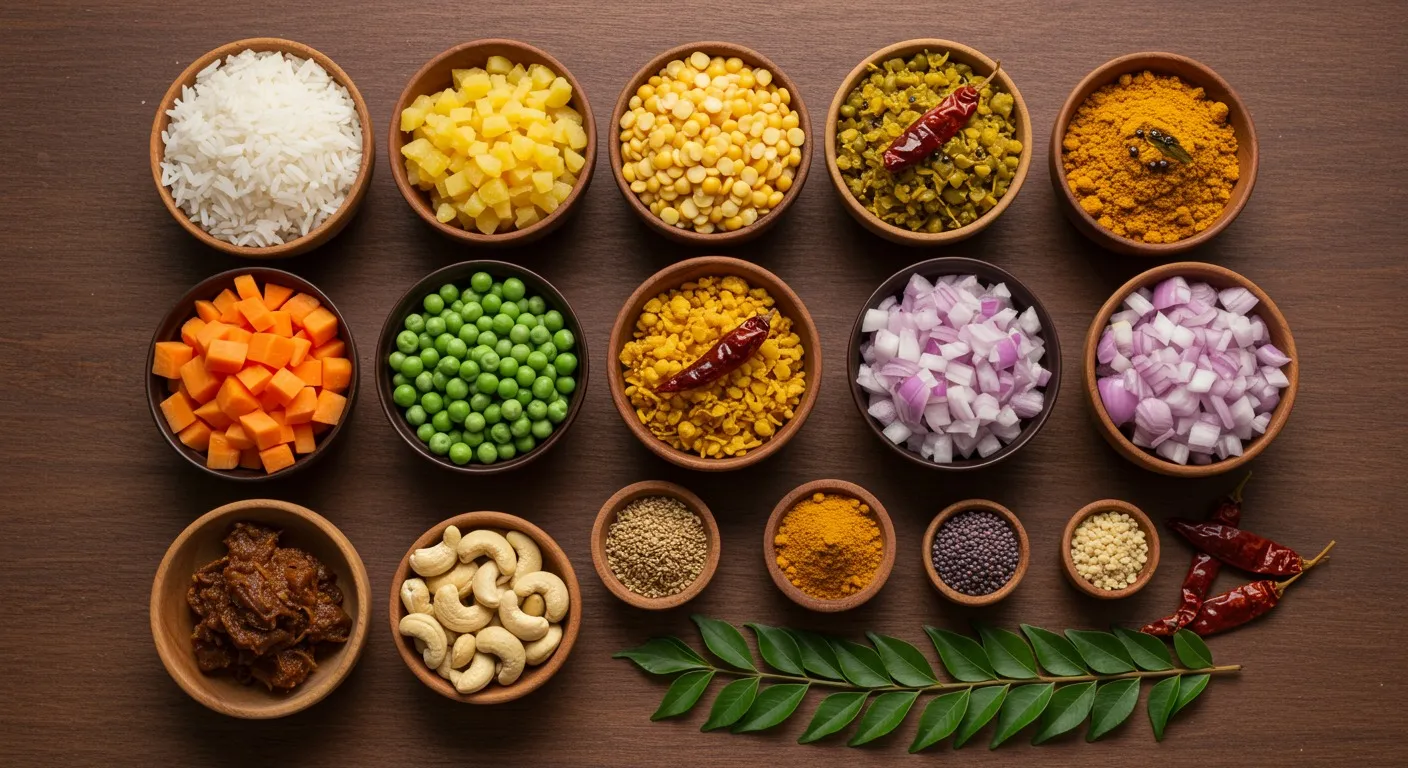
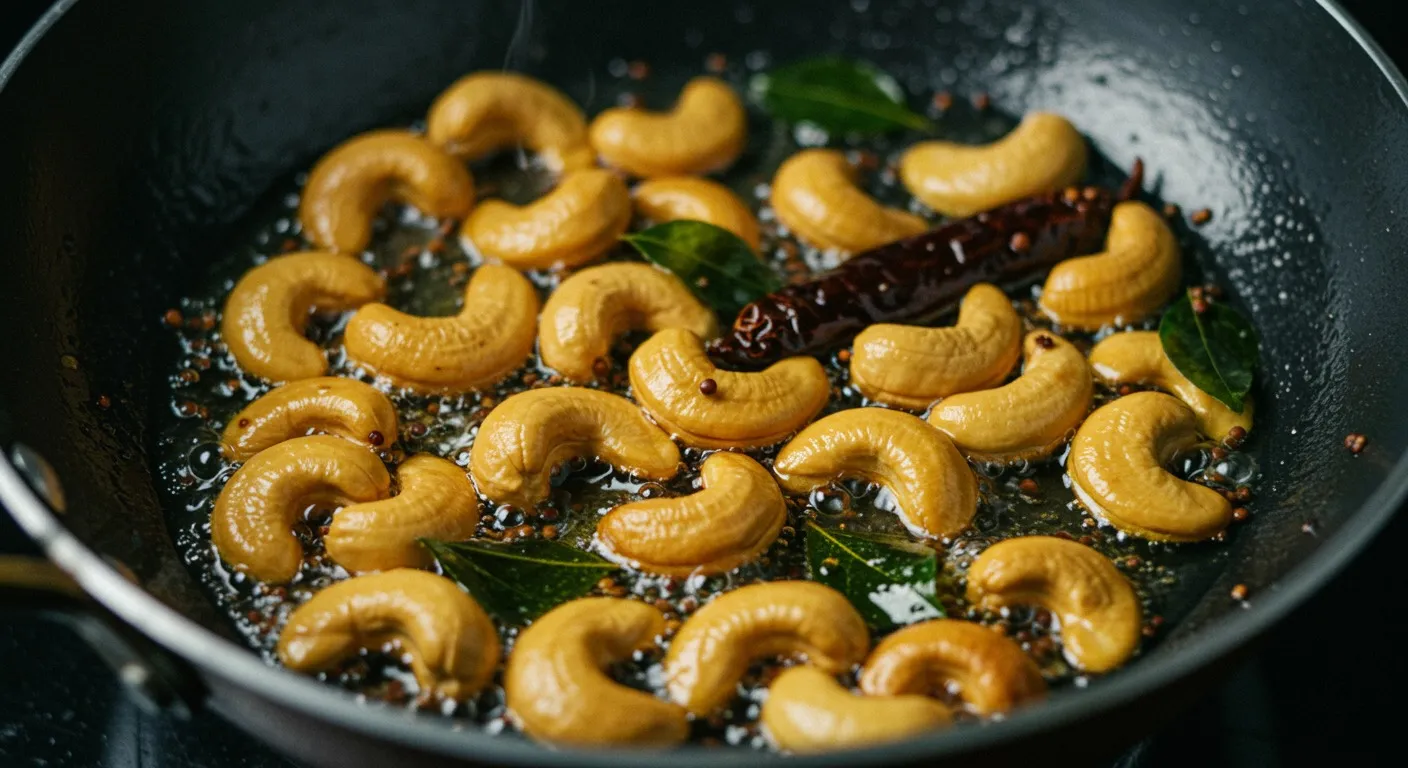
The two staples are sona masuri rice and toor dal, cooked together until just soft. Bisi bele bath powder, a roasted blend of coriander seeds, chana dal, urad dal, red chilies, cinnamon, and cloves, gives the dish its characteristic flavor and aroma. Tamarind brings the tang, jaggery balances it with a quiet sweetness, and a mix of vegetables (carrots, beans, peas, onion, and tomato) adds bite and color. Ghee is non-negotiable here, and the tempering of cashews, mustard seeds, curry leaves, and asafoetida is what pulls the whole bowl together. If you do not have homemade bisi bele bath powder on hand, a good store-bought brand works, though the homemade version is noticeably more aromatic.
Method And Tips
The technique is simple but the texture is everything. You want the rice and dal cooked until almost mushy so they melt into the gravy, then loosened with hot water to a semi-thick, porridge-like consistency that flows off a spoon but still holds its shape. Simmer the tamarind in with the spice powder for at least five minutes so the raw, sharp note mellows out, otherwise the finished dish tastes pinched. Do not skimp on the ghee tempering, because the cashews crisped in hot ghee at the end are what transform this from good to memorable. Keep an extra cup of hot water on the side, since bisi bele bath thickens dramatically as it sits.
Serving Suggestions
Serve bisi bele bath hot, in deep bowls, with a generous pat of ghee melting into the top. Crisp boondi, papad, a cool cucumber raita, and a wedge of lime on the side are all classic accompaniments. Make a pot on a slow weekend afternoon, and it will carry you through two more days of comforting lunches. Give it a try, and you will understand why Karnataka guards this recipe so jealously.
Recipe
Authentic Karnataka Bisi Bele Bath
Authentic Karnataka bisi bele bath is a spiced one-pot meal of rice and toor dal simmered with mixed vegetables, tamarind, jaggery, and aromatic bisi bele bath powder, finished with a tempering of ghee, cashews, and curry leaves.
- Prep
- 15min
- Cook
- 35min
- Total
- 50min
- Servings
- 4servings
- Calories
- 380kcal
Ingredients
- For the rice and dal
- 3/4 cup sona masuri rice
- 1/2 cup toor dal
- 1/4 tsp turmeric powder
- 3 cups water
- For the vegetables and base
- 1 medium carrot, diced
- 1/2 cup green peas
- 10 french beans, cut into 1-inch pieces
- 1 small onion, cubed
- 1 small tomato, chopped
- 2 tbsp tamarind, soaked in 1/2 cup warm water
- 1 tbsp jaggery
- 3 tbsp bisi bele bath powder
- 1 tsp salt
- 1 cup hot water, plus more as needed
- For the tempering
- 3 tbsp ghee
- 1 tsp mustard seeds
- 15 whole cashews
- 2 whole dried red chilies
- 1 sprig curry leaves
- 1/4 tsp asafoetida (hing)
Instructions
- 1 Rinse the rice and toor dal together until the water runs clear. Add them to a pressure cooker with 3 cups of water and 1/4 teaspoon turmeric. Pressure cook for 4 to 5 whistles, about 12 minutes, then let the pressure release naturally.
- 2 While the rice and dal cook, soak the tamarind in 1/2 cup warm water for 10 minutes. Squeeze the pulp with your fingers to extract a smooth liquid, then discard the fibers and seeds.
- 3 In a large heavy-bottomed pot, add the diced carrot, french beans, green peas, onion, tomato, salt, and 1 cup of water. Cover and cook over medium heat for 8 to 10 minutes until the vegetables are fork-tender.
- 4 Stir in the tamarind extract, jaggery, and bisi bele bath powder. Simmer for 5 minutes so the raw tamarind flavor mellows and the spices bloom.
- 5 Lightly mash the cooked rice and dal with the back of a spoon, then add the mixture to the pot. Stir gently to combine, adding 1/2 to 1 cup of hot water as needed to reach a semi-thick, porridge-like consistency. Simmer for 5 more minutes, stirring occasionally.
- 6 In a small pan, heat the ghee over medium heat. Add the cashews and fry until golden brown, then remove with a slotted spoon. Add the mustard seeds to the same ghee and let them splutter, then add the dried red chilies, curry leaves, and asafoetida and let them sizzle for a few seconds.
- 7 Pour the hot tempering, along with the fried cashews, over the bisi bele bath. Stir gently, cover, and let it rest for 5 minutes so the flavors meld.
- 8 Serve hot in deep bowls with an extra drizzle of ghee on top, alongside crisp boondi, papad, or a cooling raita.
Notes
- Bisi bele bath thickens considerably as it cools. When reheating, add a splash of hot water and a spoon of ghee to bring back the original consistency.
- For the most authentic flavor, use homemade bisi bele bath powder. A good store-bought brand works in a pinch, but taste and adjust the quantity.
- Traditional versions often include a handful of peanuts. Add 2 tablespoons of raw peanuts to the rice and dal before pressure cooking for that classic Karnataka touch.