Authentic Karnataka Tomato Chitranna Recipe
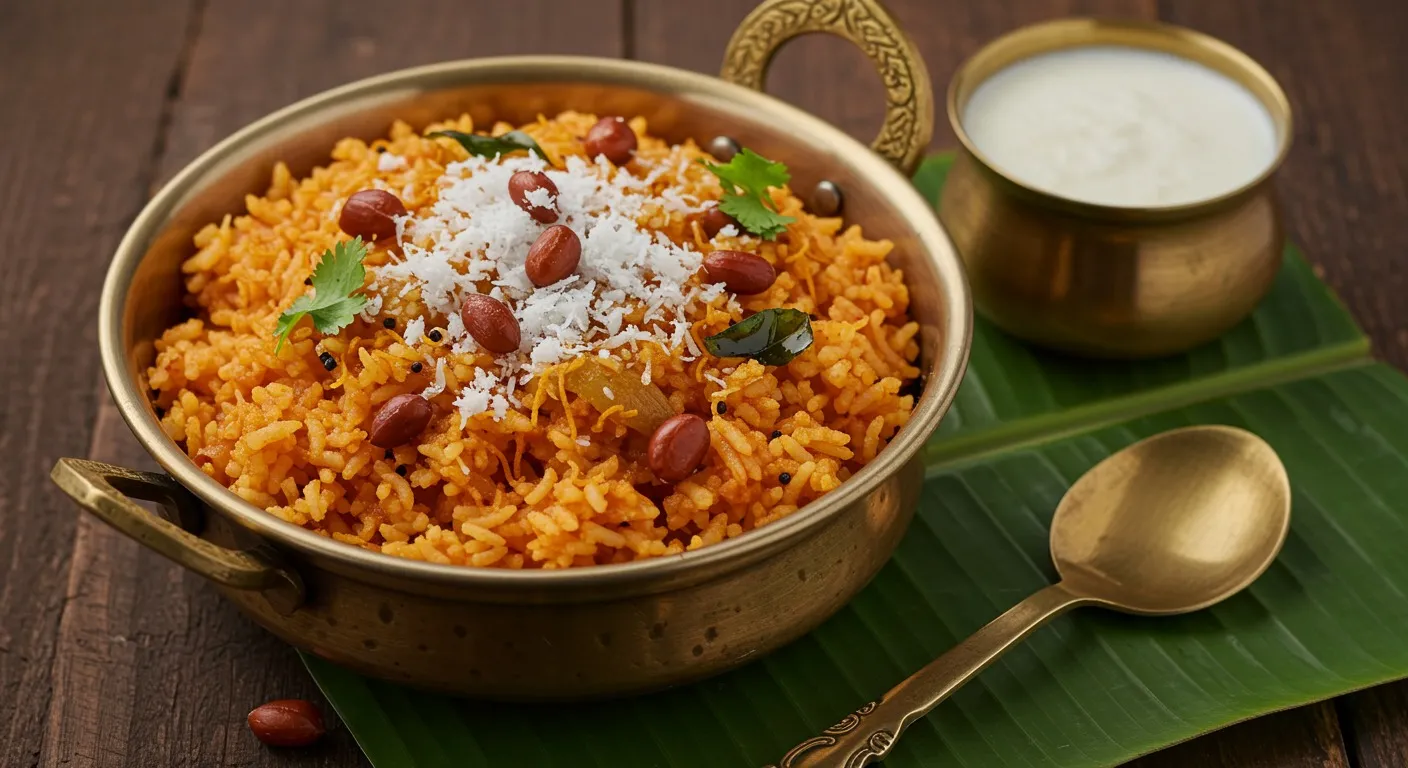
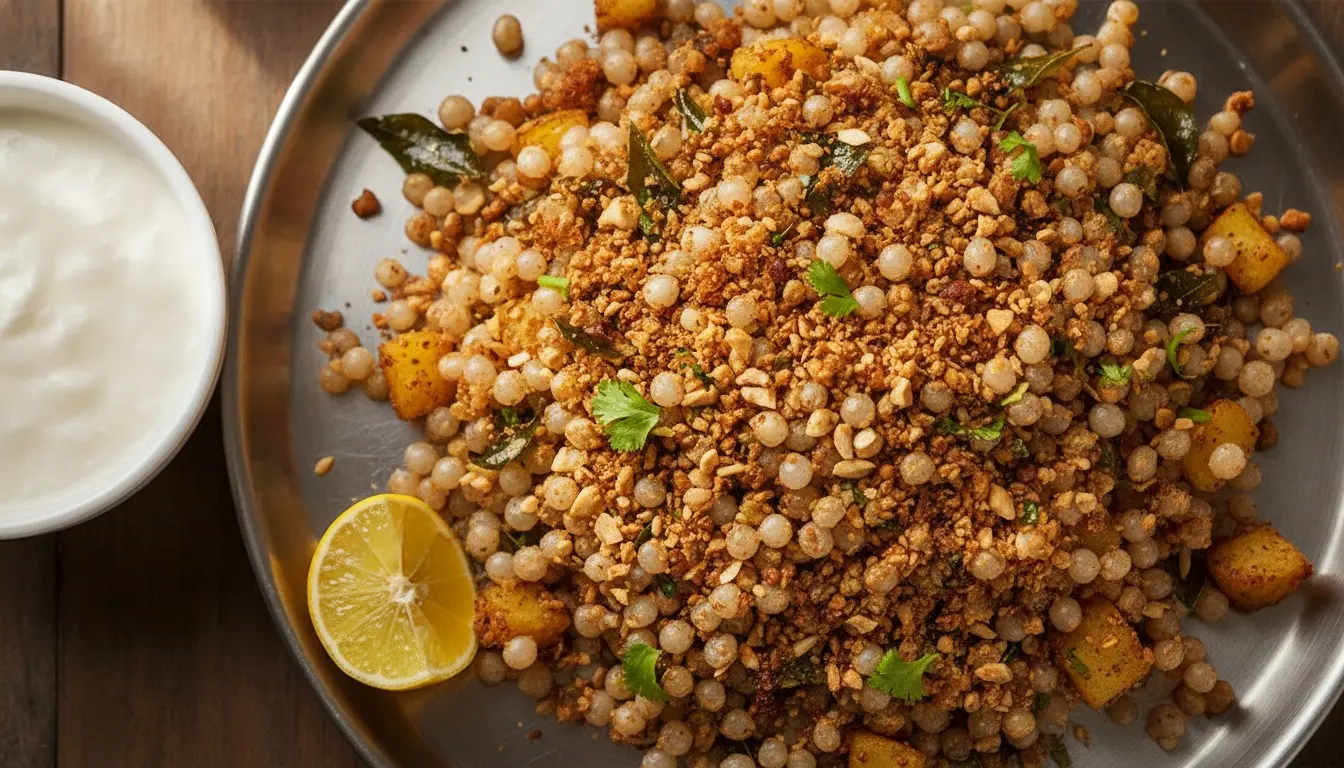
Tomato chitranna is the kind of quick, comforting rice dish that Karnataka homes have been making for generations, and it is having a real moment online right now. Short-form videos from cooks like Hebbar’s Kitchen have pushed the dish back into the spotlight, with home cooks across Instagram and YouTube rediscovering it as a thirty-minute breakfast and lunch-box answer to leftover rice. What makes it shine is the contrast between the tangy, oil-slicked tomato masala and the clean, separate grains of cooled rice. It is unfussy, deeply savory, and tastes like something a Karnataka grandmother would put together without looking at a recipe.
About This Dish
Chitranna belongs to a wider family of South Indian tossed rice dishes where cooked rice is mixed with a tempered seasoning rather than cooked together with spices. In Karnataka the classic version is nimbehannu chitranna, made with lemon juice, and tomato chitranna is its tangier, more festive cousin from the region around Davangere and Mysuru. Where the lemon version relies on citrus for its sour note, the tomato variation builds its character from ripe tomatoes cooked down with onions, ginger, and a quick tadka. It is everyday food but also a common choice for temple offerings, festival lunches, and long road trips because it travels well and tastes good at room temperature.
Ingredient Notes
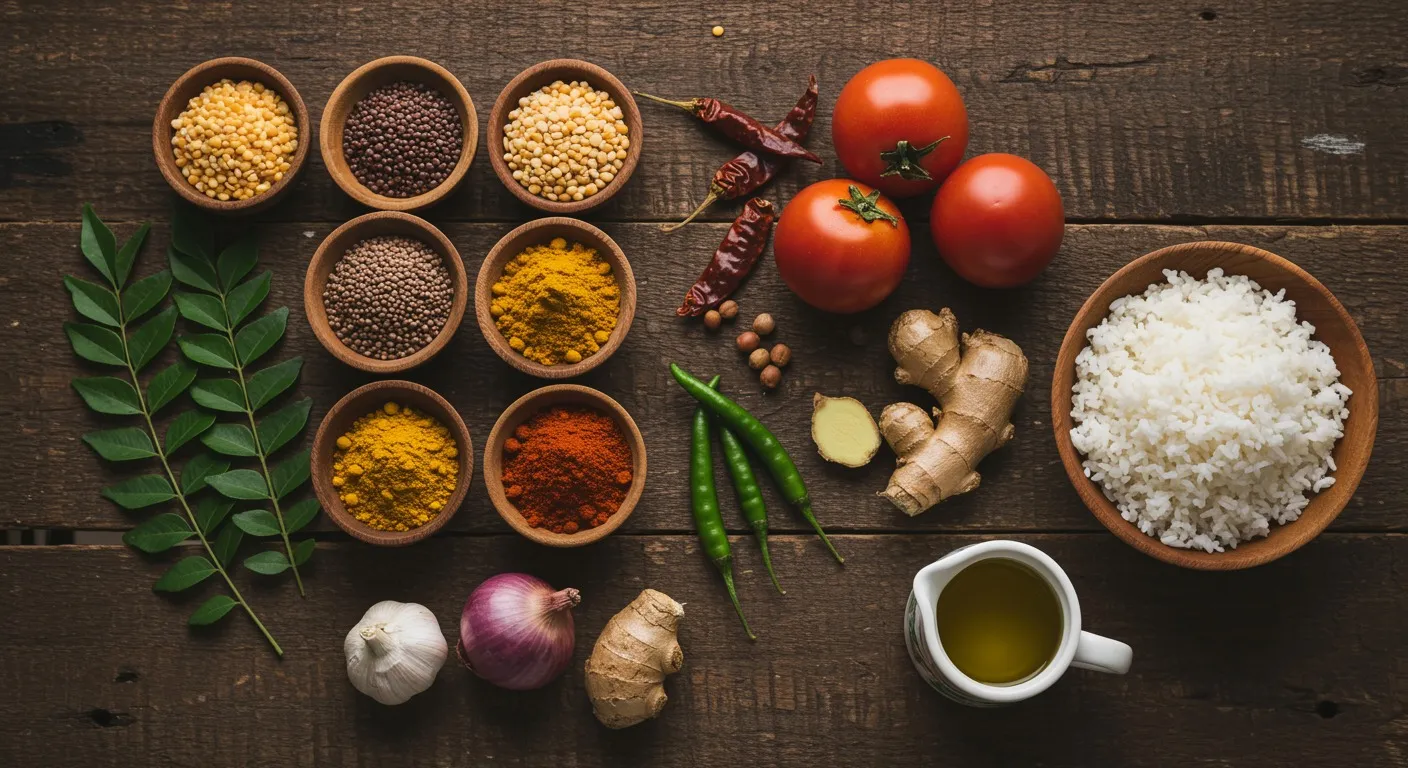
The ingredient list is short and forgiving. Sona masoori is the traditional rice and gives the dish the right soft, slightly sticky bite, but any short or medium-grain rice you have on hand will work. Use ripe, juicy tomatoes; underripe or watery ones make the masala thin and bland. Coconut oil is the right cooking fat here because it lifts the South Indian tempering and ties everything to the regional flavor profile. The sambar powder is optional but worth keeping if you have it; without it the dish leans brighter and more tomato-forward. Fresh grated coconut at the end is non-negotiable in many Karnataka homes, but desiccated coconut soaked briefly in warm water makes a fine substitute if that is what you have.
Method And Tips
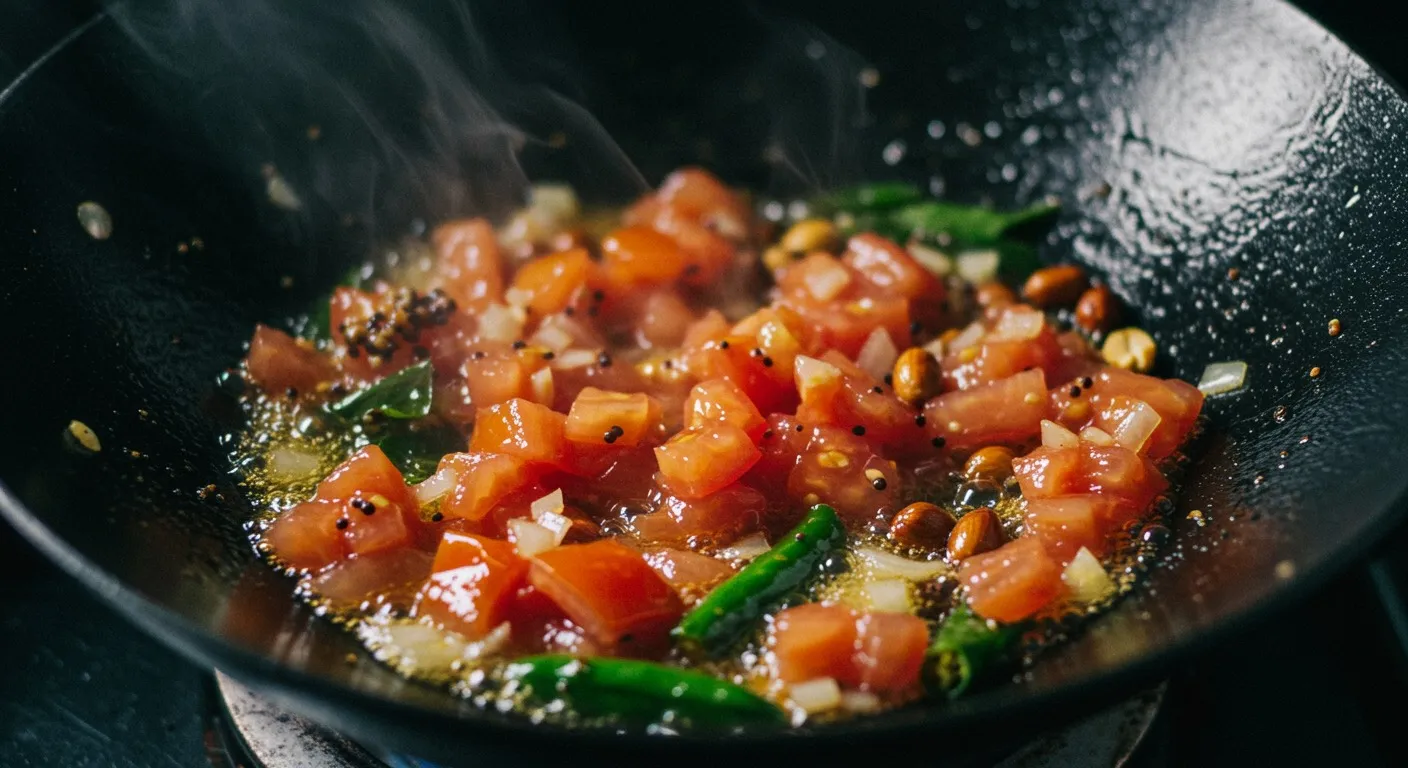
The single most important technique here is using cooled, dried-out rice. Hot or freshly cooked rice will turn gummy and break apart the moment it hits the masala, and the dish will lose the loose, grain-separate texture that defines a good chitranna. If you do not have leftovers, spread fresh rice on a wide plate and let it sit for fifteen to twenty minutes before using. The second tip is to cook the tomatoes patiently. Rushing the masala leaves it watery and raw-tasting; pushing it through until the oil separates at the edges concentrates the flavor and gives the finished rice its glossy, savory coating.
Serving Suggestions
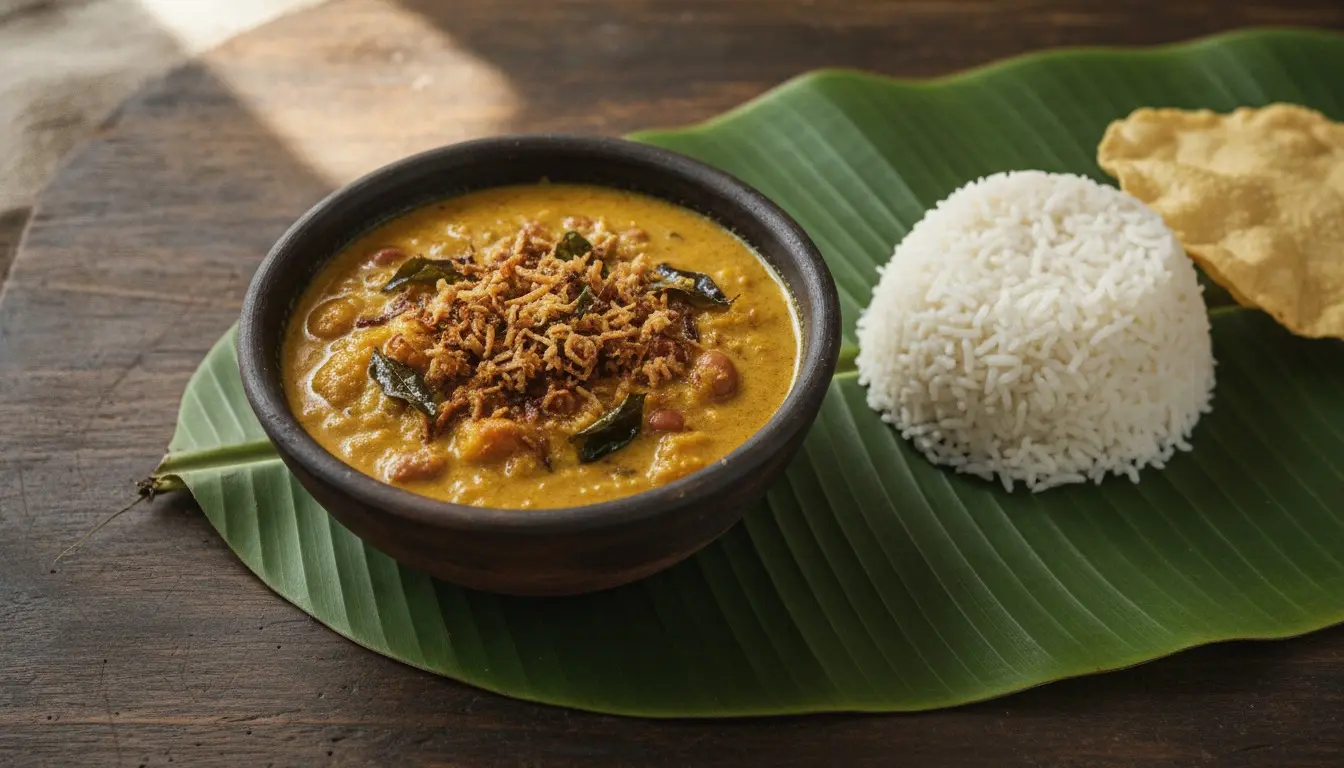
Tomato chitranna is best served warm with a bowl of plain curd, a simple onion raita, and a stack of crisp papads. It packs beautifully into a lunch box and holds its texture for hours at room temperature, which is exactly why it has been a Karnataka travel-food staple for so long. If a quick, satisfying rice dish that uses what you already have in the fridge sounds like your kind of cooking, this one belongs in your weekly rotation.
Recipe
Karnataka Tomato Chitranna
A quick South Indian tomato rice from Karnataka. Leftover cooked rice is tossed with a tangy onion and tomato masala and a classic tempering of mustard seeds, urad dal, chana dal, peanuts, and curry leaves. Ready in under thirty minutes.
- Prep
- 10min
- Cook
- 15min
- Total
- 25min
- Servings
- 3servings
- Calories
- 320kcal
Ingredients
- For the rice
- 2.5 cups cooked rice, preferably leftover sona masoori or any short-grain rice
- For the tempering
- 2 tbsp coconut oil
- 2 tbsp raw peanuts
- 1 tsp mustard seeds
- 1 tsp urad dal
- 1 tsp chana dal
- 1/2 tsp cumin seeds
- 1 pinch asafoetida (hing)
- 8-10 leaves fresh curry leaves
- For the masala
- 1 medium onion, finely chopped
- 1 inch piece ginger, finely chopped
- 2 green chilies, slit lengthwise
- 2 medium ripe tomatoes, finely chopped
- 1/4 tsp turmeric powder
- 3/4 tsp red chili powder
- 1 tsp sambar powder
- 1 tsp salt, or to taste
- To finish
- 2 tbsp fresh coconut, grated
- 2 tbsp fresh coriander leaves, finely chopped
Instructions
- 1 Spread the cooked rice on a wide plate and let it cool completely. Leftover rice straight from the fridge works best because the grains stay separate and will not turn mushy when tossed in the masala.
- 2 Heat the coconut oil in a wide kadai or skillet over medium heat. Add the peanuts and roast for one to two minutes until they turn light golden and smell toasty.
- 3 Add the mustard seeds and let them splutter for fifteen to twenty seconds. Stir in the urad dal and chana dal and fry until they turn a light golden brown.
- 4 Add the cumin seeds, asafoetida, and curry leaves. Stand back briefly because the curry leaves will splutter on contact with the hot oil.
- 5 Add the chopped onion, ginger, and green chilies. Saute for two to three minutes until the onion turns soft and translucent.
- 6 Add the chopped tomatoes along with the turmeric, red chili powder, sambar powder, and salt. Cook for five to six minutes, stirring occasionally, until the tomatoes break down completely and the masala thickens and starts releasing oil at the edges.
- 7 Lower the heat and add the cooled rice. Gently fold the rice into the tomato masala with a flat spatula, lifting from the bottom rather than stirring vigorously, so the grains stay whole.
- 8 Cover the pan and let the rice steam through on low heat for two to three minutes so the flavors meld and the rice warms evenly.
- 9 Turn off the heat. Sprinkle over the grated coconut and chopped coriander and fold them in. Taste and adjust salt.
- 10 Serve warm with plain curd, a simple onion raita, papad, or potato chips on the side.
Notes
- Always use cooled, slightly dried rice for the best texture. If using freshly cooked rice, spread it on a wide plate, drizzle a teaspoon of coconut oil over it, and let it cool to room temperature before adding to the pan.
- Sambar powder is optional but adds depth and a familiar South Indian aroma. Without it, the dish leans brighter and more tomato-forward.
- For a spicier version, add another slit green chili or a small pinch of freshly ground black pepper at the finishing stage.