Authentic Karnataka Ragi Mudde Recipe
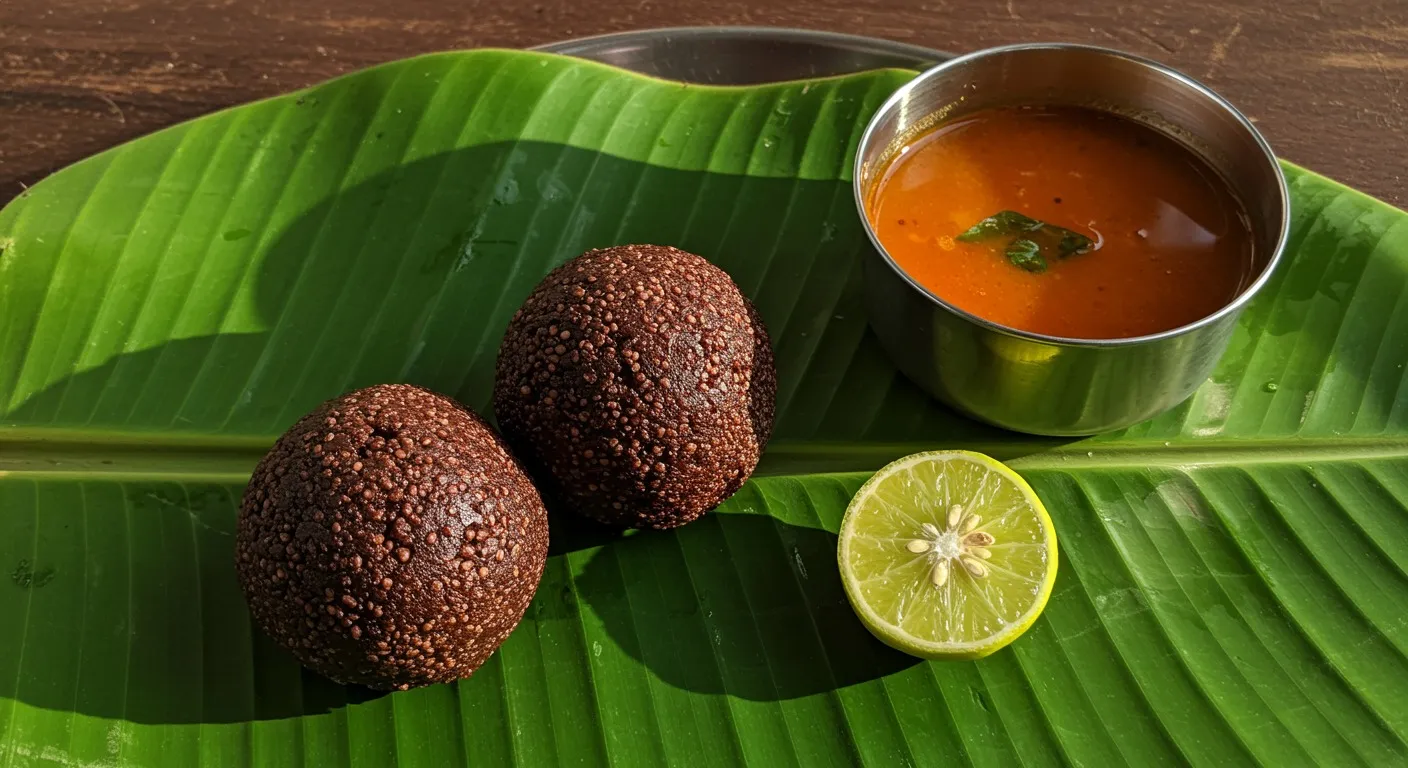
Ragi mudde has quietly become the poster dish of the great millet revival sweeping Indian kitchens this year. These soft, smooth balls of cooked finger millet flour are almost laughably simple, just three pantry ingredients, and yet they sit at the heart of Karnataka’s food memory. With every health publication writing about diabetes-friendly grains and home cooks rediscovering forgotten regional staples, ragi mudde is having a real moment on Instagram, YouTube, and Pinterest. It is filling, naturally gluten-free, and pairs beautifully with almost any saaru or sambar.
About This Dish
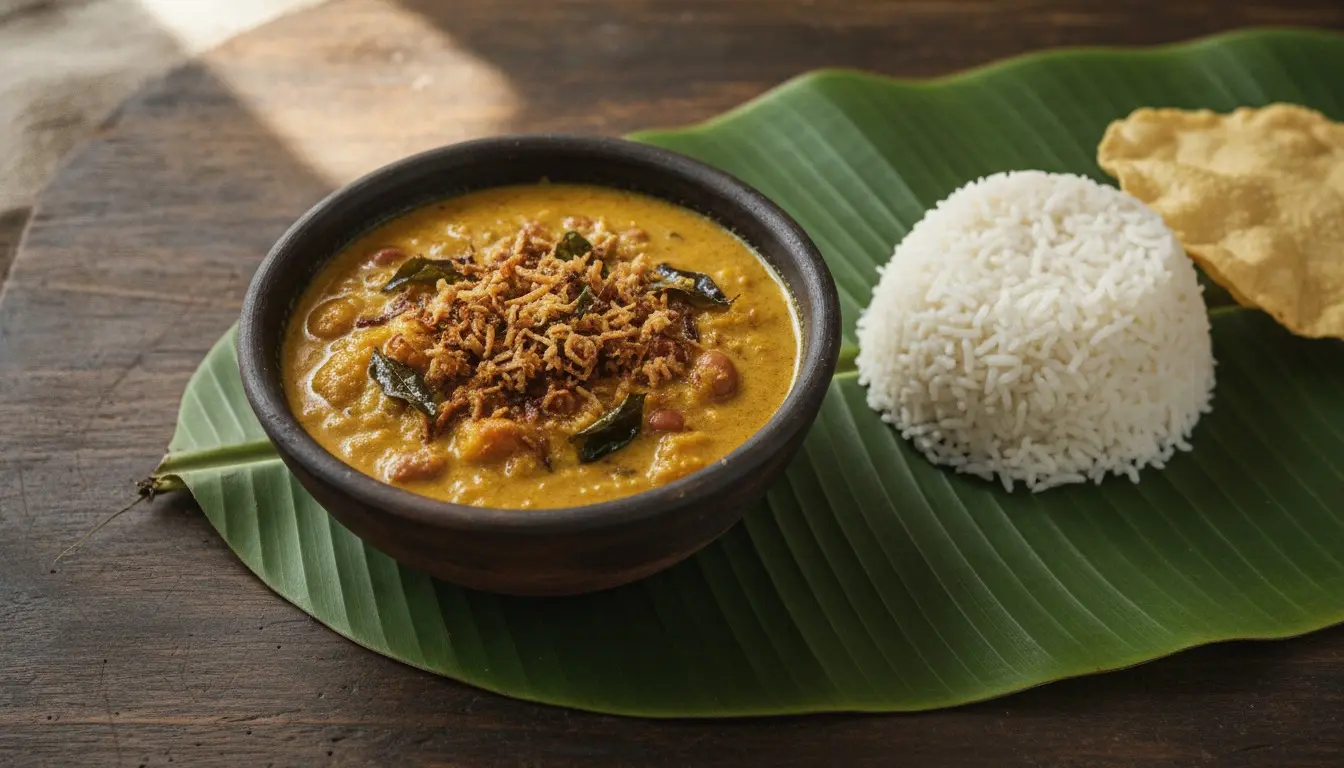
Ragi mudde, also called ragi sangati, ragi kali, or simply finger millet ball, has been the daily fuel of farmers and field workers across rural Karnataka and the Rayalaseema region of Andhra Pradesh for generations. The word mudde means ball in Kannada, and that is exactly what the dish is, a hand-rolled sphere of cooked ragi dough. It is traditionally served on a plantain leaf alongside a spicy lentil broth, mutton curry, or buttermilk. Where rice dominates much of South India, ragi mudde holds that staple place in the dry, drought-prone interior districts where finger millet thrives.
Ingredient Notes
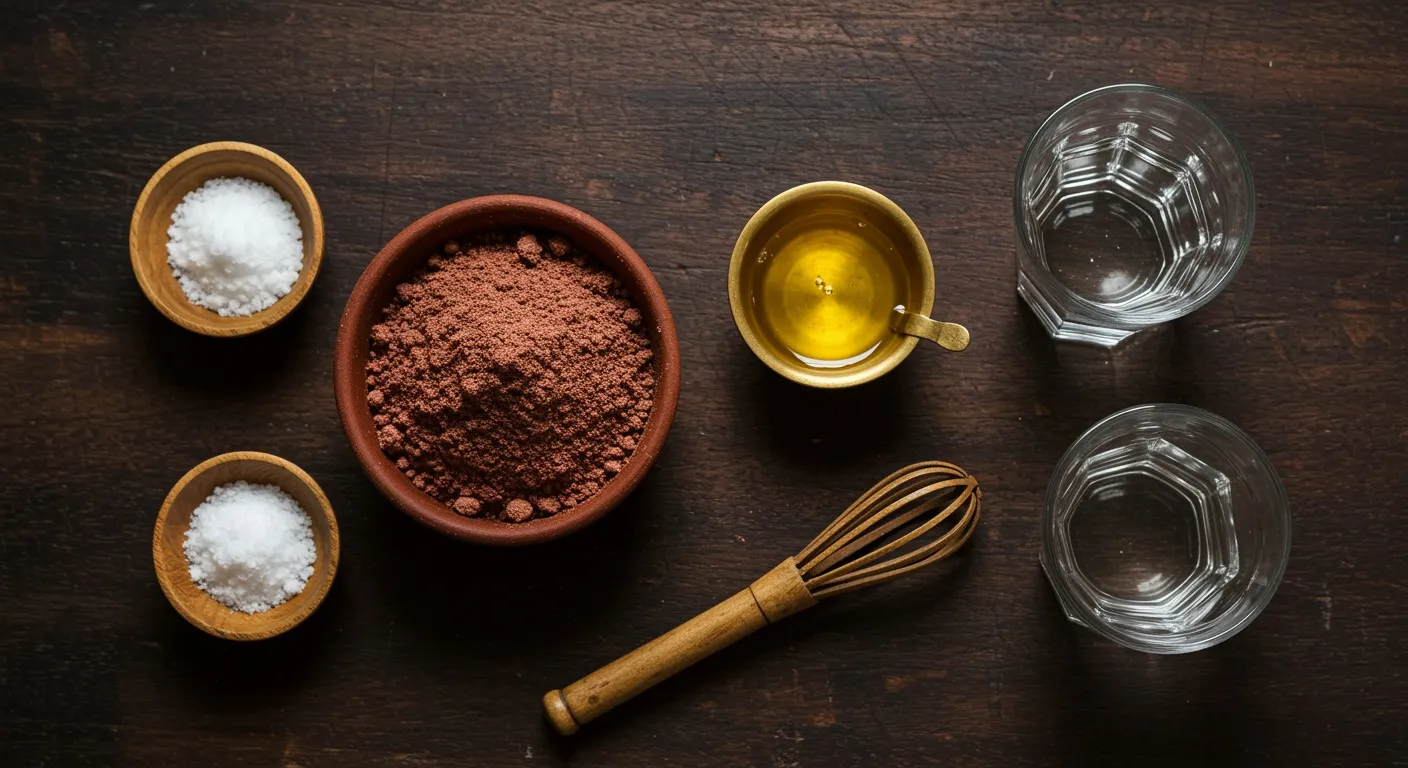
The whole recipe comes down to ragi flour, water, salt, and a small spoon of ghee for flavor and to keep the dough from sticking. Use the freshest ragi flour you can find, since older flour can taste slightly bitter and give a duller color. A heavy-bottomed pot is essential because the dough is thick and prone to scorching in thin pans. Some Andhra cooks add a spoonful of cooked rice toward the end for a softer ragi sangati texture, which is a regional twist worth trying once the basic version feels comfortable. If a fully pure mudde feels intimidating on the first try, mixing half ragi flour and half rice flour is a gentler entry point, though traditionalists prefer to keep it pure.
Method And Tips
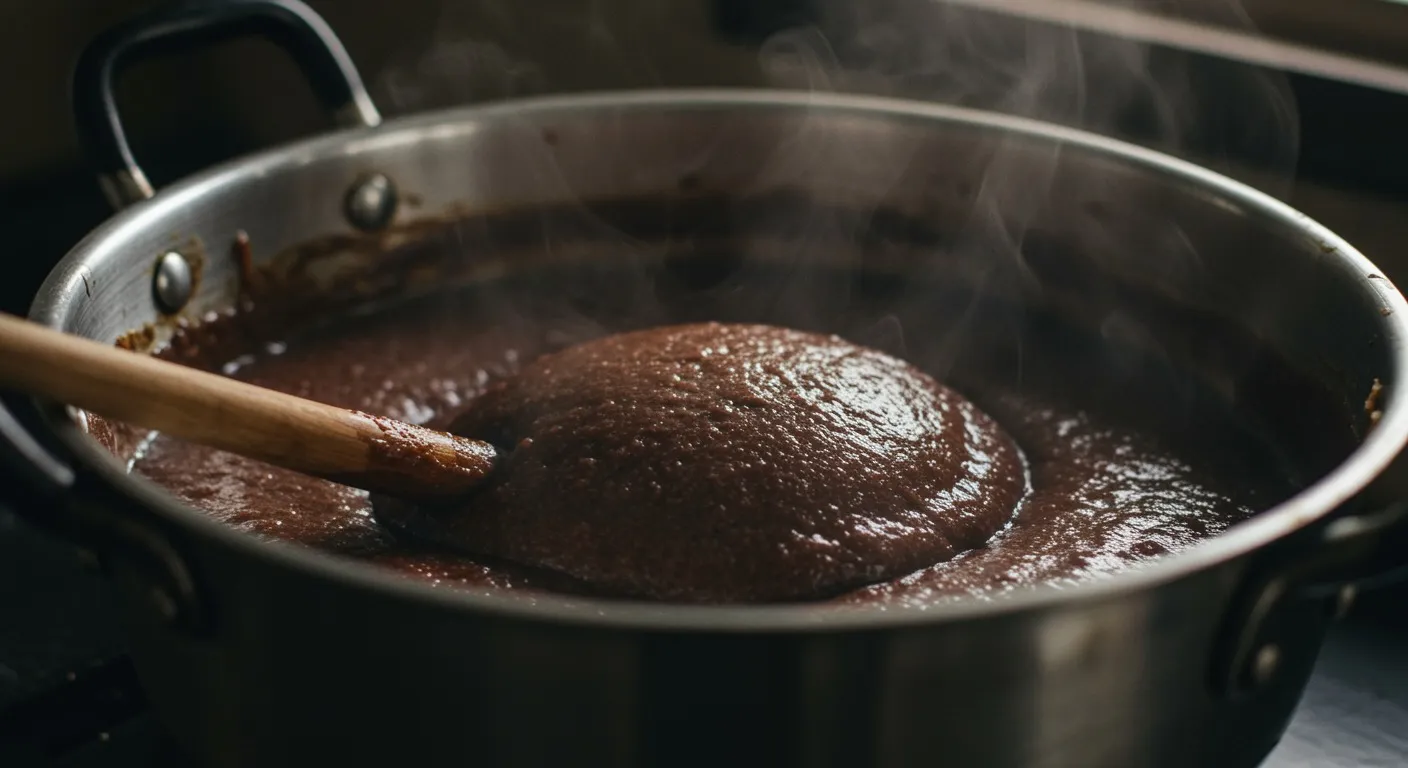
The trick is the slurry. Whisking a small amount of ragi flour with water before adding it to the boiling pot prevents the stubborn lumps that are the single biggest problem first-timers run into. Add the rest of the flour without stirring and let it steam, then attack it with a sturdy wooden stick or spatula until everything pulls together as a glossy mass. The dough is ready when it cleanly leaves the sides of the pot. Keep your hands wet or lightly greased with ghee when shaping the balls, otherwise the hot dough will stick aggressively to your fingers.
Serving Suggestions
Serve ragi mudde piping hot with a soupy saaru, bassaru, sambar, or a spicy chicken or mutton curry. The traditional way to eat it is to break off a small piece, dip it into the gravy, and swallow without chewing much, a quirk that keeps the meal feeling light on the stomach. It is one of those rare dishes that is both deeply traditional and perfectly suited to the modern interest in whole grains. Give it a try at least once, these humble brown balls are far more addictive than they have any right to be.
Recipe
Karnataka Ragi Mudde
Soft, smooth balls of cooked finger millet flour, the daily comfort meal of rural Karnataka, served hot with a soupy lentil saaru, sambar, or spicy curry.
- Prep
- 5min
- Cook
- 20min
- Total
- 25min
- Servings
- 3servings
- Calories
- 130kcal
Ingredients
- For the mudde
- 1 cup ragi flour (finger millet flour)
- 2 cups water
- 1/2 teaspoon salt
- 1 teaspoon ghee
Instructions
- 1 In a small bowl, take 1 tablespoon of the ragi flour from the 1 cup measure and whisk it with 3 tablespoons of water until completely smooth and lump-free. Set this slurry aside.
- 2 Pour the 2 cups of water into a heavy-bottomed pot. Add the salt and ghee, and bring it to a rolling boil over high heat.
- 3 Stir the slurry once more, then pour it into the boiling water. Mix well and let it return to a boil. The water will turn glossy and slightly thicken.
- 4 Reduce the heat to its lowest setting. Add the remaining ragi flour all at once, mounding it gently on top of the water. Do not stir yet.
- 5 Cover the pot and let the flour steam undisturbed on the lowest heat for 5 minutes. This is the most important step for a lump-free mudde.
- 6 Uncover the pot. Using a sturdy wooden stick or thick spatula, mix vigorously for 1 to 2 minutes, breaking any lumps and pulling the dough together into a single glossy mass.
- 7 Cover the pot again and let it cook on the lowest heat for another 3 to 5 minutes. The dough should pull cleanly away from the sides of the pot when ready.
- 8 Turn off the heat and let the dough rest, covered, for 5 more minutes so the residual steam finishes cooking it through.
- 9 Lightly grease a wide plate with a little ghee or wet it with water. Transfer the hot dough onto the plate.
- 10 Wet or grease your fingers, then divide the warm dough into 3 equal portions while it is still hot. Roll each portion into a smooth ball about the size of a tennis ball.
- 11 Serve the ragi mudde immediately while still warm, alongside a bowl of saaru, sambar, or a spicy South Indian curry.
Notes
- Do not stir the moment the flour goes into the water. Steaming first, then mixing, is the secret to a lump-free mudde.
- Use the freshest ragi flour you can find. Older flour can taste slightly bitter and gives a duller color.
- If the dough feels sticky, it is either too wet or undercooked. Cover and cook another 2 to 3 minutes on the lowest heat.
- Traditionally, ragi mudde is not chewed. A small piece is broken off, dipped in gravy, and swallowed whole, a digestion-friendly habit that is part of the charm.
- For a softer Andhra-style ragi sangati, stir in 2 to 3 tablespoons of cooked rice along with the second addition of flour.