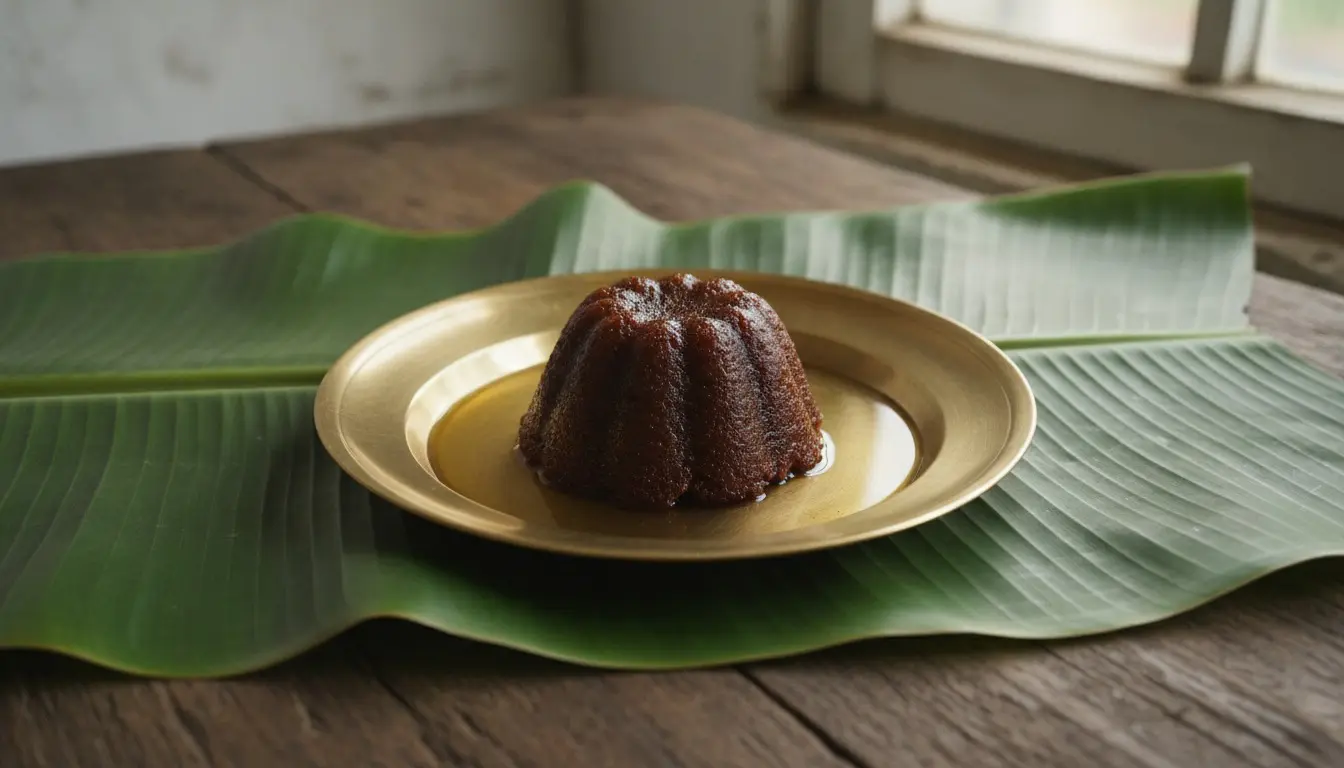
Authentic Nannari Sarbath Recipe (South Indian Sarsaparilla Cooler)
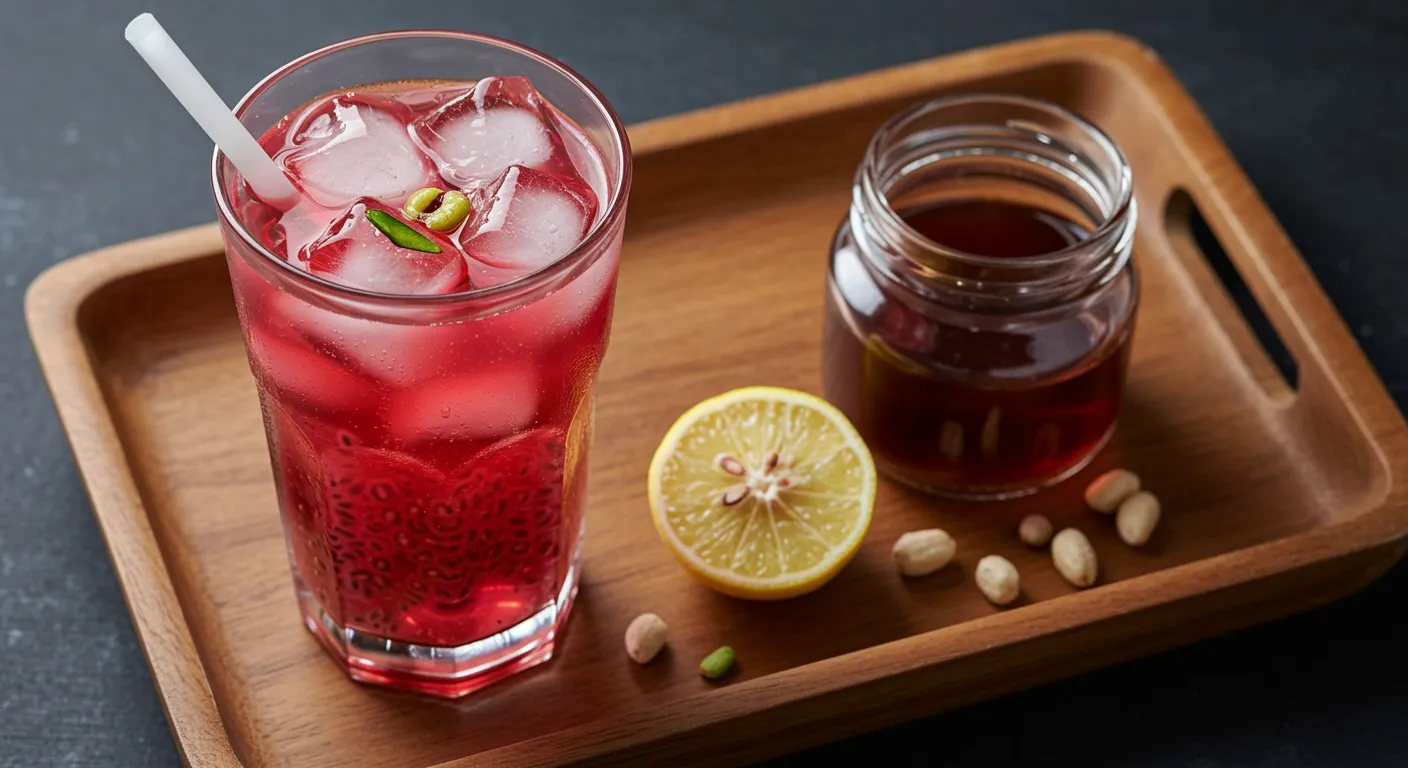
Nannari sarbath is having a moment online, with home cooks rediscovering this old-school Tamil summer cooler through viral Instagram reels and Pinterest pins. The drink starts with nannari, the dried root of Indian sarsaparilla (Hemidesmus indicus), simmered into a deep ruby syrup that mixes with lemon and chilled water into the most refreshing thing you can drink when the weather turns hot. It tastes mildly sweet with a faint vanilla and root-beer note and a clean herbal finish, and it is famously cooling for the body. Once the syrup is bottled, a glass takes about thirty seconds to put together. This recipe walks through how to extract a clean, deeply flavored syrup from raw nannari root and exactly how to serve the drink at home.
About This Dish
Nannari has been used in South Indian and Ayurvedic kitchens for centuries, valued as a body coolant and gentle blood purifier during hot months. The roots are most strongly associated with Tamil Nadu, where roadside sarbath kadais (sharbat stalls) sell tall glasses of the chilled drink to thirsty passersby all summer long. Kerala and parts of coastal Karnataka have their own variations, sometimes layered with milk, ginger, or rose syrup. The earliest references treat nannari as an Ayurvedic medicinal herb under the names sariva and anantamool. Today the syrup has crossed firmly into the home kitchen, where bottling a batch in advance has become a popular spring ritual.
Ingredient Notes
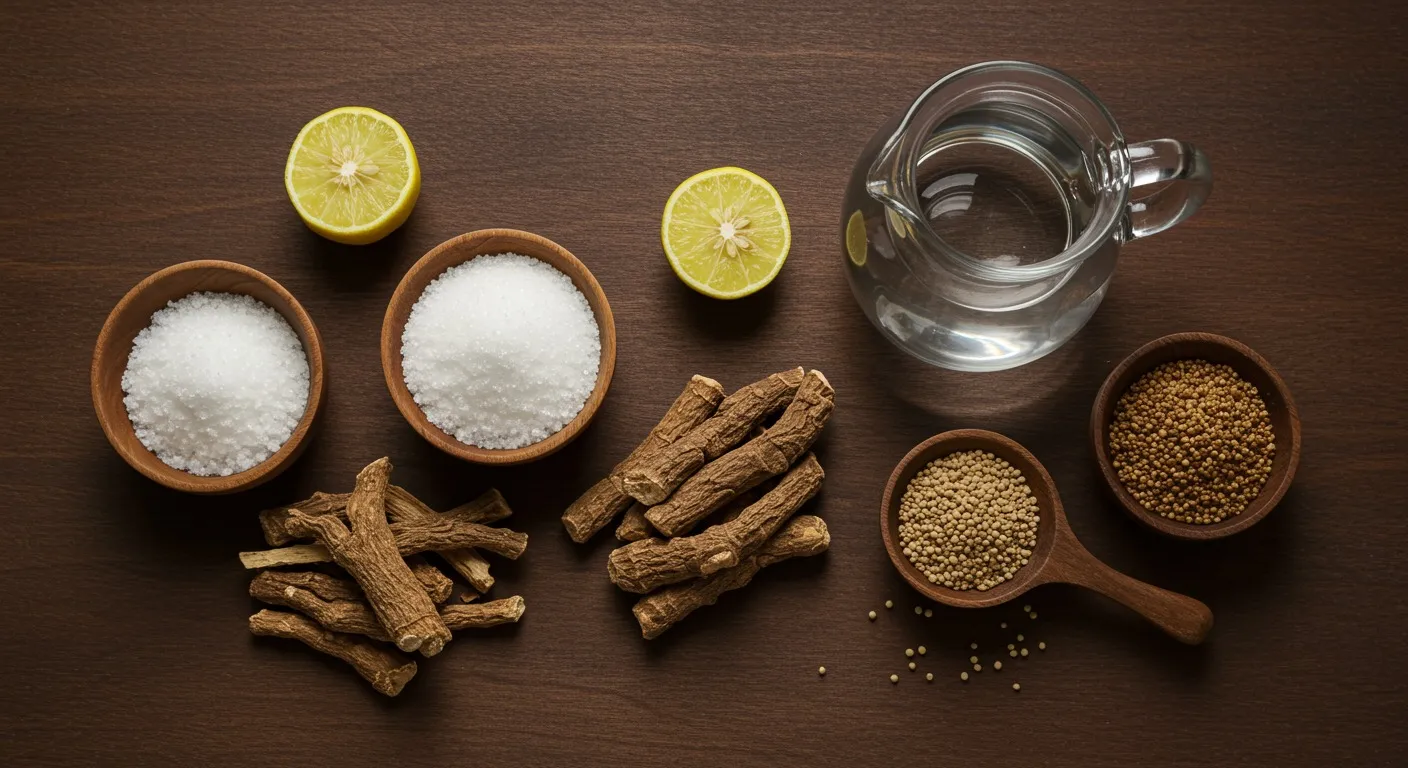
The single biggest factor in good nannari sarbath is the quality of the root. Hunt for nannari roots at South Indian or Tamil grocery stores; well-stocked shops sometimes carry pre-cleaned roots that save the hammering step. The dried bark is the part you want, since the woody white stick running through the center is fibrous and bitter and gets discarded. Sugar is traditional and gives the syrup its body, though it can be reduced by up to a quarter cup if a less sweet drink is preferred. A small amount of lemon juice stirred in at the end keeps the syrup from crystallizing in the fridge and lengthens its shelf life. For serving, sabja or sweet basil seeds are optional but classic; they swell into translucent jellied dots and add a gentle textural pop and an extra cooling effect.
Method And Tips
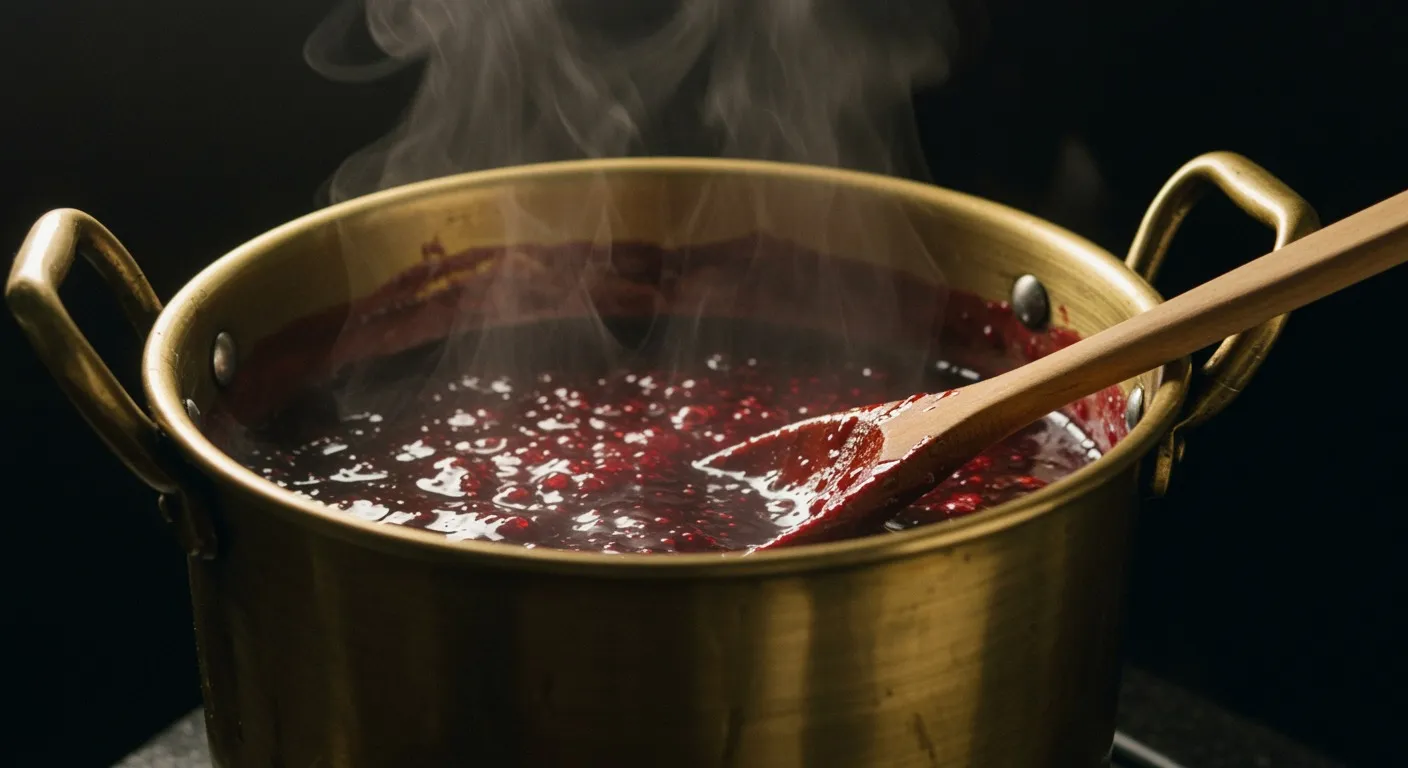
The technique is simple but built around two distinct phases: extract first, then reduce. Soaking the crushed roots in water for at least three hours pulls out the color and aroma, and an overnight soak in the refrigerator gives a noticeably deeper, rounder flavor. After straining, the sweetened liquid needs to come down to a half-string consistency, which is the marker that the syrup will be thick enough to hold flavor when diluted. Cook over steady medium heat and avoid letting the sugar caramelize, since that can turn the syrup bitter and dull the floral notes. If the finished syrup feels too thick after cooling, thin it with a splash of warm water; if too thin, return it to a low flame for a few more minutes. Always cool the syrup fully before bottling, and store it in a clean glass jar so it stays fresh for the full month.
Serving Suggestions
Pour the finished sarbath into tall glasses, drop in ice cubes and a tablespoon of soaked sabja seeds, and serve cold alongside anything from a midday snack to a full South Indian meal. It pairs especially well with spicy summer fare like meen kuzhambu, curd rice, or a plate of crispy dosas. Bottle a batch on a quiet afternoon and the cooler will be ready every time the heat picks up.
Recipe
Nannari Sarbath
A traditional Tamil summer cooler made by simmering dried nannari (Indian sarsaparilla) root into a ruby-pink syrup, then mixing the syrup with lemon and chilled water. Mildly sweet, herbal, and famously cooling.
- Prep
- 15min
- Cook
- 30min
- Total
- 45min
- Servings
- 8servings
- Calories
- 120kcal
Ingredients
- For the nannari syrup
- 1 cup dried nannari roots (about 100 g)
- 4 cups water
- 2 cups sugar
- 2 tbsp fresh lemon juice
- For each serving
- 3 tbsp nannari syrup
- 1 cup chilled water
- 1/2 tbsp fresh lemon juice (about 1/2 lemon)
- 1 tbsp soaked sabja (sweet basil) seeds, optional
- as needed ice cubes
Instructions
- 1 Place the dried nannari roots on a sturdy board and tap them gently with a small hammer or pestle to crack them open. Pull out and discard the woody white inner stick from the center of each root, keeping only the dark, fragrant bark.
- 2 Rinse the bark thoroughly under running water two or three times to wash away clay and grit. Drain well.
- 3 Pulse the cleaned bark in a mixer or spice grinder until you have a coarse powder. Transfer to a deep bowl.
- 4 Pour 4 cups of water over the powder, stir, cover, and let it soak for at least 3 hours at room temperature, or refrigerate overnight for the deepest flavor extraction.
- 5 Tip the soaked mixture into a heavy-bottomed pot and bring to a boil over medium heat. Simmer for 10 to 15 minutes, until the liquid is deeply fragrant and stained a rich ruby color.
- 6 Strain the liquid through a fine-mesh sieve lined with a double layer of muslin or cheesecloth, pressing firmly with the back of a spoon to extract every drop. Discard the spent root pulp.
- 7 Return the strained liquid to a clean pot and stir in 2 cups of sugar. Bring back to a gentle boil and cook for 15 to 20 minutes, stirring occasionally, until the syrup reaches a half-string consistency (a drop pinched between your thumb and forefinger forms a single thin thread when pulled apart).
- 8 Turn off the heat and cool the syrup completely. Once cool, stir in 2 tablespoons of fresh lemon juice; this prevents crystallization and extends shelf life.
- 9 Pour the cooled syrup into a clean, dry glass bottle and refrigerate. It keeps well for about one month.
- 10 To serve, spoon 3 tablespoons of nannari syrup into a tall glass. Pour in 1 cup of chilled water and the juice of half a lemon, then stir well to combine.
- 11 Drop in a tablespoon of soaked sabja seeds if using, top with ice cubes, and serve immediately.
Notes
- Look for nannari roots at South Indian or Tamil grocery stores; they are sometimes labeled as Indian sarsaparilla or Hemidesmus indicus.
- To soak sabja seeds, stir 1 teaspoon of seeds into a small bowl of water and let them sit for about 10 minutes until they swell into translucent jellied dots.
- The half-string test is the most reliable way to check syrup readiness: dip a clean spoon, let a drop cool for a few seconds, then touch it between your thumb and forefinger. A single thin thread on slow pull means it is ready.
- Sparkling water or club soda can replace still water for a fizzy version.
- If the finished syrup feels too thick after cooling, thin it with a splash of warm water; if it is too thin, return it to a low flame for a few more minutes.