Methi Seed Soak Water for Mild Heartburn and Occasional Acidity
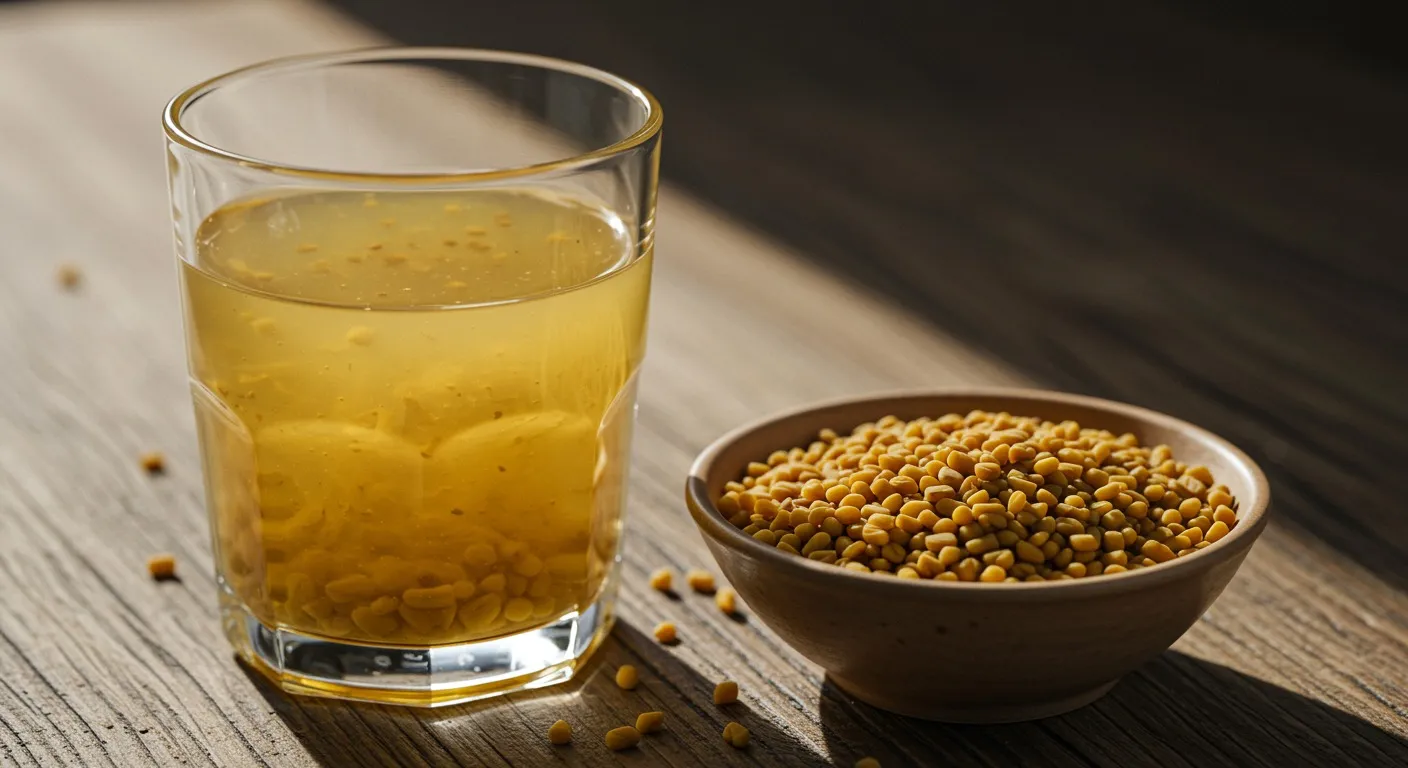
That hot, sour rising-up feeling after a late dinner of biryani or a generous helping of fried snacks is something most of us have felt at one time or another. Mild heartburn and occasional acidity are among the most common digestive complaints, and they tend to flare in summer, after travel, or after a stretch of richer meals. Long before antacid tablets sat in every medicine cabinet, Indian kitchens reached for a humble seed already in the spice drawer: methi, or fenugreek. A single teaspoon, soaked overnight in a cup of water, produces a soothing morning drink that has been quietly handed down for generations.
The Ayurvedic Perspective
Ayurveda calls fenugreek methika, and the Bhavaprakasha Nighantu and Charaka Samhita both describe it as a bitter, pungent, warming seed that supports digestion while its inherently slimy quality coats and calms irritated tissues. Classical Ayurvedic thinking frames mild heartburn as amlapitta, an upward-flowing aggravation of Pitta that scorches the upper digestive channel. The cold-soaked methi water is meant to do two things at once: pacify the heat and acidity of disturbed Pitta, and gently move stagnant Kapha and Vata so digestion resumes its normal downward flow. Household traditions across South India, Gujarat, and the Konkan coast all converge on this same overnight soak, suggesting just how reliable the practice has been across regions and centuries.
What Modern Biology Says
Modern biology gives a satisfying explanation for what Ayurveda observed. Fenugreek seeds are extraordinarily rich in soluble fiber, especially galactomannans, which hydrate slowly in cool water to form a thick mucilaginous gel. That gel physically coats and buffers the esophageal and gastric lining against acid contact. A small pilot trial of about 45 adults with frequent heartburn, published by DiSilvestro and colleagues in Phytotherapy Research in 2011, reported that a standardized fenugreek fiber preparation taken before meals reduced heartburn severity and the use of rescue antacids over two weeks; the effect was significantly greater than placebo and broadly similar to that of ranitidine, an H2 blocker commonly used for reflux. Fenugreek as a whole has reasonable human evidence for modest blood-sugar lowering effects, while individual compounds such as diosgenin and 4-hydroxyisoleucine are mostly characterized in animal and mechanistic research. It should be said honestly that the heartburn-specific evidence in humans is still preliminary and rests on a few small trials.
How And When To Use It
Reach for methi water when heartburn is mild and occasional, the kind that follows a heavy or late meal. The classic timing is first thing in the morning on an empty stomach, with the strained water sipped slowly over a couple of minutes. A single dose is enough; some people repeat it for 5 to 7 days during a flare and then stop. You can also take it as a one-off after a meal that you know will trouble you. Expect a faintly bitter, almost maple-like taste and a noticeably soft, settled feeling in the upper stomach within an hour or two.
Cautions And A Note On Medical Care
A few cautions matter. Fenugreek can lower blood sugar, so anyone on diabetes medication should be careful with daily use. It has mild blood-thinning activity and should be avoided alongside warfarin without medical guidance. It is also best avoided during pregnancy or while trying to conceive. If heartburn persists beyond a week, recurs more than twice a week, or comes with chest pain, difficulty swallowing, vomiting, or weight loss, please see a doctor; persistent reflux can damage the esophagus and deserves proper evaluation. This is traditional wisdom and not a substitute for medical care, but on a sticky summer morning after a too-rich dinner, a glass of methi water is a quiet, time-tested place to begin.
Recipe
Methi Seed Soak Water
A simple overnight cold soak of fenugreek seeds in water yields a soothing morning drink traditionally used in Ayurveda to ease mild heartburn and after-meal acidity.
- Prep
- 2min
- Cook
- 0min
- Total
- 480min
- Servings
- 1doses
Ingredients
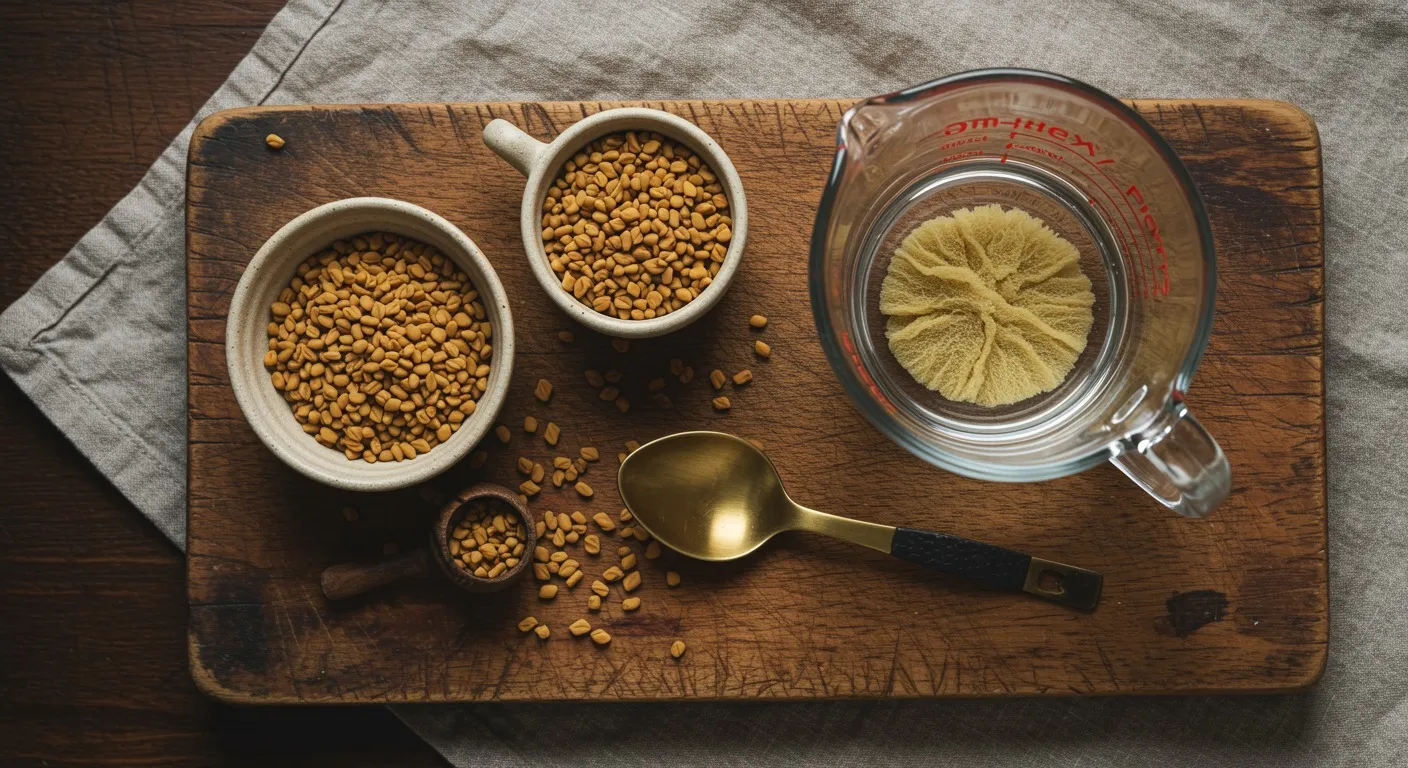
- 1 tsp fenugreek seeds (methi)
- 1 cup filtered water, room temperature
Instructions
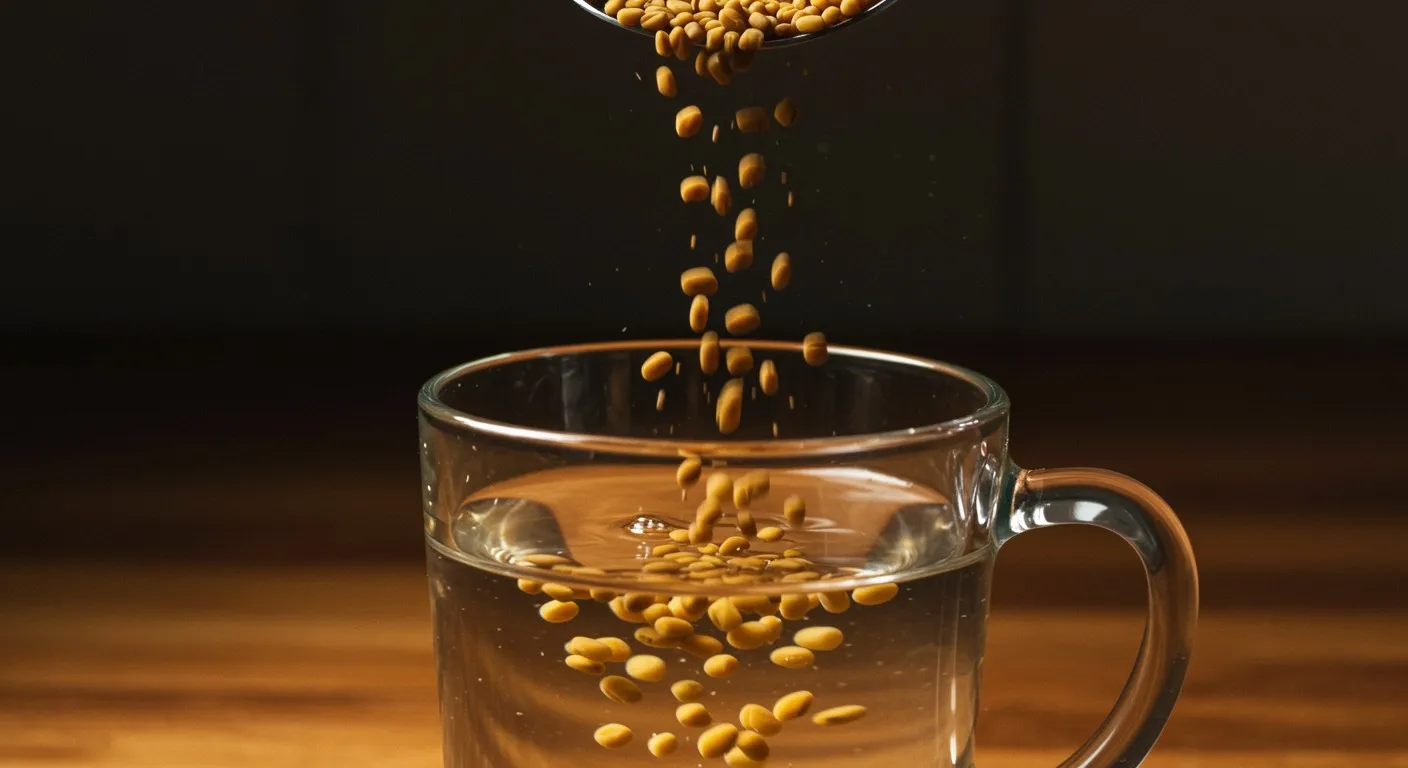
- 1 Rinse 1 teaspoon of whole fenugreek seeds under running water and place them in a clean glass or ceramic cup.
- 2 Pour 1 cup of room temperature filtered water over the seeds, cover loosely with a small plate, and leave on the counter overnight for at least 8 hours so the seeds soften and release their soothing mucilage.
- 3 In the morning, strain the now slightly thickened, pale yellow water into a glass and drink it on an empty stomach.
- 4 If the bitterness is comfortable, chew the softened seeds as well; otherwise discard them. Use once daily for up to 5 to 7 days when heartburn flares, or take a single dose after a heavy meal that has triggered acidity.
Notes
- Fenugreek can lower blood sugar, so people taking diabetes medications should monitor closely or avoid daily use to prevent hypoglycemia.
- It has mild blood-thinning activity; avoid if you are on warfarin or other anticoagulants without checking with your doctor.
- Avoid during pregnancy or if trying to conceive, as fenugreek can stimulate uterine activity.
- Consult your doctor if heartburn persists beyond 7 days, occurs more than twice a week, or is accompanied by chest pain, difficulty swallowing, vomiting, or weight loss.
- This is traditional wisdom and not a substitute for medical care.