Authentic Andhra Mamidikaya Pappu (Mango Dal) Recipe
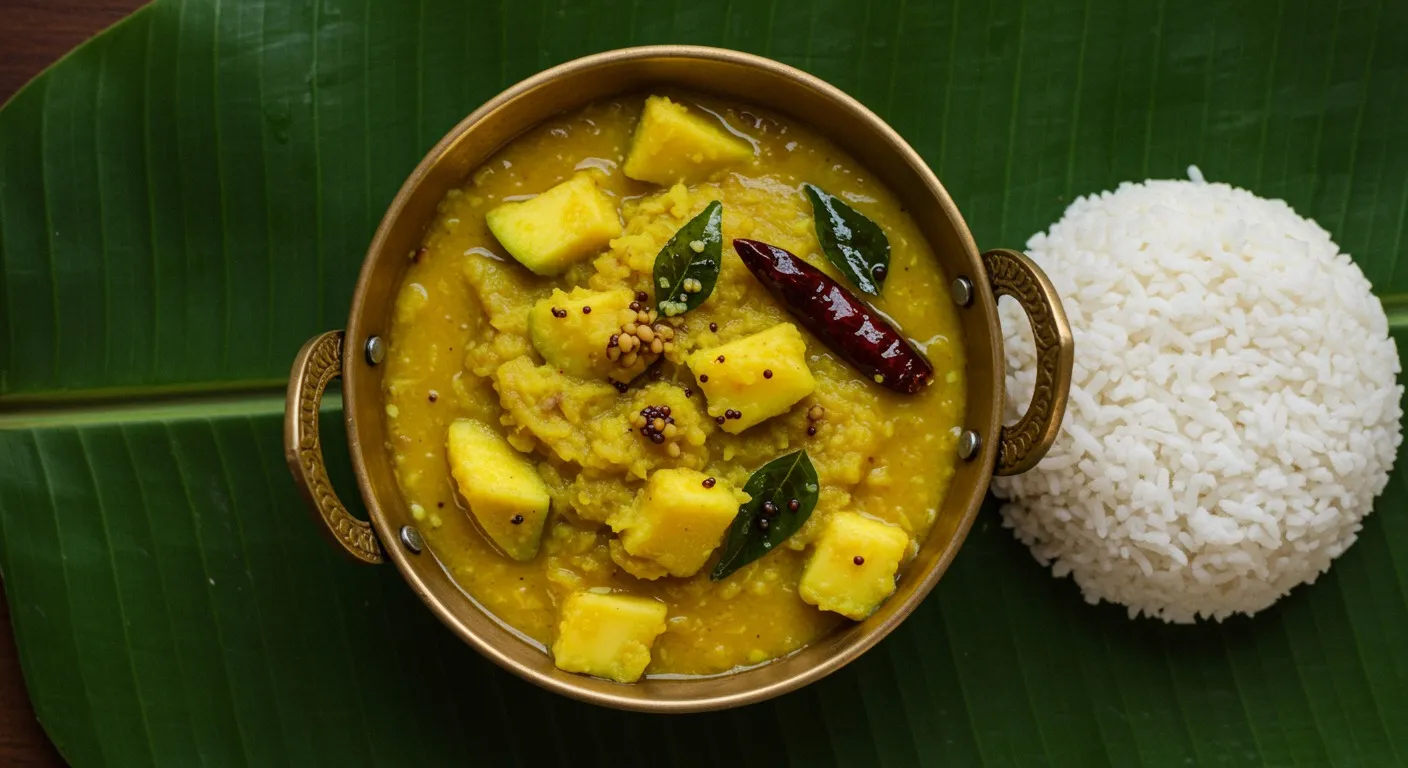
Mamidikaya pappu is the dal that signals summer in every Andhra and Telangana home. The moment raw green mangoes start showing up at the market, this tangy, garlicky dal goes on the stove, and rice plates everywhere get a little brighter. It is having a real moment online, with food creators across Instagram and Pinterest leaning into regional mango dishes whenever raw mango season comes around. What makes it special is how little effort it takes for how much flavor you get: pressure cook the dal with mango, finish with a hot ghee tadka, and you have the kind of comforting meal that tastes like a grandmother made it.
About This Dish
The roots of mamidikaya pappu run deep through Andhra Pradesh and Telangana, where mango trees line backyards and village paths. Mamidikaya means raw mango in Telugu and pappu means dal, so the name simply describes the dish. It belongs to the wider South Indian tradition of cooking with souring agents, alongside tamarind, kokum, and lemon, where mango stands in as the seasonal souring star. Generations of families have looked forward to the first weeks of mango season specifically because it means pots of pappu, stacks of fresh rice, and ghee melting on top.
Ingredient Notes
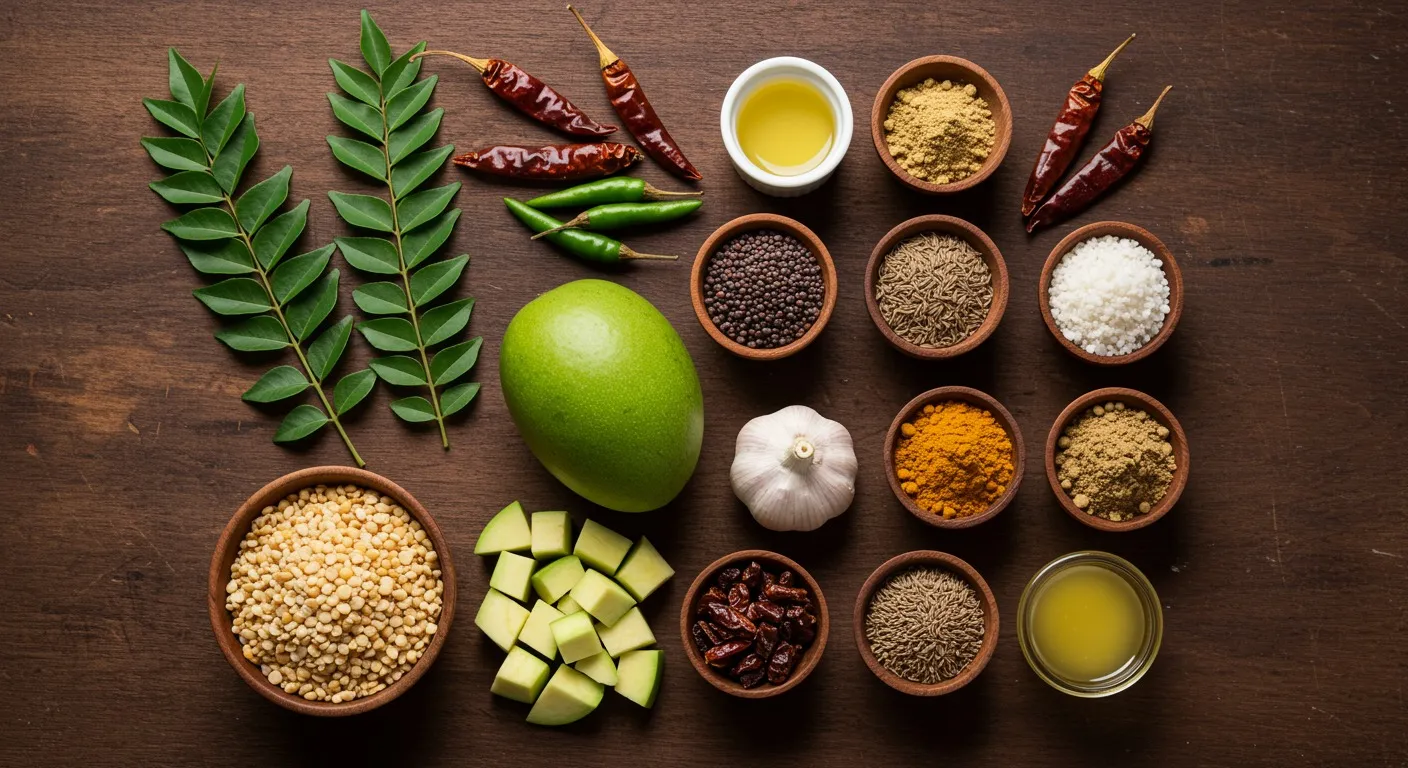
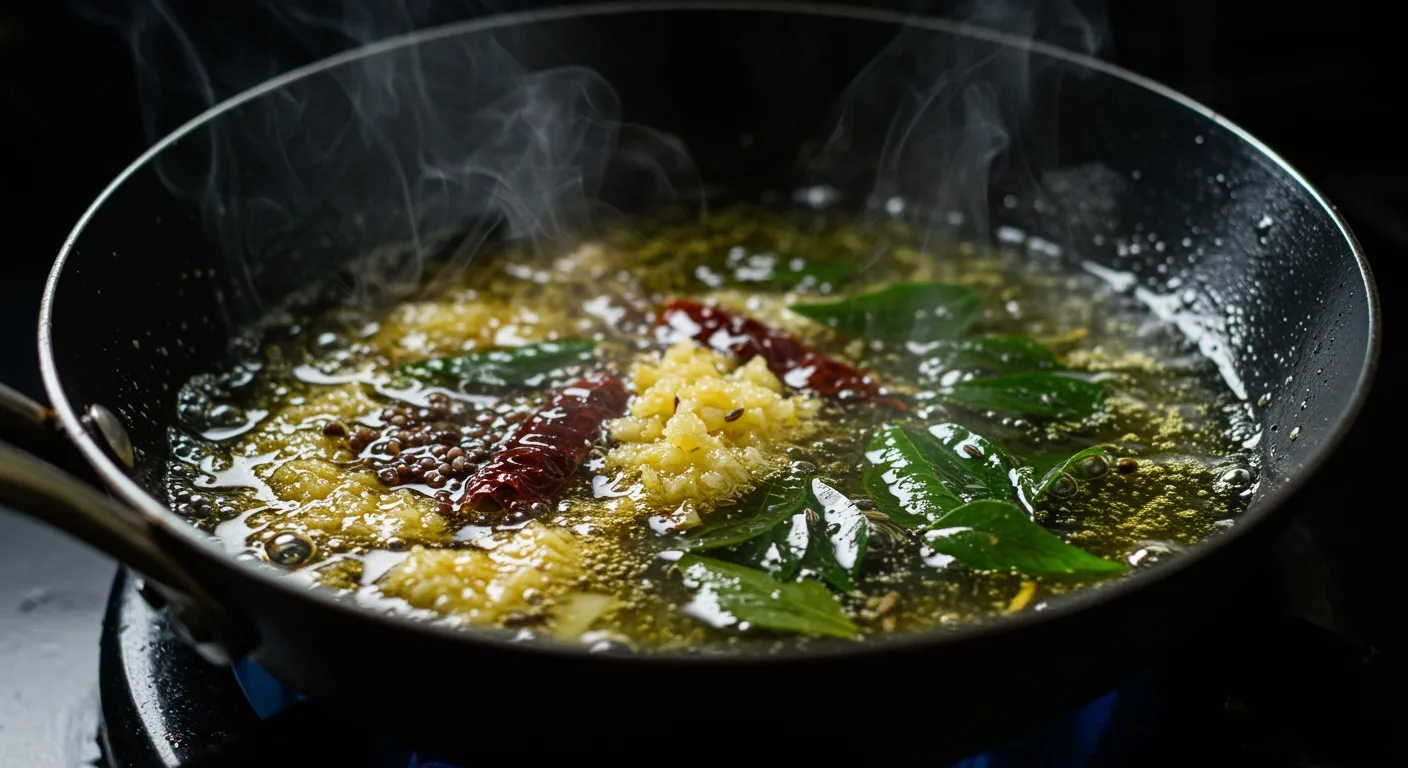
The ingredient list is short and forgiving. Toor dal, also called arhar or split pigeon peas, is the traditional choice because it cooks into a soft, almost creamy base that holds the mango’s tang well. The most important ingredient is the mango itself: it must be a firm, very sour raw green mango, not a half-ripe one. The tempering, made of ghee, mustard seeds, cumin, dried red chilies, garlic, and curry leaves, is what turns a simple boiled dal into something memorable. If you cannot find fresh curry leaves, dried ones still add aroma, but skip none of the garlic, which is non-negotiable in the Andhra version.
Method And Tips
The technique is simple, but a few details make a real difference. Cook the mango together with the dal so the flesh breaks down into the broth instead of staying in chunks; this is what gives the dal its even, tangy taste throughout. Mash the dal lightly after cooking, just enough to blend the mango in but not so much that you lose all texture. Pour the hot ghee tempering over the dal at the very end, then cover the pot for a couple of minutes so the aromatic oils infuse the dal rather than evaporating. Two tips worth remembering: do not over-brown the garlic in the tempering, since burnt garlic will turn the whole dal bitter, and always salt the dal after pressure cooking, never before, so the lentils cook through evenly.
Serving Suggestions
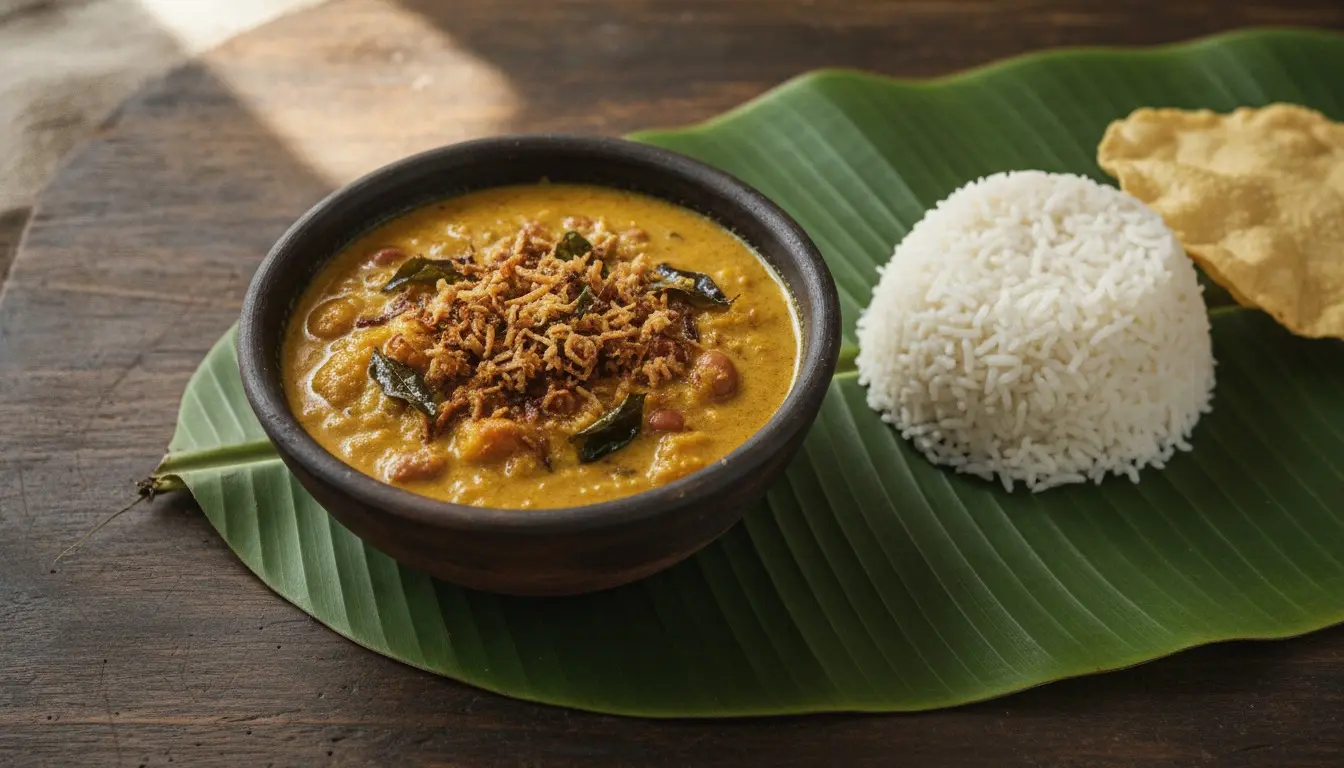
Serve mamidikaya pappu the classic way: a generous ladle over hot steamed rice with a small pat of ghee melting on top, a dry vegetable poriyal on the side, and a crispy papad. It also pairs beautifully with hot phulkas if you would rather skip the rice. Try it once this mango season and you will understand why generations of South Indian families count the days until the first sour mangoes show up at the market.
Recipe
Andhra Mamidikaya Pappu (Mango Dal)
A traditional Andhra-style dal where raw green mango is pressure cooked with toor dal and finished with a fragrant ghee tempering. Tangy, garlicky, and deeply comforting over hot steamed rice.
- Prep
- 10min
- Cook
- 25min
- Total
- 35min
- Servings
- 4servings
- Calories
- 240kcal
Ingredients
- For the dal
- 3/4 cup toor dal (split pigeon peas)
- 1 cup raw green mango, peeled and cubed
- 1/4 tsp turmeric powder
- 2 green chilies, slit
- 2.5 cups water
- 3/4 tsp salt
- For the tempering
- 2 tbsp ghee
- 1/2 tsp mustard seeds
- 1/2 tsp cumin seeds
- 2 dried red chilies, broken
- 4 garlic cloves, crushed
- 1 pinch asafoetida (hing)
- 1 sprig curry leaves
- To finish
- 2 tbsp fresh coriander leaves, chopped
Instructions
- 1 Rinse the toor dal in 2 to 3 changes of water until the water runs mostly clear, then drain.
- 2 Add the rinsed dal, cubed raw mango, turmeric powder, slit green chilies, and 2.5 cups of water to a pressure cooker.
- 3 Pressure cook on medium heat for 4 whistles, then turn off the heat and let the pressure release naturally.
- 4 Open the cooker and lightly mash the dal with the back of a ladle so the mango breaks down and blends into the dal. Stir in the salt and add a splash of hot water if the dal looks too thick. The consistency should be like a thick soup, not paste.
- 5 Heat the ghee in a small tempering pan or kadai over medium heat until it shimmers.
- 6 Add the mustard seeds and let them crackle, about 15 seconds.
- 7 Add the cumin seeds and broken dried red chilies and let them sizzle for a few seconds, until the cumin darkens slightly.
- 8 Add the crushed garlic and fry for about 30 seconds, just until the raw smell goes away and the garlic turns pale gold. Do not let it brown deeply.
- 9 Turn the heat to low, add the asafoetida and curry leaves, and stand back as the curry leaves crackle.
- 10 Immediately pour the entire tempering, ghee and all, over the cooked dal. Stir to combine and cover the pot for 2 minutes so the aromas infuse the dal.
- 11 Garnish with chopped coriander and serve hot with steamed rice and a drizzle of ghee, alongside a poriyal or papad.
Notes
- Pick a firm, sour raw mango. Sweet or barely-tart mangoes will not give the dal its signature tangy flavor.
- For an onion variation common in some Andhra households, sauté 1/2 cup chopped onion in the ghee after the garlic and before the curry leaves until translucent, then continue.
- If your mango is extremely sour, reduce to 3/4 cup of mango or add a tiny pinch of jaggery while mashing the dal to balance.
- Leftovers thicken in the fridge. Reheat with a splash of water and a fresh tempering of ghee and curry leaves to revive the flavors.
- Toor dal cooks faster if soaked in hot water for 15 minutes before pressure cooking. This is helpful if your dal is older.