Authentic Panakam Recipe (South Indian Ram Navami Jaggery Cooler)
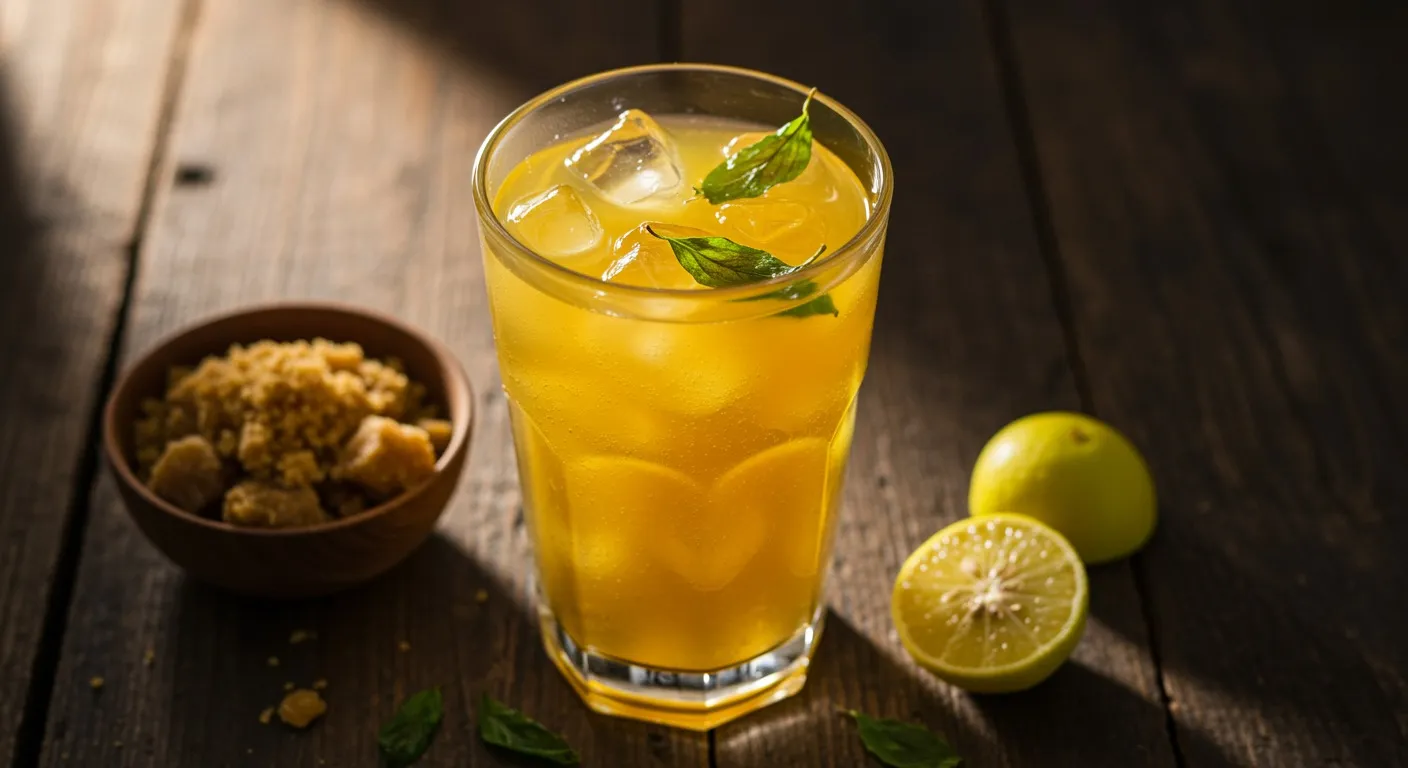
Panakam, also called panagam in Tamil and panaka in Kannada, is having a real moment on wellness Instagram and Pinterest, where creators are positioning it as a traditional, sugar-free answer to store-bought electrolyte drinks. It is a one-bowl, no-cook cooler made by dissolving jaggery in water and finishing it with lemon, dry ginger, cardamom, and a few tulsi leaves. The drink is amber-gold, lightly sweet, gently spiced, and so refreshing that one glass on a hot afternoon can genuinely shift how you feel. What makes it special is how much character it pulls from how little: there is no boiling, no straining of milk, no fancy equipment, just good jaggery and a handful of pantry spices. If you have only ever encountered nimbu pani as a summer cooler, panakam will feel like a richer, more grown-up cousin.
About This Dish
The drink has deep roots in South Indian temple tradition, where it is the cooling prasadam offered to Lord Rama on Sri Rama Navami, which falls during the peak of summer. Pairing jaggery (for energy), lemon (for vitamin C and sodium balance), dry ginger (for digestion), and pepper (for warmth) was the old way of preparing the body for the heat to come. Devotees receive panakam alongside vadapappu, a soaked moong dal salad, and the two together act as both offering and meal. Outside of festival days, the same drink quietly shows up in many South Indian households as the go-to refresher when the afternoon sun becomes too much.
Ingredient Notes
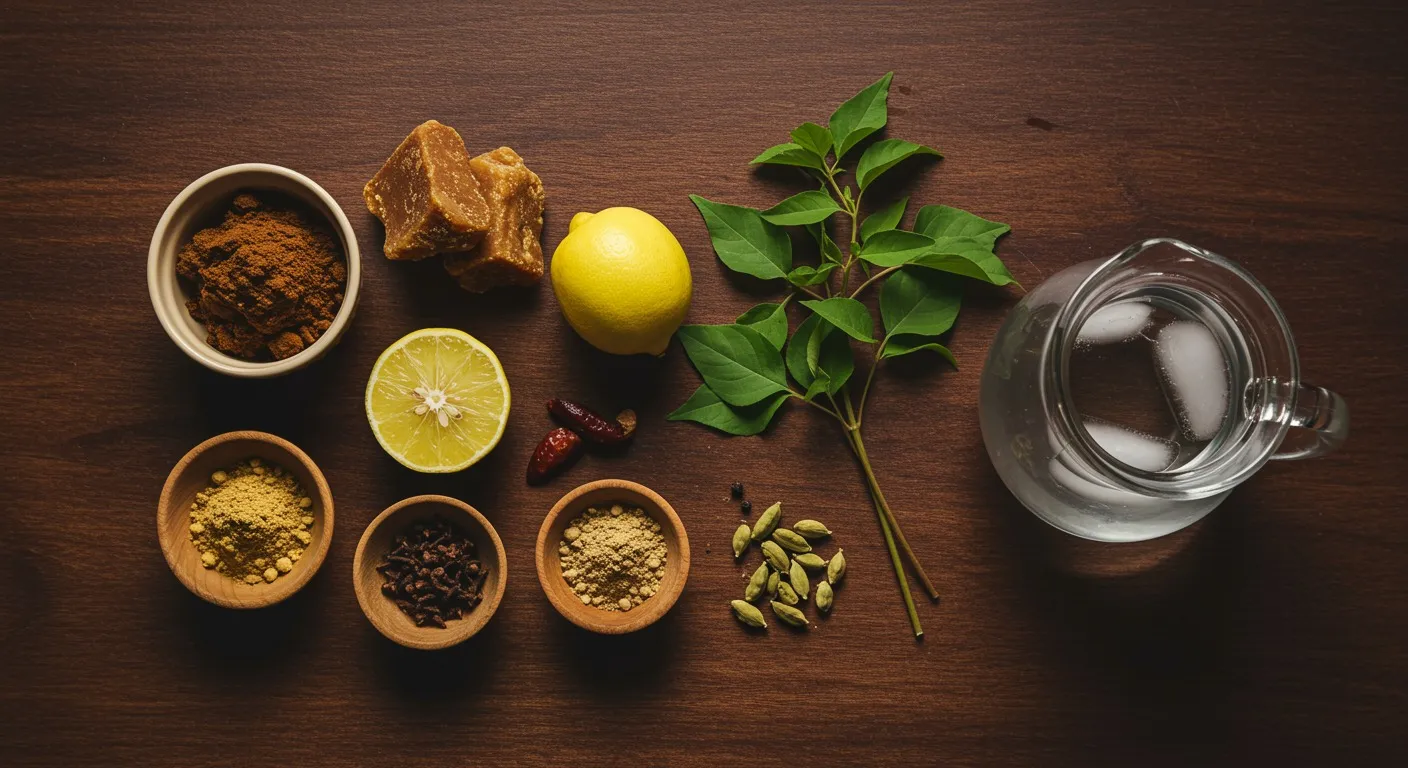
The single most important ingredient is the jaggery itself: look for the darkest, most aromatic jaggery you can find, since pale or candy-like jaggery will give you sweet water rather than panakam. Tamil Nadu naatu vellam and Karnataka achu bella both work beautifully, and powdered or grated jaggery dissolves faster than block. Edible camphor, called pacha karpooram, is the one ingredient that turns a good panakam into a temple-style one; a single pinch perfumes the entire batch. If you cannot find it, the drink is still excellent without it. Dry ginger powder (sukku or sonth) is preferable to fresh ginger for the clean, slightly woody warmth it brings, but a teaspoon of fresh ginger juice will work in a pinch. Tulsi leaves are optional but traditional, and they add a subtle herbal note that is hard to replicate.
Method And Tips
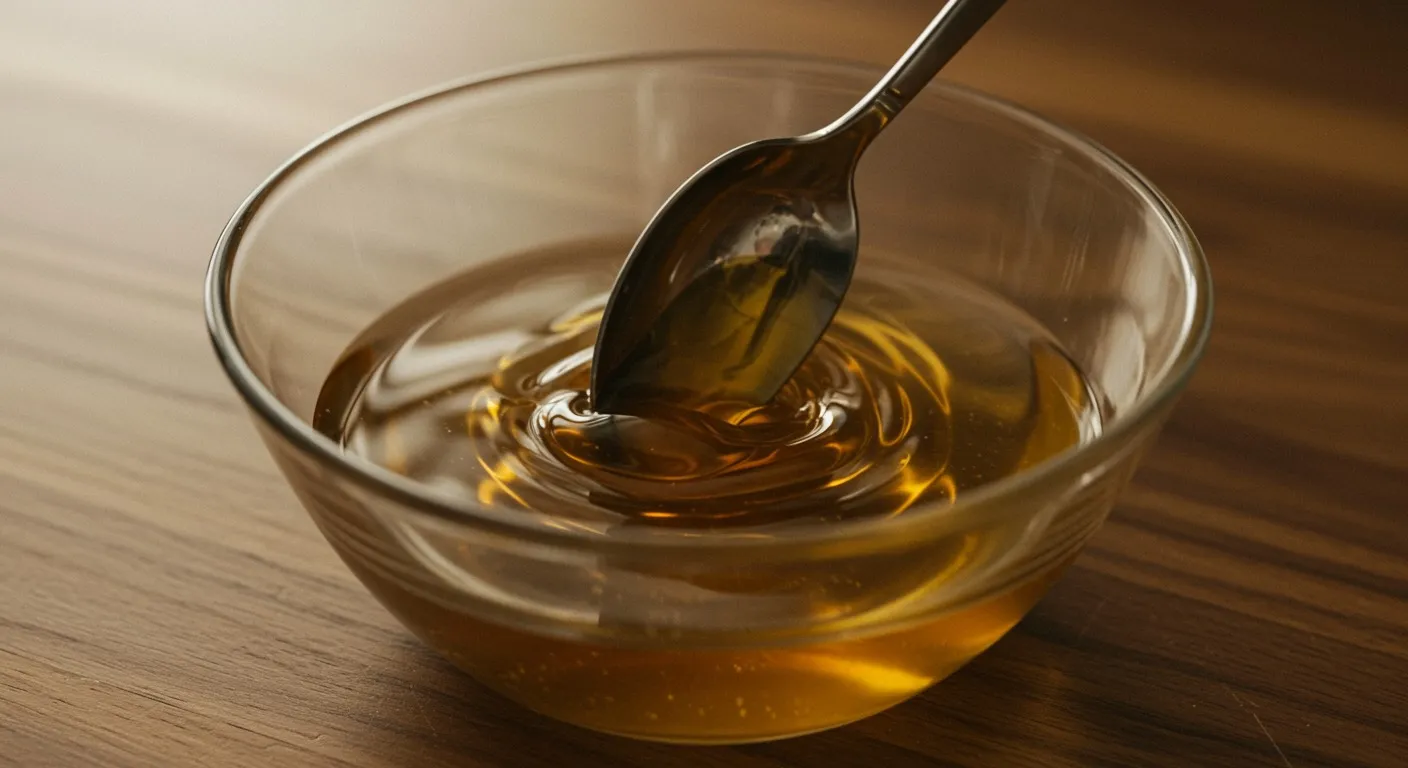
The technique is almost embarrassingly simple, but two small things make the difference between a forgettable drink and a memorable one. First, give the jaggery time to dissolve on its own rather than forcing it; 15 to 20 minutes of soaking lets the sweetness round out and the impurities settle. Second, always strain the jaggery water through a fine mesh sieve before adding any other ingredient, because traditional jaggery almost always carries grit. Add the lemon last, only after the strained jaggery water has been seasoned with the spices, so its brightness stays intact. Taste before serving and adjust: jaggery varies in sweetness, lemons vary in tartness, and the right balance is when the drink tastes sweet, sour, and lightly salty all at once.
Serving Suggestions
Serve panakam thoroughly chilled, either straight from the fridge or poured over ice, alongside spicy snacks like masala vadai, mirchi bajji, or even a plate of hot pakoras. It is the perfect midday cooler after a long walk, after a workout, or after any meal that has left you feeling overheated. Make a batch the next time the temperature climbs and notice how a single glass quietly resets the afternoon. Once you taste the real thing, the bottled sports drink in the fridge starts to feel like a poor substitute.
Recipe
Panakam (Panagam)
A traditional South Indian no-cook summer cooler made with jaggery dissolved in water and brightened with lemon, dry ginger, cardamom, and tulsi. It is the cooling prasadam offered for Sri Rama Navami and one of the simplest ways to rehydrate after a hot afternoon.
- Prep
- 10min
- Cook
- 0min
- Total
- 30min
- Servings
- 4servings
- Calories
- 120kcal
Ingredients
- For the panakam
- 1/2 cup powdered or finely grated jaggery
- 3 cups cold water
- 2 tbsp fresh lemon juice (about 1 medium lemon)
- 1/4 tsp dry ginger powder (sukku / sonth)
- 1/4 tsp green cardamom powder
- 1/8 tsp freshly crushed black pepper
- 1 pinch salt
- Optional, traditional additions
- 1 pinch edible camphor (pacha karpooram)
- 5 leaves fresh tulsi (holy basil) leaves
- 1 cup ice cubes, to serve
Instructions
- 1 Place the powdered or grated jaggery in a large bowl and pour in the cold water. Stir well and let the mixture rest for 15 to 20 minutes so the jaggery dissolves fully on its own.
- 2 Set a fine mesh strainer over a clean pitcher and pour the jaggery water through it. This catches any sand, dust, or stray bits that often come with traditional jaggery.
- 3 Add the lemon juice, dry ginger powder, cardamom powder, crushed black pepper, salt, and a tiny pinch of edible camphor if using. Stir until everything is evenly combined.
- 4 Tear the tulsi leaves with your fingers, drop them in, and stir once. Taste and adjust, adding a little more lemon for tang or a spoon more jaggery for sweetness.
- 5 Chill the panakam in the refrigerator for 30 minutes, or pour it straight over ice cubes into serving glasses. Serve right away while the lemon is still bright.
Notes
- Use the darkest, most aromatic jaggery you can find; Tamil Nadu naatu vellam or Karnataka achu bella give the truest flavor.
- Edible camphor (pacha karpooram) is what gives temple-style panakam its signature fragrance, but it is potent, so never exceed a single small pinch for a full batch.
- If you do not have dry ginger powder, grate a 1-inch piece of fresh ginger, squeeze the juice into the drink, and discard the pulp.
- Panakam tastes best the day it is made; the lemon loses its bright edge if the drink sits overnight, so mix only what you will drink that day.