Mango Sago Recipe (Creamy Coconut and Mango Dessert)
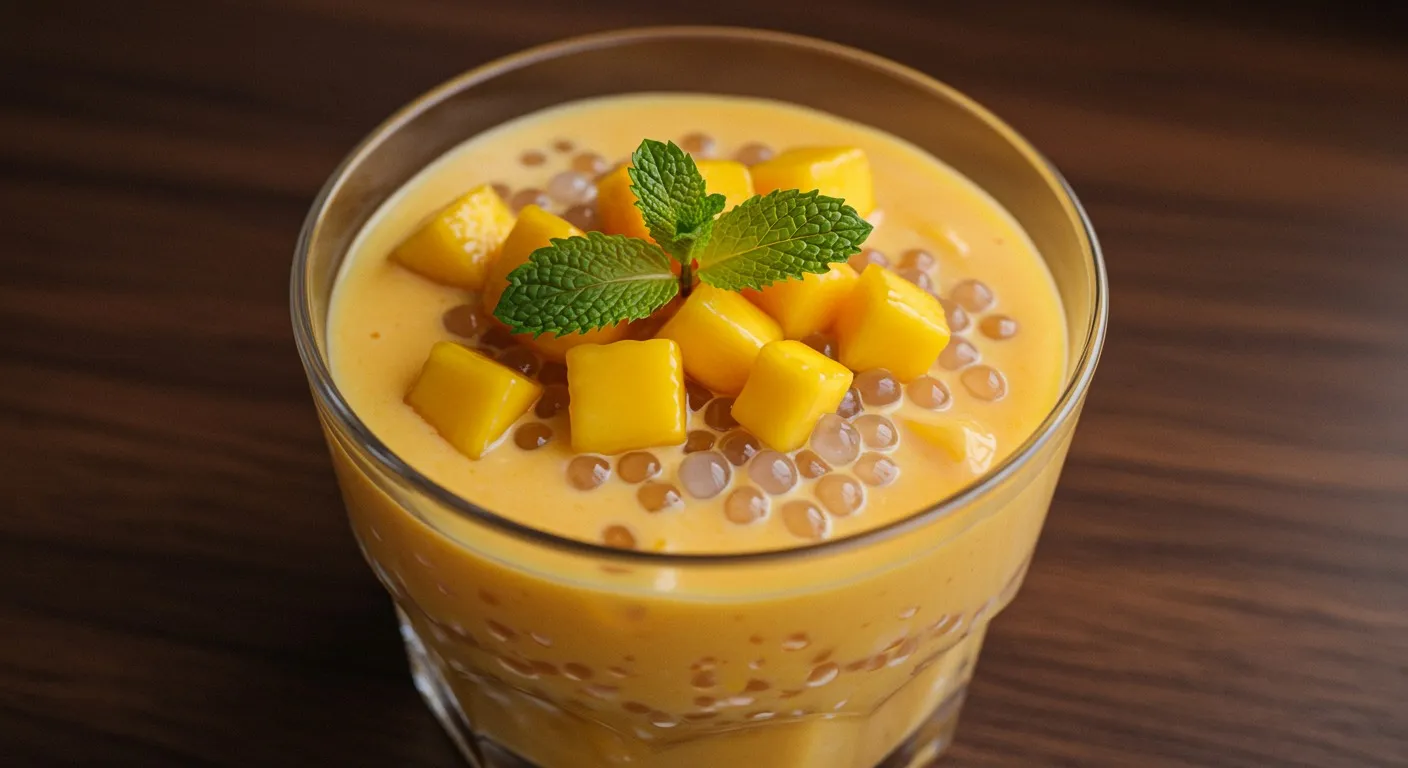
Mango sago has become one of those desserts that takes over social feeds the moment the weather warms up. It is a chilled bowl of sweet mango puree, creamy coconut milk, and chewy tapioca pearls, and it photographs beautifully in a clear glass, which is exactly why it keeps going viral across Instagram, TikTok, and Pinterest. The appeal is simple: it tastes like a tropical cafe treat but needs no oven and no special skill. When mango season comes around and the fruit is at its sweetest, this is the dessert worth making on repeat. One bowl and one blender are really all it takes.
About This Dish
Despite how at home it feels during an Indian summer, mango sago was born in Hong Kong in the 1980s, created in dessert houses that paired ripe mango with sago pearls and pomelo. The original version is known as mango pomelo sago, and it spread quickly across East and Southeast Asia before landing in Indian kitchens. Here it found a natural fit, because mango and coconut are a beloved summer pairing across the south of the country. Made with local Alphonso or Kesar mangoes, it reads less like an import and more like a cooling seasonal treat.
Ingredient Notes
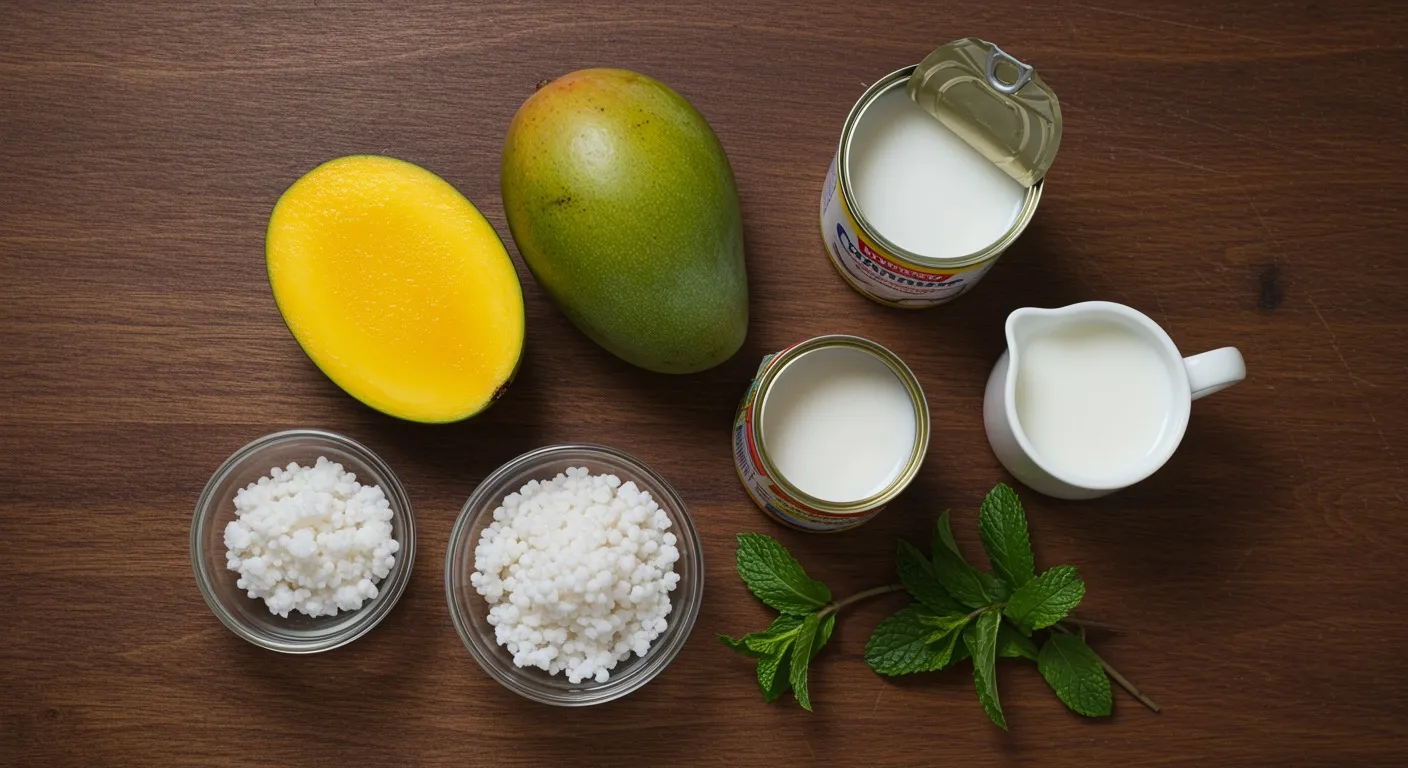
The quality of the mango decides everything, so reach for sweet, low-fiber varieties such as Alphonso, Kesar, or Ataulfo, also sold as Honey mangoes. If fresh fruit is out of season, a cup of good canned mango pulp works well in its place. The pearls are small tapioca, often labeled sago or sabudana, and their tiny size cooks faster and stays pleasantly chewy. Full-fat coconut milk gives the base its richness, while sweetened condensed milk adds body and just enough sweetness, so adjust it to match how sweet your mangoes are. Pomelo is traditional but genuinely optional, and it is left out here because it is hard to find in many places.
Method And Tips
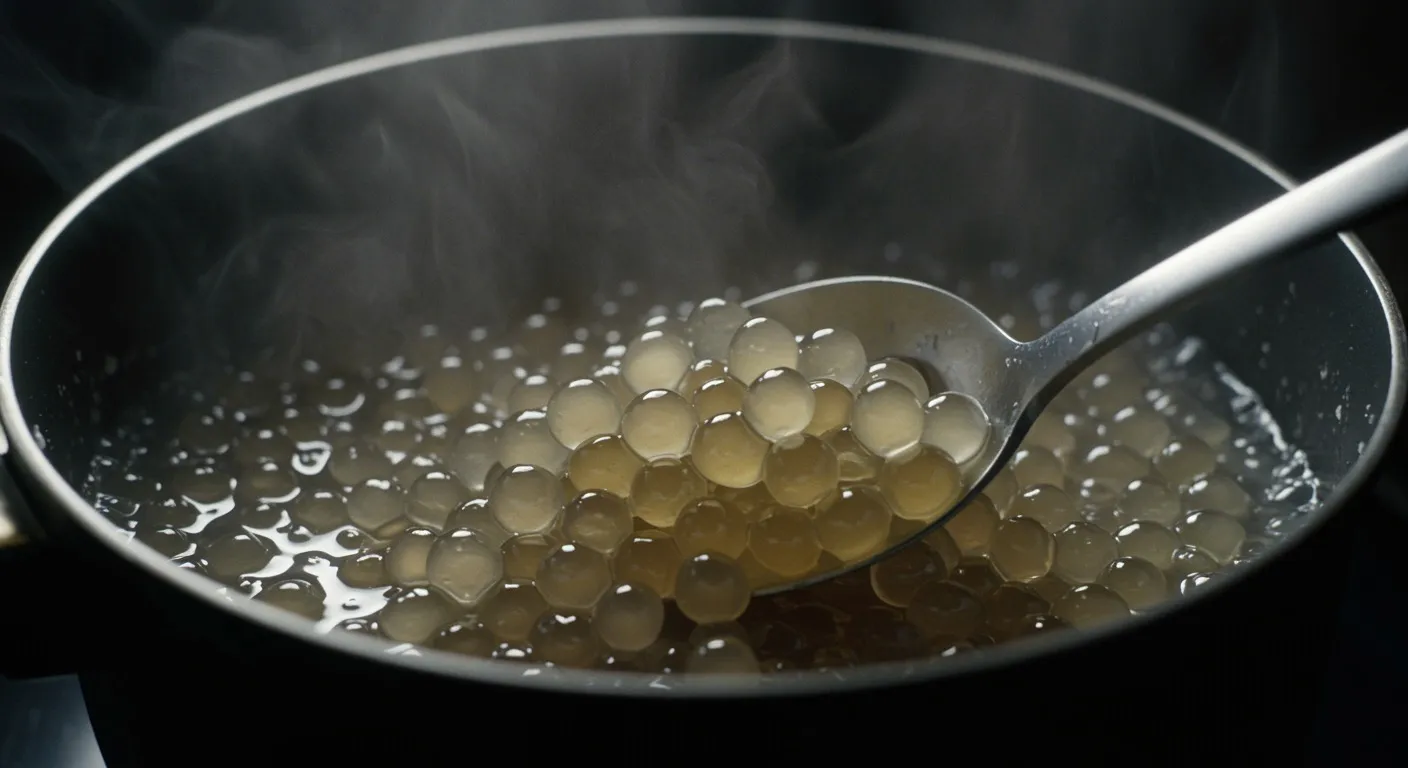
The one technique that matters is cooking the tapioca correctly. Simmer the pearls until they turn almost clear, then turn off the heat and let them rest covered so the centers finish cooking through. Rinsing them under cold water afterward removes excess starch and keeps them from clumping into a paste. Blend the mango base until completely smooth, fold in the cooled pearls, and give the whole thing at least an hour in the refrigerator, because mango sago is meant to be served very cold. If it thickens too much as it chills, loosen it with a splash of coconut milk before serving.
Serving Suggestions
Spoon it into clear glasses or small bowls, top with diced mango, and add a mint leaf if you like a little color. It makes a light finish to a spicy meal and an easy make-ahead dessert for warm-weather gatherings. Once you see how quickly it comes together, it may become your default way to use up a glut of ripe mangoes. Give it a try the next time the mangoes pile up.
Recipe
Mango Sago
A chilled tropical dessert of sweet mango puree and creamy coconut milk folded with chewy tapioca pearls, served cold and topped with fresh mango.
- Prep
- 15min
- Cook
- 15min
- Total
- 30min
- Servings
- 4servings
- Calories
- 320kcal
Ingredients
- For the sago
- 1/2 cup small tapioca pearls (sago)
- 4 cups water
- For the mango coconut base
- 2 cups ripe mango, peeled and chopped (about 2 large)
- 1 cup full-fat coconut milk
- 1/3 cup sweetened condensed milk
- For topping
- 1 cup ripe mango, diced
- 8 leaves fresh mint leaves (optional)
Instructions
- 1 Rinse the tapioca pearls under cold water. Bring 4 cups of water to a boil in a saucepan, add the tapioca, and simmer over medium heat, stirring occasionally, for 12 to 15 minutes until the pearls are mostly translucent with just a tiny white dot in the center.
- 2 Turn off the heat, cover the pan, and let the pearls sit for about 10 minutes until they turn fully translucent. Drain them in a fine sieve and rinse well under cold running water to stop the cooking and wash off the surface starch, then set aside.
- 3 Peel and chop about 2 large mangoes to get 2 cups of fruit. Add the mango, coconut milk, and condensed milk to a blender and blend until completely smooth.
- 4 Taste the mango base and blend in a little more condensed milk if your mangoes are not very sweet. Pour the base into a bowl and stir in the cooled tapioca pearls until evenly combined.
- 5 Cover the bowl and refrigerate for at least 1 hour, until the mango sago is well chilled and the flavors have come together.
- 6 Spoon the chilled mango sago into glasses or small bowls, top with the diced mango, garnish with mint leaves if using, and serve cold.
Notes
- Use sweet, low-fiber mangoes such as Alphonso, Kesar, or Ataulfo (Honey) for the smoothest puree. About 1 cup of good canned mango pulp can replace fresh mango when it is out of season.
- For the classic Hong Kong style, fold in about 1/2 cup of pomelo segments along with the tapioca. It is optional and easy to skip.
- If the base thickens too much after chilling, loosen it with a splash of cold coconut milk or whole milk before serving.
- A tiny pinch of salt added to the mango base sharpens the fruit flavor.